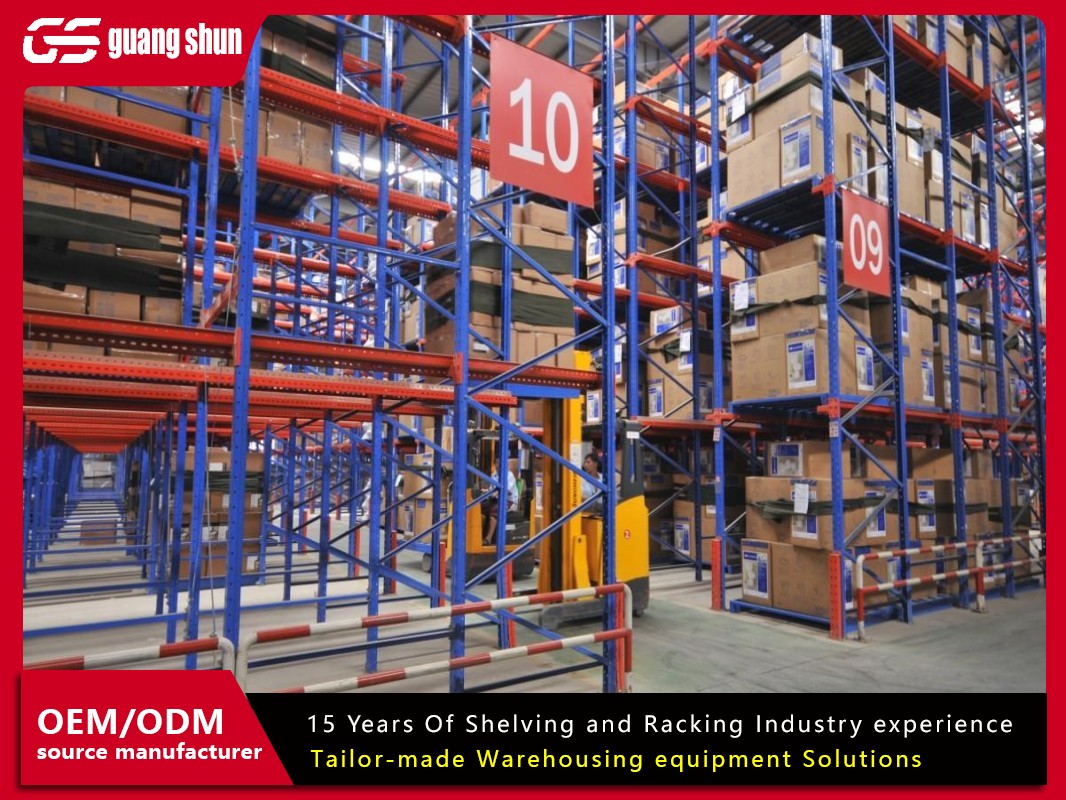
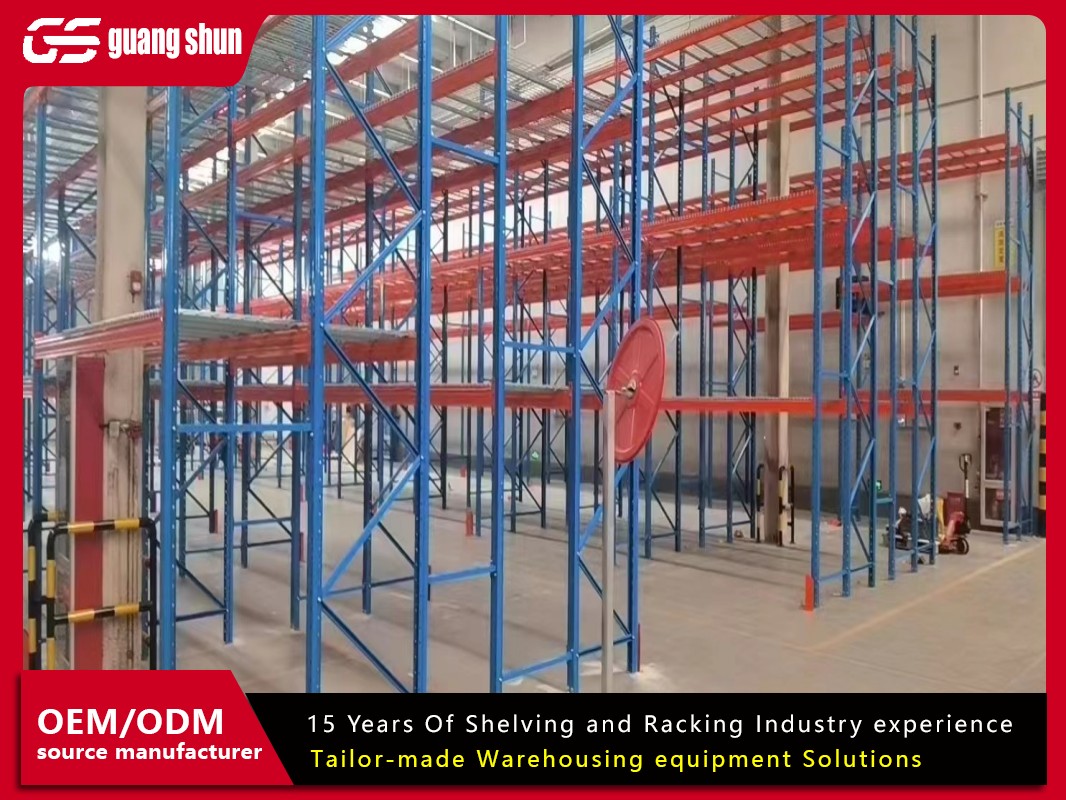
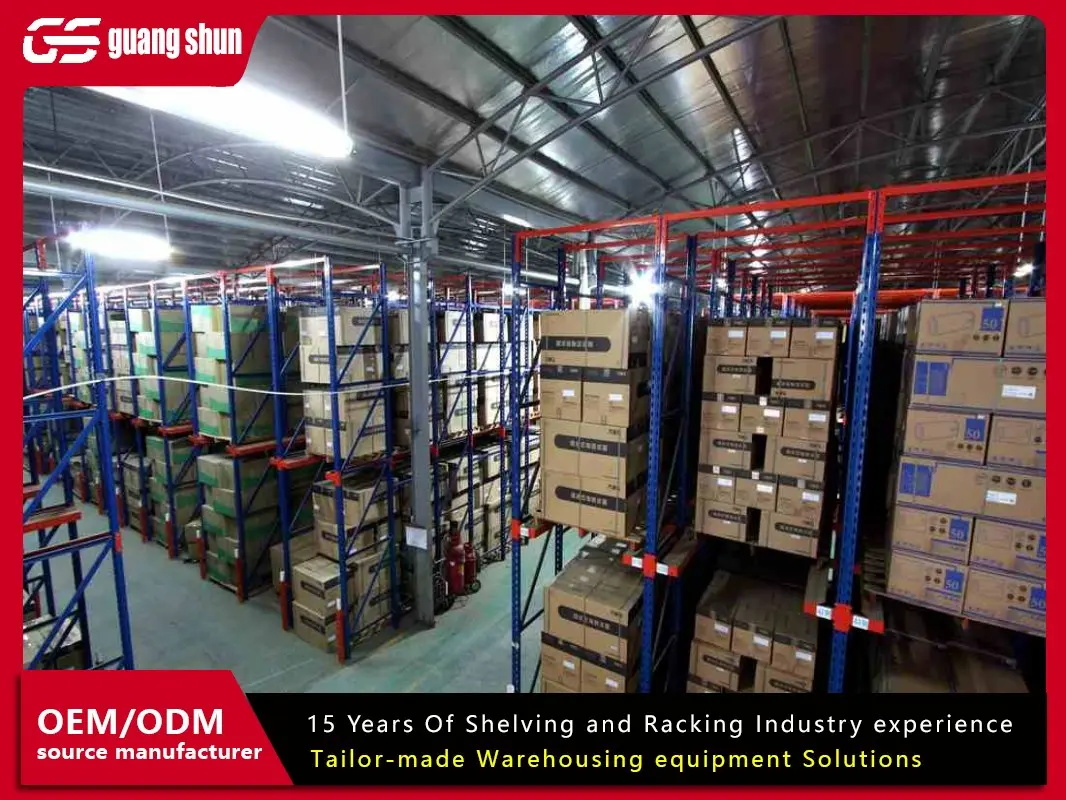
In modern warehouse operations, the pressure to maximize cubic capacity while ensuring strict inventory rotation has never been greater. The pallet flow system – a gravity-driven, high-density storage solution – directly addresses these twin demands. By combining inclined lanes with precision-engineered roller tracks, this technology enables First-In, First-Out (FIFO) inventory management without the need for multiple access aisles. However, the performance of a dynamic storage installation depends on far more than simply assembling lanes. From slope calculations to brake roller selection, every detail must be calibrated to the specific load profile and throughput requirements. This article dissects the critical engineering parameters, operational realities, and ROI drivers that define a successful pallet flow system, drawing on decades of application experience from industry specialists like Guangshun.
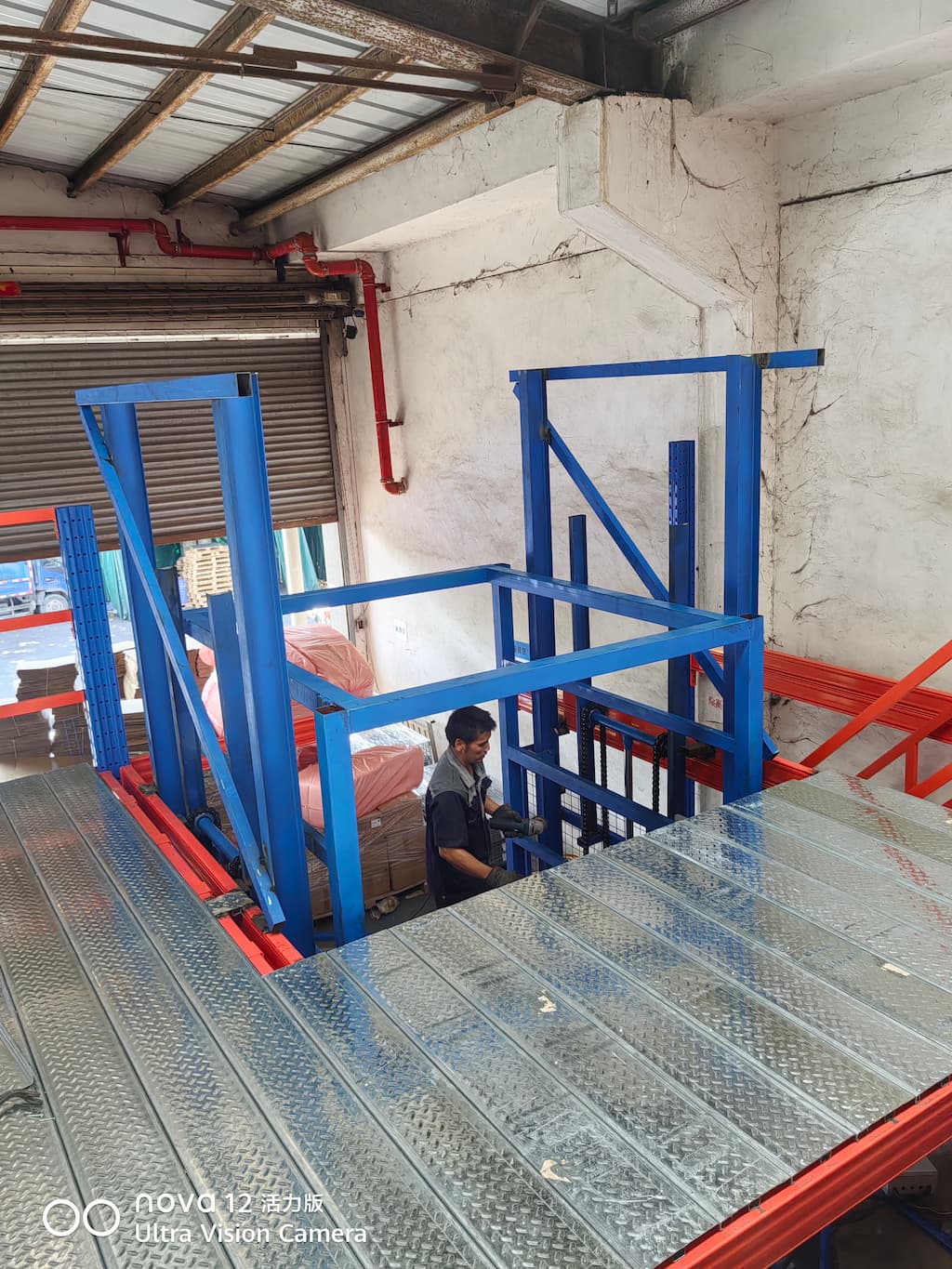
At its heart, a pallet flow installation consists of slightly inclined rack structures fitted with wheel or roller tracks. Pallets are loaded at the higher (rear) end and flow gently to the lower (front) discharge position. This seemingly simple mechanism relies on the precise management of gravitational force, rolling resistance, and speed control. The system eliminates the need for forklifts to enter the storage lane, which not only increases safety but also allows lane depths of 20 pallets or more, dramatically increasing floor-space utilization. Deep-lane configurations, often exceeding 15 meters, are common in cold storage and high-turnover distribution centres where every cubic metre costs money.
The reliability of a gravity flow installation hinges on its sub‑components. High-quality steel rollers with sealed bearings ensure consistent rolling resistance, while polymer wheels are often specified for quieter operation in ambient warehouses. For lanes handling mixed pallet weights, brake rollers are installed at intervals to automatically control speed and prevent impact at the front. Advanced systems may incorporate pneumatic or magnetic flow controllers that gently retard pallets without stopping them. Guangshun specifies variable‑density roller spacing based on pallet bottom stiffness, a detail often overlooked but critical to avoiding hang‑ups.
Engineers must evaluate nine interrelated factors when designing a lane. Slope, for instance, is not a one‑size‑fits‑all value: typical gradients range from 2.5% to 4.5%, but the exact figure depends on pallet weight, roller friction, and environmental conditions (e.g., low temperatures in freezers increase lubricant viscosity). Lane depth dictates the number of pallet positions and influences the total dynamic load on the frame. The choice between full‑width roller beds or separate wheel tracks must align with pallet condition – dimensional lumber pallets require different support than block pallets. Below are the essential parameters:
Dynamic load per lane: cumulative weight of all pallets plus impact factors.
Pallet quality: dimensional tolerances, bottom-board gaps, and stiffness.
Speed control mechanism: brake rollers per lane (usually 2–4) vs. centrifugal retarders.
Lane separation: physical guides to prevent pallet misalignment.
Seismic and safety ratings: compliance with local codes (e.g., RMI, FEM).
Entry/exit interfaces: integrated position sensors for automated material handling.
Failure to match these parameters to the actual SKU mix is the primary cause of flow interruptions – a problem that certified designers at Guangshun systematically avoid through on‑site load profiling.
Compared to selective racking, a pallet flow system typically increases storage density by 50–80% because access aisles are reduced to only two per zone – one at the charging face and one at the discharge face. For a warehouse with 2,000 pallet positions, this translates into reclaiming hundreds of square metres for revenue‑generating inventory. Throughput also improves: continuous flow eliminates the “search time” associated with reach trucks entering deep lanes. In a well‑designed flow lane, a single forklift can deposit pallets at the input side while another retrieves from the output side simultaneously, effectively creating a continuous queuing system. Data from installations handling fast‑moving beverages show sustained rates of 40+ pallets per hour per lane.
For industries with expiry dates – food, pharmaceuticals, chemicals – FIFO is not optional. Gravity flow systems enforce rotation naturally: the oldest pallet is always at the front. This reduces write‑offs due to spoilage and supports strict lot traceability. Unlike push‑back or drive‑in systems, where LIFO (Last‑In, First‑Out) is inherent, the pallet flow system guarantees that no pallet remains in storage beyond its intended duration, a feature increasingly valued in just‑in‑time supply chains.
While ambient warehouses benefit from flow technology, the most compelling use cases are found in temperature‑controlled environments. In a –25°C freezer, every minute a forklift spends inside costs energy and risks employee safety. Pallet flow systems minimise that exposure: forklifts only need to place pallets at the lane entry or pick from the front, staying outside the freezer core. Similarly, in cross‑dock facilities with high SKU velocity, flow lanes act as dynamic buffers that smooth out peaks in inbound and outbound truck schedules. Guangshun recently completed a frozen‑food project in Northern Europe where 3,000 flow lanes reduced forklift travel time by 62% and slashed energy consumption by 18% – figures that directly impact the bottom line.
Even the most robust gravity system can encounter obstacles. The following table outlines frequent operational challenges and the technical solutions applied by experienced integrators:
Problem: Pallets stall mid‑lane due to debris or damaged boards.
Solution: Specify self‑cleaning roller profiles and scheduled lane inspections; use guide rails with flared entries.
Problem: Excessive speed causing product shift or damage at the front stop.
Solution: Install speed‑governing brake rollers tuned to the actual weight range; calibrate slope using laser‑levelled floors.
Problem: Incompatibility with non‑standard pallets (e.g., CHEP vs. EUR).
Solution: Modular rail spacing and adjustable roller beds that can be reconfigured as SKU profiles evolve.
Problem: High maintenance costs due to bearing wear in dusty environments.
Solution: Sealed, lifetime‑lubricated bearings and stainless‑steel options for wash‑down areas.
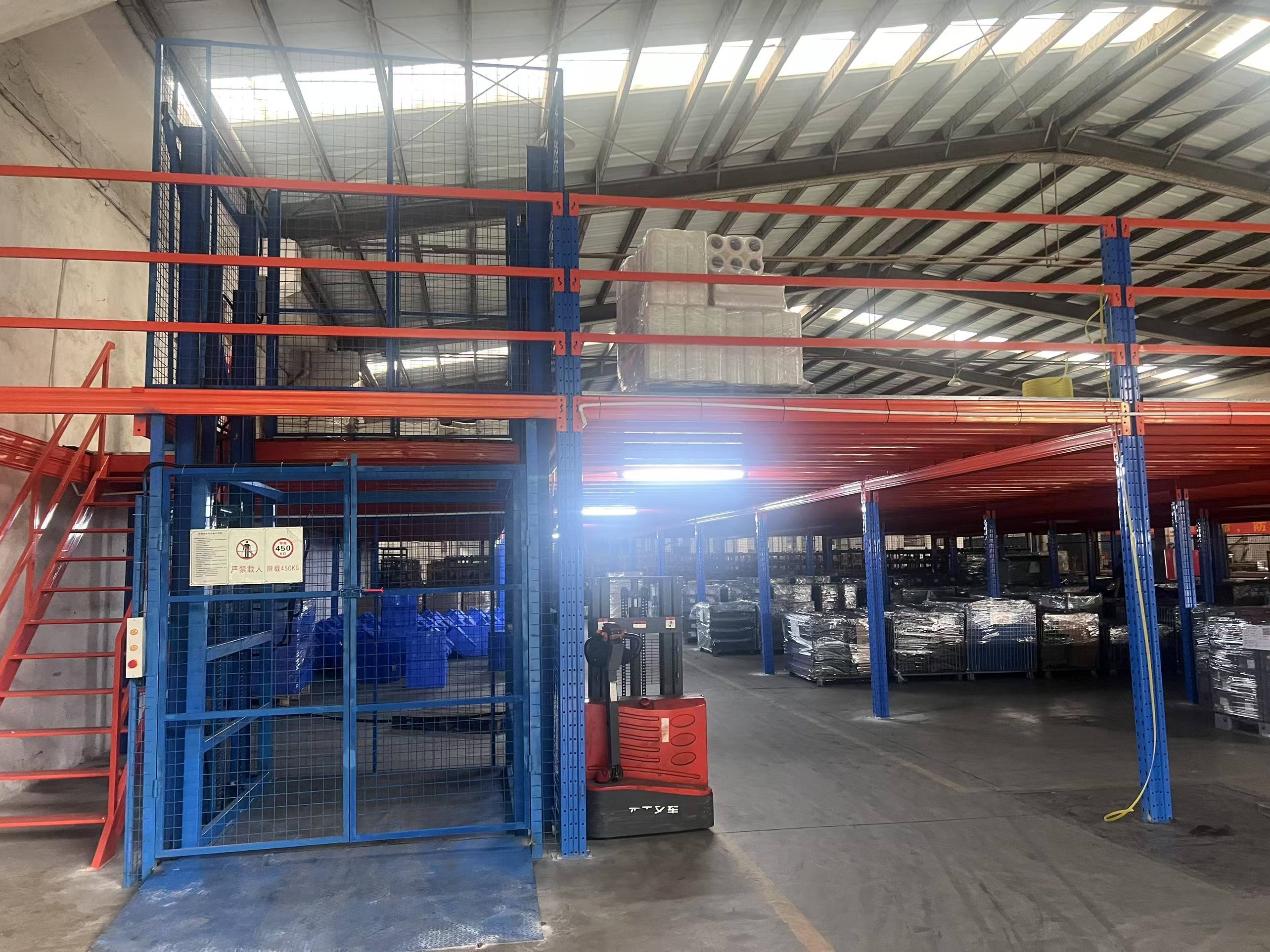
A safe pallet flow system relies on multiple layers of protection. End‑of‑lane pallet stops must absorb the kinetic energy of a fully loaded pallet without rebounding. In seismic zones, the rack structure must incorporate additional diagonal bracing and anchor bolts designed to withstand both static and dynamic loads. Furthermore, modern installations often include photo‑eye sensors at the lane exit that signal when a pallet is ready for removal, preventing collisions with forklifts. Compliance with EN 15512 or RMI MH16.1 is non‑negotiable; manufacturers like Guangshun provide detailed load test certificates and seismic calculations for every project.
Initial investment for a pallet flow installation is higher than standard racking – typically €200–€350 per pallet position depending on lane depth and brake content. However, total cost of ownership (TCO) analysis reveals rapid payback through three channels: space savings (avoiding warehouse expansion), labour efficiency (reduced travel and search time), and product loss prevention. A 2023 study of European grocery DCs found that converting selective racks to flow lanes produced an average ROI of 28% within 18 months. The key is correct specification: over‑engineering (too many brakes) wastes capital, while under‑engineering creates operational drag. This is where deep application expertise from suppliers such as Guangshun adds measurable value, tailoring the system to exact SKU weight windows and throughput targets.
Q1: What is the maximum lane depth possible in a pallet flow system?
A1: Lane depth is primarily limited by pallet consistency and the need for reliable flow. Most installations range from 8 to 20 pallets deep. Depths beyond 25 positions are possible with specialised low‑friction rollers and multiple speed control zones, but they require exceptionally uniform pallets and strict maintenance regimes. Guangshun engineers typically recommend a maximum of 18 positions for mixed SKUs to guarantee trouble‑free operation.
Q2: How do I handle different pallet types in the same flow lane?
A2: Mixed pallet types within one lane are generally not advisable because variations in bottom stiffness and dimensions cause inconsistent flow. The best practice is to dedicate lanes to homogeneous pallet profiles. If mixing is unavoidable, wider roller beds (full‑width, not just tracks) and adjustable guide rails can accommodate variation, but a flow test with actual samples is mandatory before commissioning.
Q3: Can a pallet flow system be retrofitted into an existing selective rack?
A3: Retrofitting is possible if the existing rack structure can support the dynamic loads and if the depth is adequate. However, flow racks require specific frame bracing and exacting levelling (typically ±3 mm over 10 metres). Many operators prefer new‑build systems to avoid compromising safety margins. Guangshun offers a free structural audit to determine if conversion is feasible and cost‑effective.
Q4: What maintenance schedule is recommended for flow lanes?
A4: Weekly visual checks for debris or damaged rollers are essential. Every three months, a test pallet should be run through each lane to verify speed and stopping behaviour. Annually, bearings in high‑use lanes should be inspected for wear; in freezer applications, lubricant condition must be verified more frequently due to thermal cycling. Most suppliers, including Guangshun, offer extended warranty packages that include biannual professional inspections.
Q5: How does a pallet flow system compare with an automated shuttle system?
A5: Flow systems are purely gravity‑driven and have no moving parts inside the lane (except brake rollers), making them extremely reliable and easy to maintain. Shuttle systems offer greater flexibility in lane depth and can handle multiple depths automatically, but they require battery‑powered vehicles and sophisticated control software. The choice depends on throughput needs: flow lanes excel for medium‑to‑high volume with consistent FIFO, while shuttles suit very deep, multi‑deep storage with varying SKU profiles. Cost per pallet position is generally lower for flow systems when lane depths are below 20 positions.
Q6: Can the system accommodate very light or very heavy pallets (e.g., 50 kg to 1500 kg)?
A6: Yes, but a single lane cannot cover the entire range. Light pallets require minimal slope and very low‑friction rollers; heavy pallets need robust braking. Most installations are designed for a specific weight window, e.g., 400–800 kg. If your warehouse has extreme weight variations, separate zones with different roller specifications are the standard solution. Pallet flow systems from Guangshun are designed with modular rollers that can be swapped if the weight profile changes permanently.
Q7: What happens if a pallet gets stuck – how is it retrieved?
A7: Modern flow lanes include removable side rails or access panels that allow an operator to safely reach the stuck pallet from the side using a long pole or a specialised retrieval tool. In deeper lanes, some systems incorporate a mobile access cart that runs on rails alongside the rack. Crucially, retrieval should never require a person to enter the lane beneath a suspended load. Safety protocols must be strictly enforced.
---
For warehouses seeking to combine maximum density with guaranteed FIFO, the engineered approach to pallet flow system design delivers measurable competitive advantage. By focusing on load‑specific details, component quality, and proven application knowledge – such as that provided by Guangshun – operations can achieve the dual goals of space efficiency and material flow reliability.

 Wechat
Whatsapp
Wechat
Whatsapp