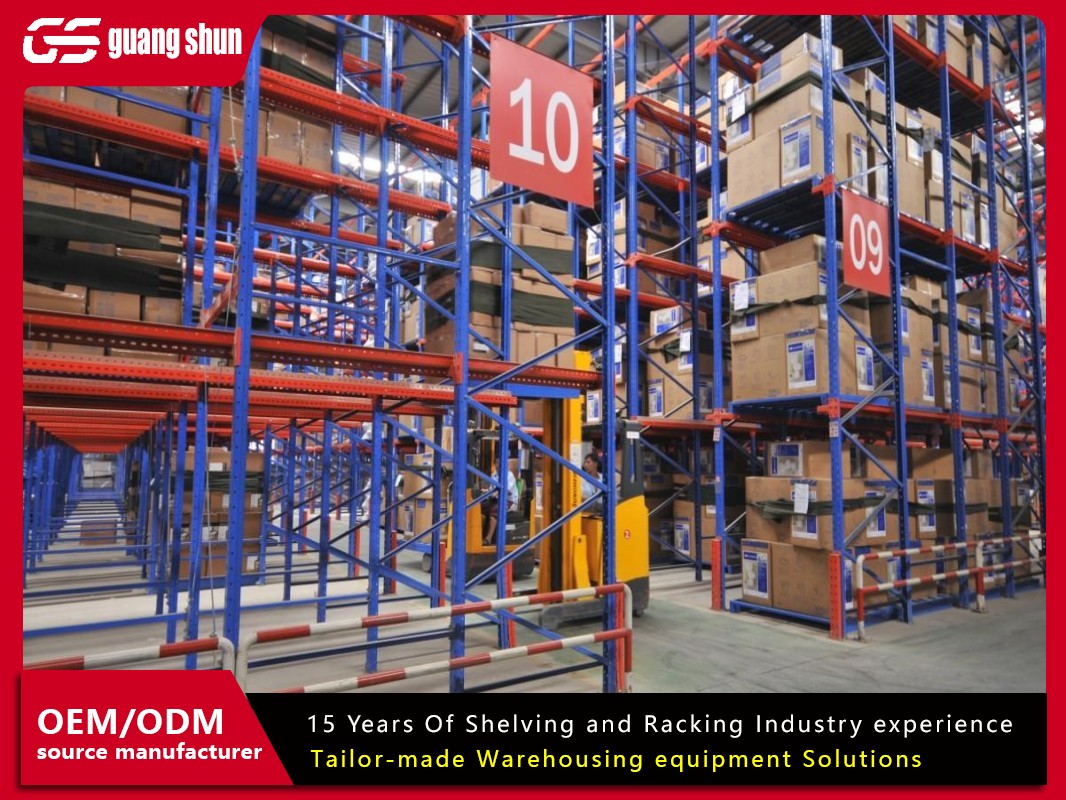
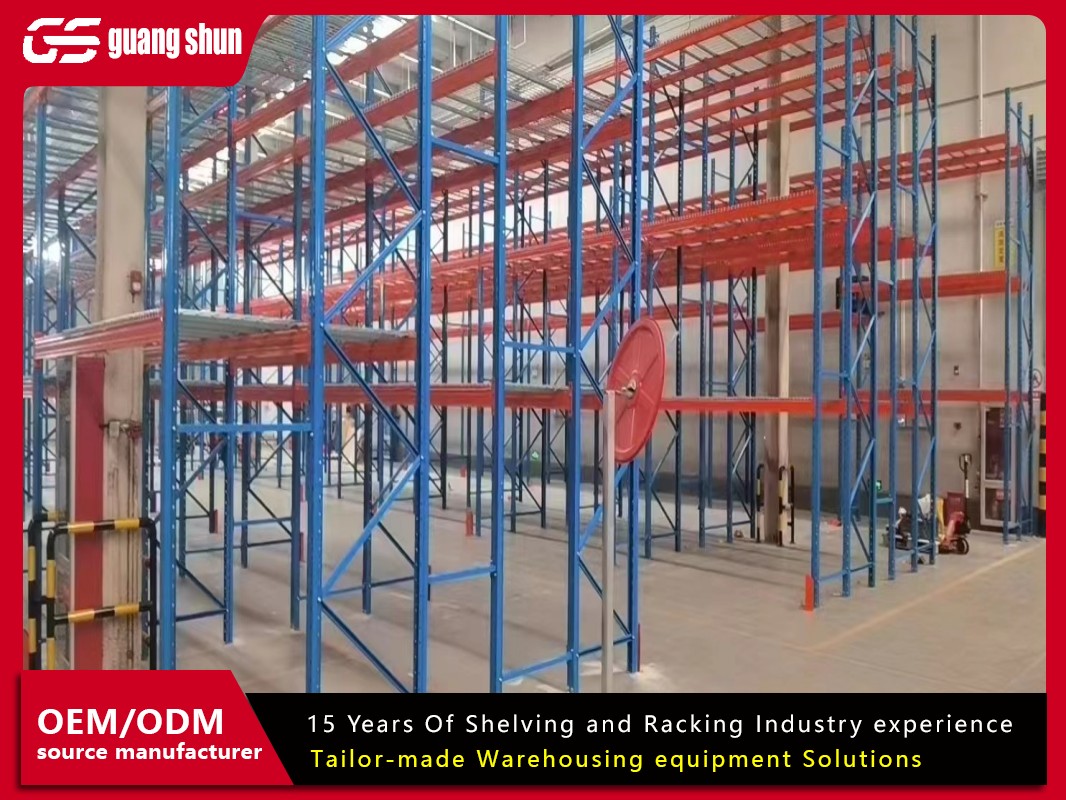
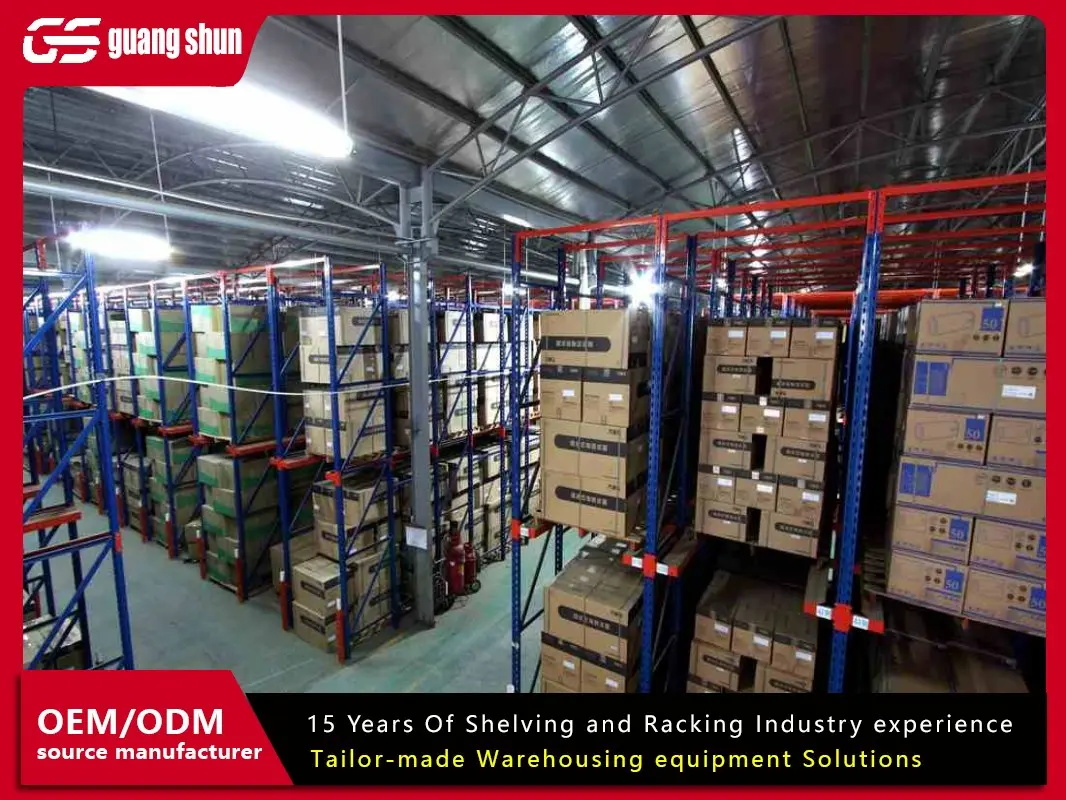
Warehouse efficiency often hinges on proper storage solutions. Pallet shelving units are essential structures designed to hold palletized goods in an organized manner. They provide a stable framework that maximizes vertical space and streamlines inventory access. Whether you run a small distribution center or a large logistics hub, understanding these systems is the first step toward better operations.
Pallet shelving units, also known as pallet racks, are metal frameworks that support pallets loaded with goods. They consist of upright frames and horizontal beams that create multiple storage levels. Unlike bulk storage, these units allow each pallet to be placed individually, making them ideal for organized warehousing. They are typically made of steel and can be adjusted to accommodate various pallet sizes and weights.
Fixed structures that do not require moving parts.
Direct access to each pallet without disturbing others.
Available in various heights, depths, and load capacities.
Investing in quality pallet shelving units brings multiple advantages to any warehouse environment. Below are the primary reasons why they are widely adopted.
Space Optimization: By utilizing vertical space, these units can double or triple storage capacity compared to floor stacking.
Improved Inventory Management: Each pallet has a dedicated position, making it easier to track stock and implement FIFO or LIFO systems.
Enhanced Safety: Pallets are securely supported, reducing the risk of collapse or product damage. Properly installed units meet safety standards.
Flexibility: Beams can be repositioned to accommodate different pallet heights, and accessories like wire decks or back panels can be added.
Durability: Steel construction ensures long service life with minimal maintenance, even under heavy loads.
There are several configurations of pallet shelving units, each tailored to specific storage needs and warehouse layouts. Choosing the right type is crucial for efficiency.
This is the most popular type, offering direct access to every pallet. Rows of racks are arranged with aisles between them. Forklifts can reach any pallet without moving others. It is best for high-turnover operations with a wide variety of SKUs.
Drive-in systems allow forklifts to enter the rack structure to deposit or retrieve pallets. They store pallets on a last-in, first-out (LIFO) basis. This design minimizes aisle space, providing high-density storage for homogeneous products.
Push back racks use inclined rails and carts. Pallets are loaded from one side and push previous pallets back. When retrieving, the process reverses. This offers higher density than selective racks while maintaining reasonable selectivity.
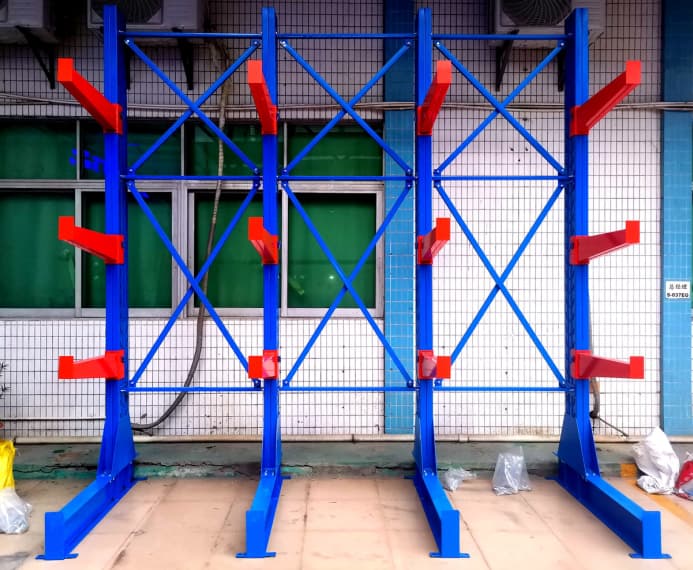
Cantilever units are designed for long or bulky items like lumber, pipes, or furniture. Arms extend from columns, supporting loads without front columns, making them versatile for irregular shapes.
Although often considered dynamic, pallet flow racks use gravity rollers to move pallets from the loading end to the unloading end. They support first-in, first-out (FIFO) inventory rotation and are ideal for perishable goods.
Selecting the appropriate pallet shelving units requires careful evaluation of your warehouse conditions and inventory characteristics. Overlooking these factors can lead to inefficiencies or safety hazards.
Load Capacity: Determine the maximum weight per pallet and per beam level. Ensure the rack components are rated accordingly.
Pallet Dimensions: Measure pallet length, width, and height. Allow for overhang and clearance between levels.
Warehouse Height: Measure clear height under sprinklers, lights, and obstructions. Taller units maximize space but may require special lifting equipment.
Aisle Width: Narrow aisles increase storage density but require very narrow aisle (VNA) forklifts. Standard aisles accommodate counterbalance trucks.
Inventory Turnover: High turnover favors selective racks; low-turnover bulk storage might benefit from drive-in or push back systems.
Seismic Zone: In earthquake-prone areas, additional bracing and anchoring are required. Check local building codes.
Proper installation and ongoing maintenance are essential to ensure the longevity and safety of your pallet shelving units. Even the strongest racks can fail if not handled correctly.
Ensure the floor is level and capable of supporting the combined weight of racks and products.
Anchor frames securely to the floor using manufacturer-specified bolts.
Install row spacers and wall ties to prevent tipping, especially for high-bay configurations.
Use shims to level racks on uneven floors.
Conduct monthly visual inspections for bent beams, damaged uprights, or missing safety clips.
Never exceed the rated load capacity of any beam or shelf.
Repair damage immediately—a bent upright can compromise the entire structure.
Train forklift operators to avoid impacts with rack legs.
Install column protectors and end-of-aisle barriers to minimize collision damage.
Regular professional inspections help identify hidden issues. Many suppliers offer maintenance programs for pallet shelving units to ensure compliance with safety standards like RMI or FEM.

Q1: What is the weight capacity of typical pallet shelving units?
A1: Capacity varies widely based on design and manufacturer. Light-duty units may hold 1,000–2,000 lbs per level, while heavy-duty industrial racks can support over 10,000 lbs per beam pair. Always check the manufacturer's load chart and include a safety margin.
Q2: Can pallet shelving units be adjusted to different pallet sizes?
A2: Yes, most systems feature adjustable beams that can be repositioned vertically in small increments. This allows you to accommodate varying pallet heights. Some units also allow different beam depths for different pallet widths.
Q3: Are there any fire code requirements for installing pallet shelving units?
A3: Yes, fire codes often require clearance below sprinklers and may mandate in-rack sprinklers for high-bay storage. Rack configurations must not obstruct fire suppression. Consult a fire protection engineer during planning.
Q4: How long do pallet shelving units last with proper maintenance?
A4: Steel pallet racks can last 20–30 years or more if they are not subjected to repeated impacts or overloading. Regular inspections and timely repairs are key to maximizing lifespan.
Q5: What safety accessories are recommended for pallet shelving units?
A5: Common accessories include wire decking to prevent items from falling, column guards to protect uprights, row spacers for stability, and safety pins to lock beams in place. End-of-aisle barriers and netting are also used in high-traffic areas.
Q6: Can pallet shelving units be used outdoors?
A6: Some units are designed for outdoor use with weather-resistant coatings like galvanized steel. However, exposure to rain and humidity can accelerate corrosion, so covered or semi-covered locations are preferable unless specifically rated for outdoor conditions.
Selecting the right pallet shelving units is a critical decision that impacts warehouse productivity, safety, and scalability. By understanding the different types, evaluating your inventory needs, and following installation best practices, you can create a storage system that supports efficient operations for years. Regular maintenance and adherence to safety guidelines ensure your investment remains secure and functional. Whether you are upgrading an existing facility or building a new one, prioritize quality racks that match your specific requirements.

 Wechat
Whatsapp
Wechat
Whatsapp