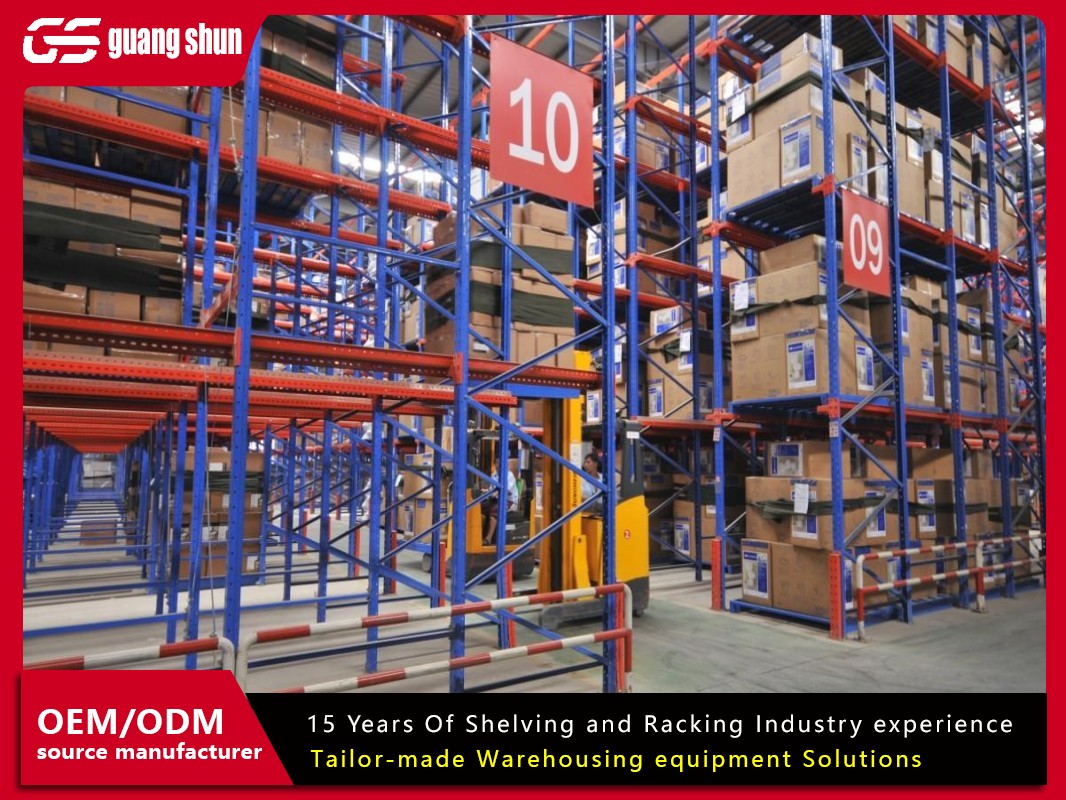
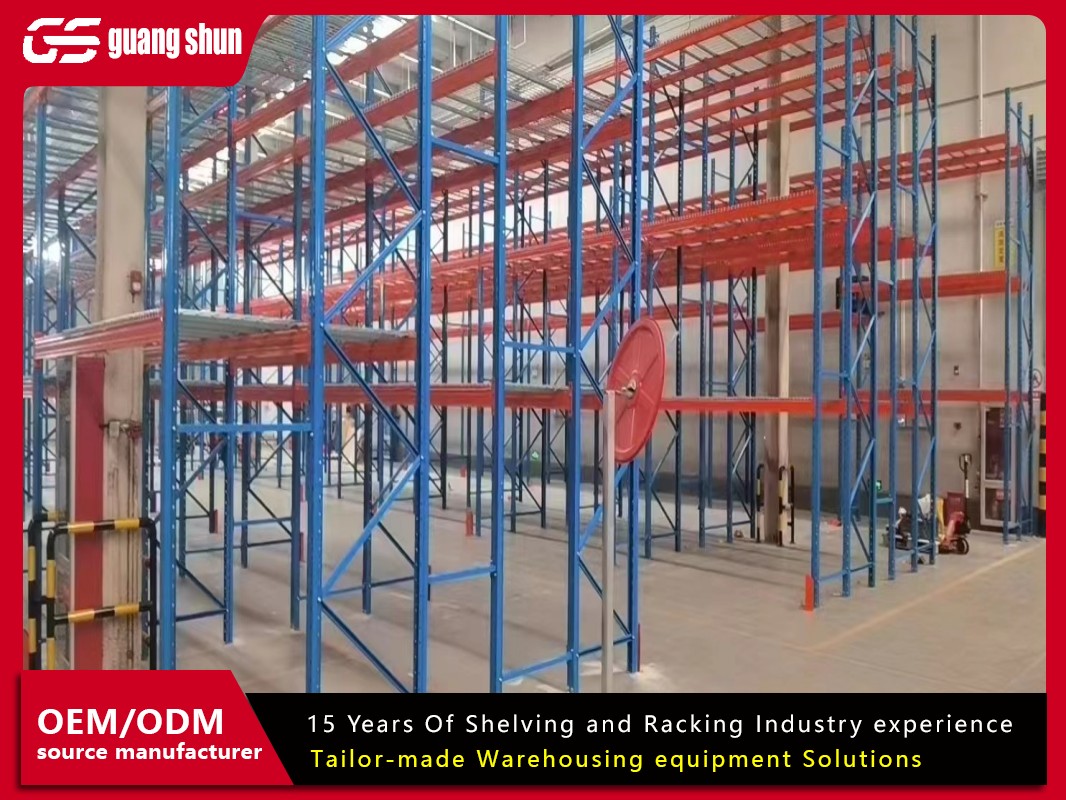
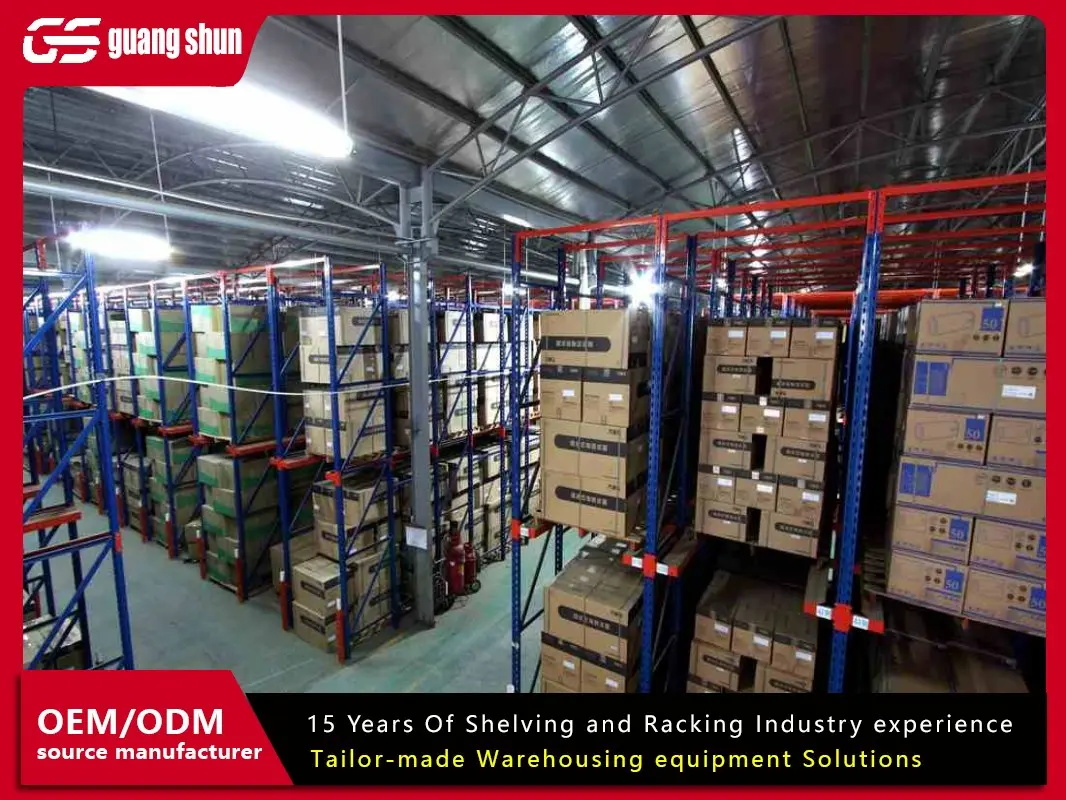
In today's fast-paced logistics and manufacturing landscape, space is a premium. Vertical space, often underutilized, holds the key to transformative efficiency. This is where the high racking system becomes an indispensable asset.
A high racking system is a storage solution designed to securely hold palletized goods at significant heights. It allows businesses to store more within the same footprint, dramatically increasing storage density. For operations looking to scale, understanding and implementing the right high racking system is a strategic necessity.
This article delves into the core aspects of these systems, helping you make an informed decision.
A high racking system is more than just tall shelves. It is an engineered structure designed for stability and safety at heights often exceeding 10 meters. These systems integrate directly with material handling equipment like narrow-aisle forklifts or stacker cranes.
The primary goal is vertical storage. By building upward, you maximize your cube—the total volume of your storage facility. This approach is far more cost-effective than expanding a building's footprint.
Key to its function is the selective pallet racking design. This allows direct access to every single pallet load. It is the most common and versatile form of high bay racking.
Not all storage needs are the same. Several types of high density storage systems fall under the high racking umbrella.
This is the standard choice for high-height warehouses. Each pallet is individually accessible. It offers excellent inventory selectivity and is ideal for SKU variety. When installed at great heights, it forms the classic high bay shelving structure.
It works perfectly with very narrow aisle (VNA) forklifts. These machines operate in aisles as tight as 1.6 meters wide.
This high density storage solution doubles storage density within a single aisle. It places two pallets deep on each side of the aisle. While it reduces selectivity slightly, it significantly increases storage capacity.
It requires specialized forklifts with double-reach mechanisms. This type of high racking system is excellent for storing larger quantities of fewer SKUs.
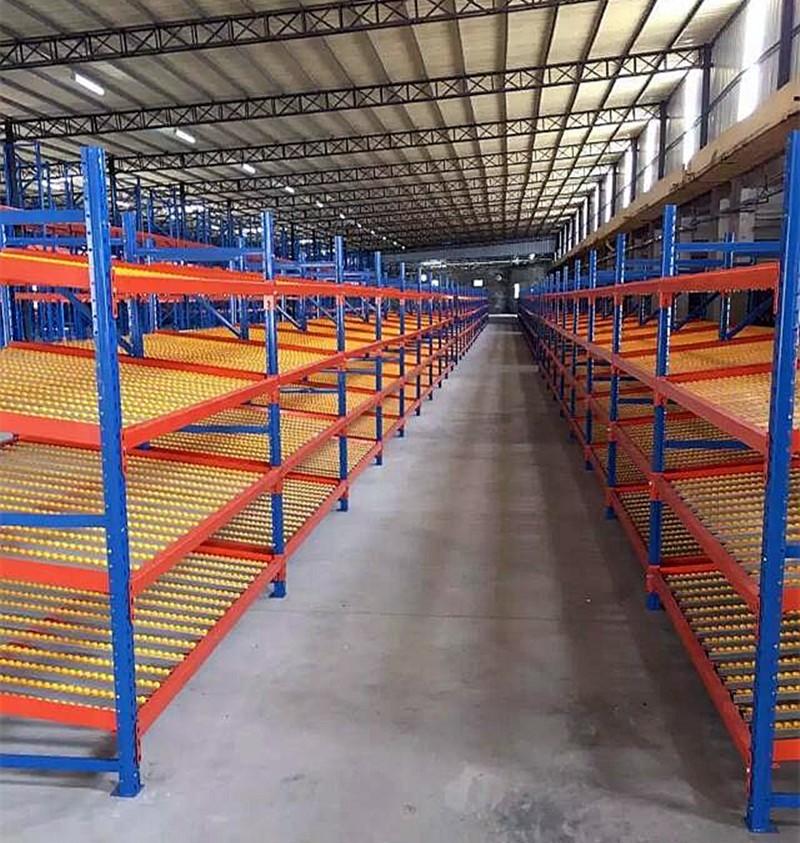
This is a dynamic high density storage system. It uses inclined shelves with roller or wheel conveyors. Pallets are loaded from the rear and move by gravity to the front pick face.
It ensures perfect stock rotation (FIFO). This makes it ideal for perishable goods or items with expiration dates. A high racking system using flow technology maximizes both space and throughput.
This is the ultimate high density storage for high-volume, low-SKU environments. Forklifts actually drive into the rack structure to place and retrieve pallets. It utilizes nearly the entire building cube with minimal aisle space.
Drive-In systems (LIFO) and Drive-Thru systems (FIFO) are variations. They are a critical part of many high bay warehouse operations for bulk storage.
The shift to a high racking system delivers tangible, measurable benefits.
Dramatic Increase in Storage Capacity. This is the most immediate advantage. You can often double or triple your existing storage capacity without adding a single square meter of floor space. Utilizing vertical air space is a smart capital investment.
Improved Warehouse Organization and Efficiency. A well-planned high racking system brings order. It creates defined locations for every product. This reduces search times and minimizes picking errors. Inventory management becomes significantly simpler.
Enhanced Inventory Control. With organized locations and often integrated with Warehouse Management Systems (WMS), tracking stock is easier. Features like FIFO in flow racks prevent obsolescence. Better control leads to lower carrying costs.
Long-Term Cost Savings. While the initial investment can be substantial, the return is compelling. You defer or eliminate the need for costly facility expansion. The gains in operational efficiency reduce labor costs per pallet handled.
Scalability for Business Growth. A high racking system is inherently scalable. You can often add more vertical storage levels or extend the system as your business grows. It provides a clear pathway for expansion within your existing walls.

Installing a high racking system is a major project. Careful planning is non-negotiable for success and safety.
Professional Site Assessment and Design. Never attempt a generic design. A professional must assess your floor condition, ceiling height, column positions, and sprinkler systems. The design must account for seismic and wind loads as per local codes.
Understanding Load Capacities and Specifications. Every component of a high racking system has a rated capacity. This includes upright frames, beams, and decking. You must clearly define your maximum pallet weights and dimensions. Overloading is a primary cause of catastrophic failure.
Integration with Material Handling Equipment (MHE). The racking and the equipment are a single system. The aisle width, rack height, and turn radius of your VNA forklifts or stacker cranes must be perfectly synchronized. The equipment defines the system's practical limits.
Ongoing Inspection and Maintenance Protocols. Safety does not end at installation. Regular, documented inspections by trained personnel are essential. Look for impacts, damage, alignment issues, or loose connections. A proactive maintenance program protects your personnel, inventory, and capital investment.
Certain industries and operations benefit most from these systems.
Cold Storage and Frozen Food Warehouses. Space in these facilities is extremely expensive. Maximizing every cubic foot with a high racking system is critical for profitability. Dense storage also helps maintain low temperatures.
Bulk Goods and Raw Material Storage. Industries like plastics, paper, or automotive often store large quantities of homogeneous goods. Drive-in high racking systems or double deep racks are perfect for this application.
E-commerce Fulfillment Centers. These centers require a mix of high-density storage for fast-moving goods and selective access for slower items. A combination of high racking system types can create an optimized e-commerce warehouse.
Manufacturing and Production Facilities. Storing raw components and finished goods near production lines saves time. A high bay shelving area within the plant keeps materials organized and accessible, supporting just-in-time processes.
Beverage and Alcohol Distribution. These products are heavy, uniform, and often stored in large quantities. A robust high racking system provides the necessary strength and density for efficient distribution.
The evolution of the high racking system is tightly linked to automation.
Automated Storage and Retrieval Systems (AS/RS) represent the pinnacle. They use computer-controlled cranes that operate within the rack aisle to store and retrieve loads with perfect precision. These systems turn a high bay warehouse into a high-throughput, lights-out operation.
The integration of Warehouse Management Software (WMS) is now standard. The WMS directs every put-away and pick, optimizing the use of the high density storage system. It ensures that space is used efficiently and travel times are minimized.
The trend is clear: the high racking system is becoming smarter, more connected, and more automated. It is the physical backbone of the modern digital warehouse.
Q1: What is the maximum height for a high racking system?
A1: The maximum height is primarily determined by your building's clear ceiling height and the capabilities of your material handling equipment. Indoors, systems commonly range from 10 to over 45 meters. The practical limit is often the reach of the forklifts or stacker cranes used within the aisles.
Q2: Are high racking systems safe in areas with earthquakes?
A2: Yes, but they must be specifically engineered for seismic activity. Professional designers use local seismic codes to calculate required bracing, load capacities, and anchorage. In seismic zones, special seismic frames and increased base plate anchoring are standard features of a safe high racking system.
Q3: How long does it take to install a high bay racking system?
A3: Installation time varies greatly based on the system's size, complexity, and type. A simple selective pallet system might take weeks, while a large, automated AS/RS project can take several months. Site preparation, including floor leveling, is a critical and time-consuming first phase.
Q4: Can I reconfigure or relocate my high racking system later?
A4: Selective pallet racking is generally modular and can be reconfigured (e.g., adjusting beam heights) or relocated with proper expertise. However, more complex systems like drive-in, flow, or automated racks are far more difficult and costly to move. They are typically considered permanent installations.
Q5: What is the typical weight capacity per pallet position in a high system?
A5: Capacity varies by design and component specification. Standard selective systems can typically handle between 1,000 to 5,000 kg per pallet position. For heavier loads, such as in bulk storage, specialized high racking systems can be engineered to support weights of 10,000 kg or more per location. Always consult with a structural engineer for your specific needs.

 Wechat
Whatsapp
Wechat
Whatsapp