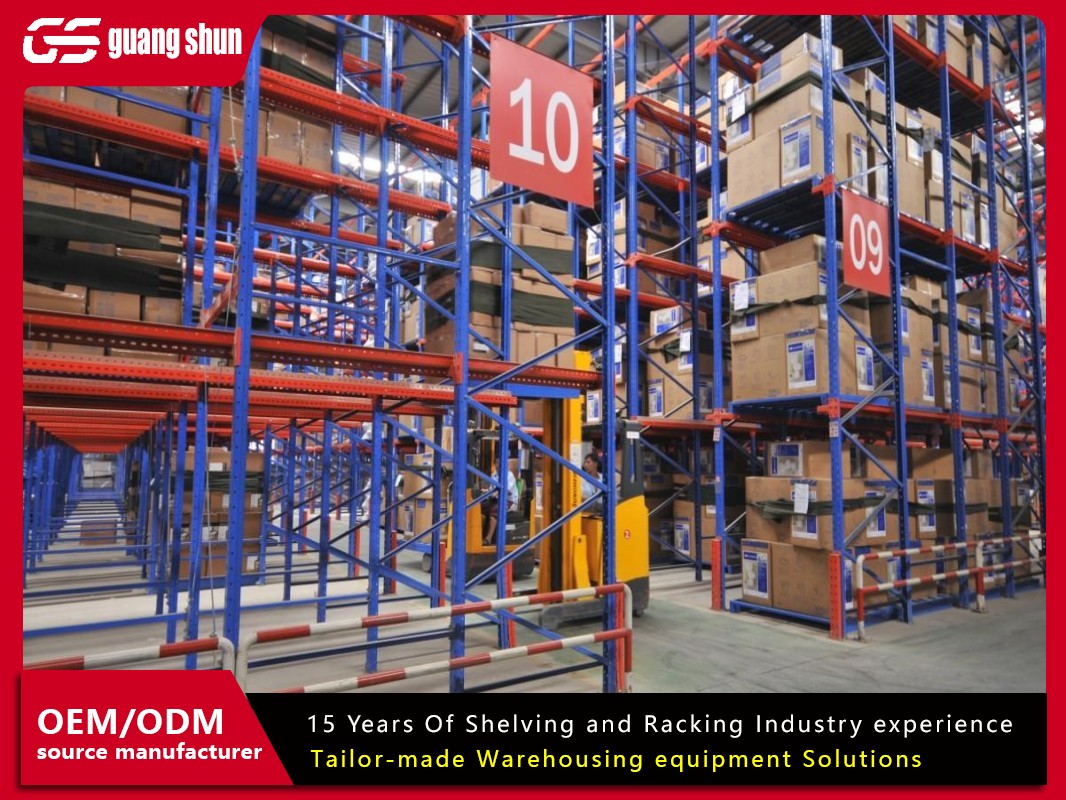
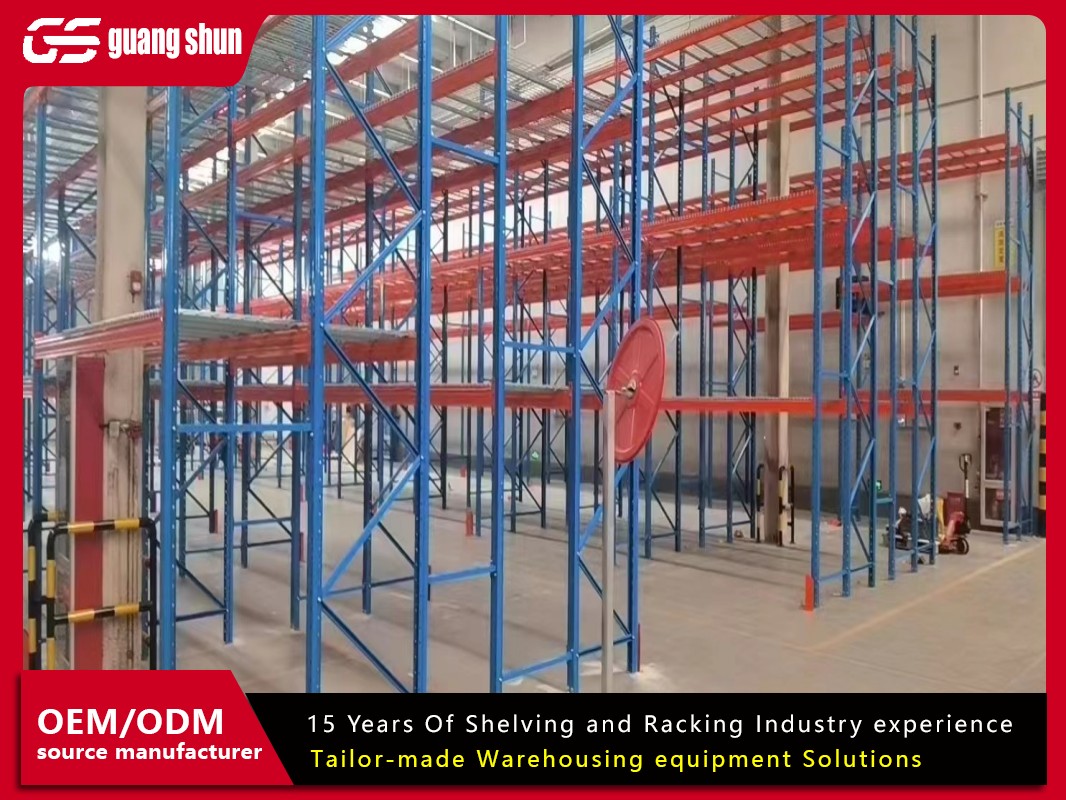
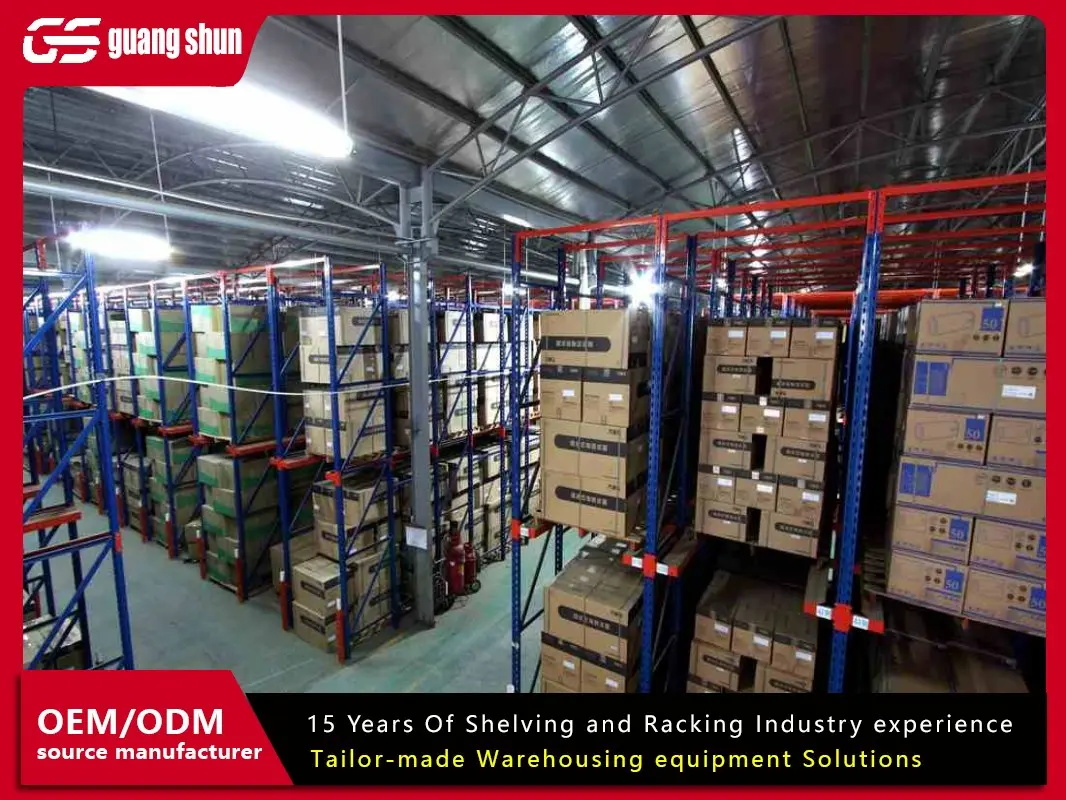
If you're looking to organize your storage space, the question of warehouse shelving cost is likely at the top of your list. Getting a clear, upfront answer can be frustrating, as prices seem to swing wildly.
The truth is, there's no single price tag. The final cost of warehouse shelving is a blend of the shelving itself, its installation, and several often-overlooked factors.
This breakdown will walk you through what really drives the price, give you current price ranges, and highlight how to avoid budget surprises.
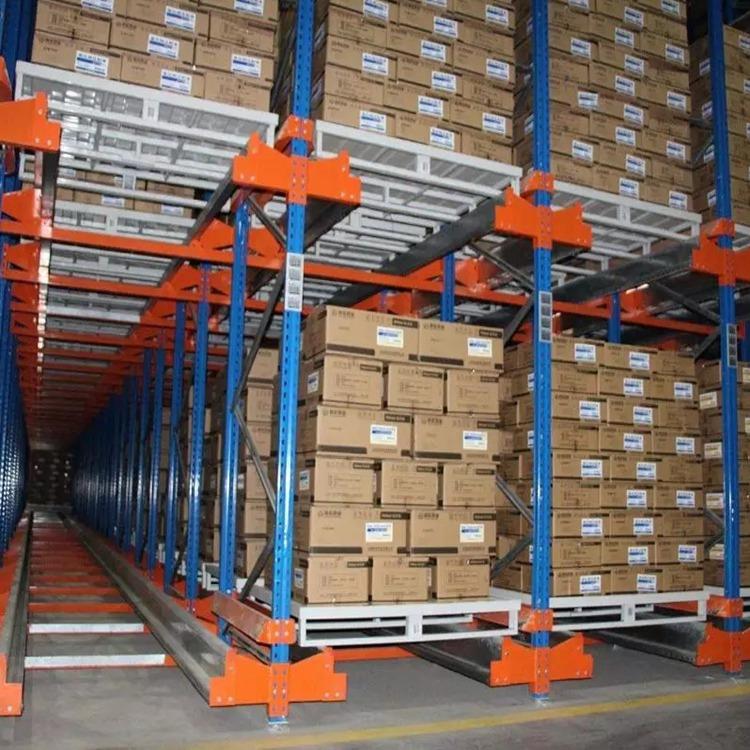
Your total warehouse storage cost is influenced by much more than just per-unit quotes. Understanding these factors helps you budget accurately and compare quotes fairly.
Material and Build Quality. This is the biggest driver. Heavier-gauge steel costs more but supports greater weight and lasts longer. The difference between light-duty boltless shelving and heavy-duty structural pallet racking is substantial in both price and capability.
Type of Shelving System. A simple set of boltless shelves for boxes has a completely different price point than a towering pallet rack system for forklifts. The system you need dictates the base material and engineering required.
Size and Scale of Your Project. Quantity matters. Purchasing a few shelving units will have a much higher cost per unit than outfitting an entire warehouse. Large projects benefit from economies of scale.
Customization and Complexity. Standard sizes are cheapest. If you need unusual dimensions, special cutouts, mezzanines, or complex configurations, prepare for added engineering and fabrication expenses.
Installation Requirements. Can your team assemble it with basic tools? Or does it require certified installers with heavy equipment? Professional installation adds to the total shelving investment but ensures safety and correctness.
Here’s a closer look at average costs for the most common systems. Remember, these are estimated price ranges for materials only; installation is extra.
This is your typical clip-in shelving, ideal for boxes, tools, and lighter parts.
These are sturdy, welded units that handle heavier, uniform loads.
The backbone of most warehouses for storing goods on pallets.
These add a second or third level, effectively doubling your floor space.
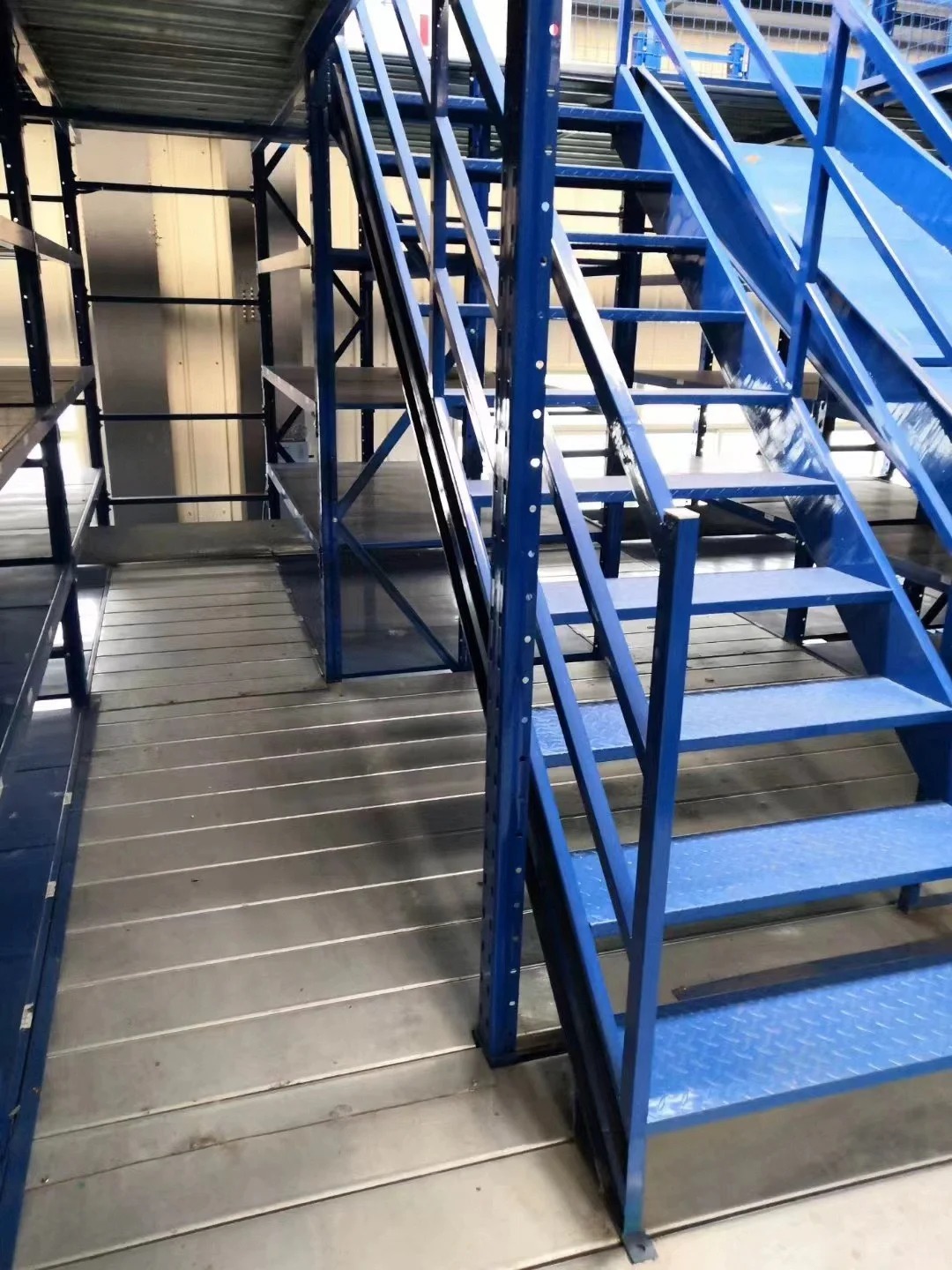
The shelving units are just one part of the total shelving investment. Ignoring these items can derail your project.
Site Preparation. Is your floor level? Installation may require grinding or shimming. You might need to paint floor markings or relocate existing utilities. These prep costs add up.
Delivery and Freight Charges. Shelving is heavy and bulky. Freight costs can be substantial, especially for large orders or remote locations. Always ask if quotes are FOB (you pay freight) or delivered.
Professional Installation Fees. Unless it's simple boltless shelving, professional installation is wise. Fees can range from 20% to 40% of the material cost for complex rack systems. It's a key part of warehouse shelving cost.
Permits and Safety Compliance. Some localities require permits for storage rack installations, especially tall ones. Safety upgrades like post protectors, aisle guides, and rack guards are essential but add to the price.
Future Maintenance and Relocation. Budget for occasional inspections and tightening. If you plan to move, factor in disassembly and reassembly costs, which can be nearly as high as initial installation.
A strategic approach can optimize your warehouse shelving cost without sacrificing quality or safety.
Conduct a Thorough Needs Analysis. Before getting quotes, know exactly what you need to store (weight, dimensions), your required access, and your future growth plans. This prevents overbuying or under-specifying.
Compare Quotes on a "Total Project" Basis. Don't just compare unit prices. Get detailed quotes that include all delivery, installation, and ancillary costs. This gives you a true apples-to-apples comparison of shelving system prices.
Consider Refurbished or Used Pallet Racking. For standard selective pallet rack, quality used or refurbished racks can offer savings of 30-50% over new. Ensure they are professionally inspected and come with current load ratings.
Phase Your Installation. If budget is tight, install the core system you need now with a clear plan for easy, cost-effective expansion later. This spreads out the capital expenditure.
Prioritize Safety Over Short-Term Savings. Choosing weaker beams to save money or skipping professional installation for a complex system risks product damage, injury, and massive liability costs. It’s the worst place to cut corners.
Viewing warehouse shelving cost as a pure expense is a mistake. It's a capital investment in your operational efficiency.
The right system reduces wasted time searching for items, minimizes product damage, improves inventory accuracy, and maximizes your existing space. These benefits directly impact your bottom line.
When evaluating options, calculate not just the upfront price, but the long-term value. A slightly more robust system may have a higher initial cost of warehouse shelving, but its durability and flexibility could save you money for a decade or more.
Q1: What is the average cost per square foot for warehouse shelving?
A1: There's no reliable average, as cost is driven by type and height, not just floor space. A light-duty shelving bay might cover 20 sq ft and cost $400 ($20/sq ft), while a pallet rack position covering 10 sq ft might cost $500 ($50/sq ft). Focus on cost per storage location or bay.
Q2: Is it cheaper to install shelving myself?
A2: For basic boltless shelving, yes. For any pallet racking or structural system, professional installation is strongly recommended. Incorrect installation is a major safety hazard and can void warranties. The potential cost of collapse far outweighs the installation fee.
Q3: How much does used pallet racking typically cost?
A3: Used selective pallet racking can range from $100 to $400 per pallet position, depending on condition, height, and capacity. Always purchase from a reputable dealer who can provide current load capacity charts and ensure all components are undamaged.
Q4: Are there ongoing costs after installation?
A4: Yes. You should budget for periodic safety inspections (at least annually), replacement of damaged components immediately, and potential reconfiguration labor if your needs change. Think of it as minimal but essential maintenance.
Q5: Does the shelving type change the lead time, affecting project cost?
A5: Absolutely. Standard shelving might ship in a week, while custom mezzanines or specialized racks can have lead times of 8-12 weeks. Longer lead times can delay your entire operation, which is an indirect cost. Always confirm lead times during planning.

 Wechat
Whatsapp
Wechat
Whatsapp