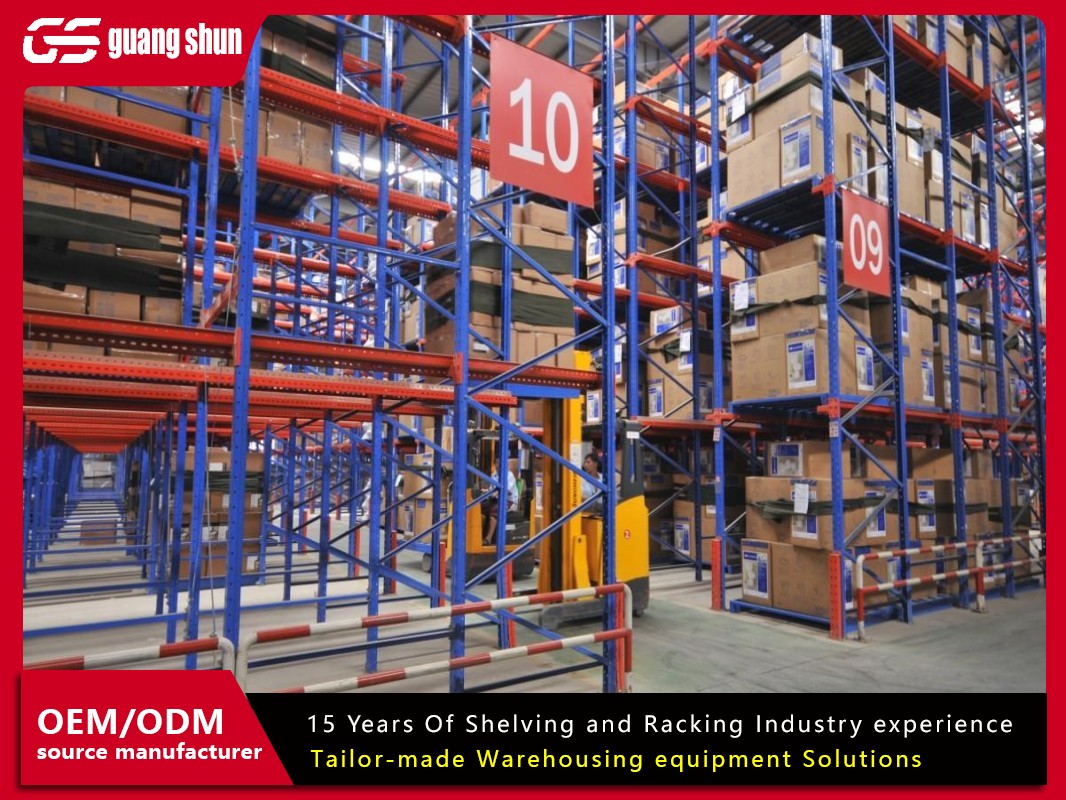
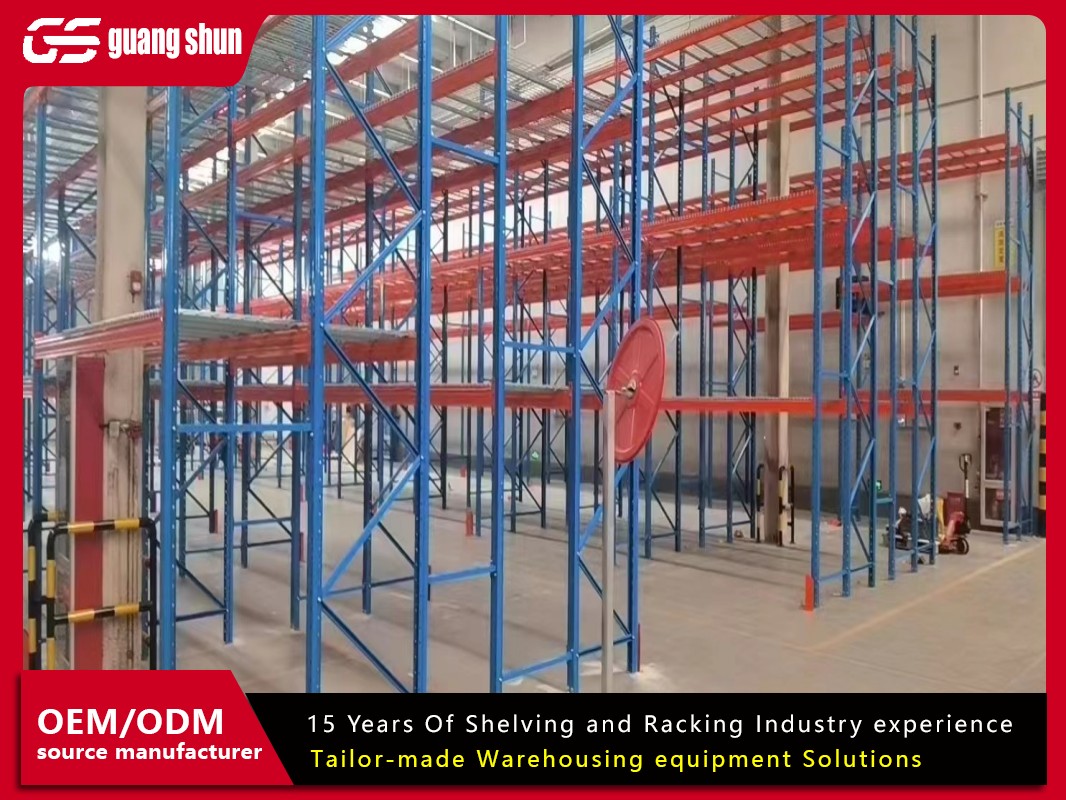
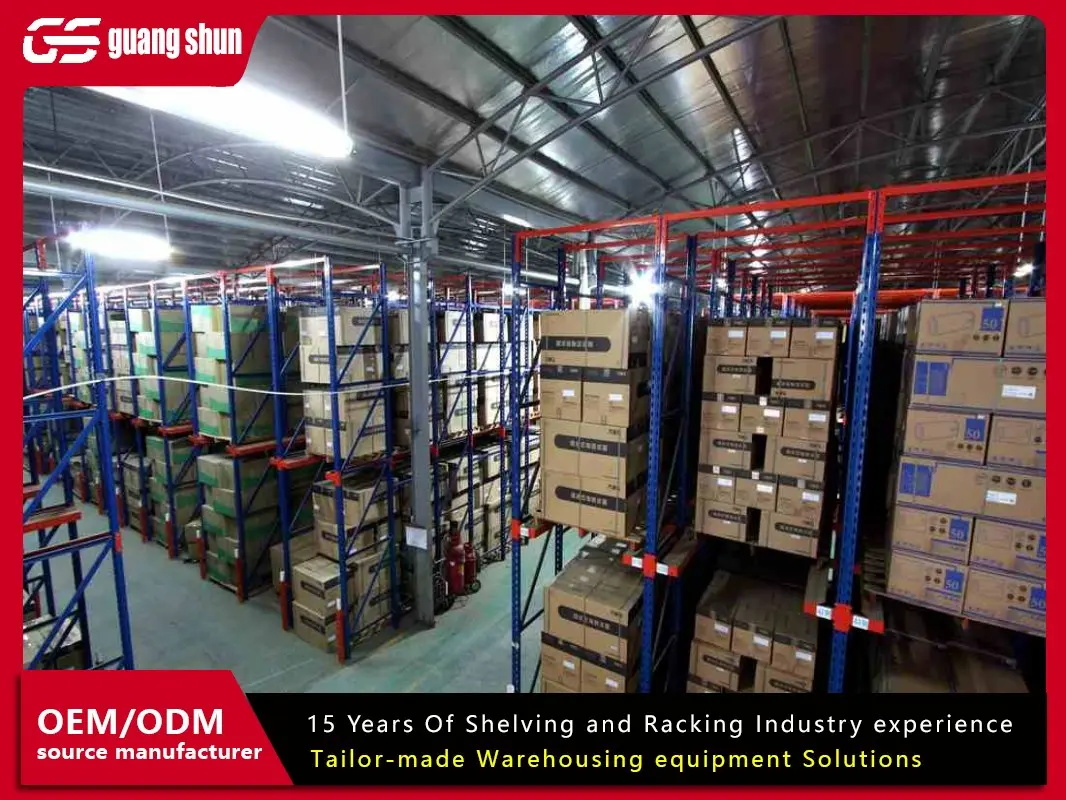
Pallet retrieval system technology represents the convergence of mechanical engineering, control systems, and warehouse operations. Unlike manual forklift-based retrieval, automated systems deliver consistent throughput, real-time inventory accuracy, and reduced labor dependency. This article provides a comprehensive technical analysis of pallet retrieval system architectures, covering automated storage and retrieval systems (AS/RS), shuttle-based solutions, control system engineering, and integration with warehouse management systems. Guangshun has engineered and integrated pallet retrieval systems across cold storage, automotive, and high-volume distribution centers, and the following insights derive from those implementations.
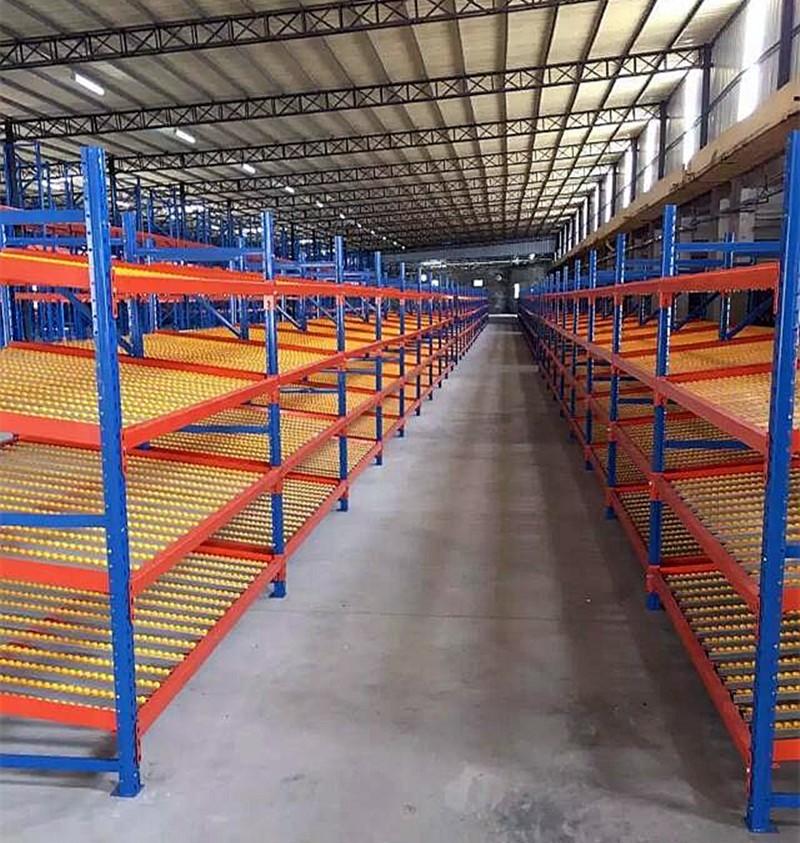
Pallet retrieval system architectures fall into several categories, each optimized for specific throughput requirements, storage density, and load characteristics.
AS/RS units are fixed-aisle cranes that travel on floor and top rails, retrieving pallets from rack structures. Key parameters include:
Single-mast cranes: Suitable for loads up to 1,500 kg; travel speeds up to 240 m/min horizontally, 60 m/min vertically.
Double-mast cranes: For loads up to 3,000 kg; increased stability at heights exceeding 25 m.
Rail-guided operation: Floor and top rails maintain precise alignment; positioning accuracy ±2–5 mm.
Throughput capacity: Typically 30–60 dual cycles per hour per crane.
AS/RS systems achieve the highest storage density (up to 95% space utilization) but require significant capital investment and extended implementation timelines.
Shuttle systems use battery-powered carts that travel within rack lanes, depositing and retrieving pallets. The shuttle is transferred between levels by vertical lifts. Characteristics:
Lane depth: Typically 10–40 pallets deep; FIFO or LIFO configurations.
Shuttle speed: 60–120 m/min; lifting speed 30–60 m/min.
Load capacity: 1,000–2,000 kg per shuttle.
Scalability: Additional shuttles can be added to increase throughput.
Shuttle systems offer higher throughput flexibility than AS/RS and are often used in cold storage and high-turnover distribution.
Satellite systems combine a main transfer vehicle with multiple sub-shuttles that operate within deep lanes. This architecture decouples horizontal and vertical movement, enabling very high throughput. Typical applications include large-scale e-commerce fulfillment and cross-dock facilities.
The reliability of any pallet retrieval system depends on robust mechanical design, precision manufacturing, and appropriate material selection.
Floor rails: Ground or fabricated steel sections; straightness tolerance ≤1 mm per 3 m; level tolerance ±0.5 mm per 3 m.
Top rails: Guide the mast and prevent sway; typically fabricated from structural steel channels.
Rail alignment: Laser-aligned during installation; verification with total station.
Expansion joints: Accommodate thermal movement in long aisles; spacing every 30–50 m.
Horizontal drive: AC motors with planetary gearboxes; frequency inverters for speed control.
Vertical drive: Rack-and-pinion or wire rope hoists; load-holding brakes (SIL3 rated).
Fork mechanisms: Telescopic forks or load-handling devices; tested to 1.5× rated capacity.
Wheel materials: Polyurethane-coated steel (quiet operation) or all-steel flanged wheels (heavy loads).
Single-deep forks: Standard configuration; extend into rack to retrieve single pallet.
Double-deep forks: Extended reach for two-deep storage; requires precise positioning.
Scissors mechanisms: For retrieval from multiple depths or satellite integration.
Guangshun's retrieval systems incorporate load detection sensors that verify pallet engagement before movement, preventing dropped loads.
Modern pallet retrieval system controls integrate PLCs, motion controllers, and warehouse management system (WMS) interfaces.
PLC platform: Siemens, Rockwell, or Beckhoff; safety PLCs (SIL3/PL e) for critical functions.
Motion controllers: Axis-level control for coordinated horizontal/vertical/fork movements.
Position feedback: Laser distance sensors (accuracy ±2 mm) or absolute encoders.
Communication: Profinet, EtherCAT, or Modbus TCP for real-time data exchange.
WMS interface: APIs (RESTful or SOAP) for order dispatching and inventory updates.
Material flow control (MFC): Coordinates multiple cranes or shuttles, optimizing task sequencing.
Real-time location system (RTLS): Tracks pallet positions with RFID or barcode scanning.
Performance monitoring: Dashboards display throughput, system availability, and maintenance alerts.
Light curtains: Protect access points to the aisle.
Safety PLC: Monitors door switches, emergency stops, and overspeed sensors.
Anti-collision sensors: Ultrasonic or laser scanners prevent crane-to-crane or crane-to-structure impacts.
Load stability sensors: Verify pallet stability before lifting.
Successful operation of a pallet retrieval system requires exceptional installation precision.
Column plumbness: ≤2 mm per 3 m height; overall ≤10 mm for 20 m height.
Rail straightness: ≤1 mm per 3 m; ≤3 mm overall for 100 m aisle.
Rail level: ±1 mm over 3 m; ±2 mm overall.
Beam elevation consistency: All beam faces within 3 mm across the entire system.
AS/RS systems require Superflat floors with F-numbers of FF 50–100 depending on crane type. For shuttle systems, FM2 or better (≤4 mm deviation over 3 m) is typically sufficient. Guangshun performs laser floor surveys before installation to verify conformance.
Foundations: Pile caps or reinforced slabs with embedded anchor channels.
Rack erection: Laser-aligned columns and beams; temporary bracing during assembly.
Rail installation: Precision-aligned using jigs and laser trackers.
Crane/shuttle installation: After rail verification; final alignment with rack.
Commissioning: Full-load testing, cycle testing, and safety system validation.
Different pallet retrieval system configurations suit specific operational profiles.
Automated retrieval systems in freezers reduce labor exposure to extreme temperatures and minimize refrigeration losses from open doors. Shuttle systems are particularly popular in cold storage due to their flexibility and lower capital cost than AS/RS. Guangshun has installed freezer-rated retrieval systems operating at -30°C with specialized lubricants and heated control enclosures.
E-commerce and retail distribution require high throughput with accurate inventory rotation. AS/RS with dual-cycle operation (deposit and retrieve in one cycle) can achieve 40–60 cycles per hour per crane. Multiple cranes in a single aisle (through-crane configuration) further increases throughput.
Automotive and electronics manufacturing use retrieval systems for just-in-time (JIT) delivery of components to production lines. Systems are integrated with manufacturing execution systems (MES) to synchronize material flow with production schedules.
Modern pallet retrieval system designs incorporate energy-saving features:
Regenerative drives: Capture energy during braking and lowering; reduces net consumption by 20–30%.
LED lighting: Motion-activated aisle lighting.
Optimized travel paths: Software reduces empty travel distances.
Cold storage insulation: Automated retrieval reduces door openings, cutting refrigeration energy by 15–25%.
Predictive maintenance maximizes system availability, typically targeting 98–99% uptime.
Monthly: Visual inspection of rails, wheels, and forks; lubricate bearings.
Quarterly: Check drive alignment; verify brake function; inspect electrical connections.
Annually: Full load testing; replace wear components; recalibrate sensors.
Rail wear: Replace or grind rails if wear exceeds 2 mm.
Encoder drift: Recalibrate positioning systems.
Fork mechanism wear: Replace load forks or bearings after specified cycles.
Communication faults: Check network cabling and PLC diagnostics.
Investment in a pallet retrieval system ranges from $3,000 to $8,000 per pallet position depending on configuration, height, and throughput requirements. Payback periods typically range from 3 to 7 years, driven by:
Labor reduction: Eliminate forklift operators; savings of $50,000–100,000 per shift annually.
Space savings: Higher density reduces building footprint; value of avoided construction.
Energy savings: Reduced lighting, HVAC, and forklift fuel/charging costs.
Inventory accuracy: Real-time tracking reduces safety stock by 10–20%.
Damage reduction: Eliminate forklift collisions; reduce product damage costs.
Pallet retrieval system technology has matured into a reliable solution for warehouses requiring high throughput, labor efficiency, and space optimization. From AS/RS cranes in high-bay facilities to flexible shuttle systems in cold storage, each configuration demands precision engineering, robust controls, and meticulous installation. Pallet retrieval system solutions from Guangshun integrate FEA-validated rack structures, high-performance drive systems, and WMS integration, supported by factory-trained installation and maintenance programs. By understanding the technical parameters above, facility managers can select a retrieval system that delivers consistent performance and measurable ROI.
A1: A single AS/RS crane typically handles 30–60 dual cycles per hour (deposit and retrieve). Shuttle systems can achieve 80–120 single cycles per hour per shuttle. Throughput scales with additional cranes or shuttles in parallel aisles.
A2: AS/RS uses fixed-aisle cranes that travel with the pallet; ideal for very high heights (up to 45 m) and uniform throughput. Shuttle systems use battery-powered carts that move within lanes, with separate vertical lifts; they offer higher flexibility and are often more cost-effective for cold storage and moderate throughput.
A3: AS/RS requires rail straightness ≤1 mm per 3 m, column plumbness ≤2 mm per 3 m, and beam elevation consistency within 3 mm across the system. Superflat floors (FF 50–100) are required for optimal crane performance.
A4: Yes, with freezer-rated components: low-temperature steel, special lubricants, heated control enclosures, and moisture-resistant sensors. Guangshun has installed retrieval systems operating at -30°C with documented reliability.
A5: Preventive maintenance includes monthly visual inspection of rails and forks, quarterly drive alignment checks, and annual load testing. Predictive maintenance using vibration analysis and thermal imaging can extend component life and reduce unplanned downtime.
A6: Payback periods typically range from 3 to 7 years, depending on labor costs, space constraints, and throughput requirements. In high-labor-cost regions or space-constrained cold storage, payback can be under 3 years.
---
For throughput analysis, engineering consultations, or to discuss
a pallet retrieval system project, visit Guangshun's automated storage page or contact our automation
specialists.

 Wechat
Whatsapp
Wechat
Whatsapp