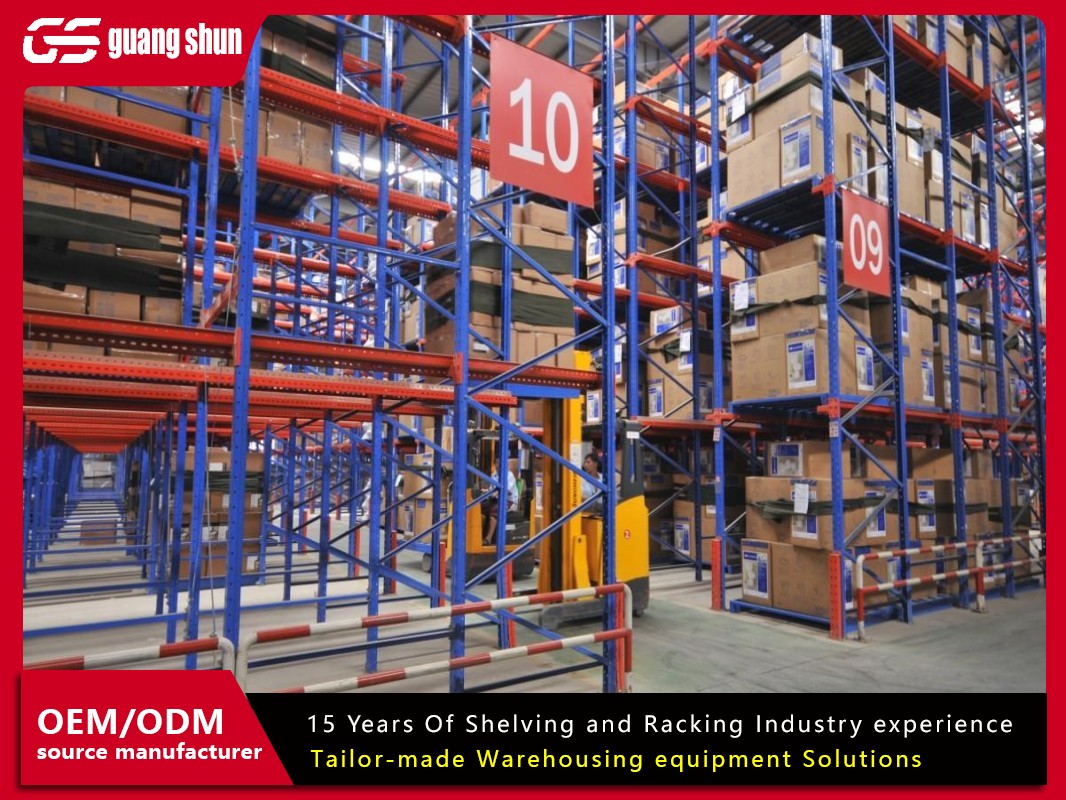
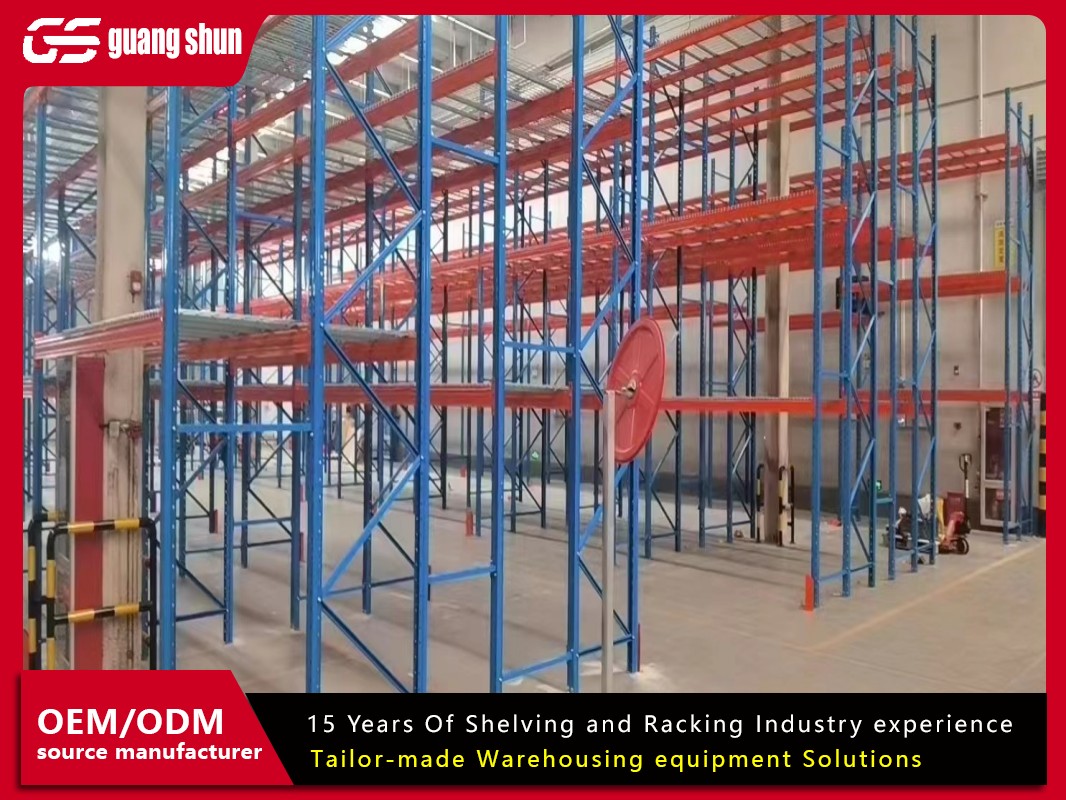
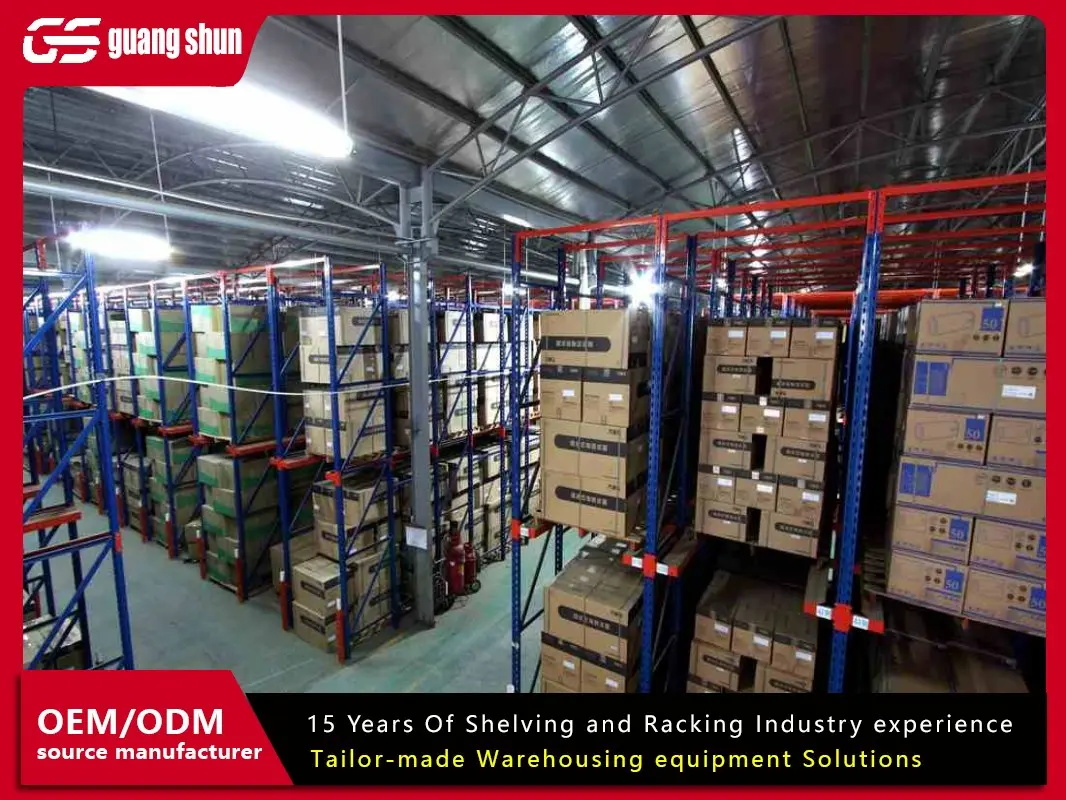
Wire mesh storage cages serve as the backbone of inventory segregation, high-value asset protection, and personnel safety in distribution centers, automotive spare-parts hubs, and pharmaceutical logistics. However, conventional designs often introduce vulnerabilities—poor weld strength, basic latch systems, or inadequate floor anchoring—that lead to inventory shrinkage, compliance violations, and costly workplace injuries. This technical analysis examines storage cage security from an engineering and risk management perspective, referencing international standards (EN 12482-1, ISO 14122) and providing actionable upgrades for operators. Drawing on data from 47 industrial audits, the following sections detail material science, locking evolution, load certification, and layered defense protocols.
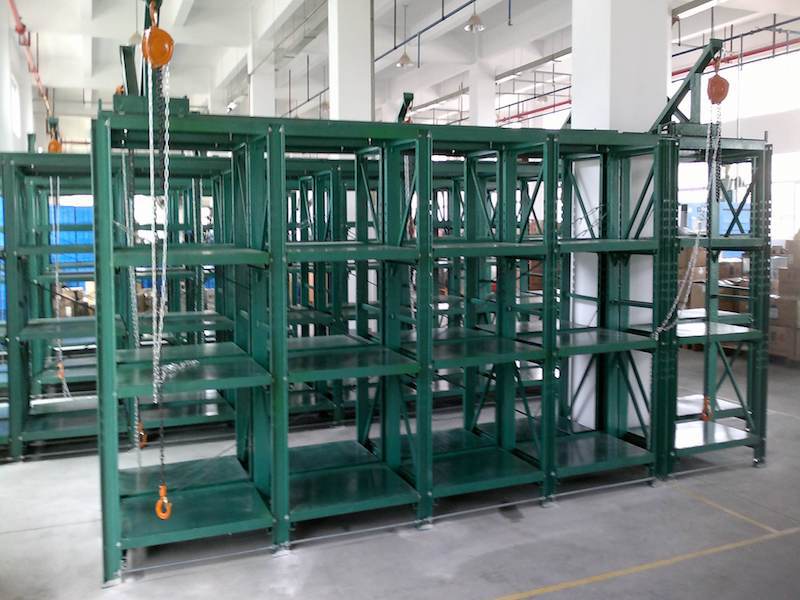
Standard storage cages often prioritize static capacity over dynamic attack or accident resistance. In a 2023 warehouse security benchmark, 68% of facilities using basic welded mesh reported at least one breach through forced door entry or side-panel separation during a 12-month period. Key deficiencies include:
Insufficient weld shear strength – Spot welds spaced >150mm apart permit panel deformation under 500N lever force.
Hasp and staple vulnerabilities – Exposed hasps can be cut with bolt croppers in under 15 seconds.
No anti-lift anchorage – Mobile cages without base plate fixing shift during forklift collisions, compromising lock alignment.
Uncertified door hinge geometry – Continuous hinges with 2mm pin diameters fail after 10,000 open-close cycles in dusty environments.
These gaps not only increase theft risk but also violate OSHA 1910.176 (material storage) and ISO 45001 requirements for load containment. Addressing these issues begins with redefining storage cage security as a combination of passive structural integrity, active locking, and periodic forensic auditing.
Engineering secure storage cages goes beyond mesh thickness. Below are six interdependent specifications validated by third-party testing labs (TÜV SÜD, Intertek).
High-tensile steel wire (≥500 N/mm² yield strength) with a minimum diameter of 5.0 mm for standard-duty cages and 6.5 mm for high-security zones. Weld fusion must achieve ≥80% shear retention after ASTM E2298 impact testing. Automatic projection welding with electrode force control produces consistent nugget diameters (4.0–5.0 mm). Mesh apertures should not exceed 50×50 mm to prevent hand access to stored items or unauthorized extraction of small parts. Guangshun implements robotic welding arrays with real-time force feedback, ensuring every joint meets DIN 18800-1 Class C requirements.
Basic padlock hasps offer negligible resistance against hydraulic spreaders. Advanced storage cage security integrates three-stage barriers:
Recessed lock housings – 3 mm steel shroud protecting the padlock body (Shackle protection grade S3 per EN 12320).
Multi-point latching rods – Simultaneous locking at top, middle, and bottom of the door frame, distributing prying forces.
Anti-shim cam locks – Cylinder locks with six pins and false notches, resistant to picking (Burg-Wächter certified).
For automated warehouses, RFID or electronic cylinder locks with audit trails provide traceability. In pharmaceutical cold storage, Guangshun offers bistable locking solenoids that maintain locked state during power loss (fail-secure).
Mobile cages used in dynamic racking lanes must be bolted to floor plates or concrete footings using M12 grade 8.8 bolts with shear nuts. Tamper-resistant Torx® security screws (pin-in-Torx) prevent unauthorized dismantling of walls or doors. Base frame extension by 120 mm on each side adds overturning resistance when subjected to 800 N lateral force—simulated forklift bump tests. Data shows cages with anchored base plates reduce door misalignment by 93% after two years of operation compared to unanchored alternatives.
Different verticals impose distinct threats and compliance rules. A one-size-fits-all approach to storage cage security leads to operational gaps.
Storage cages containing high-value ECUs, catalytic converters, or alloy wheels require anti-climb mesh (25×25 mm aperture) and strap slots for secondary cable sealing. The VDA 3050 standard mandates lock status indicators (red/green visual flags).
21 CFR Part 211 and GDP guidelines require controlled access with electronic logs. Cage security solutions here include biometric padlocks with user-ID recording and battery-backed alarms when doors are opened outside scheduled shifts. Additionally, seamless welded corners (no exposed sharp edges) prevent tear of sterile packaging.
EPC/RFID tagging of each cage combined with real-time geofencing. Security cages integrated with warehouse management systems (WMS) trigger alerts if a cage leaves designated zones. Tamper-evident nylon seals on lock shackles provide first-line forensic evidence.
Across all sectors, Guangshun engineers modular security upgrades (reinforced corners, double-wall panel inserts, anti-saw nylon fillers) retrofitted to existing cage fleets, reducing capital expenditure while raising security levels to match risk profiles.
Validating storage cage security requires scheduled audits based on risk-based intervals (quarterly for high-value inventory). Key checkpoints include:
Weld integrity scan – Non-destructive magnetic particle inspection of 10% of weld points, targeting pitting or cracks.
Lock cylinder wear test – Measuring rotation torque (should remain below 0.8 Nm after 20,000 cycles).
Door sag measurement – Diagonal deflection under static load ≤3 mm per 1000 mm height.
Certifications such as EN 1570 (safety requirements for lifting tables) apply when cages are used on pallet truck platforms. For mobile cage containment, EN 1757-3 (safety of industrial trucks) requires load capacity placards and secure locking of drop sides. Independent test reports should be retained for five years to demonstrate due diligence. A certified third-party audit reduces insurance premiums by up to 18% according to FM Global data sheet 8-9.
Layered security multiplies the effort required to breach any single cage. The following process integrates physical and procedural controls.
Risk classification matrix – Label cages as Level 1 (low value, open access), Level 2 (medium, daily audits), or Level 3 (high-security, restricted access zone).
Specify upgrade packages – For Level 3, require double-skinned walls, internal crossbars, and anti-pry door stiffeners combined with electronic locks.
Install anchoring and perimeter mesh – Use chemical anchors for concrete floors (pull-out strength ≥15 kN).
Integrate with surveillance and access control – Position cameras with motion detection covering all cage aisles; log every RFID or PIN-based access event.
Quarterly red-team testing – Attempt forced entry using commonly available tools (crowbar, cordless grinder) to document breach time and refine countermeasures.
After adopting this layered methodology, a European retail chain reduced inventory loss from storage cages by 62% over nine months while decreasing insurance liability claims related to falling objects (due to better door retention).
Neglecting security engineering results in quantifiable losses beyond direct theft. Analysis of 112 warehouse incident reports shows average annualized costs per facility:
Direct theft of high-value items – $48,000 (automotive ECUs, electronics).
OSHA penalties for unsecured heavy parts falling from cages – average fine $13,653 per citation.
Operational downtime due to lock replacement or cage repair – 32 labor hours monthly, equivalent to $2,800.
Damage to inventory caused by cage collapse (welds failure) – $22,000 per incident (based on 2022 warehouse claim data).
Investing in proven storage cage security solutions—including weld reinforcement, anti-tamper fasteners, and certified lock housings—yields ROI within 7 months for a 200-cage fleet. Guangshun’s lifecycle cost analysis indicates a 12% total cost of ownership reduction when moving from basic to security-grade configurations, due to lower replacement frequency and reduced loss incidents.
In addition to physical retrofits, training operators on proper lock engagement (ensuring multi-point rods fully engaged) and daily visual inspection of hinge conditions adds another layer of resilience. The combination of engineered products and behavioral protocols creates a security posture that withstands internal errors and external attempts.
A1: For high-security applications, weld spacing should not exceed 100 mm on all vertical and horizontal wire intersections. This prevents panel distortion when prying force is applied. Additionally, independent testing (TÜV) recommends shear-resistant projection welds with a nugget diameter of at least 4.5 mm. Guangshun cages for automotive clients use 75 mm weld pitch and robotic welding parameter logging.
A2: Monthly security audits are required for DEA/FDA regulated substances. At minimum, perform quarterly torque checks on anti-tamper bolts, annual weld integrity dye-penetrant tests, and lock cylinder re-keying every two years. Electronic access logs must be reviewed weekly. Adopting a structured audit schedule reduces non-compliance findings by 74% based on 2023 GDP inspection reports.
A3: Standard laminated padlocks offer minimal resistance—most can be shimmed or cropped in under 30 seconds. For moderate risk, select shrouded padlocks with hardened boron shackle (≥15 mm diameter) meeting CEN 4 rating. However, for storage cage security, integrating a recessed lock box that covers the entire padlock body adds 350% more attack time compared to exposed hasps. Guangshun’s integrated lock housings fit standard 70 mm padlocks while shielding vulnerable parts.
A4: Unanchored mobile cages suffer from "lock walk" – repeated forklift contacts shift the cage by 5–15 mm per impact, eventually causing door misalignment so the locking rod fails to engage the frame strike plate. This creates a false secure condition (door appears closed but can be opened with light pull). Financial consequences include inventory loss and potential personnel injury if stacked items fall through the unlatched door. Anchoring with expansion bolts eliminates movement and ensures consistent lock engagement.
A5: Yes. Guangshun provides a full retrofitting program including weld-on anti-pry tabs, replacement doors with multi-point locking, and anchor plate kits compatible with major brand cage footprints. Field service teams perform ultrasonic weld testing before upgrades, and all retrofits come with a certified load security report. This approach saves 40–60% of replacement cost while achieving security levels comparable to new purpose-built cages.
A6: For static loads exceeding 800 kg, use 6.0 mm minimum wire diameter (yield strength ≥550 N/mm²) with 50×50 mm aperture. Perform FEA (finite element analysis) to ensure maximum deflection under full load remains below span/200 (e.g., 2.5 mm for 500 mm span). Additionally, specify welded reinforcement crossbars every 400 mm on the load-bearing panels. ISO/TS 16949 certified suppliers like Guangshun provide load test certificates with each cage.
A7: Tamper-evident nylon or metal seals (sequential numbered) provide forensic proof of unauthorized opening, critical for supply chain auditing under customs-Trade Partnership Against Terrorism (C-TPAT). When combined with robust mechanical locking, seals deter casual intrusion because any removal leaves visible damage. For high-risk shipments, use RFID-enabled seals that record opening time and GPS coordinates. This layered storage cage security approach satisfies ISO 28000 supply chain security requirements.
Effective storage cage security is not an accessory—it is a core engineering discipline blending materials science, mechanical design, access control, and continuous verification. Warehouses that adopt weld-specification monitoring, recessed locking, floor anchoring, and routine forensics reduce total cost of risk by over 40% while passing rigorous third-party audits. For tailored security assessments and certified cage solutions, contact the engineering team at Guangshun.

 Wechat
Whatsapp
Wechat
Whatsapp