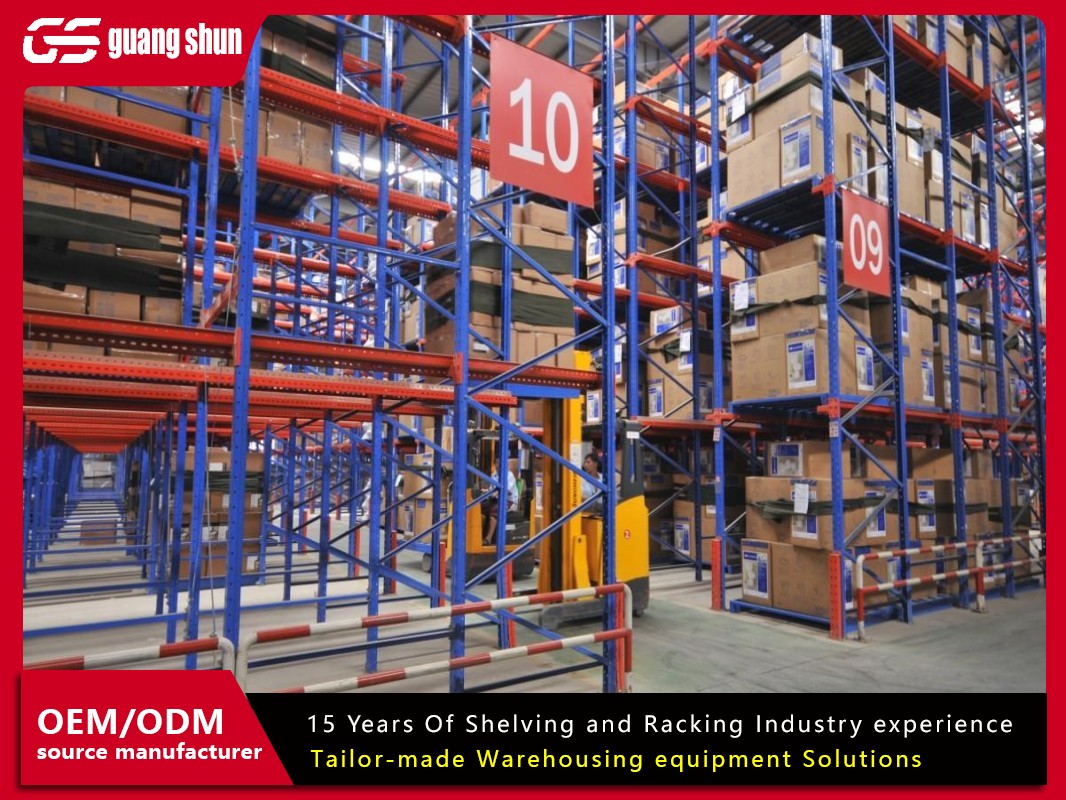
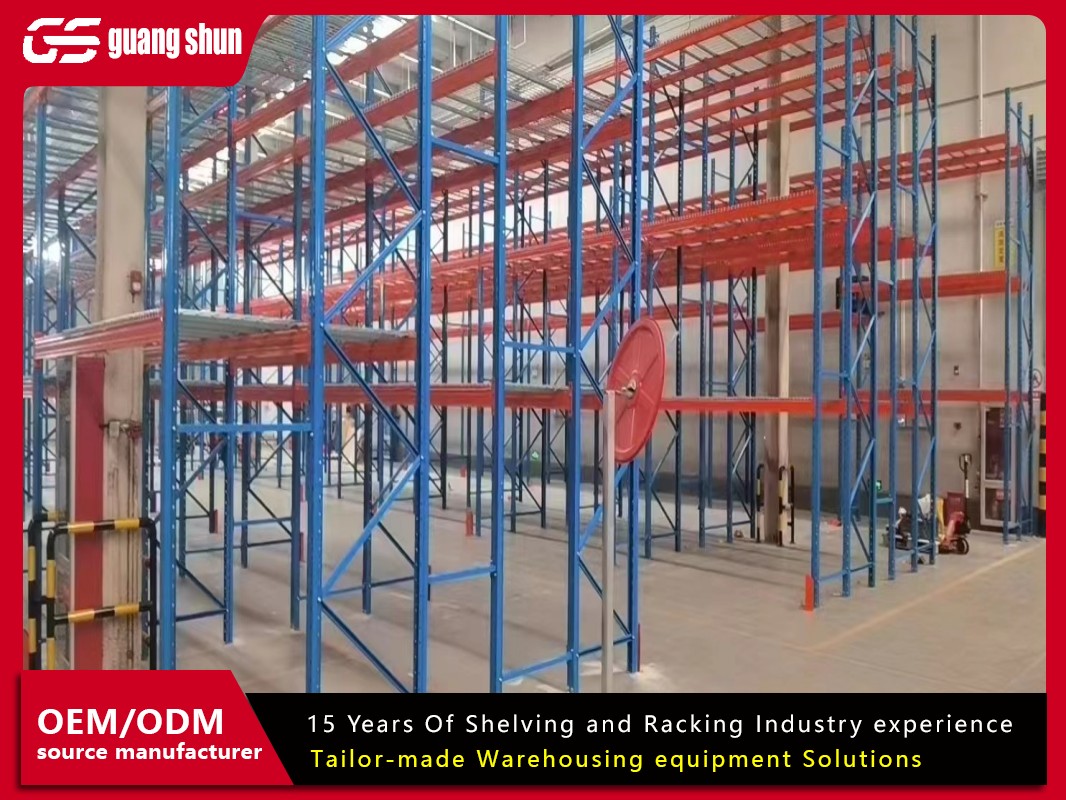
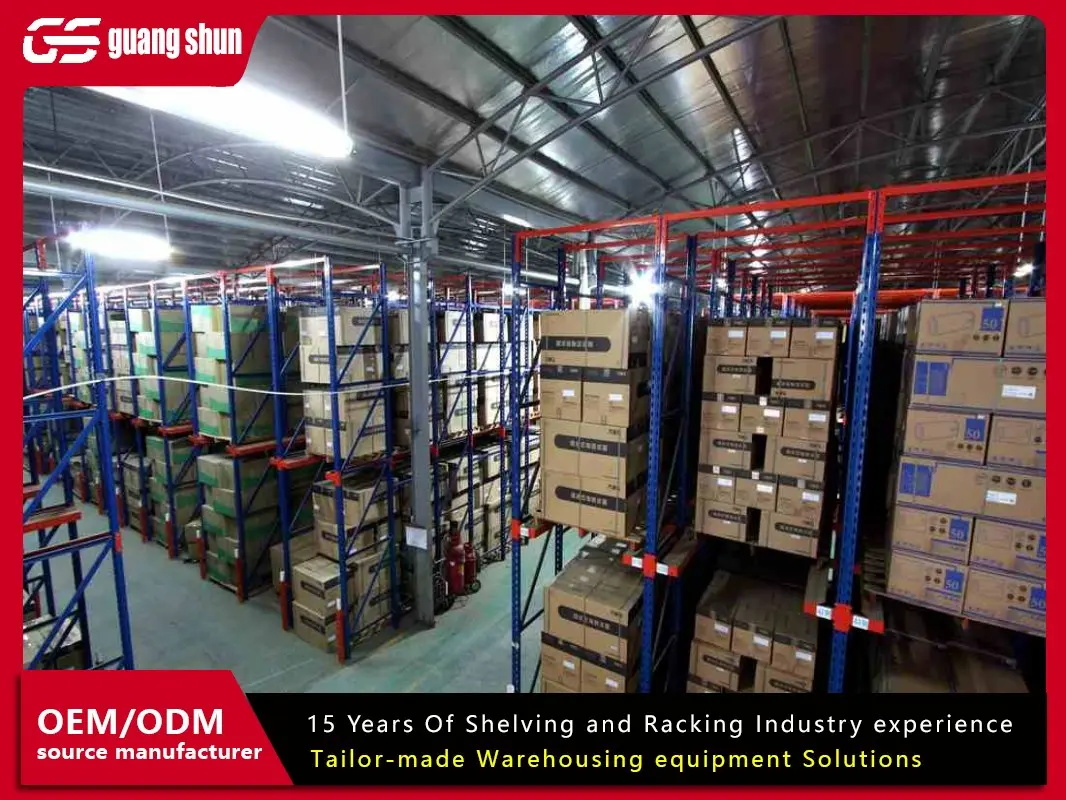
Warehouse managers and logistics professionals continuously face the challenge of balancing storage density with accessibility. Traditional pallet racking or bulk stacking often falls short when handling mixed SKUs, small parts, or high-turnover inventory. The metal storage cage with shelves has emerged as a versatile solution that bridges the gap between heavy-duty racking and bin shelving, offering modularity, visibility, and structural integrity. This article provides a comprehensive technical examination of these systems, covering material engineering, load calculations, application-specific configurations, and long-term maintenance strategies—grounded in real-world operational data.
Unlike open wire mesh containers that rely solely on floor stacking, a metal storage cage with shelves integrates fixed or adjustable shelf levels within a welded wire or perforated steel enclosure. This design enables tiered storage of items ranging from automotive components to electronic assemblies, while the cage structure itself provides containment, protection from impact, and stackability. With global warehousing capacity under pressure—industrial storage demand is projected to grow at 4.2% CAGR through 2030 (Frost & Sullivan)—the need for space-efficient, durable, and adaptable storage solutions has never been more acute.
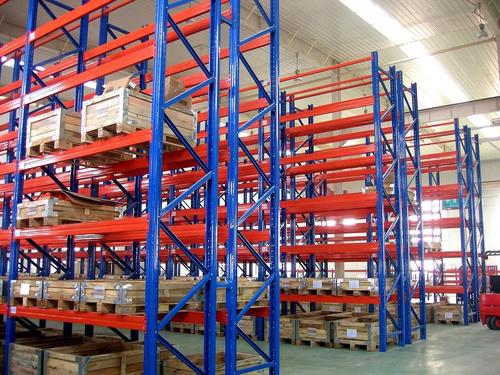
The performance of a metal storage cage with shelves hinges on three interdependent factors: material grade, structural geometry, and surface protection. Each parameter directly influences load-bearing capacity, service life, and compliance with workplace safety regulations such as OSHA and ANSI/MH16.1.
High-quality units are fabricated from cold-rolled steel (Q235 or equivalent), with wire diameters ranging from 4.0 mm to 6.0 mm for the mesh panels, and thicker profiles (2.0–3.0 mm) for the shelf decks and uprights. The choice of steel grade affects yield strength—typically 235–355 MPa—which determines the maximum static and dynamic loads the structure can withstand. Welding points are often robotically welded to ensure consistent penetration and fatigue resistance, a critical factor in high-frequency picking environments where vibration and impact are common.
Load ratings for a standard metal storage cage with shelves vary by configuration. A typical 1200×800×1800 mm unit with four shelf levels offers a per-shelf capacity of 300–500 kg (uniformly distributed) and a total cage capacity of up to 2000 kg when floor-supported. However, when cages are stacked two or three high—a common practice in cross-dock facilities—the column compression and base frame rigidity become paramount. Engineers calculate stackability based on the column's slenderness ratio and the base plate's bearing area, with safety factors of 2.5:1 applied to account for dynamic loads during forklift handling. For high-bay applications, some manufacturers offer reinforced corner posts with internal gussets, increasing stack height to four tiers without compromising stability.
Industrial environments expose storage equipment to moisture, dust, chemicals, and temperature fluctuations. The most robust systems undergo a multi-stage pre-treatment process—degreasing, phosphating, and passivation—followed by electrostatic powder coating with a minimum thickness of 60–80 µm. This coating provides salt spray resistance up to 500 hours (ASTM B117) and impact resistance of 2.5 J. For cold storage or high-humidity applications (e.g., food processing or pharmaceutical warehouses), hot-dip galvanizing after fabrication offers superior cathodic protection, though at a higher cost point. Selecting the appropriate finish directly correlates with the expected service life, which can range from 8 to 15 years under normal operating conditions.
One of the defining advantages of the metal storage cage with shelves is its modular design. Shelf levels can be repositioned in 25 mm or 50 mm increments to accommodate varying product heights, while the cage panels themselves are often removable via spring-lock or boltless connections, allowing flat-pack shipping and on-site assembly without specialized tools. This flexibility is particularly valuable for 3PL operators who reconfigure storage layouts frequently in response to client contracts. Additionally, optional accessories such as divider panels, label holders, and wheel kits (for tow-line or manual cart applications) extend the utility of the base cage, transforming it from a static storage unit into a dynamic material-handling asset.
The versatility of these storage systems is demonstrated by their adoption across a broad spectrum of industrial sectors. Each application imposes distinct performance requirements, from cleanroom-compatible finishes to heavy-duty impact resistance.
In automotive and aerospace manufacturing, work-in-process (WIP) inventory must be stored securely while remaining accessible to assembly line workers. A metal storage cage with shelves placed adjacent to production cells enables just-in-time (JIT) delivery of subassemblies, with each shelf dedicated to a specific part number. The wire mesh construction allows visual inspection of inventory levels without opening the cage, reducing cycle counting time by up to 30% compared to closed-bin systems. Moreover, the cages can be integrated with conveyor systems or AGVs, creating a seamless flow from raw material storage to finished goods staging.
E-commerce fulfillment centers handle thousands of SKUs with high velocity, requiring storage solutions that maximize cubic utilization while enabling efficient picking. The stackable nature of these cages allows facilities to utilize vertical space up to 6–8 meters when combined with rack-supported mezzanines. In a typical 10,000 m² distribution center, replacing floor-stacked pallets with metal shelf cages can increase storage density by 40–60%, as measured by pallet positions per square meter. Additionally, the open mesh design facilitates air circulation, which is beneficial for temperature-controlled environments where condensation and mold are concerns.
Automotive parts—ranging from brake rotors to exhaust systems—often have irregular shapes and high weights. The metal storage cage with shelves addresses this by offering reinforced shelf decks with anti-slip mats and side retention bars to prevent shifting during transportation. For aftermarket distributors, the cages serve as both storage and shipping containers, eliminating the need for repackaging when orders are picked. This dual-purpose functionality reduces handling touchpoints and lowers labor costs by an estimated 15–20% per order line.
Big-box retailers and wholesale clubs require bulk storage for promotional items and seasonal merchandise. Metal shelf cages provide a visible, secure, and pest-resistant storage environment that can be easily relocated using pallet jacks or forklifts. The shelves can be configured to store items of different sizes within the same footprint—for example, placing small electronics on upper shelves and bulky appliances on lower tiers—optimizing the use of available floor space while maintaining FIFO (first-in, first-out) inventory flow.
While the benefits are substantial, the decision to invest in these systems should be informed by a clear understanding of the operational challenges they resolve. Below are four persistent pain points in industrial storage, along with the specific mechanisms by which the metal shelf cage provides a solution.
Conventional storage methods—pallet racking, shelving, or floor stacking—often leave significant vertical and horizontal gaps. A metal shelf cage with adjustable levels eliminates wasted airspace by allowing users to tailor shelf heights to product dimensions. In a case study conducted at a Midwest automotive plant, switching from static shelving to adjustable metal shelf cages increased usable storage volume by 52% without expanding the facility footprint. The cages also enable high-density stacking, with some designs supporting up to four tiers of loaded units, effectively tripling the storage capacity of a given floor area.
Closed cabinets and solid-shelf racking obscure inventory, leading to overstocking, stockouts, and excessive cycle counting. The wire mesh construction of the metal storage cage provides unobstructed visual access to every item on every shelf. This transparency supports real-time inventory management using barcode or RFID systems, as tags can be read through the mesh without opening the cage. Many facilities report a 25–35% reduction in inventory discrepancy rates within six months of implementing these systems.
Unsecured items on open shelving or pallet racks are susceptible to falling, causing employee injuries and product damage. The cage structure acts as a physical barrier, containing items even during seismic events or accidental forklift impacts. Additionally, the shelf decks are designed with rolled edges and load-locking features that prevent individual shelves from dislodging under heavy loads. Compliance with OSHA's general industry standards (29 CFR 1910.176) is more readily achieved with these engineered systems, as they provide defined load limits and secure anchoring points.
Businesses face fluctuating demand, product mix changes, and seasonal peaks. Fixed racking systems are expensive and time-consuming to reconfigure. The modular nature of the metal shelf cage allows rapid reconfiguration—shelves can be repositioned in minutes, and entire cages can be relocated using standard material-handling equipment. This agility is critical for 3PL providers who manage multiple clients with diverse storage requirements, enabling them to respond to contract changes without capital-intensive infrastructure modifications.
Choosing the right system for your operation involves evaluating several technical and operational parameters. Guangshun, a leading manufacturer in the industrial storage sector, recommends a structured selection process that considers the following factors:
Guangshun offers a comprehensive range of metal storage cages with shelves, engineered to meet diverse industrial requirements. Their product line includes standard-duty, heavy-duty, and heavy-duty-plus configurations, with options for adjustable or fixed shelves, solid or mesh decks, and various surface finishes. The company's engineering team provides load calculation assistance and layout optimization as part of their pre-sales support, ensuring that each customer receives a solution tailored to their specific operational profile.
To maximize the service life and safety performance of your metal storage cage with shelves, a proactive maintenance program is essential. The following practices are recommended based on industry best practices and manufacturer guidelines:
Adherence to these maintenance protocols not only extends the lifespan of your storage equipment but also reduces the total cost of ownership (TCO) by minimizing downtime, repairs, and accident-related expenses. Guangshun provides detailed maintenance manuals and offers on-site training for their customers, reinforcing their commitment to long-term operational excellence.
A1: Load capacity varies by design and dimensions. Standard units typically offer per-shelf capacities of 300–500 kg, with total cage capacities ranging from 1500 kg to 3000 kg. Heavy-duty models can support up to 1000 kg per shelf and 5000 kg total. Always consult the manufacturer's load chart and consider dynamic loads during handling. For specific requirements, Guangshun offers customized engineering to match your exact load specifications.
A2: Yes, most manufacturers offer custom dimensions, including variations in length, width, height, and shelf spacing. Custom cages can be designed to fit irregular spaces, accommodate non-standard pallet sizes, or integrate with existing conveyor systems. Minimum order quantities may apply, and lead times vary based on complexity. Guangshun provides CAD drawings and 3D modeling to help customers visualize custom configurations before production.
A3: They enhance safety through several mechanisms: the cage structure prevents items from falling off shelves; the open mesh allows visual inspection without opening, reducing operator exposure to falling objects; stackable designs with locking mechanisms ensure stable tiering; and compliance with industry standards (OSHA, ANSI) provides a documented safety baseline. Additionally, the ability to secure cages to the floor or racking systems prevents overturning during seismic events or equipment collisions.
A4: Routine maintenance includes visual inspections for damage, cleaning to remove debris and corrosive substances, torque checks on fasteners (for bolt-assembled units), and touch-up of any surface coatings that have been compromised. It is also important to review load distribution and ensure that no cage exceeds its rated capacity. A documented maintenance schedule—daily, monthly, and quarterly—is recommended to ensure consistent performance and regulatory compliance.
A5: They can be used outdoors, provided they have appropriate corrosion protection. Hot-dip galvanized cages or those with heavy-duty powder coating (minimum 100 µm) are recommended for outdoor environments. Regular inspections for rust and coating degradation are essential, and additional protective measures—such as UV-resistant covers or placement under a roof—can extend service life in harsh climates. Always consult the manufacturer's recommendations for outdoor applications.
A6: Selection should be based on a comprehensive assessment of your operational requirements: item weight and dimensions, available floor space and ceiling height, environmental conditions, handling equipment, and budget. Start by calculating your maximum per-shelf and total load requirements, then determine the optimal cage size and shelf configuration. Consider future scalability and the need for accessories such as dividers, wheels, or label holders. Engaging with an experienced supplier like Guangshun can provide valuable guidance and ensure that the selected system aligns with both current and projected needs.
The metal storage cage with shelves represents a mature, engineering-driven solution to the complex storage challenges facing modern industrial facilities. Its combination of high load capacity, modular flexibility, and enhanced safety features makes it a versatile asset across manufacturing, logistics, automotive, and retail sectors. By understanding the technical specifications, application-specific configurations, and maintenance requirements outlined in this article, operations managers can make informed decisions that drive measurable improvements in storage density, inventory accuracy, and workplace safety. As the industry continues to evolve toward automation and data-driven logistics, the metal shelf cage remains a fundamental building block—adaptable, durable, and reliably effective.

 Wechat
Whatsapp
Wechat
Whatsapp