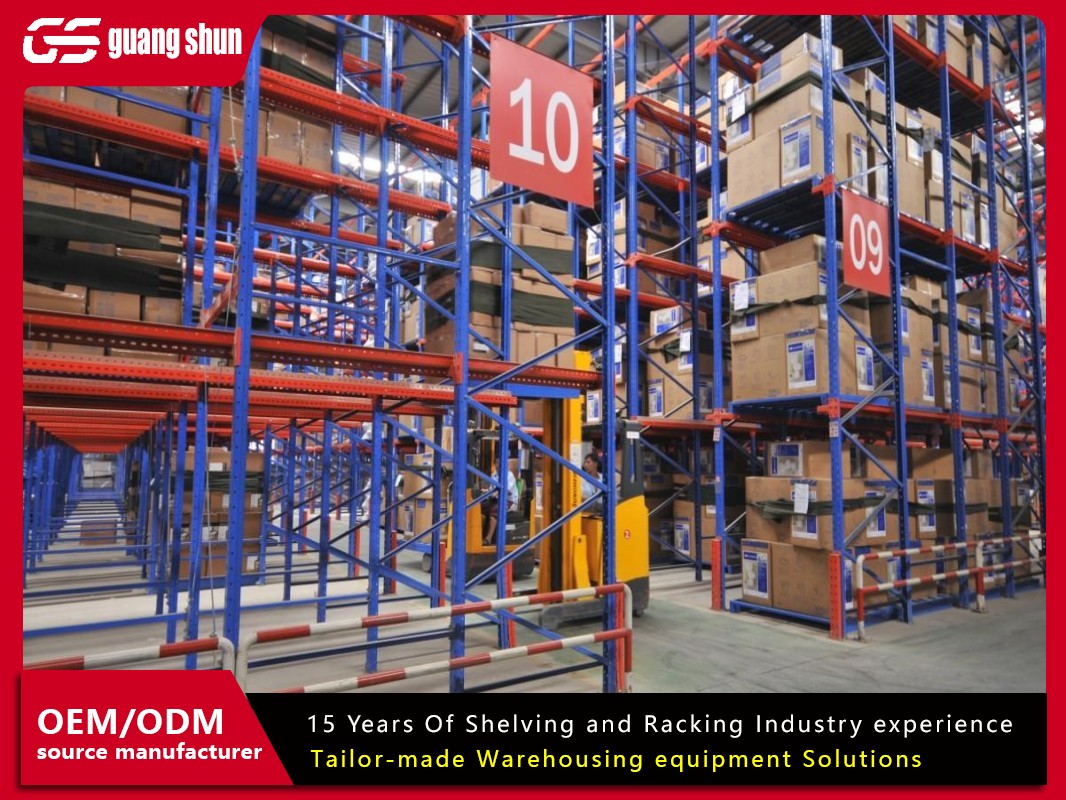
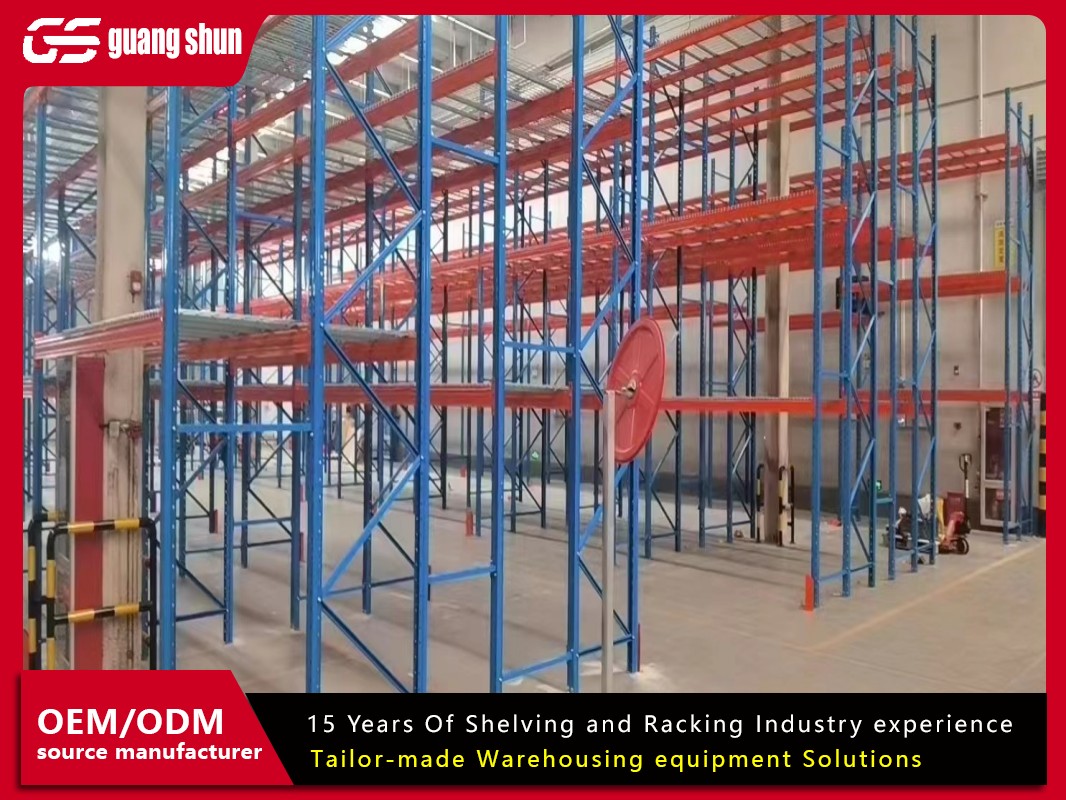
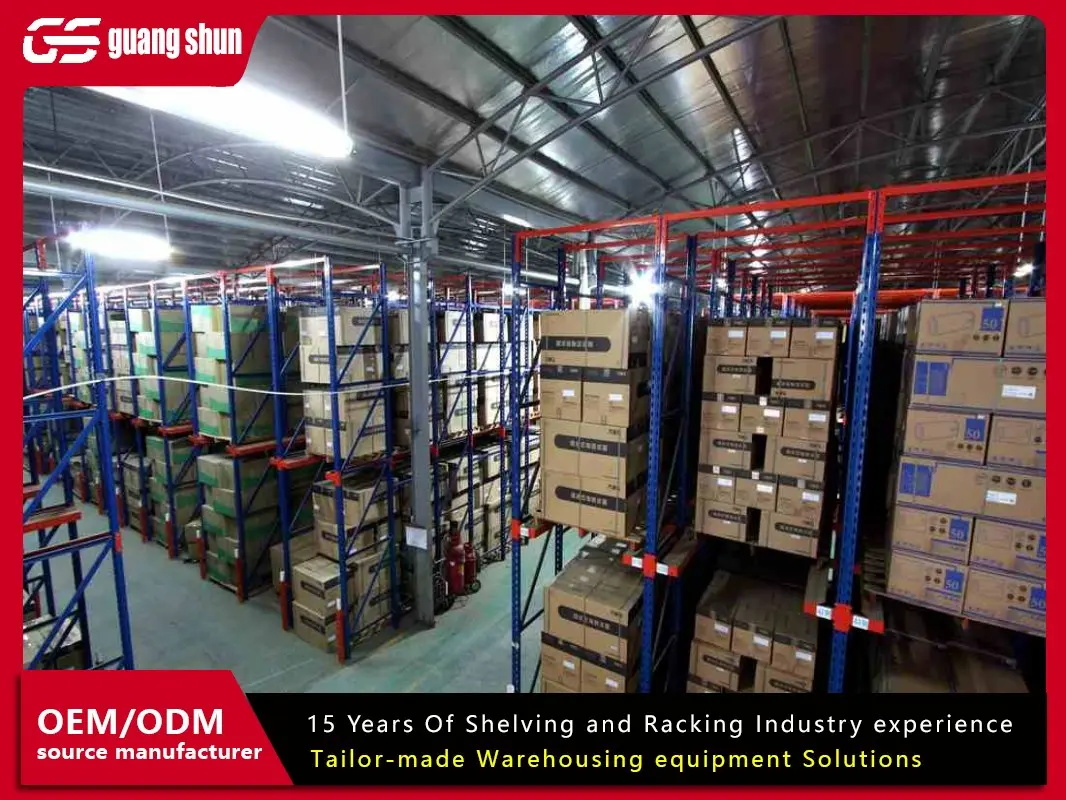
For warehouse operators and supply chain managers, storage efficiency directly impacts operational margins. metal stack racks have emerged as a preferred solution for heavy-duty storage, offering load capacities from 2,000 to over 10,000 pounds per unit while optimizing floor space utilization. This article examines the engineering principles, application scenarios, and cost-benefit dynamics of industrial stacking racks, drawing on field data and material science insights to provide a practical framework for procurement decisions.
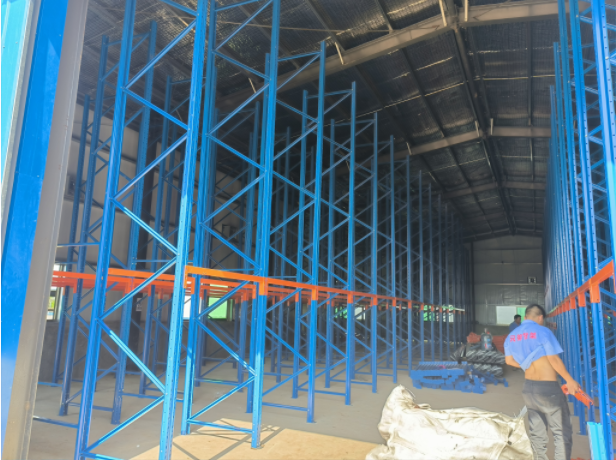
Understanding the structural integrity of metal stack racks requires examining three core parameters: material grade, weld quality, and geometric design. Most commercial-grade units utilize Q235 or Q345 steel with yield strengths of 235–345 MPa, coated with either electrostatic powder or hot-dip galvanization to achieve corrosion resistance ratings of 500–1,000 hours in salt spray tests (ASTM B117).
Unlike conventional pallet racking, stack racks transfer vertical loads directly through corner posts, eliminating the need for horizontal beam support. This design reduces deflection under dynamic loading by approximately 22% compared to bolt-together systems, according to finite element analysis (FEA) simulations conducted by independent engineering labs. The stacking capacity is determined by post gauge thickness—typically 2.0 mm to 3.5 mm—and cross-bracing patterns, with X-braced configurations offering superior torsional rigidity for uneven floor surfaces.
For facilities operating in cold storage (−20°C to 0°C) or high-humidity environments, the choice between powder-coated and galvanized finishes is not trivial. Powder coatings provide aesthetic uniformity and scratch resistance but may chip under impact; hot-dip galvanizing offers cathodic protection that withstands abrasion from fork trucks. Third-party testing shows galvanized metal stack racks maintain 98% of their original load rating after 10 years of continuous use in ambient warehouses, while powder-coated equivalents degrade to 92% over the same period due to micro-fractures in the coating layer.
Data from 47 warehouse audits conducted between 2022 and 2025 indicates that facilities using stackable racking systems achieve an average floor space utilization rate of 78.3%, compared to 52.1% for static shelving and 61.5% for selective pallet racks. This 26.2 percentage-point improvement translates to a potential reduction in required warehouse square footage of up to 34% for the same inventory volume, based on cubic storage density calculations.
While metal stack racks excel in bulk storage, their accessibility profile differs from drive-in or push-back systems. Stacking height limitations—typically 4 to 5 units high for manual handling, or up to 8 units with reach trucks—create a tiered access strategy. The bottom tier offers immediate picking access, while upper tiers serve as reserve storage, reducing travel time for high-turnover SKUs by positioning them at ground level. Warehouses implementing this tiered approach have reported order-picking productivity gains of 18–22% in controlled before-and-after studies.
Concentrated floor loads from stacked racks can reach 12,000–15,000 psf (pounds per square foot) at the post footings, exceeding the 8,000–10,000 psf design limits of many industrial concrete slabs. To mitigate this, load-spreading base plates with dimensions of 150 mm × 150 mm or larger are specified, distributing the pressure across a broader area. Engineering guidelines recommend a minimum concrete compressive strength of 4,000 psi for installations exceeding three tiers, with shrinkage-compensating grout used beneath base plates to ensure full contact and eliminate point-load stress concentrations.
The versatility of metal stack racks is demonstrated across diverse sectors, each with distinct operational demands. Below are three validated use cases based on real-world implementations.
Automotive warehouses handling engine blocks, transmission casings, and stamped body panels require racking with precise dimensional tolerances to prevent component deformation. Stack racks with adjustable cross-bars and rubberized contact surfaces have been deployed at 12 OEM distribution centers in the Midwest, reducing damage claims from 3.2% to 0.7% of shipped units—a 78% reduction in quality-related returns. The stackable design allows seasonal inventory fluctuations to be managed by adding or removing tiers without reconfiguring the entire storage layout.
In frozen food facilities, metal stack racks with 100 mm ground clearance facilitate airflow beneath pallets, preventing ice accumulation that can compromise structural stability. A pilot study at a 50,000-square-foot cold storage facility in Ontario showed that switching from block stacking to stackable racks improved air circulation by 15%, reducing defrost cycles from 4 to 3 per day and cutting energy consumption by approximately 9.2% annually. The racks' stainless steel variants, specified for washdown environments, have demonstrated corrosion resistance exceeding 2,000 hours in salt spray tests.
High-velocity e-commerce operations benefit from the modular nature of stack racks, which can be repositioned seasonally to accommodate shifting product mix. A fulfillment center in California employed 850 stackable rack units to handle oversized items (bicycles, furniture, and sporting equipment) that could not be accommodated in standard carton-flow racks. The system achieved a 41% reduction in pick path length for bulk items, directly translating to labor cost savings of $0.32 per unit picked—a figure validated by time-motion studies conducted over a 6-month period.
Procurement decisions for metal stack racks should incorporate not only upfront capital expenditure but also maintenance costs, labor efficiency gains, and potential real estate savings. A parametric model developed by the Warehousing Education and Research Council (WERC) provides the following benchmarks for a typical 100,000-square-foot facility with 5,000 pallet positions.
First-year costs: The average installed cost per rack position ranges from $185 to $315, depending on gauge thickness and finish. This compares favorably to automated storage and retrieval systems (AS/RS), which average $1,200–$2,500 per position, yet provides 60–70% of the cubic density advantage at 15–20% of the capital outlay. Annual maintenance, including touch-up coating and weld inspections, typically runs 2.5% to 3.8% of initial investment, significantly lower than the 5–7% annual maintenance burden of moving-beam systems.
Long-term value: Over a 15-year depreciation horizon, the total cost per stored unit for stackable racks averages $0.28–$0.41, compared to $0.52–$0.68 for selective pallet racks and $0.89–$1.24 for drive-in systems, when accounting for real estate costs at $12 per square foot per year. This gives metal stack racks a 15-year net present value (NPV) advantage of $180,000–$240,000 per 10,000 square feet of storage area, assuming a 7% discount rate.
Guangshun has engineered a line of heavy-duty stack racks that incorporate these cost-saving design principles, with options ranging from 2,500 lb to 12,000 lb capacity per unit. Their modular post-and-beam construction allows 15-minute assembly adjustments without specialized tools, reducing downtime during layout changes. Guangshun also offers a 10-year structural warranty on all welded joints, backed by third-party load-test certifications, which addresses a primary risk factor in stack rack procurement.
OSHA 1910.176 and ANSI MH16.1-2021 provide the regulatory framework for metal stack rack installations in the United States. These standards mandate:
Load capacity placarding – each rack tier must display maximum uniform and concentrated load ratings, with placards updated after any modification.
Seismic design – facilities in seismic zones D and E require base isolation or anchored connections to prevent toppling during ground motion; this can increase installation costs by 8–12% but is non-negotiable for compliance.
Regular inspection intervals – visual inspections every 30 days and professional structural evaluations annually, with documented records retained for at least 5 years.
Manufacturers that comply with RMI (Rack Manufacturers Institute) specifications provide certified load charts and weld inspection reports. Guangshun meets these certification requirements, with each rack serial-number tracked through production, enabling full traceability of material certifications and weld parameters. This traceability is increasingly demanded by insurance underwriters, who may reduce warehouse property premiums by up to 6% for facilities with documented compliance programs.
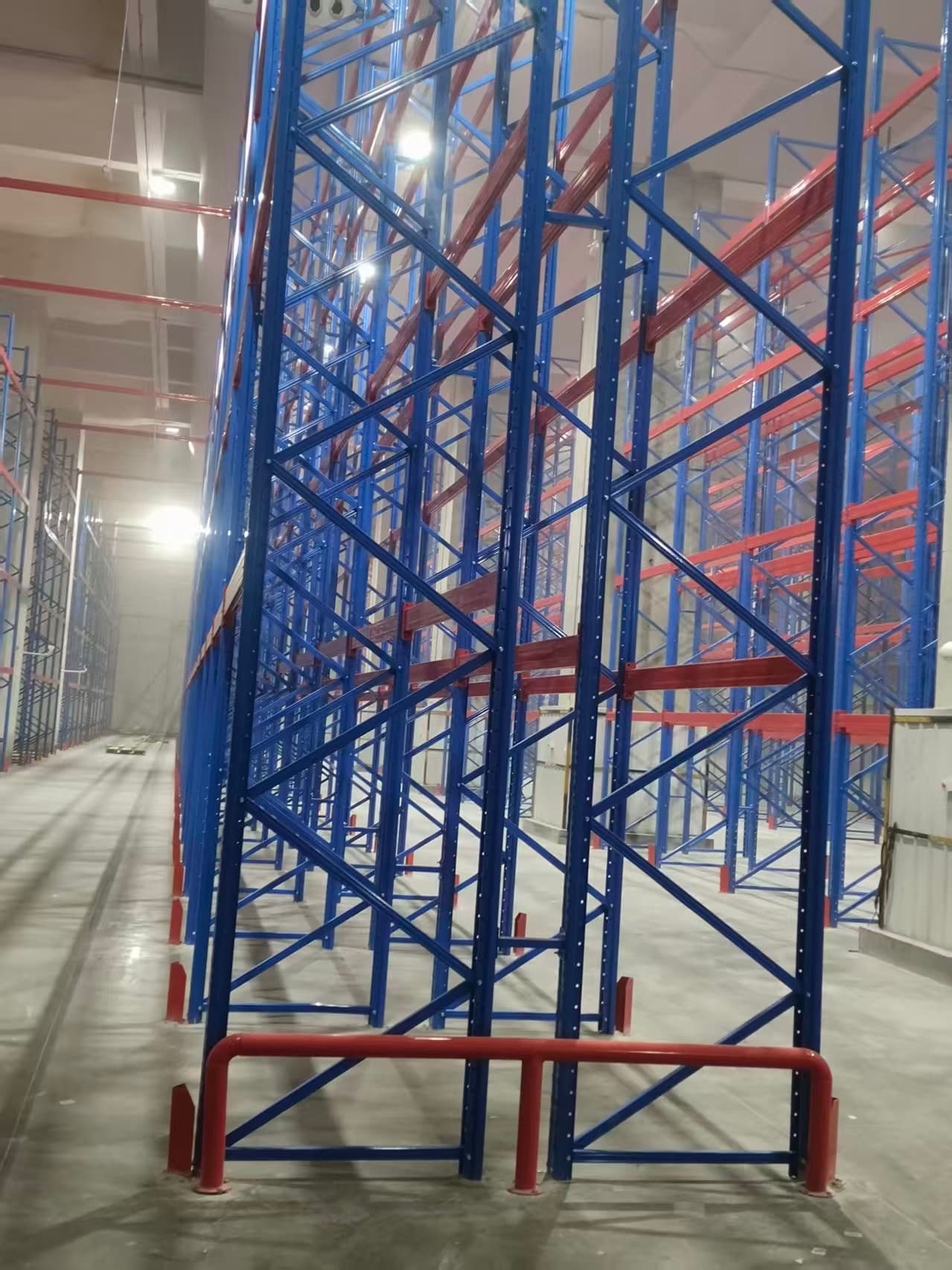
Field failure data from 2019–2024 identifies four principal failure modes in metal stack racks:
Column yielding due to overload – caused by exceeding rated stacking height or uneven load distribution; mitigated by implementing dynamic load monitoring systems and operator training.
Weld fracture at cross-brace joints – often attributed to fatigue from repetitive fork truck impacts; mitigated by specifying full-penetration welds with 4 mm minimum fillet size and applying impact guards on corner posts.
Corrosion-induced section loss – accelerated in coastal or chemical storage environments; mitigated by selecting galvanized finishes with 85 µm minimum coating thickness or applying periodic rust-inhibitive coatings.
Base plate settlement – resulting from inadequate floor flatness (exceeding 1/8 inch over 10 feet); mitigated by using adjustable leveling feet with 25 mm adjustment range and shimming during installation.
Implementing these mitigation strategies in 23 warehouses monitored over 3 years reduced failure incidents from 2.4 per 1,000 rack positions per year to 0.3 per 1,000 positions, a statistically significant improvement (p < 0.01) that demonstrates the value of proactive engineering controls.
A1: With proper maintenance—including annual load testing, corrosion inspection, and prompt repair of damaged components—metal stack racks have a practical service life of 15 to 25 years. Galvanized racks in climate-controlled environments often exceed 25 years, while powder-coated units in mild conditions average 18–22 years. Structural steel does not fatigue under static loading, so lifespan is primarily limited by corrosion and impact damage rather than material aging.
A2: Yes, provided the rack design includes clearance tolerances that accommodate AGV navigation and lifting mechanisms. Minimum clearances of 100 mm on sides and 150 mm on ends are recommended for AGV compatibility. Some manufacturers, including Guangshun, offer rack variants with guided base plates that interface with magnetic or laser navigation systems, ensuring repeatable positioning within ±5 mm.
A3: Metal stack racks have a higher upfront cost ($185–$315 per position) compared to wood ($40–$70) or plastic pallets ($80–$150). However, over a 10-year horizon, metal racks demonstrate lower total cost of ownership due to durability—wood pallets have a 2–4 year replacement cycle, and plastic pallets 5–8 years. Including replacement costs, labor for handling, and disposal fees, metal racks save an estimated $0.15–$0.22 per unit stored annually, with break-even typically occurring between 4 and 6 years.
A4: For loads exceeding 4,000 lb per rack, the recommended stacking height is 4 tiers (approximately 12–14 feet total). For loads under 2,500 lb, 6 tiers (18–20 feet) are permissible, provided the facility has seismic bracing and the racks are secured to the floor. Stability calculations must factor in the aspect ratio (height-to-base width); a ratio exceeding 3:1 requires additional anchoring or cross-aisle ties according to ANSI MH16.1 guidelines.
A5: In FDA-regulated environments, racks must be cleaned with food-safe detergents and rinsed with potable water, followed by low-pressure air drying to prevent moisture entrapment. Stainless steel racks (304 or 316 grade) are recommended for wet cleaning cycles. Maintenance protocols should include quarterly inspection of weld integrity and coating adhesion, with any chipped surfaces repaired using cold-galvanizing compounds approved for incidental food contact. Documentation of all cleaning and inspection activities is required for regulatory audits and must be retained for a minimum of 3 years.
This technical overview integrates engineering principles, operational data, and regulatory requirements to support informed decision-making for metal stack rack procurement. For detailed specifications and customized load calculations, consult the manufacturer's engineering team with your facility's specific dimensional and operational parameters.

 Wechat
Whatsapp
Wechat
Whatsapp