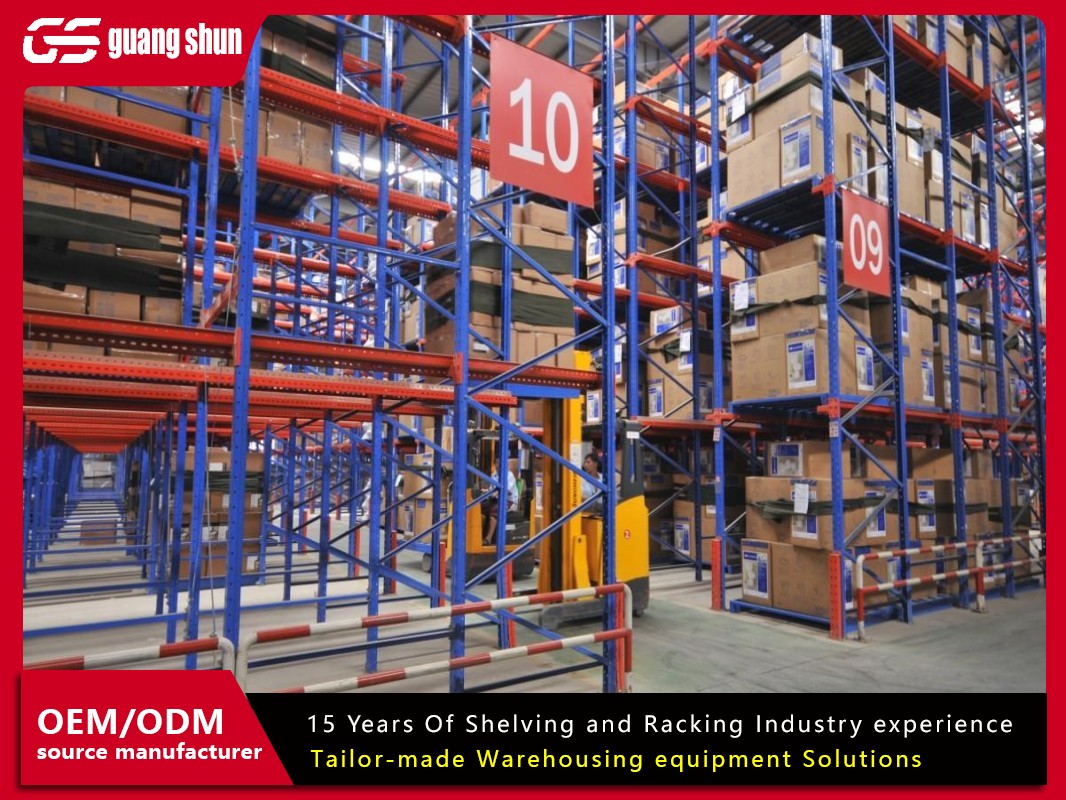
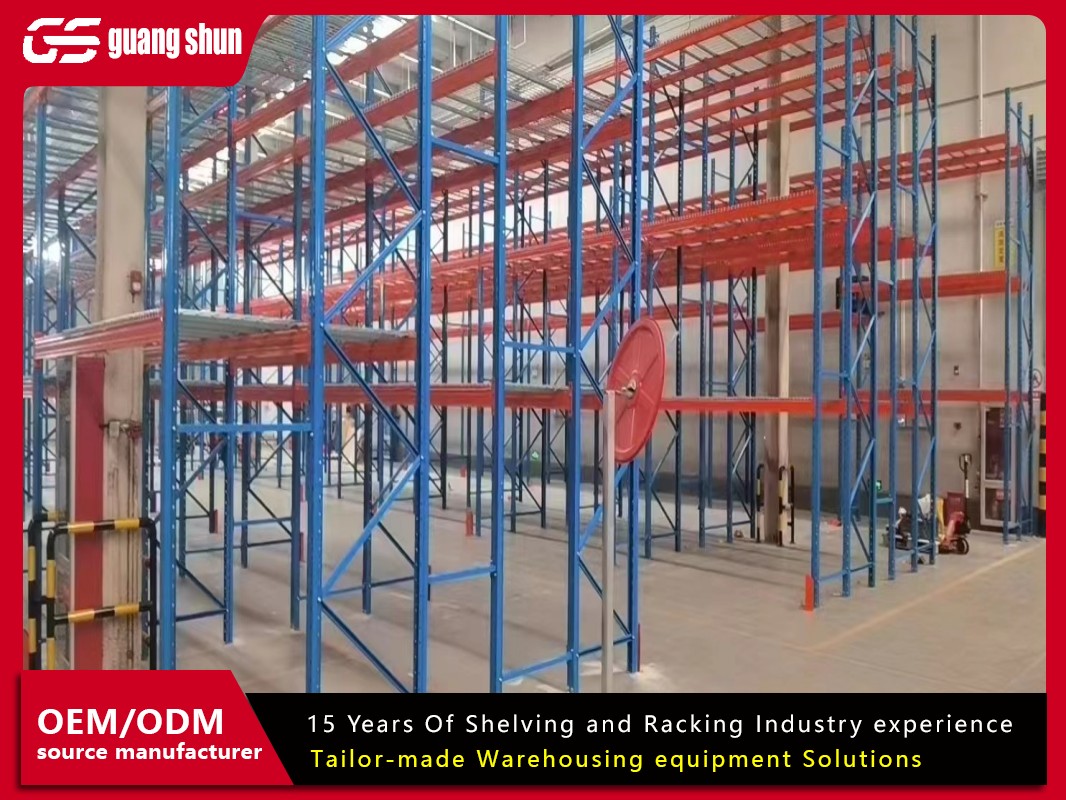
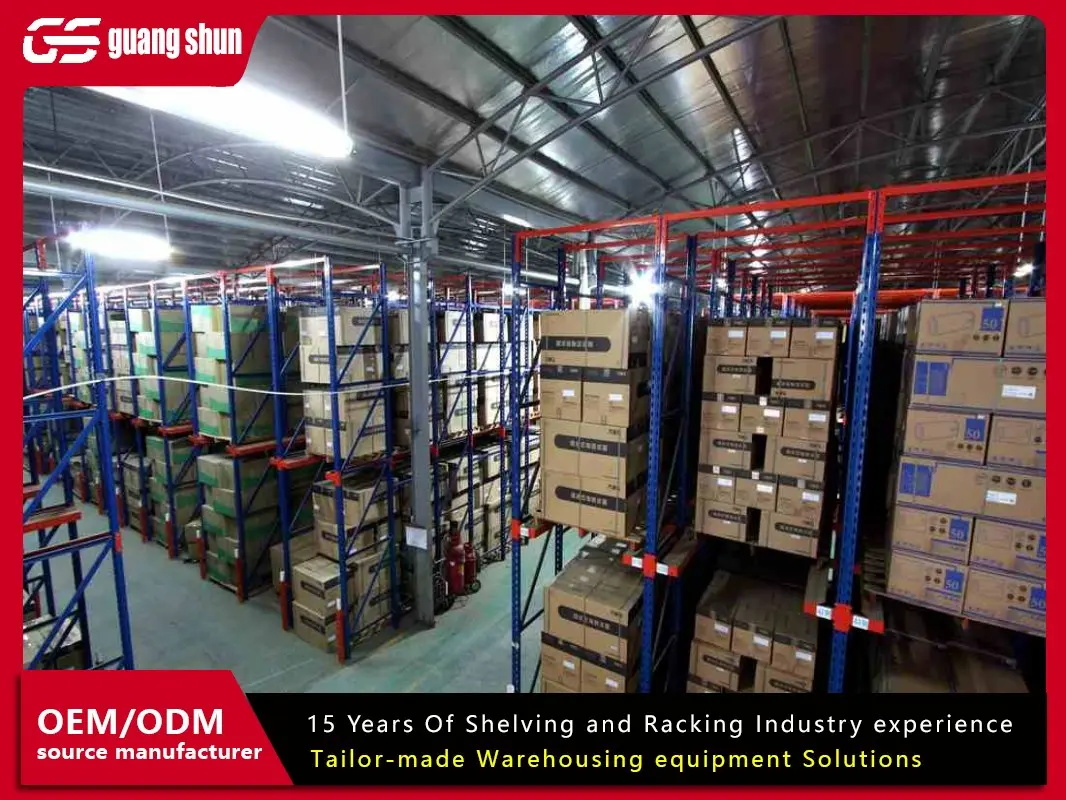
Industrial warehouses, distribution centers, and manufacturing facilities face persistent challenges in securing high-value inventory, managing space efficiently, and ensuring workplace safety. Metal security cages have emerged as a fundamental solution to these operational demands, combining physical deterrence with modular flexibility. This article examines the engineering parameters, material science considerations, load-bearing capabilities, and sector-specific applications of these storage systems, drawing on data from ISO standards, material testing protocols, and real-world deployment metrics.
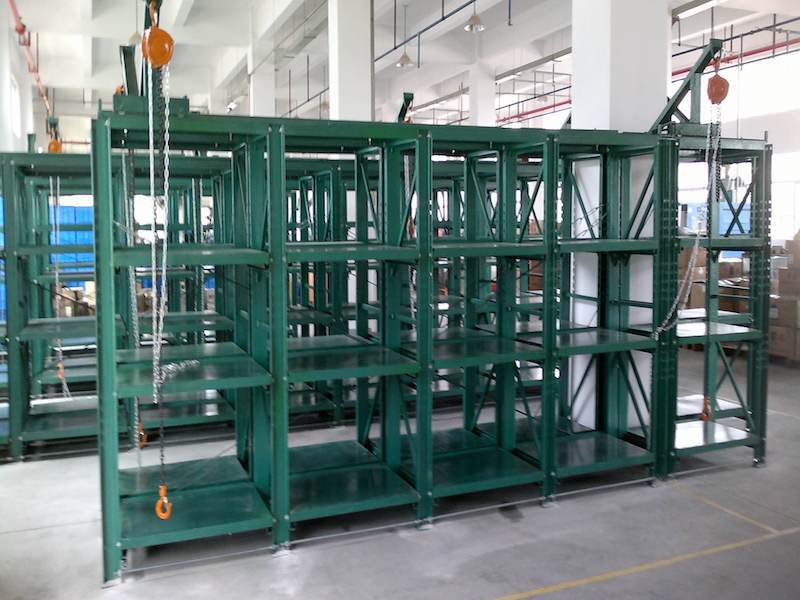
The performance of any metal security cage begins with its material selection. Most industrial-grade cages are fabricated from cold-rolled steel wire or welded steel mesh panels, with material grades typically ranging from Q235 to S235JR (equivalent to ASTM A36). The wire diameter—commonly 4.0 mm, 5.0 mm, or 6.0 mm—directly influences tensile strength and resistance to deformation under impact. For heavy-duty applications, manufacturers often specify 6.0 mm wire with a mesh aperture of 50 mm × 50 mm, striking a balance between visibility, ventilation, and physical barrier effectiveness.
Resistance welding is the predominant joining method for mesh panels, with automated CNC welding machines ensuring consistent weld penetration and spacing. According to AWS D1.1 structural welding standards, each weld joint must withstand a minimum shear force of 2.5 kN for 5.0 mm wire cages. Quality assurance protocols typically include random destructive testing on production batches, with acceptable weld shear values exceeding 3.0 kN for premium-grade products. Guangshun implements a six-stage quality control process that includes weld integrity verification, dimensional accuracy checks, and surface finish inspection on every production run, aligning with ISO 9001:2015 requirements.
Surface finishing directly affects the service life of metal security cages, particularly in environments with high humidity, chemical exposure, or outdoor storage. Hot-dip galvanizing per ISO 1461 provides a zinc coating of 60–85 µm, offering corrosion protection for 15–20 years in moderate industrial settings. Electrostatic powder coating, applied in thicknesses of 60–100 µm, delivers superior aesthetic appearance and resistance to chipping, with RAL 7016 (anthracite grey) and RAL 5010 (gentian blue) being the most specified colors. Salt spray testing per ASTM B117 indicates that properly coated cages withstand 500+ hours of exposure without red rust formation, a critical metric for pharmaceutical and food-grade storage applications.
Understanding the static and dynamic load capacities of storage cages is essential for safe warehouse operations. Standard metal security cages with base dimensions of 1200 mm × 1000 mm (standard pallet footprint) typically offer uniform load ratings between 500 kg and 1500 kg, depending on wire gauge and frame design. Dynamic load ratings—accounting for forklift transport and stacking impacts—are generally calculated at 70–80% of static capacity, a safety margin prescribed by EN 15629:2008 for steel storage equipment.
Stackable cage designs incorporate reinforced corner columns—often fabricated from 2.0 mm to 2.5 mm thick steel channel sections—to support multi-tier storage. Load testing per FEM 10.2.02 standards demonstrates that a properly engineered four-column cage with 50 mm × 50 mm mesh can safely support stacking loads of up to 4.5 metric tons when nested in a three-high configuration. Corner castings with integrated stacking lugs prevent lateral displacement, while optional interlocking pins add an extra layer of structural stability during high-bay storage operations.
The base frame of industrial cages incorporates either solid steel skids or twin-beam runners designed for fork-tine entry. Skid height—typically 100 mm to 150 mm—ensures adequate clearance for pallet jacks and counterbalanced forklifts. For automated guided vehicle (AGV) integration, many facilities specify cages with precision-ground base plates and uniform height tolerances of ±2.0 mm to prevent docking misalignment. Guangshun offers custom base configurations with adjustable runner spacing to accommodate various material handling equipment, reducing downtime during transport cycles.
The primary function of metal security cages is to provide tamper-resistant storage. Standard security features include heavy-duty padlock hasps (minimum 10 mm shackle clearance), recessed locking bars, and hinged door panels with 180-degree swing capacity. For high-risk environments, manufacturers offer multi-point locking systems with hardened steel bolts and anti-drill plates. Recent industry data from a 2024 logistics security survey indicates that facilities deploying lockable wire cages experience a 62% reduction in inventory shrinkage compared to open-shelf storage configurations.
Industrial-grade locking mechanisms must satisfy EN 12320:2012 requirements for padlock durability and manipulation resistance. Premium cages feature integrated lock housings with shackle protectors and bore seals to prevent debris ingress. For pharmaceutical and electronics storage, many operators specify cages with RFID-enabled electronic locks, providing audit trails and access logging. These systems integrate with warehouse management software to track door open/close events, enhancing compliance with FDA 21 CFR Part 11 traceability mandates.
Door panel construction utilizes the same mesh specifications as the main body, with perimeter reinforcement using 4.0 mm flat bar or angle iron. Hinge pins—typically 10 mm to 12 mm diameter stainless steel—undergo 50,000-cycle fatigue testing per ISO 6270 to ensure operational reliability. Gravity-assisted door closing mechanisms with stainless steel springs reduce operator effort and prevent accidental door-open conditions. Facilities with high-frequency access patterns often specify double-door configurations (split 50/50 or 40/60) to improve workflow efficiency.
The versatility of metal security cages enables deployment across diverse industrial sectors, each with unique operational requirements.
Automotive manufacturers utilize wire cages for storing engine components, transmission assemblies, and stamped body panels. The open mesh design allows for visual inventory checks without opening the cage, reducing handling time by an estimated 35% in JIT (Just-In-Time) supply chains. Cages with 100 mm × 100 mm mesh apertures accommodate bulky parts, while finer 25 mm × 25 mm mesh prevents small fasteners from falling through.
Pharmaceutical warehouses require storage solutions that meet Good Distribution Practice (GDP) guidelines. Metal security cages with smooth, crevice-free surfaces and electrophoretic coating eliminate harborage points for microbial growth. Cleanroom-compatible cages with polished stainless steel construction (Grade 304 or 316L) are specified for Class 8 (ISO 14644-1) environments. Many facilities integrate cage systems with temperature and humidity monitoring sensors, providing real-time environmental data through IoT gateways.
In high-volume e-commerce operations, mobile metal security cages serve as temporary holding units for high-value consumer electronics, luxury goods, and promotional items. The modular design enables dynamic reconfiguration of storage zones based on seasonal inventory fluctuations. Data from a 2023 warehouse efficiency study shows that facilities using mobile cage systems achieve a 28% reduction in order picking travel time compared to static shelving layouts.
Construction sites and equipment rental yards deploy heavy-duty metal security cages—with 8.0 mm wire diameter and 75 mm × 75 mm mesh—for securing power tools, cable reels, and hydraulic attachments. Weather-resistant galvanized finish and optional canopy covers protect contents from rain and UV degradation. These cages are frequently equipped with forklift pockets and lifting lugs for crane handling, enabling rapid deployment across job site locations.
Despite their widespread adoption, metal security cages face several operational challenges that require careful engineering consideration.
The tension between visibility and security is a persistent challenge. While mesh panels provide visual access, densely packed items can obstruct sightlines. Solution: dual-density mesh designs—fine mesh (25 mm) on lower panels to prevent small-item theft, and coarser mesh (75 mm) at eye level for visibility. Some manufacturers offer integrated transparent polycarbonate windows (impact-rated to IK10) that combine shatter resistance with 90% light transmission.
Heavier gauge cages offer superior security but reduce portability and increase fuel consumption during transport. Engineering optimization through high-strength low-alloy (HSLA) steel allows for 20% weight reduction while maintaining equivalent load ratings. Additionally, foldable and collapsible cage designs reduce empty-return shipping volume by up to 75%, generating significant logistics cost savings.
As warehouses increasingly adopt AS/RS (Automated Storage and Retrieval Systems), cage dimensions must conform to conveyor and shuttle system tolerances. Guangshun offers cages with precision-ground base plates, RFID tags, and QR code labels that interface with WMS (Warehouse Management Systems) for automated tracking and retrieval. These cages undergo dimensional verification to ±1.5 mm accuracy, ensuring seamless integration with robotic picking stations.
Procurement of industrial storage equipment requires verification of applicable safety and quality standards. Key certifications for metal security cages include:
Third-party testing laboratories conduct compressive strength tests, impact resistance evaluations, and fatigue cycle assessments to verify compliance. Facilities should request test reports and traceability documentation for each production batch, particularly for cages used in seismic zones (IBC 2021) or extreme temperature environments.
Systematic maintenance programs extend the operational lifespan of metal security cages beyond the typical 12-15 year service window. Recommended maintenance intervals include:
Predictive maintenance using IoT sensors—measuring vibration, temperature, and strain—is gaining adoption in large-scale operations. Data analytics platforms can identify fatigue trends and predict failure points before they compromise safety, reducing unplanned downtime by up to 45% according to a 2024 predictive maintenance study.
The capital expenditure for industrial metal security cages ranges from USD 180 to USD 450 per unit, depending on size, gauge, and security features. However, the return on investment calculation must account for multiple value drivers:
A 2023 cost analysis from a mid-sized automotive supplier indicated a payback period of 14 months for a USD 78,000 cage system investment, based on theft reduction and labor savings alone. When factoring in damage prevention and space efficiency, the internal rate of return exceeded 32% over a five-year horizon.
Metal security cages represent a mature yet evolving category within industrial storage infrastructure. Advances in materials science, manufacturing automation, and IoT integration continue to expand their capabilities, while adherence to stringent engineering standards ensures reliable performance across demanding operational environments. Organizations that adopt a systematic approach to cage selection—evaluating load requirements, security needs, and integration compatibility—position themselves for sustained operational efficiency and risk reduction.
For facilities seeking to optimize their storage security, Guangshun provides engineering consultation, custom design services, and compliance documentation to support informed procurement decisions. With over 18 years of manufacturing experience and installations across 40+ countries, the company's product portfolio encompasses ISO-certified cage systems tailored to diverse industry requirements.
Q1: What is the standard lead time for custom-sized metal security cages?
A1: Standard sizes (1200×1000×900 mm, 1200×1200×1000 mm) typically ship within 10-15 working days from order confirmation. Custom dimensions—involving specialized mesh patterns, locking configurations, or finish specifications—require 20-25 working days, including engineering design validation and sample testing. Expedited production (5-7 days) is available for urgent orders, subject to capacity availability and expediting fees.
Q2: How do metal security cages comply with fire safety regulations?
A2: Open mesh design prevents fire load accumulation and allows sprinkler water penetration, meeting NFPA 13 clearance requirements. Steel construction offers Class A1 fire resistance per EN 13501-1 (non-combustible material). For facilities storing flammable materials, cages should be grounded with anti-static bonding straps, and powder coatings should meet UL 94 V-0 flame retardancy standards. Always consult local fire codes for specific clearance and spacing requirements.
Q3: Can metal security cages be used in outdoor environments?
A3: Yes, provided they feature hot-dip galvanized finish per ISO 1461 (minimum 65 µm coating) and stainless steel hardware (Grade 304 for moderate exposure, Grade 316L for coastal or marine environments). Outdoor cages should include canopy covers or UV-stabilized tarpaulins to protect contents from direct sunlight and precipitation. Regular biannual coating inspections are advised to address any wear or corrosion at an early stage.
Q4: What is the maximum stacking height for nested metal security cages?
A4: Stacking height depends on cage construction, load distribution, and floor flatness. For standard 5.0 mm wire cages with reinforced corner posts, safe stacking limits are typically three to four tiers high (approx. 3.0–4.2 meters). High-capacity cages (6.0 mm wire, 2.5 mm column thickness) can achieve five-tier stacking (approx. 5.5 meters) when using precision-ground base plates and leveling feet. Always refer to the manufacturer's stacking load chart and conduct a site-specific structural analysis.
Q5: Are metal security cages compatible with automated conveyor systems?
A5: Compatibility requires precise dimensional tolerances (typically ±2.0 mm for base footprint), uniform runner spacing, and embedded identification tags (RFID or barcode). Many manufacturers offer conveyor-ready cages with anti-skid base pads, tapered entry guides, and reinforced bottom frames to withstand roller conveyance impacts. Guangshun provides pre-shipment conveyor compatibility testing to ensure seamless integration with existing material handling infrastructure.
Q6: How often should metal security cages be inspected for safety compliance?
A6: Regulatory standards (OSHA, EN 15629) recommend formal inspections at least once every 12 months, with visual checks performed daily before use. Annual inspections should include load capacity verification, weld integrity assessment, hinge and lock functionality tests, and coating thickness measurement. Detailed inspection logs must be maintained for at least five years to satisfy insurance and regulatory audit requirements.

 Wechat
Whatsapp
Wechat
Whatsapp