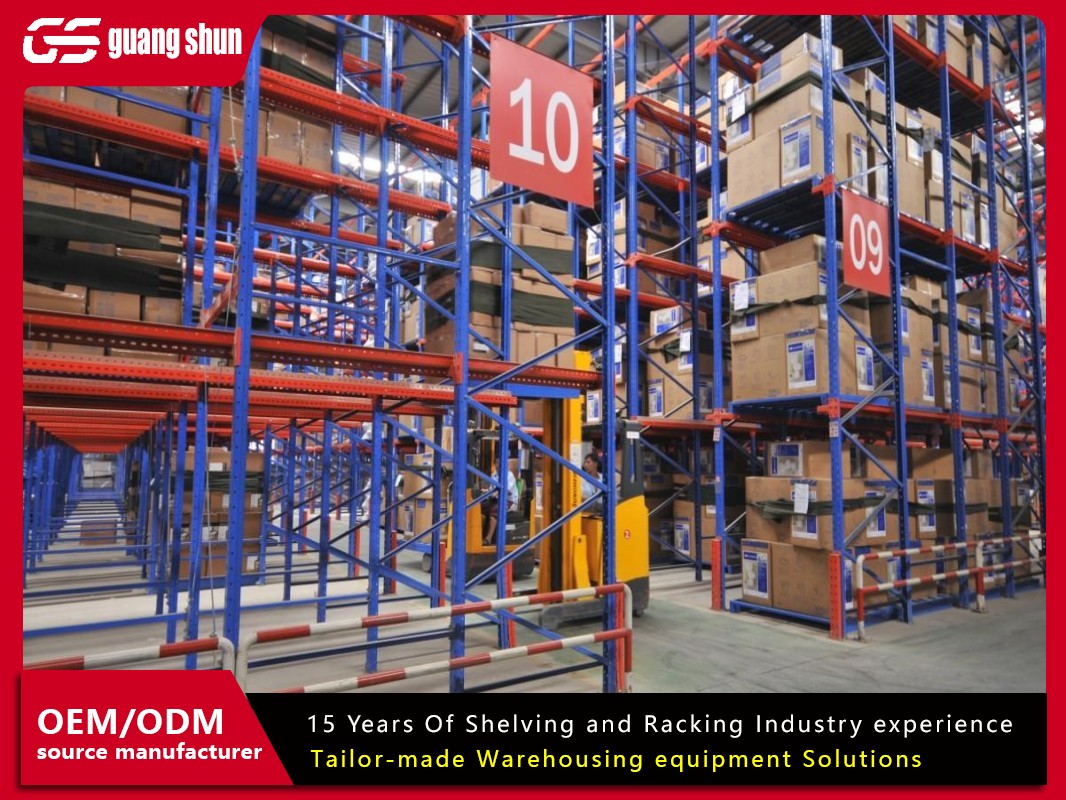
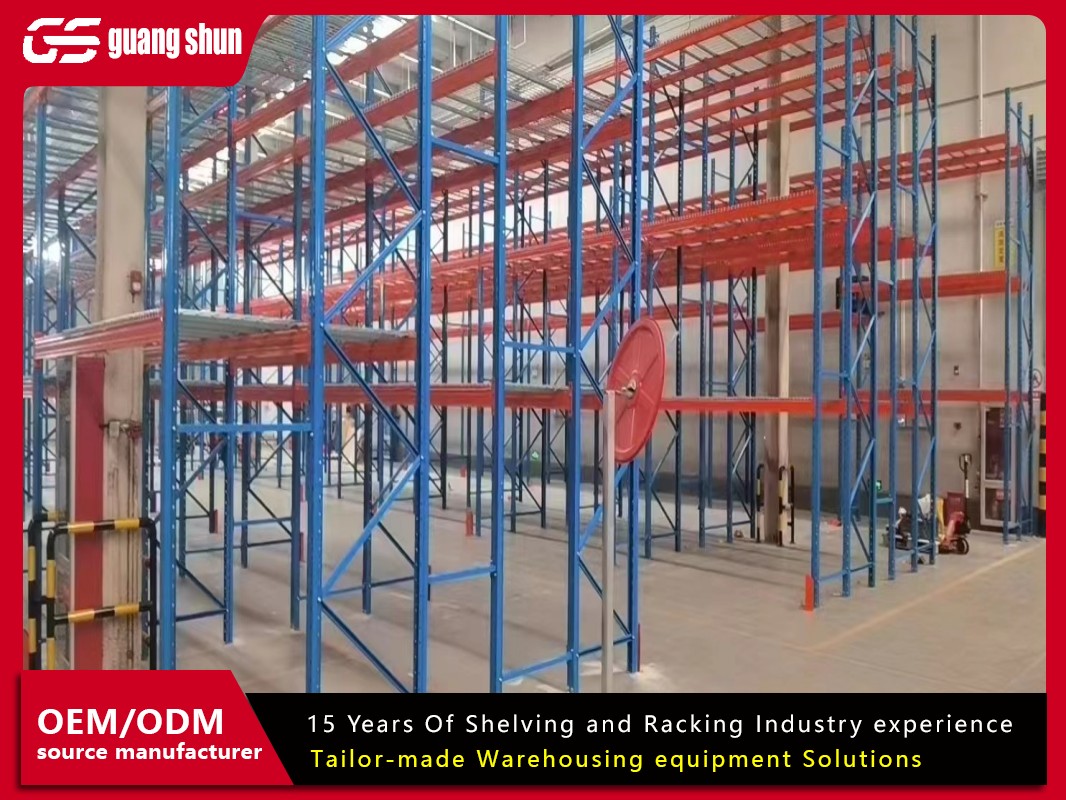
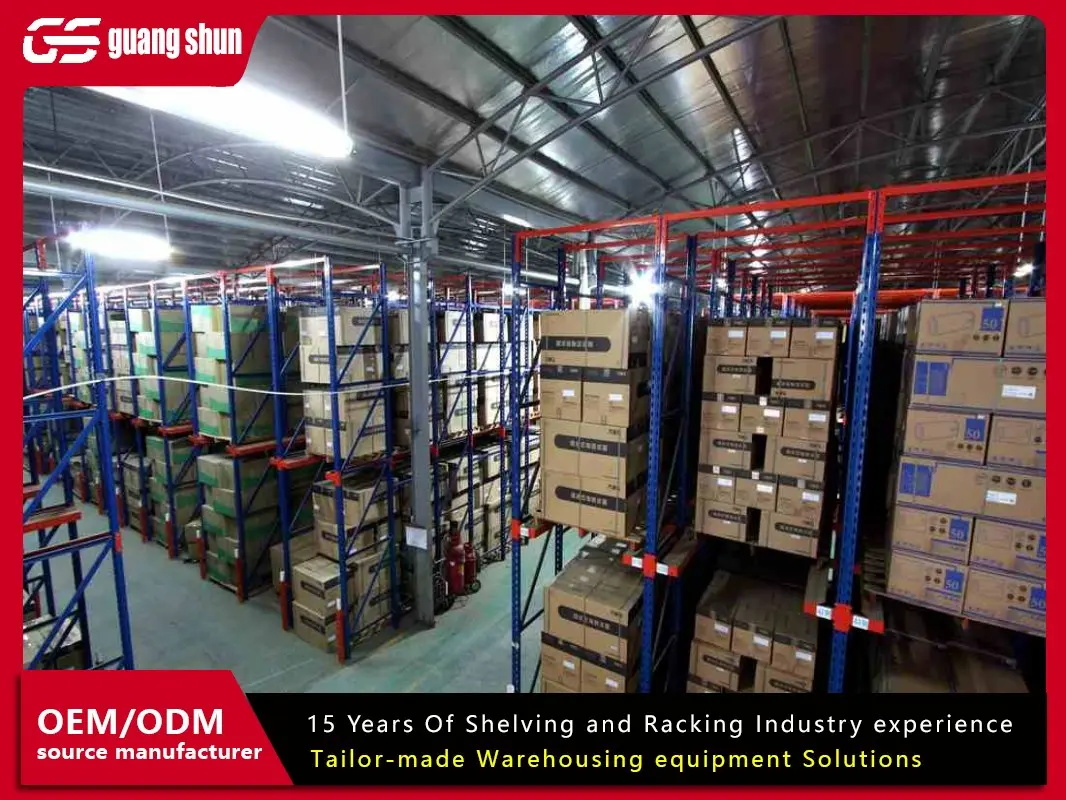
In high-volume distribution centers, the choice of storage medium directly influences order fulfillment speed, labor productivity, and inventory accuracy. Among the various racking architectures, custom flow racks stand apart as engineered solutions that leverage gravity or controlled mechanical assist to deliver first-in-first-out (FIFO) inventory rotation with minimal operator intervention. Unlike off-the-shelf pallet rack or static shelving, custom flow racks are designed around specific load profiles, throughput targets, and facility constraints.
This article provides a technical deep-dive into the engineering decisions that define the performance envelope of custom flow racks. We will examine five fundamental design parameters—roller configuration, lane depth and tilt angle, load capacity and structural framing, flow control mechanisms, and pick-face ergonomics—and discuss how each parameter interacts with operational variables such as SKU velocity, order wave patterns, and warehouse automation. We will also address common implementation challenges, integration with warehouse management systems (WMS), and the financial modeling required to justify capital expenditure.
Drawing on field data from installations across automotive aftermarket, food and beverage, and e-commerce fulfillment sectors, this analysis is intended for operations managers, industrial engineers, and supply chain directors who require more than generic overviews. For organizations seeking turnkey engineering support, Guangshun provides end-to-end design, fabrication, and commissioning services for custom flow racks across diverse industry verticals.
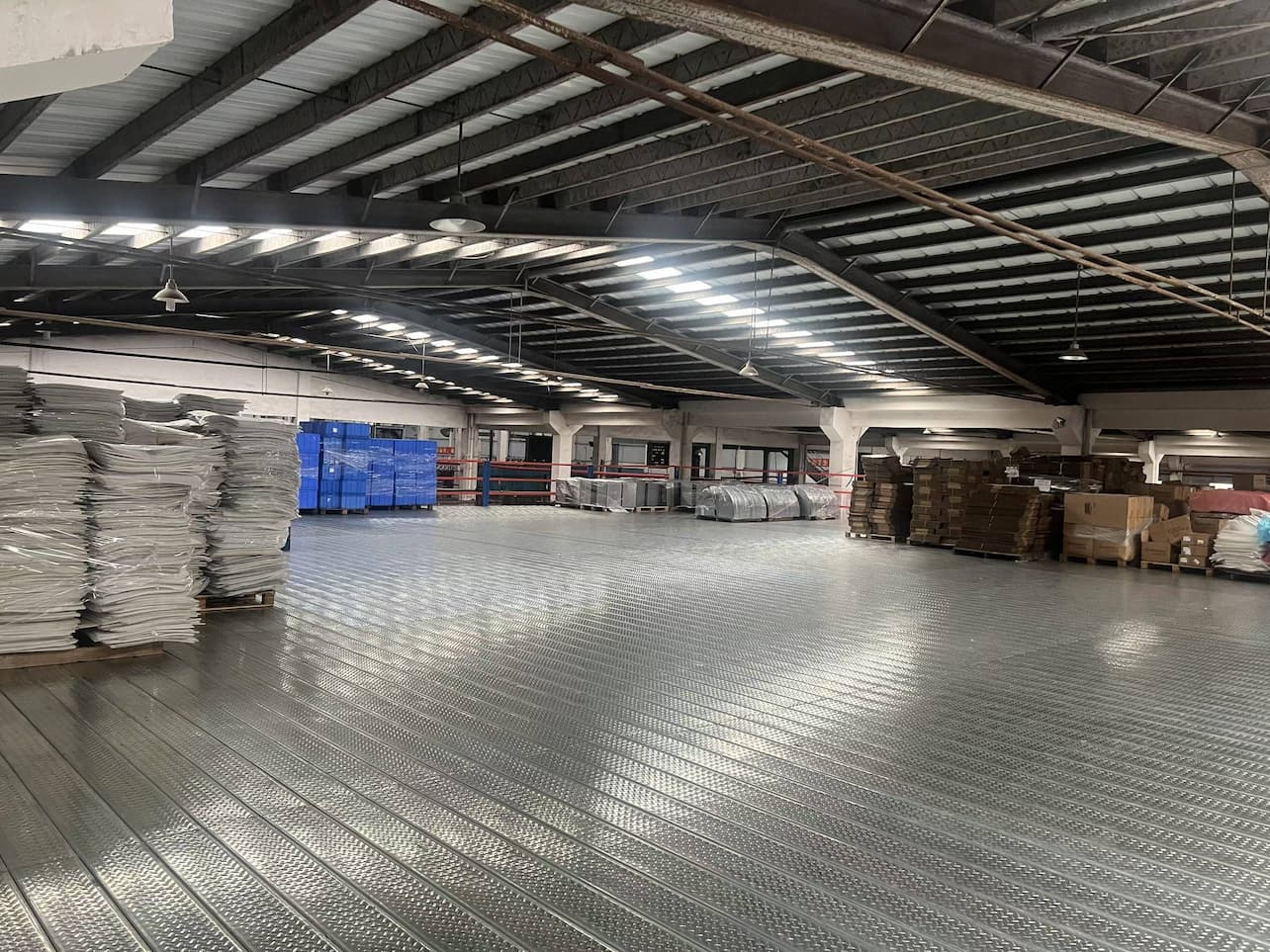
At their core, custom flow racks operate on a simple principle: product flows along inclined rollers or wheel tracks from a loading (rear) end to a picking (front) face, with flow controllers regulating speed to prevent damage and ensure consistent lane discipline. This gravity-fed motion eliminates the need for forklifts or powered conveyors within the storage lane, reducing energy consumption and noise levels while improving storage density.
The FIFO discipline enforced by flow racks is particularly valuable for perishable goods, batch-controlled pharmaceuticals, and components with expiration dating. By ensuring that older inventory is picked before newer arrivals, custom flow racks directly reduce write-offs and improve inventory turnover ratios. Industry data indicates that warehouses transitioning from static racking to flow-based systems achieve FIFO compliance rates exceeding 98%, compared to approximately 70% in manual pick-face environments.
However, realizing these benefits requires precise engineering. A poorly configured flow rack—with incorrect roller spacing, inadequate braking force, or mismatched lane depth—can result in product jams, excessive impact forces, or underutilized cubic volume. This is where the "custom" aspect becomes decisive. Off-the-shelf flow rack components are designed for average load profiles and generic carton sizes, but real-world operations rarely conform to averages. Guangshun approaches each project with a site-specific audit that captures SKU dimensional data, throughput curves, and existing material handling equipment interfaces, ensuring that the final design aligns with actual operational rhythms.
The selection of roller or wheel type is the single most influential factor in determining flow consistency and product compatibility. Steel rollers with ball bearings are the standard choice for heavy pallet loads (500–1,500 kg), offering low rolling resistance and high durability in ambient environments. For lighter carton flow applications—common in e-commerce pick modules—polyurethane-coated rollers or tandem wheel tracks provide better grip and reduce noise, particularly important in multi-shift operations where noise exposure is a regulatory concern.
For applications involving irregularly shaped products or non-rigid packaging (e.g., polybags, shrink-wrapped items), skate-wheel conveyors with closely spaced wheels (50–75 mm centers) offer superior load support and reduce the risk of product deformation. Conversely, for uniform totes or corrugated cartons, roller pitch can be increased to reduce material costs without compromising flow. Engineering guidelines from the Material Handling Institute (MHI) recommend a minimum of four rollers supporting the shortest product dimension to prevent tipping or skewing.
In high-hygiene environments such as food processing or pharmaceutical warehousing, stainless steel rollers with sealed bearings are specified to withstand washdown procedures and resist corrosion. The additional cost of food-grade materials is typically offset by extended service life and reduced contamination risk—a factor that Guangshun incorporates into its material selection matrices for clients in regulated industries.
Lane depth—the number of storage positions per lane—directly affects both storage density and flow dynamics. Deeper lanes increase cube utilization but also require greater gravitational potential energy to overcome rolling resistance across the entire lane. Standard practice sets lane depth between 6 and 12 positions for carton flow and 4 to 8 positions for pallet flow, though custom designs can extend to 20 positions in high-density applications with powered assist.
The tilt angle, typically ranging from 3° to 8° for carton flow and 2° to 5° for pallet flow, must be calculated based on load weight, roller friction coefficient, and ambient temperature (which affects lubricant viscosity). A rule of thumb: every 1° of additional incline increases flow velocity by approximately 0.15 m/s for a standard 10 kg carton, but the relationship is non-linear for heavier loads. Engineers use dynamic simulation models to determine the optimal angle that ensures consistent lane filling without causing product-to-product impact that could damage packaging.
For multi-SKU lanes where product weights vary significantly (e.g., automotive parts ranging from 0.5 kg to 25 kg), variable-angle lanes or segmented roller beds with staged braking are employed. This approach, though more expensive, maintains flow integrity across mixed loads and reduces the need for lane segregation.
Structural integrity is paramount for custom flow racks, especially in pallet-flow configurations where live loads can exceed 1,500 kg per lane. The primary structural members—uprights, beams, and rail supports—must be engineered to withstand not only static dead loads but also dynamic impact forces from loading operations. Finite element analysis (FEA) is routinely used to validate frame designs against seismic requirements and local building codes.
Roller axle spacing and rail section modulus are calculated to limit deflection to less than L/600 (where L is the span between supports), ensuring that rollers maintain proper alignment and that product flow remains unimpeded. For high-bay installations (exceeding 12 m in height), wind load and sway considerations become significant, requiring additional bracing and heavier-gauge steel.
Material grade selection—typically ASTM A36 or equivalent for structural steel—is complemented by surface treatments such as powder coating or hot-dip galvanizing, depending on environmental exposure. In cold-storage applications (−20 °C to −30 °C), low-temperature steel grades and specialized lubricants are specified to prevent brittleness and maintain flow characteristics.
Flow controllers, also known as speed regulators or brakes, are critical components that prevent product acceleration down the incline and reduce impact forces at the pick face. Mechanical controllers use centrifugal or friction-based systems to apply variable resistance based on load weight and velocity. Pneumatic controllers, common in high-speed carton flow systems, use air pressure to modulate braking force, offering finer control and faster response times.
Electronic flow controllers, integrated with lane sensors, enable dynamic speed adjustment based on real-time lane occupancy and downstream picking activity. For example, when a lane is nearly full, the controller can reduce flow speed to prevent product compression; conversely, when the lane is depleted, the controller can increase speed to accelerate replenishment. This level of control is particularly valuable in automated storage and retrieval systems (AS/RS) where flow racks serve as buffer zones between storage and picking.
Maintenance considerations are important here: mechanical controllers require periodic calibration and replacement of wear parts (typically every 500,000 cycles), while electronic systems demand software updates and sensor cleaning. Total cost of ownership analysis should include these maintenance intervals when selecting controller types.
The front face of a flow rack—where order pickers retrieve items—must be designed for human performance as well as material flow. Pick height, reach distance, and visual access directly impact picking accuracy and throughput. Anthropometric data (e.g., the 5th to 95th percentile reach envelopes) should inform the vertical placement of pick faces, with commonly picked SKUs positioned in the "golden zone" between waist and shoulder height.
For high-velocity items, dual-deep pick faces with drop-down gates or telescopic trays can improve access and reduce stretch-reach injuries. Light-directed picking systems (pick-to-light) and voice-directed headsets can be integrated into the pick-face design, with mounting brackets and cable conduits built into the rack structure. Such integrations reduce installation time and improve system reliability by eliminating post-installation retrofitting.
In automated environments, pick faces may be replaced by robotic picking stations or conveyor take-away systems. In these cases, the flow rack's exit end must be designed with precise alignment tolerances (±5 mm) to interface with automated equipment, requiring close coordination between rack fabricators and automation suppliers.
Custom flow racks find application across a broad spectrum of industries, each with unique performance requirements:
Warehouse operators frequently encounter issues that static racking or generic flow systems cannot resolve effectively. Custom flow racks offer targeted solutions:
Modern custom flow racks are not passive storage structures; they are active nodes within the warehouse execution system (WES). Integration with WMS/WES enables real-time lane assignment, dynamic slotting, and predictive replenishment. Data from lane sensors—photoelectric eyes, load cells, or ultrasonic detectors—feed into the WMS to provide granular visibility of lane occupancy, dwell time, and flow velocity.
For organizations using automated guided vehicles (AGVs) or autonomous mobile robots (AMRs), custom flow racks can be designed with guide rails, docking targets, and communication ports that enable precise positioning and load transfer. In a recent installation at a Midwest automotive parts distributor, custom flow racks equipped with AGV interface plates reduced truck-loading time by 37% and eliminated manual staging errors.
API connectivity is increasingly standard, allowing flow rack systems to communicate with upstream picking systems and downstream shipping systems. This integration enables closed-loop optimization: when picking rates decline, the WMS adjusts lane allocation to prioritize high-demand SKUs closer to the pick face, reducing travel time and improving overall throughput.
Investing in custom flow racks involves higher upfront costs than off-the-shelf alternatives, but the total cost of ownership (TCO) analysis often favors engineered solutions. Key ROI drivers include:
A typical ROI calculation for a custom flow rack project in a mid-sized distribution center (15,000 SKUs, 5,000 daily orders) shows payback in 18–24 months, with internal rates of return (IRR) exceeding 30%. These figures improve when labor costs rise and real estate values appreciate—trends observed in most major logistics markets.
For organizations seeking a partner to navigate the engineering and financial complexities, Guangshun provides detailed ROI modeling as part of its project scoping process, incorporating real-time labor rates, energy costs, and inventory carrying costs specific to each client's operating region.
The decision to implement custom flow racks is not a simple off-the-shelf purchase; it is an engineering project that demands careful analysis of product characteristics, throughput requirements, and facility constraints. The five design parameters discussed—roller configuration, lane depth and tilt angle, load capacity and structural design, flow control mechanisms, and pick-face ergonomics—represent the core levers that engineers manipulate to achieve optimal performance.
When properly engineered, custom flow racks deliver measurable improvements in FIFO compliance, labor productivity, space utilization, and inventory accuracy. They integrate seamlessly with modern warehouse execution systems, enabling data-driven slotting and real-time inventory visibility. And they provide a compelling financial case, with payback periods typically under two years.
As warehouse operations continue to evolve toward higher throughput, greater SKU diversity, and tighter cost controls, the role of custom flow racks will expand. Organizations that invest in engineered solutions—rather than generic racking—will gain a competitive edge in order fulfillment speed, accuracy, and operational resilience. With proven expertise in custom flow rack engineering and a track record of successful installations across multiple industries, Guangshun remains a trusted partner for companies seeking to optimize their storage and picking operations.
A1: Lead times vary based on project complexity, material availability, and production scheduling. For standard custom designs with no specialized materials (e.g., standard steel, powder-coated finish), lead times range from 4 to 8 weeks from design approval to delivery. Projects involving stainless steel, cold-storage materials, or complex automation interfaces may require 10–14 weeks. Engineering validation—including FEA and dynamic simulation—adds 2–3 weeks to the design phase. Many suppliers, including Guangshun, offer accelerated production for time-sensitive projects, subject to capacity constraints.
A2: Yes, modular custom flow rack designs allow for lane width adjustments, roller spacing changes, and pick-face height modifications. However, structural modifications (e.g., changing lane depth or tilt angle) require re-engineering and may involve new structural members. Bolt-together frame designs facilitate reconfiguration with standard tools, reducing downtime. It is advisable to consult the original engineering documentation to ensure that modifications do not compromise load capacity or flow performance.
A3: Cold-storage environments present specific challenges: lubricants thicken, roller bearings become brittle, and condensation can accelerate corrosion. Custom flow racks for cold storage use low-temperature-grade steels (e.g., ASTM A572 Grade 50), sealed bearings with cold-weather lubricants, and corrosion-resistant coatings (hot-dip galvanizing or epoxy). Roller materials are selected for low-temperature performance—polyurethane coatings maintain flexibility down to −30 °C. Flow controllers may require pneumatic or electronic types rather than mechanical centrifugal brakes, which can stick in cold conditions. Engineering validation at design temperature is recommended.
A4: Maintenance includes cleaning roller tracks, inspecting and replacing worn rollers or wheel bearings, lubricating moving parts (per manufacturer schedule), and checking flow controller calibration. Regular inspections (quarterly or semi-annually) should verify structural integrity, bolt torque, and alignment of pick-face components. With proper maintenance, custom flow racks fabricated from structural steel have a service life of 15–20 years in ambient environments and 10–15 years in harsh or cold-storage conditions. Replacement of consumables (rollers, brakes, sensors) typically occurs every 3–5 years depending on throughput volume.
A5: Optimal lane depth and tilt angle are determined through a combination of product data analysis and dynamic simulation. Key inputs include: product weight range, package dimensions, coefficient of friction (roller-to-carton), required throughput per lane, and available floor space. Engineers use software tools to model flow dynamics, calculating the minimum incline required to overcome static friction and the maximum incline that prevents excessive impact. For most applications, lane depth is set between 6 and 12 positions for carton flow and 4 to 8 positions for pallet flow, with tilt angles of 3°–8° and 2°–5° respectively. On-site testing with actual product samples is recommended to validate simulation results before final fabrication.
A6: Yes, custom flow racks are frequently integrated with automated picking systems including pick-to-light, voice-directed picking, and robotic picking stations. The rack structure must include mounting points for pick indicators, cable raceways for data and power, and interface plates for robotic end-effectors. Precision alignment (±5 mm) is required for robotic applications to ensure accurate product retrieval. Integration planning should involve both the rack fabricator and the automation supplier to coordinate design specifications and control interfaces.
A7: A reputable supplier should provide: detailed 2D and 3D engineering drawings (including structural calculations and FEA reports), material certificates (mill test reports for steel), assembly and installation manuals, maintenance schedules and spare parts lists, and load capacity labels for each lane. For automated integrations, API documentation and communication protocol specifications should be included. This documentation supports safety compliance, facilitates future modifications, and enables efficient maintenance planning.

 Wechat
Whatsapp
Wechat
Whatsapp