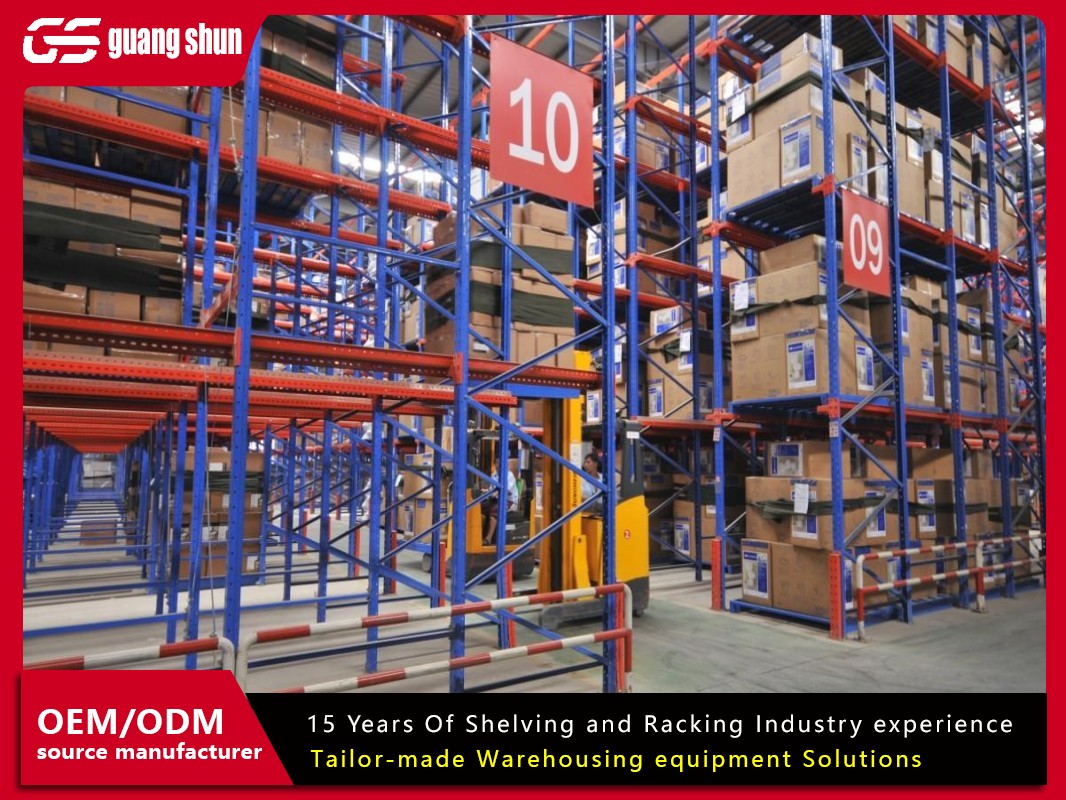
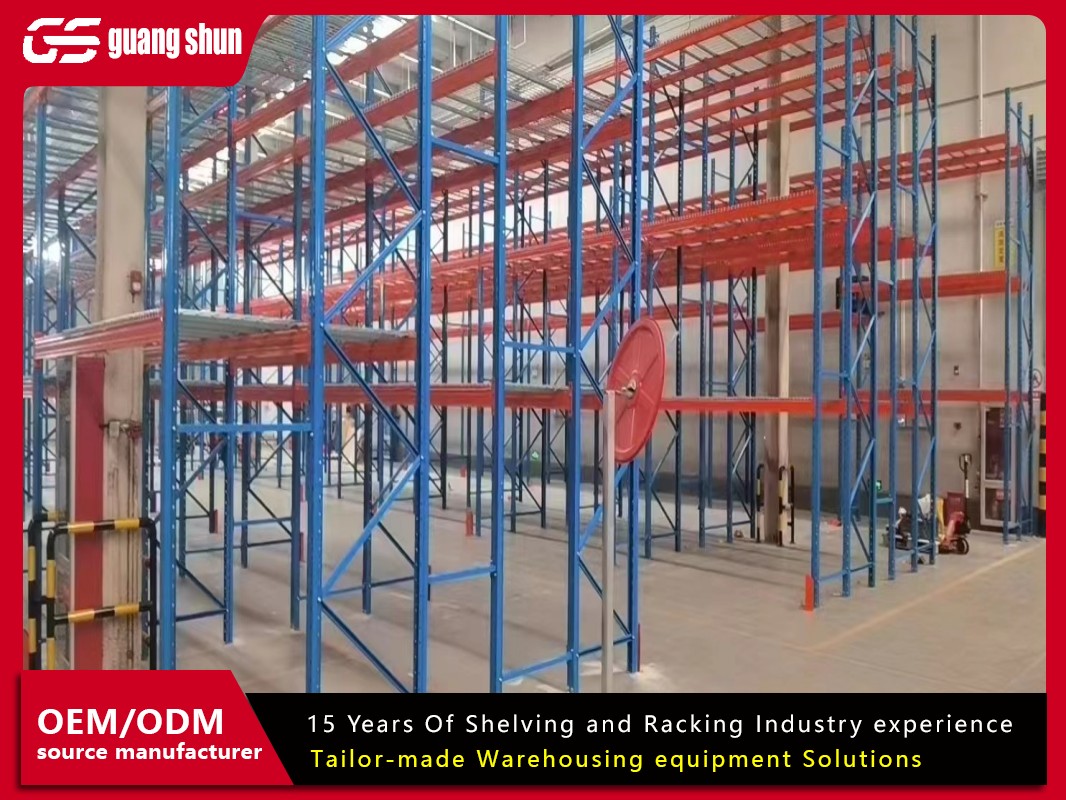
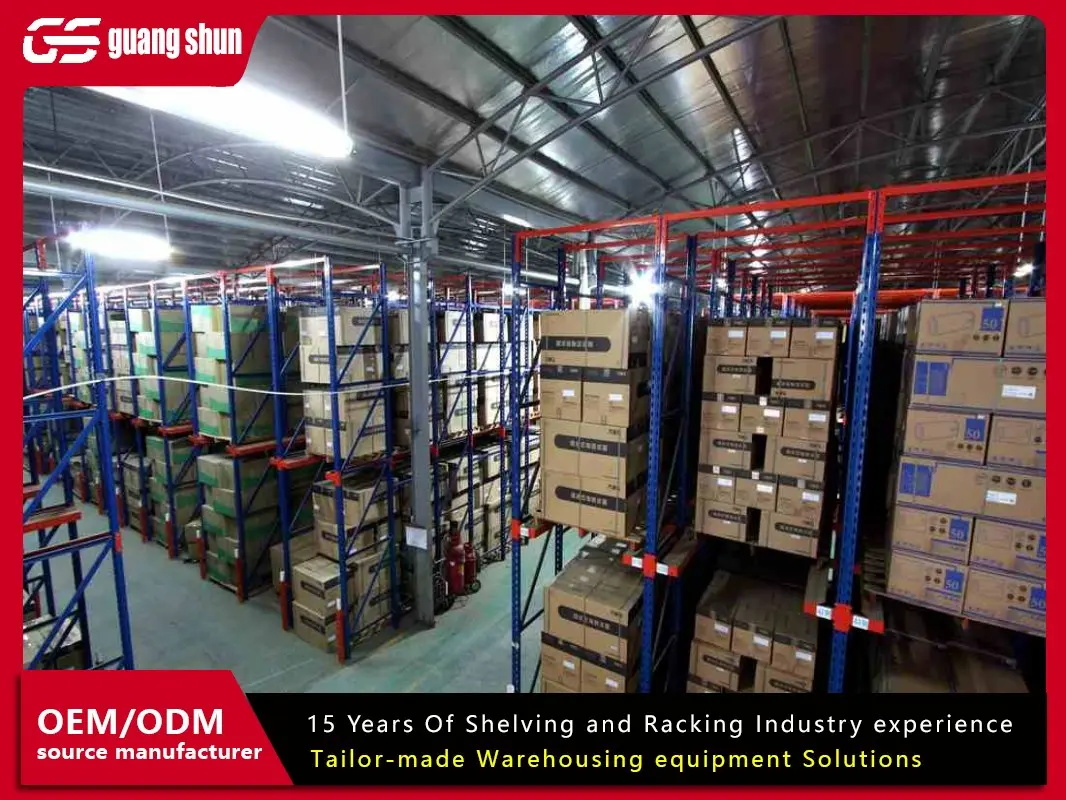
Warehouse managers and logistics engineers continuously search for storage solutions that balance density, accessibility, and structural integrity. Among the most versatile options are industrial stacking racks, which offer a modular approach to palletized storage without requiring fixed racking systems. This article examines the engineering principles, application scenarios, operational pain points, and financial implications of these systems, drawing on field data and industry standards.
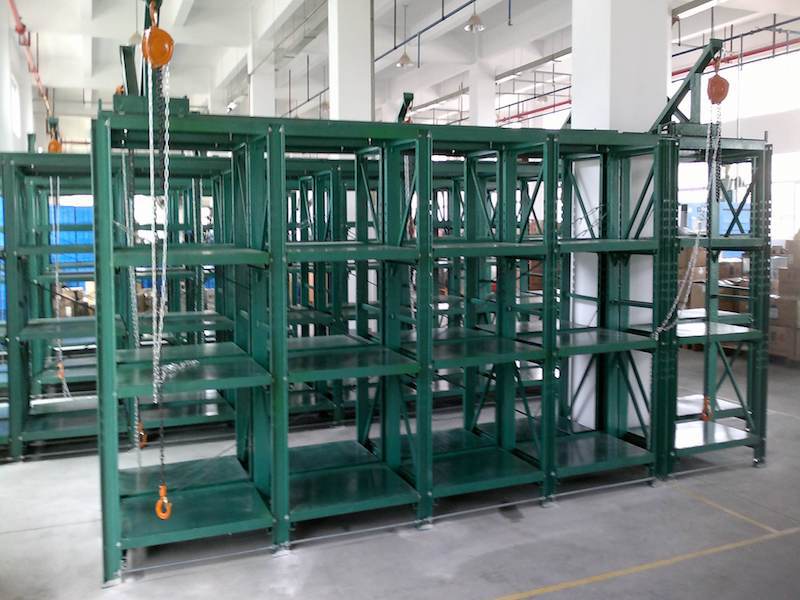
The performance of industrial stacking racks depends on three interdependent variables: material grade, column profile, and weld integrity. Most commercial units are fabricated from high-tensile steel (minimum yield strength of 350 MPa) with a powder-coated finish to resist corrosion. Load capacities typically range from 1,500 kg to 4,500 kg per rack, but these figures assume uniform load distribution and proper floor flatness.
Thicker steel gauges (e.g., 2.5 mm vs. 1.8 mm) directly increase static load capacity but add weight that affects portability. Cross-bracing—either X-pattern or horizontal—transfers lateral forces during forklift handling. A 2024 study by the Material Handling Institute indicated that racks with full-perimeter cross-bracing withstand 23% higher impact loads compared to those with partial bracing, a critical factor in high-turnover distribution centers.
Each industrial stacking rack exerts point loads on the warehouse floor. For a rack with a 3,000 kg capacity and a 1.2 m × 1.0 m base, the ground pressure approximates 2.5 kg/cm²—well within standard concrete slab limits (4.0–5.0 kg/cm²). However, stacking multiple units introduces cumulative stress, requiring load-spreading base plates or floor reinforcement in older facilities.
Static load: Permanent weight of stored goods, typically the design baseline.
Dynamic load: Forces during stacking/unstacking, which can spike by 40–60% due to impact.
Seismic considerations: In earthquake-prone zones, racks must comply with ASCE 7-22 provisions, often requiring additional anchorage.
Unlike fixed pallet racking, industrial stacking racks offer mobility and reconfigurability, making them suitable for diverse environments.
Automotive suppliers handle thousands of SKUs with varying dimensions—engine blocks, transmissions, and body panels. Stackable racks with adjustable beam positions allow same-footprint storage of mixed part families. A tier-1 supplier in Ohio reduced floor space usage by 32% after switching from pallet flow racks to stacking racks, while maintaining FIFO (First-In-First-Out) through color-coded tier labeling.
In cold-chain logistics, industrial stacking racks constructed with galvanized steel resist moisture-induced corrosion. Their open design facilitates air circulation, maintaining uniform temperature around stacked pallets. Operators in frozen food distribution report that stacking racks reduce defrost cycles by 12–15% compared to solid-shelf systems.
Manufacturing cells often require temporary storage for work-in-progress (WIP) items. Stacking racks with foldable bases collapse when empty, saving 70% of return-transport volume. This feature is particularly valuable for aerospace subcontractors who shuttle components between machining and assembly stations.
Cross-docking hubs: Rapid sortation and staging of outbound freight.
Retail distribution: Seasonal inventory overflow management.
Pharmaceutical warehousing: Strict batch segregation with labeled rack tiers.
Despite their advantages, industrial stacking racks present operational challenges. Below are common issues and proven countermeasures.
Narrow-base racks are prone to tipping when forklift operators misalign forks. A 2023 OSHA report attributed 17% of warehouse incidents to improperly stacked portable racks. Solution: Incorporate guide pins or corner locators that auto-align units during descent. Some manufacturers, including Guangshun, offer racks with tapered leg receivers that correct misalignment up to 15°.
Repeated heavy loads cause beam sag, reducing clearance and increasing the risk of pallet snagging. Ultrasonic thickness testing of beam flanges can detect early wear. Alternatively, specify racks with reinforced I-beam profiles rather than C-channels—a change that increases initial cost by 8% but extends service life by an estimated 40%.
Standard stacking racks occupy fixed footprints, but vertical clearance often remains underused. By deploying nesting racks with 3:1 stacking ratios (three empty racks stacked in the space of one), facilities recover up to 55% of staging areas. Coupled with vertical lift modules, this approach can push storage density above 85%.
Solution: Implement rack-level RFID tags to track usage and identify underutilized units.
Solution: Conduct a 3D warehouse simulation (using software like FlexSim) to optimize rack placement and stacking sequences.
Solution: Train operators on a standardized stacking pattern—e.g., heaviest loads at the bottom tier, with weight diminishing upward.
Compliance with ANSI MH16.1 and RMI (Rack Manufacturers Institute) specifications is non-negotiable for industrial stacking racks used in the U.S. European operators must adhere to FEM 10.2.02. Key certification markers include:
Load capacity placard: Permanently affixed, showing maximum distributed and point loads.
Impact resistance test: Racks must withstand a 1,200 J impact without structural failure.
Fire resistance: Steel racks with intumescent coatings provide 90–120 minutes of fire protection, critical for facilities storing combustible materials.
Regular inspection schedules should be documented. Visual checks for bent columns, cracked welds, and missing safety pins must occur weekly; professional third-party audits are advised biannually. Guangshun provides a comprehensive inspection checklist with each rack shipment, covering 26 checkpoints from base alignment to beam locking mechanisms.
Comparing industrial stacking racks against pallet flow racks or drive-in systems requires a TCO framework over 10 years. Initial purchase cost per storage position is typically 30–50% lower for stacking racks. However, labor costs for manual stacking/unstacking and potential product damage must be factored in.
Procurement: $180–$350 per rack depending on gauge and accessories.
Installation: Minimal—racks arrive pre-assembled; only floor layout and anchoring required.
Maintenance: Annual re-torquing of bolts and touch-up painting; budget 2–3% of initial cost per year.
Energy: Open-frame racks improve light penetration, reducing lighting energy consumption by up to 18%.
Flexibility is the hidden value driver. When product mix shifts, stacking racks can be rearranged in hours—unlike bolted-down systems that require days of downtime. A case study from a Midwest logistics hub revealed that reconfigurability saved $47,000 in avoided engineering changes over a 3-year period.
On the operations side, reduced travel time for pickers (because racks can be placed closer to workstations) yields a productivity gain of 12–15% per shift, according to time-motion studies.
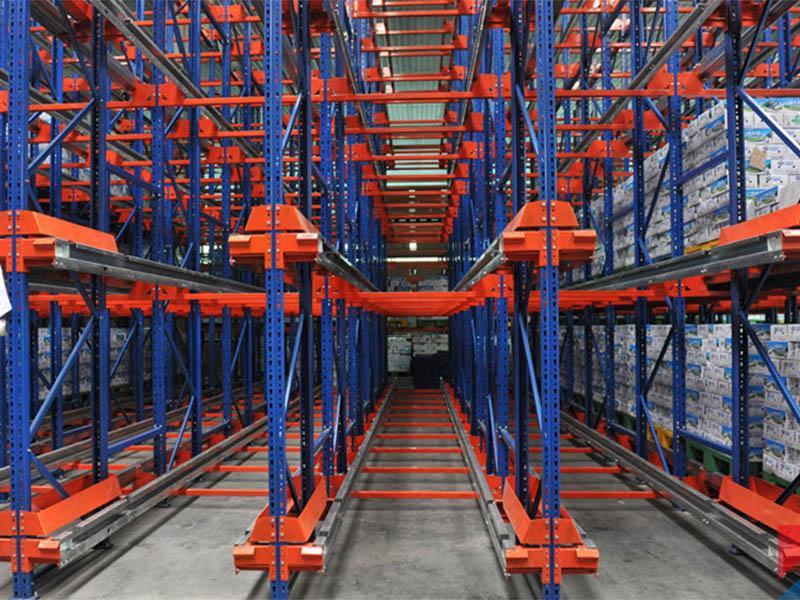
To maximize the lifespan of industrial stacking racks, implement a three-tier maintenance strategy:
Daily: Wipe down beams and bases to remove abrasive dust; inspect for loose fasteners.
Quarterly: Lubricate pivot points on foldable racks; measure beam deflection with a laser gauge.
Annual: Perform dye-penetrant weld inspection and recoat any exposed steel to prevent rust.
With diligent care, high-quality stacking racks can exceed 20 years of service. Facilities that track maintenance data report that 70% of rack failures are attributable to operator damage rather than material fatigue—underscoring the importance of operator training programs.
Embedded IoT sensors are beginning to appear in premium industrial stacking racks. Load cells under each base transmit weight data to a warehouse management system (WMS), enabling real-time inventory verification. Temperature and humidity sensors help cold-storage operators maintain compliance with FDA and HACCP guidelines. While these smart racks carry a 20–25% premium, early adopters report a 9% reduction in inventory discrepancies.
Another development is the use of high-strength, low-alloy (HSLA) steel that reduces rack weight by 18% without compromising capacity—directly benefiting manual handling and reducing forklift fuel consumption.
Industrial stacking racks offer a compelling combination of flexibility, durability, and cost efficiency for warehouses that handle mixed SKUs, seasonal surges, or dynamic production flows. By selecting appropriate materials, adhering to safety standards, and implementing proactive maintenance, logistics professionals can achieve storage densities approaching 90% while maintaining rapid access to goods. As the industry moves toward smart, connected storage, stacking racks will remain a foundational tool—adaptable, robust, and surprisingly data-rich.
A1: The practical maximum is typically 3 to 4 racks high (approximately 4.5 to 6 meters), depending on the load weight and floor flatness. For heavier loads (above 2,500 kg per rack), stacking more than 3 high increases the risk of instability unless racks are bolted or interlocked. Always consult the manufacturer's load chart—Guangshun provides height-to-load curves for each model.
A2: Calculate the maximum weight of a fully loaded pallet, then add a safety margin of 25–30% to account for dynamic forces during stacking. Check the rack's nameplate for rated capacity—never exceed it. For uneven loads (e.g., machinery parts), distribute weight evenly across all beams to prevent point-loading.
A3: Yes, but only with appropriate corrosion protection. Galvanized or stainless-steel racks are recommended for outdoor use. Avoid powder-coated racks in coastal or high-humidity areas unless they have a marine-grade coating. Additionally, anchor racks to a concrete pad to withstand wind loads.
A4: Visual inspections should occur daily before each shift. Formal documented inspections—including bolt torque checks and weld examinations—are recommended monthly for high-use facilities. Third-party structural audits every 12 months are considered best practice by the Rack Manufacturers Institute.
A5: Yes, provided the racks have standardized base dimensions and clear alignment markers. Many AGV systems use vision guidance to detect rack positions. For reliable AGV interaction, choose racks with chamfered base corners and consistent leg spacing—features that are standard on Guangshun stacking racks designed for automation integration.
A6: Stacking racks are portable, modular units that stack vertically on top of each other, while pallet flow racks are fixed structures with rollers that allow pallets to move along a gravity-fed lane. Stacking racks offer higher reconfigurability and lower initial cost, whereas flow racks excel in high-throughput FIFO operations with consistent pallet sizes.
A7: Bent beams should never be straightened—this weakens the steel structure. Replace damaged beams immediately with original manufacturer parts. Mixing beams from different brands can create compatibility issues in locking mechanisms. Always use replacement components certified by the original fabricator.
For detailed specifications, load charts, and custom engineering solutions, visit Guangshun—a provider of certified industrial stacking racks and integrated warehouse systems.

 Wechat
Whatsapp
Wechat
Whatsapp