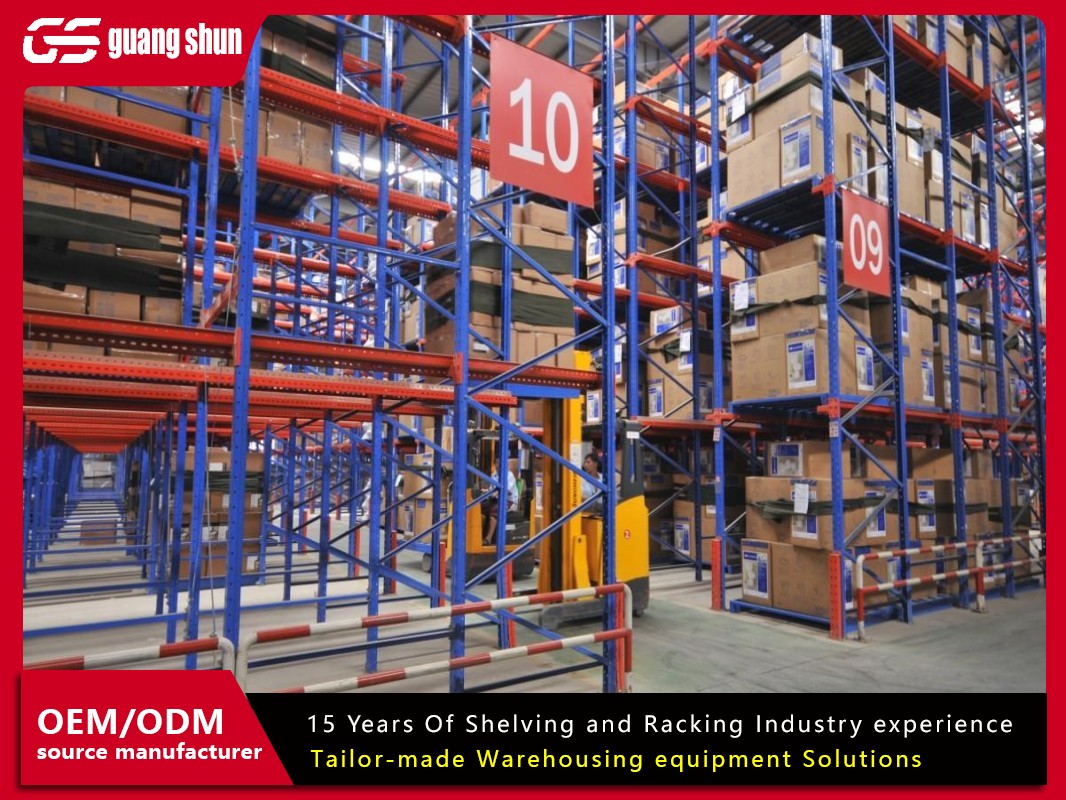
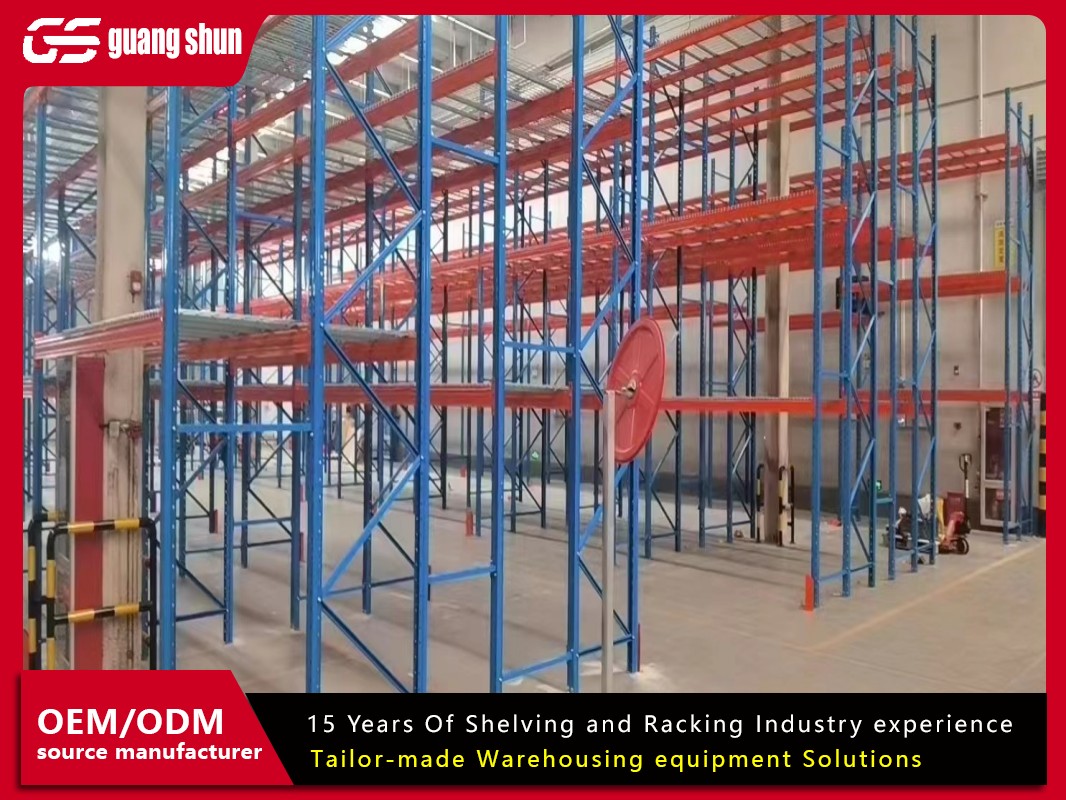
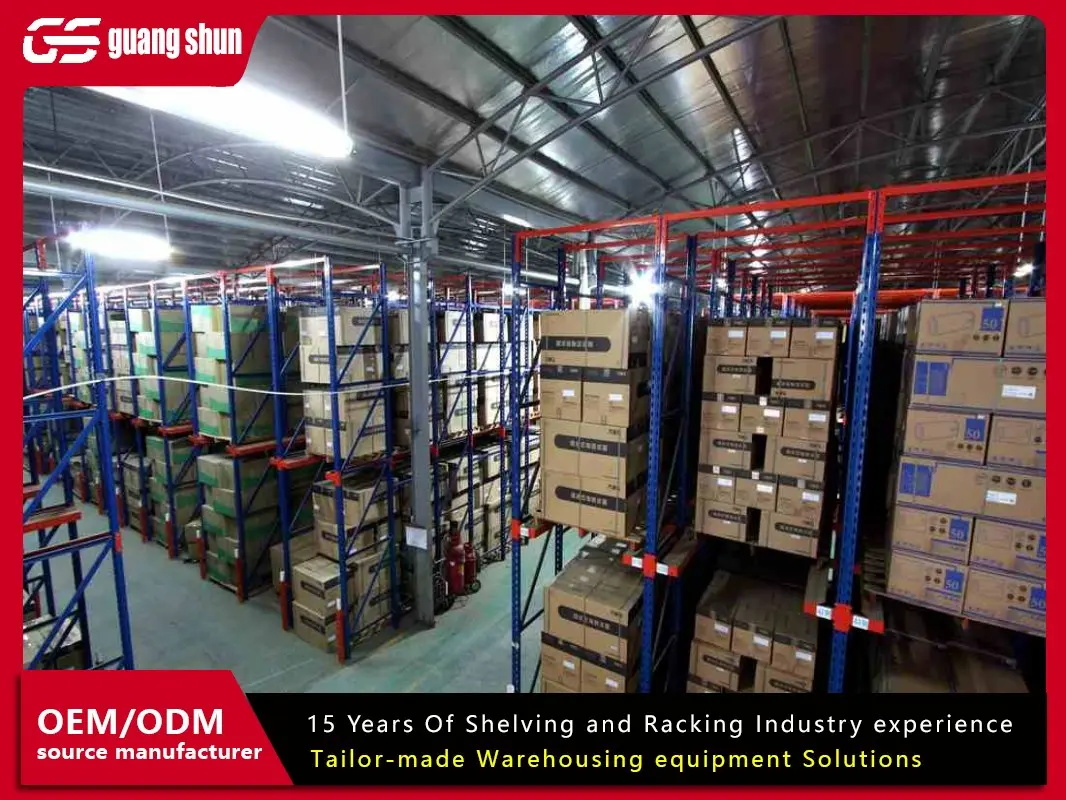
Warehouse operators, logistics managers, and facility safety officers face a persistent challenge: protecting high-value inventory, tools, and equipment from theft, damage, and unauthorized access. The industrial security cage has emerged as a foundational solution in this domain—a modular, weld-mesh enclosure system that combines physical deterrence with operational flexibility. Unlike permanent walls or fixed shelving, these cages offer reconfigurable layouts, rapid deployment, and compliance with workplace safety standards. This article provides a technical deep-dive into industrial security cage systems, covering material science, load engineering, application-specific configurations, financial justification, and maintenance protocols. Drawing on field data and engineering principles, we examine why these structures have become indispensable in modern storage environments.
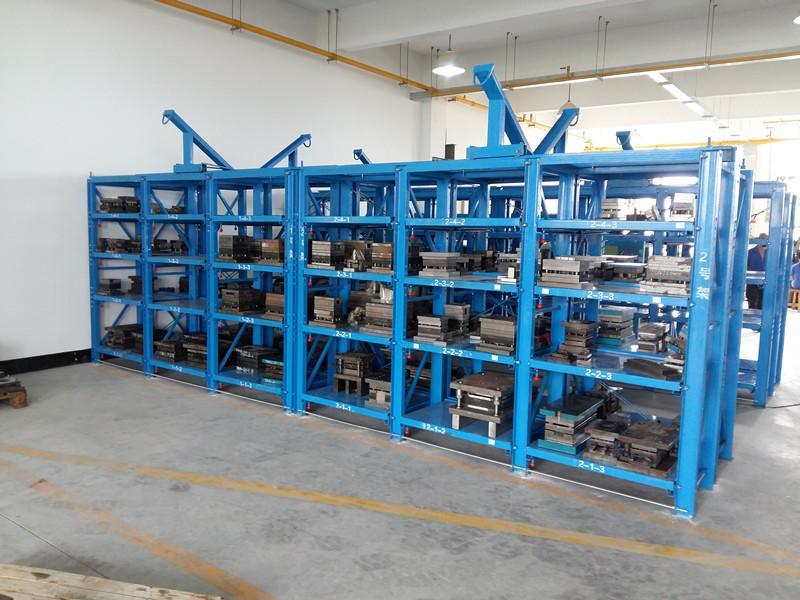
An industrial security cage is a freestanding or bolt-to-floor enclosure constructed from heavy-gauge steel wire mesh, tubular frames, and lockable access panels. These units serve dual purposes: they restrict entry to authorized personnel only, and they physically segregate inventory to prevent accidental or intentional displacement. The design philosophy centers on "see-through" visibility—allowing supervisors and CCTV systems to monitor contents without compromising security. Standard configurations include single-bay cages, multi-tier modular systems, and roller-rack integrations for automated warehouses.
The structural integrity of any industrial security cage depends on three primary elements:
Mesh Panel Specifications: Most cages use 50mm x 50mm or 75mm x 75mm welded wire mesh with diameters ranging from 4mm to 8mm. Zinc-plated or powder-coated finishes provide corrosion resistance in humid or chemically aggressive environments. Tensile strength typically exceeds 500 N/mm², ensuring resistance to cutting tools and impact forces.
Frame Profiles: Rectangular hollow sections (RHS) or square tubes of 40mm x 40mm up to 60mm x 60mm form the perimeter skeleton. Wall thickness varies between 2.0mm and 3.0mm depending on load requirements. Bolted joints and cam-lock connectors enable tool-free assembly and reconfiguration.
Access Control Hardware: Industrial-grade padlocks, cam locks, or electronic keypad systems secure the swing-gate or sliding-door panels. Hinges are typically heavy-duty butt hinges with grease fittings for prolonged service life. Anti-pry tabs and reinforced strike plates resist forced entry.
Load-bearing capacity differentiates light-duty storage cages from heavy-duty industrial security cage systems. Floor-mounted cages with base plates and anchor bolts can support palletized loads up to 2,500 kg per bay when properly engineered. Suspended or elevated cages—used in mezzanine configurations—require additional structural analysis of floor load distribution and seismic bracing. Finite element analysis (FEA) simulations are increasingly employed to optimize mesh density and frame spacing, reducing material weight while maintaining safety factors of 2.5x to 3x against yield strength.
The versatility of industrial security cage systems has driven adoption across manufacturing, logistics, and retail sectors. Each environment presents distinct operational constraints and risk profiles, which in turn influence cage dimensions, access protocols, and integration with material handling equipment.
In manufacturing settings, security cages protect raw materials, work-in-progress (WIP) components, and finished goods from pilferage and cross-contamination. Common use cases include:
Tool Cribs: Enclosures for precision instruments, cutting tools, and gauges, often fitted with shadow boards and inventory management systems.
Hazardous Material Storage: Cages with spill-containment sumps and ventilation grilles for storing chemicals, paints, and solvents in compliance with EPA and local fire codes.
High-Value Component Staging: Secure holding areas for aerospace, automotive, or medical device components awaiting assembly—minimizing loss and ensuring traceability.
Distribution centers (DCs) handle high-volume, high-velocity inventory flows. Here, security cages serve as:
Returns Processing Stations: Isolated areas for inspecting and sorting returned merchandise, preventing commingling with new stock.
High-Value Item Lockers: Dedicated cages for electronics, pharmaceuticals, or luxury goods, often integrated with conveyor systems and automated sortation.
Overflow and Seasonal Storage: Temporary enclosures that can be deployed during peak seasons and dismantled when capacity normalizes—a flexibility that fixed racking cannot offer.
Retail back-of-house areas benefit from compact security cages that fit within limited floor space. Typical installations include:
Vape and Tobacco Lockers: Small-footprint cages with lockable glass or mesh fronts, often placed behind service counters.
Inventory Staging for Click-and-Collect: Secure holding zones for online orders awaiting customer pickup, reducing mis-picks and theft.
Equipment and IT Asset Storage: Enclosures for laptops, POS terminals, and networking gear during off-hours, with integrated cable management.
Industry data consistently shows that warehouses lose between 2% and 5% of inventory value annually due to theft, damage, and administrative errors. Industrial security cage systems directly mitigate these losses through physical barriers, visual deterrence, and organized storage. Below, we break down the primary pain points and how cage solutions address them.
Internal and external theft remains the top concern for facility managers. According to the National Retail Federation's 2025 security survey, shrink attributed to theft accounts for over 35% of total inventory loss in warehousing operations. Security cages counteract this by:
Creating a clearly defined, visible perimeter that signals restricted access.
Enabling real-time monitoring via integration with access control logs and surveillance cameras.
Providing physical resistance that significantly increases the time and effort required for unauthorized entry—a critical deterrent factor.
Poorly organized storage leads to product damage from impacts, crushing, or improper stacking. Cages enforce disciplined storage practices by:
Constraining items within designated zones, reducing accidental collisions with forklifts and pallet jacks.
Supporting vertical stacking with intermediate shelving, preventing over-compression of fragile goods.
Allowing segregated storage for items with different handling requirements—for example, separating heavy metal parts from lightweight cartons.
Occupational Safety and Health Administration (OSHA) standards 1910.22 and 1910.176 mandate clear aisles, proper storage of materials, and protection against falling objects. Security cages contribute to compliance by:
Eliminating unstable piles and encouraging systematic stacking within enclosed frames.
Reducing trip hazards by keeping inventory off aisles and walkways.
Providing secure containment for tools and equipment that might otherwise create projectile risks in busy work areas.
Selecting the right industrial security cage requires a systematic evaluation of operational parameters, environmental conditions, and future scalability. Guangshun, a recognized supplier in the storage equipment sector, recommends the following assessment framework for procurement teams:
Load Requirements: Calculate both static load (weight of stored items) and dynamic load (impact forces from handling equipment). Choose mesh gauge and frame thickness accordingly.
Footprint and Height: Measure available floor space and ceiling clearance. Consider modular designs that allow expansion or contraction as inventory volumes fluctuate.
Access Frequency: High-traffic cages benefit from wider gates and quick-release latch mechanisms. Low-frequency access cages can use more robust, multi-point locking systems.
Environmental Factors: For cold storage, pickling, or outdoor yards, specify galvanized or stainless steel finishes to prevent rust. For cleanroom environments, electropolished surfaces and sealed joints are necessary.
Integration Capabilities: Assess compatibility with existing racking systems, conveyor lines, and automated guided vehicles (AGVs). Some cages offer custom cutouts for roller tracks or barcode scanner ports.
Vendors like Guangshun provide engineering support to tailor cage dimensions, lock configurations, and anchoring methods to site-specific conditions—reducing the need for costly retrofits later.
Investing in industrial security cages involves upfront capital expenditure, but the long-term savings often justify the cost. A typical 20-bay cage system for a mid-sized warehouse costs between USD 18,000 and USD 35,000 installed, depending on material grade and access control complexity. The return on investment (ROI) accrues through multiple channels:
Shrink Reduction: Facilities implementing security cages report inventory shrinkage reductions of 40% to 60% within the first 12 months, translating to annual savings of USD 5,000–25,000 for a 50,000 sq. ft. operation.
Insurance Premium Discounts: Many commercial insurers offer 5%–10% premium reductions for warehouses with documented physical security measures, including certified security cages.
Labor Efficiency: Organized, clearly marked cages reduce search time for items by 20%–30%, enabling faster order fulfillment and lower overtime costs.
Asset Longevity: Proper storage prevents damage to expensive machinery parts and electronic components, extending their service life by 15%–20%.
Using a discounted cash flow model with a 5-year horizon and a 10% discount rate, the net present value (NPV) of a cage investment typically turns positive by year 2.5, with an internal rate of return (IRR) exceeding 18% in most cases. These figures underscore that security cages are not an expense but a strategic asset.

To maximize the service life of an industrial security cage, facility managers should adopt a proactive maintenance regime. Key practices include:
Regular Inspections: Conduct quarterly visual inspections of mesh panels, welds, and frame joints. Look for signs of deformation, corrosion, or loose fasteners.
Lubrication of Hinges and Locks: Apply graphite-based or silicone lubricants to gate hinges and lock cylinders every three months to prevent seizing and ensure smooth operation.
Load Monitoring: Avoid overloading shelves or floor panels. Use load indicators or color-coded labels to communicate weight limits to operators.
Anchor Bolt Checks: For bolted-down cages, verify torque settings on anchor bolts after any seismic event or heavy forklift impact. Re-tension as needed.
Finish Care: Clean powder-coated surfaces with mild detergent and water to remove dust and chemical residues that can degrade coatings over time.
Guangshun provides maintenance kits and remote diagnostic support for their cage systems, ensuring that customers can sustain peak performance across decades of use. A well-maintained cage can exceed 20 years of operational life, making it one of the most durable investments in warehouse infrastructure.
Q1: What are the standard dimensions for industrial security
cages?
A1: Standard single-bay cages typically measure 1200mm (W) x
1200mm (D) x 2000mm (H) to 1500mm x 1500mm x 2400mm. However, modular systems
allow custom sizing in 100mm increments. Height extensions and multi-tier
stacking are also available. Always verify door opening dimensions to
accommodate pallet jacks or carts used in your facility.
Q2: How do security cages comply with OSHA workplace safety
regulations?
A2: OSHA does not directly regulate security cages, but
they fall under the general requirements for storage and material handling (29
CFR 1910.176). Cages with secure anchoring, smooth edges, and clear load ratings
help meet these standards. Additionally, cages with integrated guardrails or
toe-kick plates can address fall protection and trip hazards. Many manufacturers
provide OSHA compliance certification upon request.
Q3: Can security cages be customized for specific storage
needs?
A3: Yes—most suppliers offer extensive customization. Options
include: varying mesh sizes (for small parts vs. bulk items), adding solid metal
sheeting on lower panels to contain fine materials, integrating rolling bases
for mobile cages, fitting special lock mechanisms (electronic, RFID, or
biometric), and incorporating shelves, drawers, or hanging bars inside the cage.
Custom powder-coating colors are also available for branding or zone
identification.
Q4: What is the typical load capacity of a modular security
cage?
A4: Floor-mounted cages with 60mm x 60mm frames and 5mm wire
mesh generally support up to 2,500 kg per bay distributed evenly. With
intermediate shelving, each shelf level can carry 300–800 kg depending on shelf
thickness and bracing. Always consult the manufacturer's load chart; overloading
voids warranties and creates safety hazards. For heavy-duty applications,
reinforced base plates and thicker mesh (8mm) are recommended.
Q5: How do security cages compare to traditional chain-link fencing
or welded pipe enclosures?
A5: Unlike chain-link fencing, which
requires posts, concrete footings, and tension wires, modular security cages are
freestanding and portable. They offer superior rigidity due to welded panel
construction and can be dismantled and relocated without permanent alterations
to the building. Welded pipe enclosures are heavier, more expensive to modify,
and lack the visibility and ventilation of mesh cages. Security cages also
integrate more easily with conveyor systems and automated storage and retrieval
systems (AS/RS).
Q6: What maintenance is required for industrial security
cages?
A6: Maintenance is minimal but essential. Key tasks include:
monthly cleaning of lock mechanisms, quarterly visual inspections for weld
cracks or bent mesh, annual re-torquing of anchor bolts, and touch-up painting
of any scratched areas to prevent corrosion. In corrosive environments (e.g.,
coastal or chemical plants), more frequent inspections—every 60 days—are
advisable. Many suppliers, including Guangshun, offer extended warranty plans
that include scheduled maintenance visits.
Industrial security cage systems have evolved from simple wire enclosures to sophisticated, engineered storage solutions that address theft, safety, and operational efficiency in equal measure. By selecting the right material grades, leveraging modular designs, and following rigorous maintenance practices, warehouse operators can achieve measurable improvements in loss prevention and workflow productivity. Whether you are upgrading an existing facility or planning a new distribution center, the industrial security cage remains a cornerstone of modern material handling strategy—delivering tangible returns that extend well beyond the balance sheet.

 Wechat
Whatsapp
Wechat
Whatsapp