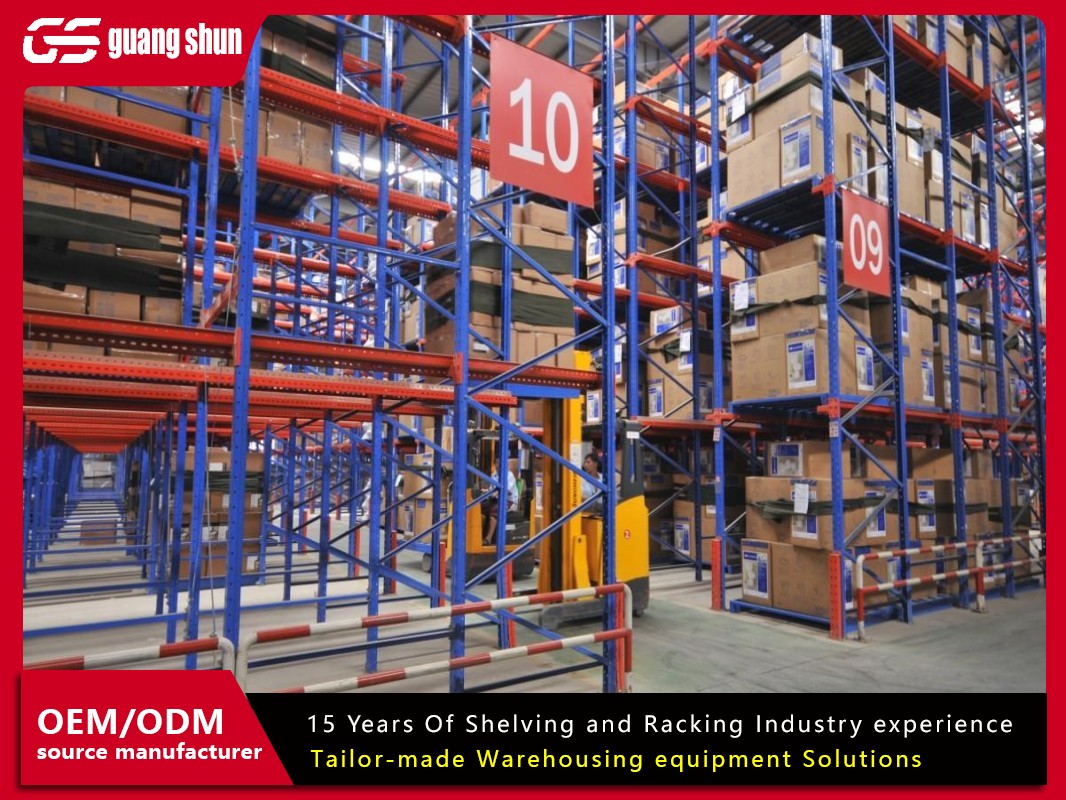
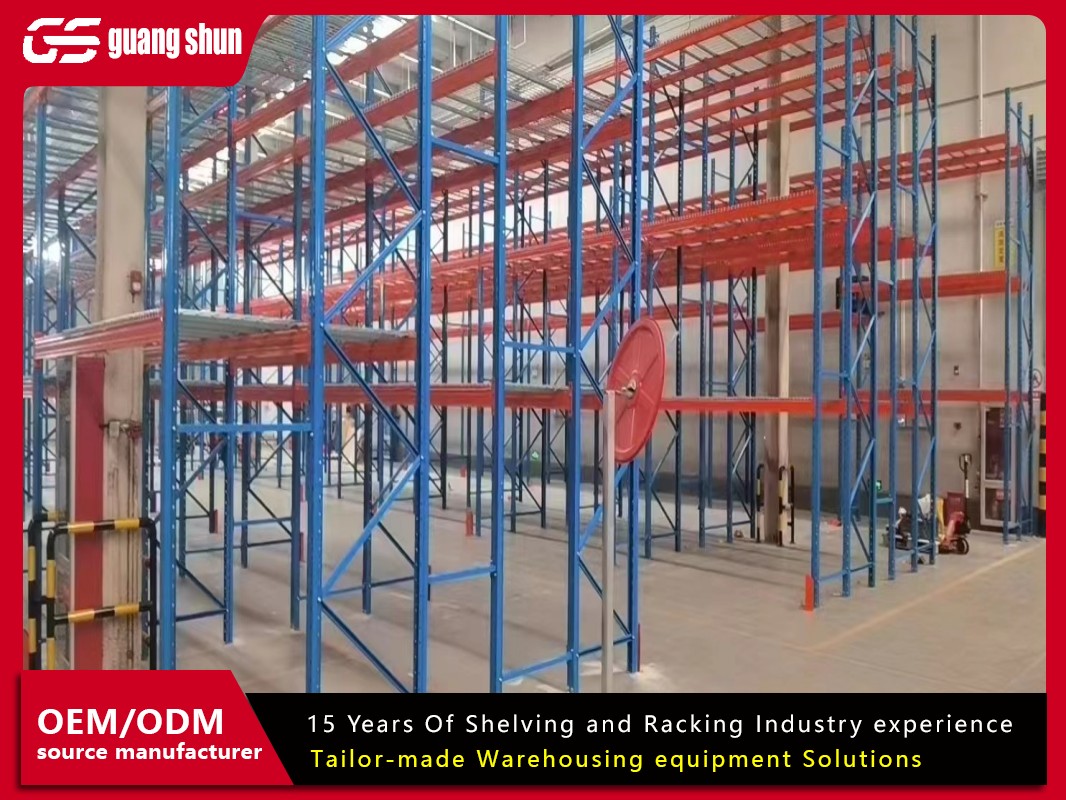
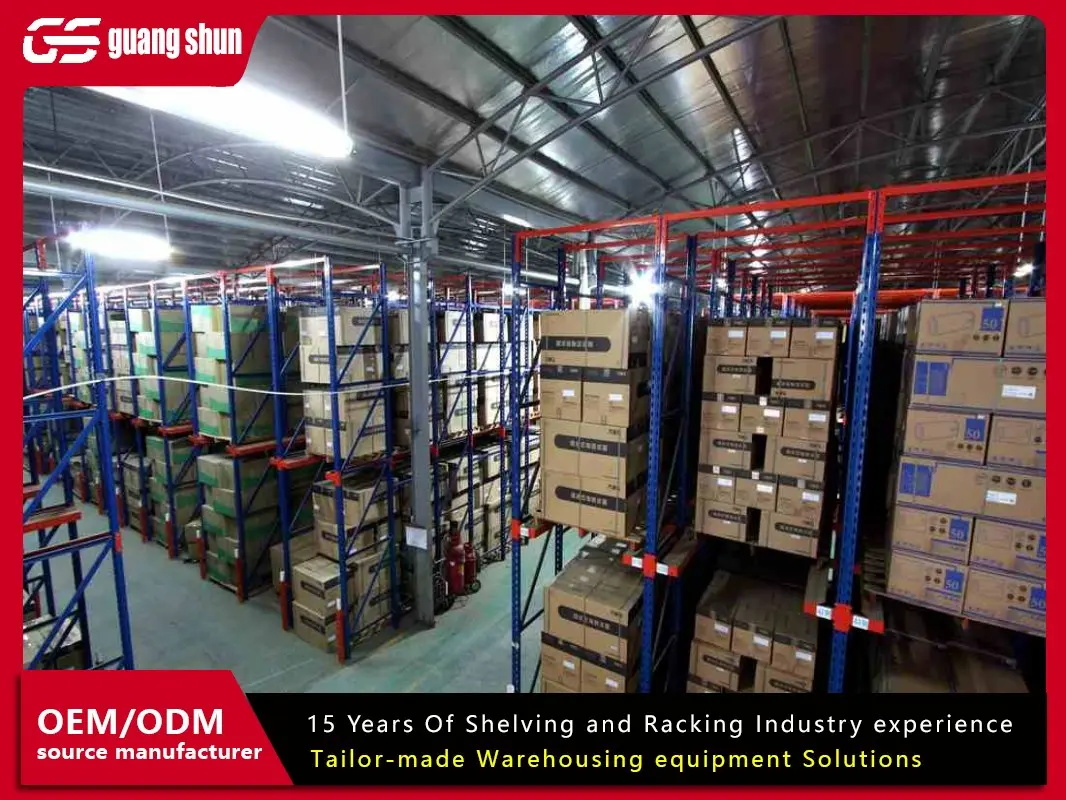
Warehouse operators and supply chain managers continuously evaluate storage infrastructure that balances capital expenditure, operational efficiency, and future scalability. Among the available solutions, stackable industrial shelving has emerged as a technically robust option that addresses multiple pain points simultaneously. This article examines the engineering principles, application-specific configurations, and financial implications of deploying modular steel shelving systems in high-throughput environments.
Data from the Material Handling Institute indicates that warehouses utilizing engineered modular storage systems achieve 22–28% higher space utilization compared to fixed rack configurations. This advantage stems from the inherent adjustability and load-distribution characteristics of bolted and boltless shelving designs. However, realizing these gains requires understanding the technical specifications that differentiate quality systems from commodity alternatives.
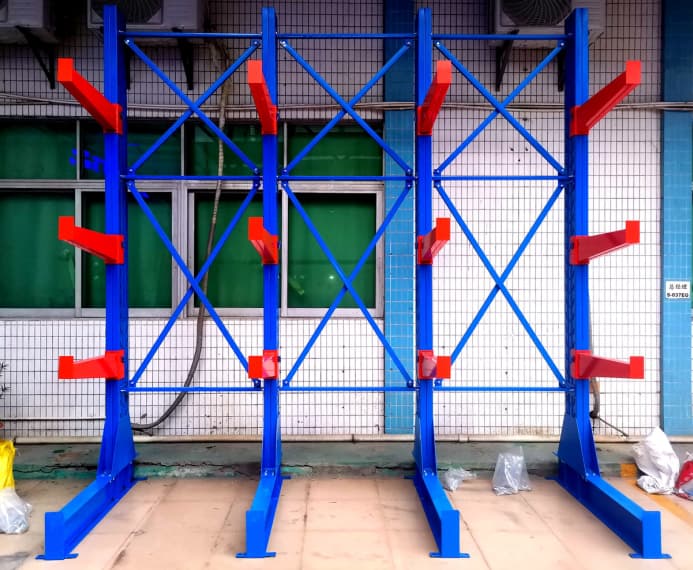
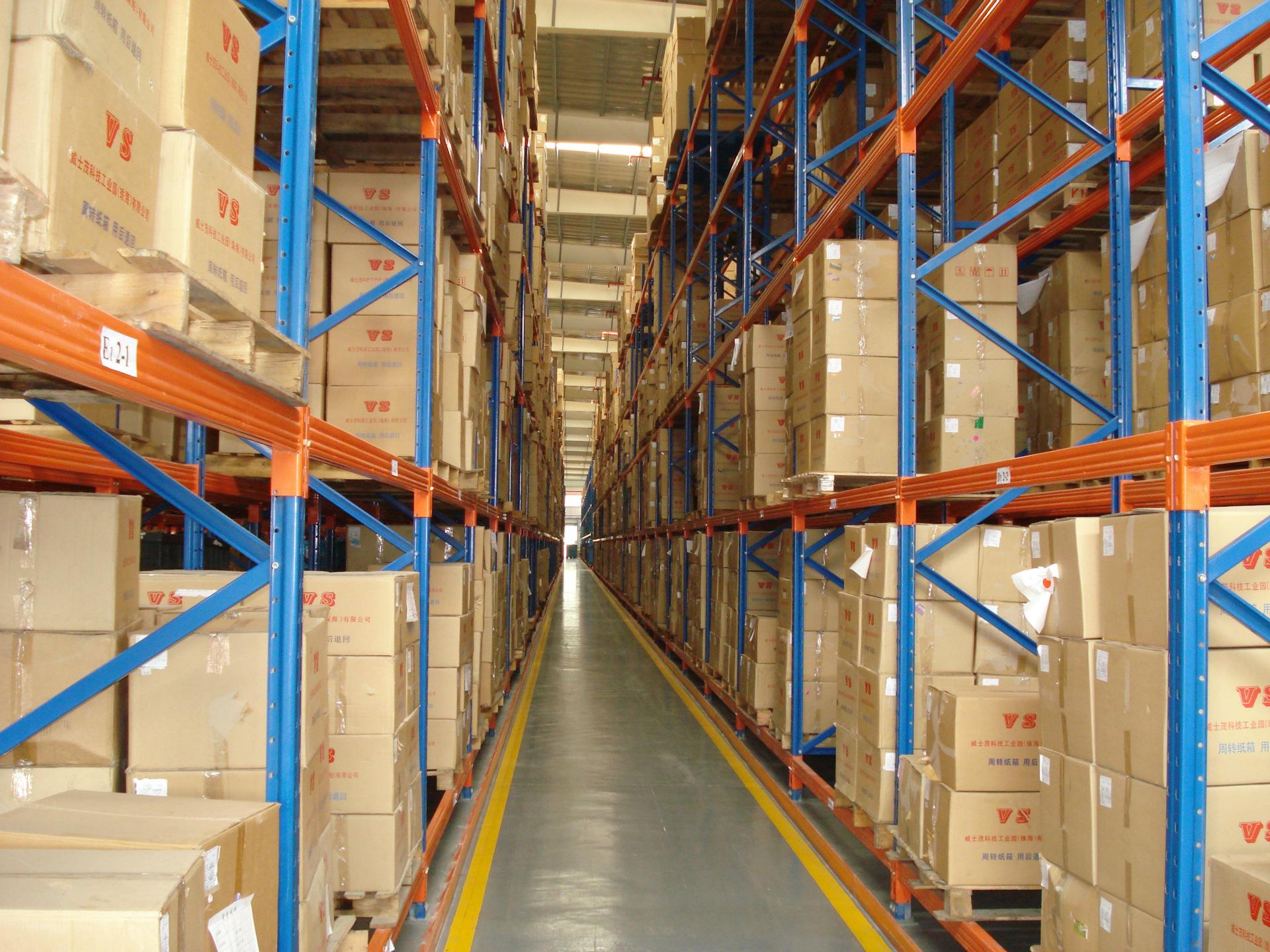
At its core, stackable industrial shelving refers to freestanding steel frameworks designed with vertical posts, horizontal beams, and decking panels that can be assembled in multiple tiers. Unlike pallet racking, which prioritizes unit-load handling, stackable shelving accommodates piece-picking, carton storage, and mixed-SKU environments. The defining engineering feature is the post-to-beam connection mechanism, which determines load transfer efficiency and structural stability under dynamic loading.
Commercial-grade stackable shelving systems typically utilize roll-formed steel posts with punched holes on 2-inch or 3-inch centers. Beam connectors feature integral locking tabs that engage with these perforations, creating a positive mechanical lock without requiring tools—a design referred to as boltless or clip-in assembly. This configuration offers three primary engineering benefits:
Structural steel grades used in industrial shelving typically range from ASTM A36 (minimum yield strength 36,000 psi) to high-strength low-alloy (HSLA) steels achieving 50,000–65,000 psi yield. The material thickness varies by component: upright posts commonly use 1.5–2.5 mm gauge steel, while beams utilize 1.2–2.0 mm sections formed into C-channels or box profiles. Decking options include steel panels (0.7–1.2 mm), wire mesh grids, or particleboard, each affecting the system's overall load capacity.
Per RMI (Rack Manufacturers Institute) standards, a properly engineered stackable shelving bay with 48-inch-wide beams and 18-inch-deep shelves typically supports 800–1,200 lbs per shelf level at uniform loading. Heavy-duty configurations with reinforced beams and thicker decking can achieve 2,000+ lbs per level, though this requires corresponding increases in post section modulus and base plate dimensions. The total system capacity depends on bay height, number of levels, and load eccentricity—factors that should be verified through manufacturer-supplied load charts.
The versatility of stackable shelving makes it suitable for diverse operational contexts. Each application imposes distinct performance requirements that influence shelving selection and configuration.
Automotive aftermarket warehouses manage tens of thousands of SKUs ranging from small fasteners to bulky body panels. Stackable shelving systems in this sector often incorporate bin dividers, gravity feed rails, and specialized decking to handle irregular part geometries. The key engineering consideration is static load capacity combined with frequent access patterns—parts are picked multiple times daily, requiring shelving that maintains dimensional stability under repetitive loading.
E-commerce operations prioritize pick density and throughput. Stackable industrial shelving configured with carton flow tracks or pick-to-light systems supports zone-picking and batch-picking methodologies. The modular nature allows fulfillment centers to adjust shelf heights seasonally—for example, increasing vertical spacing during holiday peaks when larger items dominate inventory. Data from a 2023 logistics study showed that warehouses using adjustable shelving reduced average pick time by 11% compared to fixed-height installations.
Maintenance, repair, and operations (MRO) storage involves heavy tools, spare parts, and consumables. Stackable shelving in these environments must accommodate both small bins and oversized items like motors or pump assemblies. Heavy-duty beam capacities and reinforced decking are standard specifications. Manufacturers often integrate shelving with overhead crane or jib crane systems, requiring uprights with additional bracing to handle lateral forces from hoist operations.
Warehouse managers face persistent challenges—constrained square footage, rising labor costs, and demand volatility. Engineered shelving systems provide measurable solutions to these operational friction points.
Conventional static shelving wastes significant cubic volume through fixed shelf spacing and aisle requirements. Stackable systems, by contrast, compress vertical storage density through multiple tiers. A standard 12-foot-high bay with five shelf levels stores 5 times the volume of a single-level setup within the same floor footprint. However, achieving this density requires careful attention to clear heights, sprinkler clearance, and lighting placement—factors that influence the maximum number of tiers permitted under local building codes.
For warehouses with ceiling heights exceeding 20 feet, two-deep or three-deep stackable configurations combined with mezzanine platforms can effectively double or triple available storage positions. The trade-off involves increased material handling equipment costs (order pickers versus reach trucks) and potential impacts on pick cycle times for upper levels.
Accessibility directly correlates with pick productivity. Stackable shelving with beam-level adjustability enables warehouses to maintain "golden zone" storage—the ergonomic picking height between 24 and 66 inches—for high-velocity items. Slower-moving inventory can be allocated to upper or lower positions without modifying the overall rack structure. This dynamic slotting capability reduces travel distance per pick and minimizes worker bending or stretching motions, which are leading causes of musculoskeletal injuries.
Industry benchmarks suggest that properly configured stackable shelving contributes to picking rates of 80–120 lines per hour for carton-pick operations, compared to 50–70 lines per hour for static rack configurations with fixed shelf spacing.
Business growth requires storage capacity to expand without wholesale infrastructure replacement. Stackable shelving systems support phased growth—additional bays can be added to existing rows, or new rows can be integrated alongside current layouts. The standardization of post profiles and beam connectors across manufacturers is not universal, which is why many warehouses standardize on a single supplier to ensure compatibility. Guangshun offers a comprehensive range of stackable shelving solutions with consistent connection interfaces across product lines, enabling seamless expansion over time.
Deploying stackable industrial shelving involves more than selecting beam lengths and decking types. Several engineering factors must be evaluated during the planning phase to ensure safe and efficient operation.
Concentrated loads from shelving uprights impose point pressures on warehouse floor slabs. A fully loaded 3-tier bay with 1,200 lbs per shelf generates approximately 3,600 lbs of vertical force distributed across four base plates—each plate bearing roughly 900 lbs. Over a 4-inch-square base plate, this translates to 56 psi of floor pressure, well within the 200–300 psi capacity of standard 6-inch reinforced concrete slabs. However, older facilities or those with deteriorated floors may require load-spreading base plates or slab reinforcement.
Additionally, the total floor load (including aisle traffic and pallet jack operations) should not exceed the building's design live load rating, typically 150–250 psf for industrial structures. A warehouse with 12-foot-high stackable shelving at 80% fill density might impose 100–140 psf of static load, leaving margin for dynamic loads from forklifts or personnel.
Seismic design requirements vary by region, with International Building Code (IBC) provisions specifying lateral force coefficients based on site soil conditions and seismic design category. Stackable shelving must be anchored to the floor using expansion bolts or chemical anchors, with bracing panels installed between rows to resist horizontal accelerations. For installations in Seismic Design Category D or higher, structural engineers often require moment-resisting base connections or additional cross-aisle bracing.
Beyond seismic considerations, OSHA regulations mandate that shelving systems be secured against tip-over, with anchor spacing not exceeding 8 feet in either direction. Sway braces and row spacers maintain plumb alignment during loading and unloading cycles.
The interface between shelving and material handling equipment affects aisle width requirements and picking workflows. Narrow-aisle lift trucks (NA trucks) operating in 8–10 foot aisles require sufficient clearance between uprights and truck mast deflection. Push-back or pallet flow attachments on shelving beams must be factored into beam spacing to avoid interference with lift forks. Automated guided vehicles (AGVs) and autonomous mobile robots (AMRs) have more precise navigation requirements—shelving floor plates must be flush with the concrete surface to prevent sensor interference.
While initial purchase price is a primary decision factor, total cost of ownership (TCO) for stackable shelving encompasses installation, maintenance, reconfiguration, and eventual decommissioning. A comparative analysis between basic economy shelving and engineered solutions reveals significant differences over a 10-year horizon.
Economy-grade shelving typically costs $80–120 per bay (including beams and decking) but exhibits shorter service life due to thinner material gauges and lower-grade steel. Galvanic corrosion at connection points, beam deflection under rated loads, and upright distortion from forklift impacts are common failure modes. Engineered shelving from established manufacturers, with thicker steel, corrosion-resistant coatings (powder coat or zinc plating), and precision-formed connections, may cost $150–220 per bay but offers 15–20 years of service with proper maintenance.
Maintenance costs include periodic torque checks on beam connections, inspection of decking panels for deformation, and touch-up painting of scuffed surfaces. A preventive maintenance program spending $0.50–$0.80 per bay annually yields substantially lower replacement costs over the facility's operational life.
Reconfiguration expenses arise when product mixes change. Boltless shelving configurations reduce reconfiguration labor by 40–50% compared to bolted systems, as beam positions can be adjusted with hand tools and minimal downtime. For warehouses that adjust shelf layouts quarterly or seasonally, this labor saving alone can offset the higher initial cost of quality systems within 18–24 months.
Guangshun engineers each shelving system according to application-specific load requirements and seismic conditions, ensuring that the initial investment aligns with long-term operational needs rather than minimal compliance. This approach reduces the risk of premature replacement due to under-engineering—a common issue with generic, imported shelving that lacks proper material certifications.
A1: Load capacity depends on beam length, beam gauge, shelf depth, and loading configuration (uniform vs. point load). For a standard 48-inch-wide, 18-inch-deep shelf using 1.5 mm beams, the rated capacity is typically 800–1,200 lbs uniformly distributed. Heavy-duty configurations with 2.0 mm reinforced beams can support 2,000–2,500 lbs per shelf. Always refer to the manufacturer's load chart for specific bay configurations, as capacities decrease with increasing beam span and shelf depth.
A2: Pallet racking is designed for unit-load handling—storing palletized goods that are moved by forklifts or pallet jacks. It typically features deep beams (42–48 inches) and supports loads of 2,000–6,000 lbs per level. Stackable shelving, by contrast, is optimized for piece picking and carton storage, with shallower shelf depths (12–24 inches) and lower per-level capacities (800–2,500 lbs). Shelving systems also offer more granular shelf height adjustments and are more easily reconfigured for changing product dimensions.
A3: Reputable manufacturers should provide load test certifications in accordance with RMI (Rack Manufacturers Institute) or MHIA (Material Handling Industry of America) standards. For seismic zones, compliance with IBC (International Building Code) Chapter 22 and ASCE 7 provisions is mandatory. Additionally, look for ISO 9001:2015 certification for quality management systems and evidence of third-party structural testing. Always request engineering drawings and load charts that are signed by a licensed professional engineer.
A4: Yes, but with engineering adjustments. For uneven indoor floors, use adjustable floor plates or shims under each upright to maintain plumb alignment and prevent uneven load distribution. Outdoor installations require galvanized or stainless steel components to resist corrosion, and wind load calculations must be performed. Additionally, base plates should be anchored to concrete footings or paved surfaces to prevent movement from wind or operational vibrations.
A5: Standard configurations with common beam sizes and decking types are typically stocked by manufacturers and ship within 1–3 weeks. Custom systems—with non-standard heights, specialized coatings, or seismic bracing packages—require 4–8 weeks for engineering, fabrication, and delivery. Guangshun maintains an inventory of popular sizes while offering custom engineering services for complex projects, with typical lead times of 3–5 weeks for bespoke systems.
A6: Beam length is determined by the maximum product width plus clearance for handling (typically 2–4 inches total). Shelf depth should accommodate the longest product dimension, with 2–3 inches of clearance behind and in front for picking access. For carton storage, standard depths are 12, 18, or 24 inches. For mixed SKUs, consider using adjustable dividers or bin supports that can be repositioned without changing beam positions. A warehouse layout analysis that includes SKU dimensional data and throughput patterns is recommended before finalizing specifications.
A7: A quarterly inspection should check for beam connection tightness, decking deflection, upright plumbness, and signs of corrosion or impact damage. Annual inspections should include torque verification on anchor bolts and a visual assessment of all welded joints. After any forklift impact or overloading event, a structural inspection must be performed immediately. Documentation of all inspections, repairs, and modifications is recommended for liability and insurance compliance.
For further technical specifications or to request a load capacity calculation for your specific application, consult with a qualified storage systems engineer. The selection of stackable industrial shelving involves numerous variables that influence safety, productivity, and long-term cost. Professional engineering guidance ensures that the installed system meets both operational requirements and regulatory standards.

 Wechat
Whatsapp
Wechat
Whatsapp