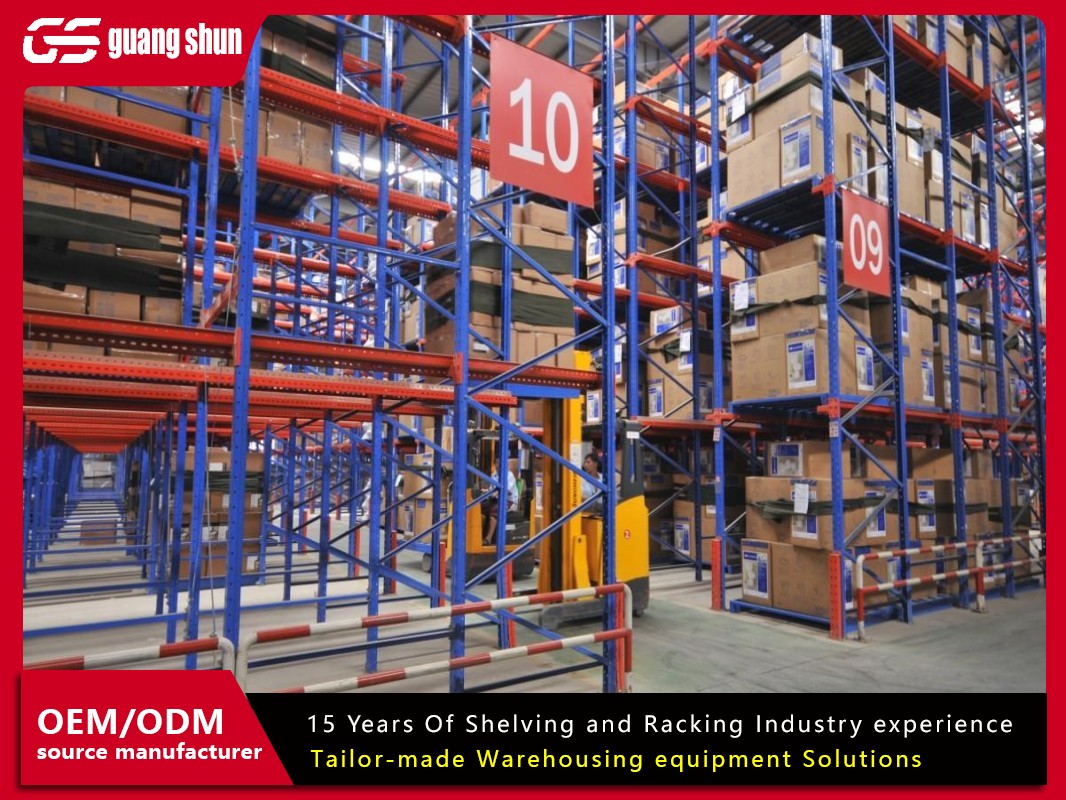
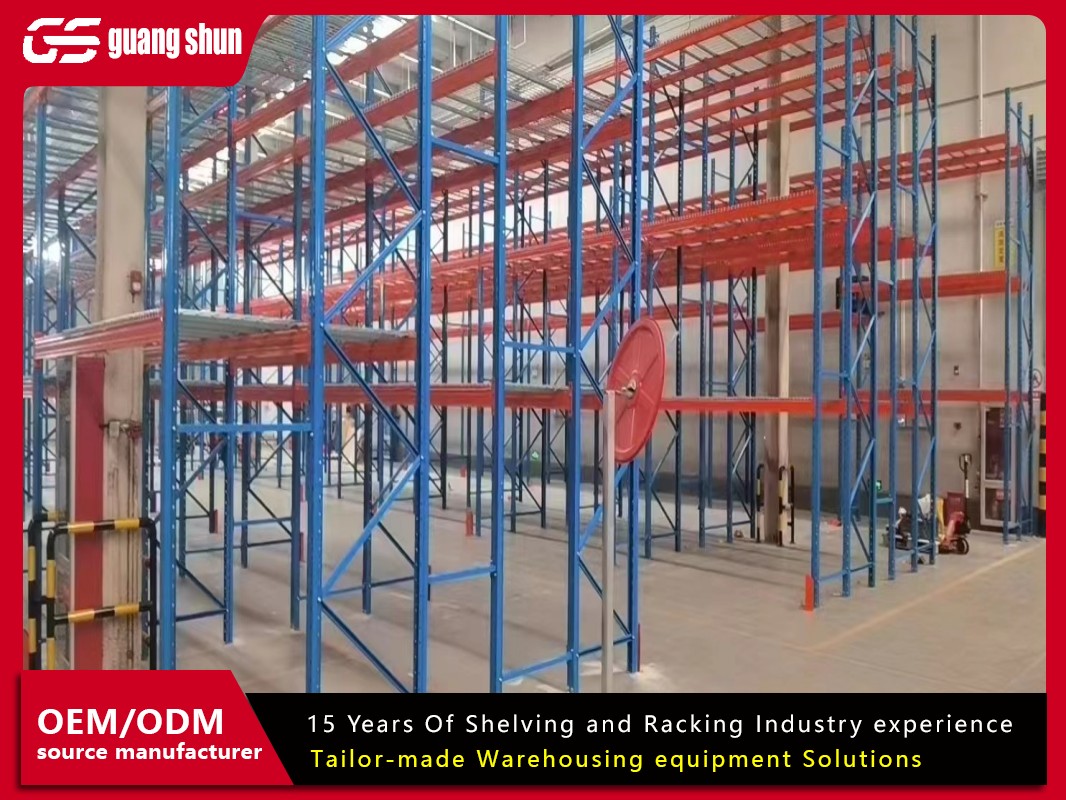
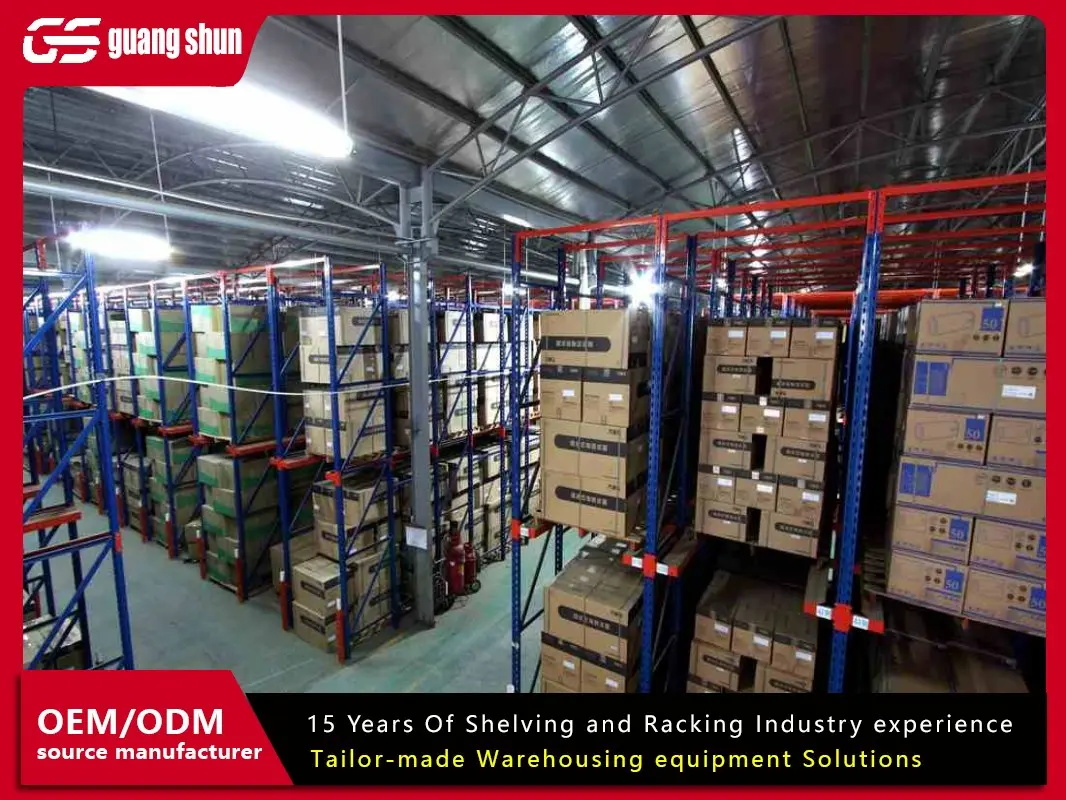
In modern industrial logistics, warehouse operations face constant pressure from rising facility lease rates, inventory diversification, and demanding fulfillment schedules. Achieving a balance between maximum floor space utilization and rapid inventory access is a persistent challenge for facility managers. Standard static racking systems often require a trade-off: they either provide high storage density at the cost of immediate selectivity, or they offer high selectivity while leaving substantial floor space underutilized for access aisles.
To overcome these challenges, warehouse engineers are increasingly turning to dynamic, high-density storage solutions. Implementing a dynamic solution like a mobile gravity flow rack allows facility managers to maximize space utilization while maintaining strict inventory rotation. This article provides an in-depth analysis of the technical specifications, mechanical principles, industrial applications, and engineering considerations of these advanced storage systems.
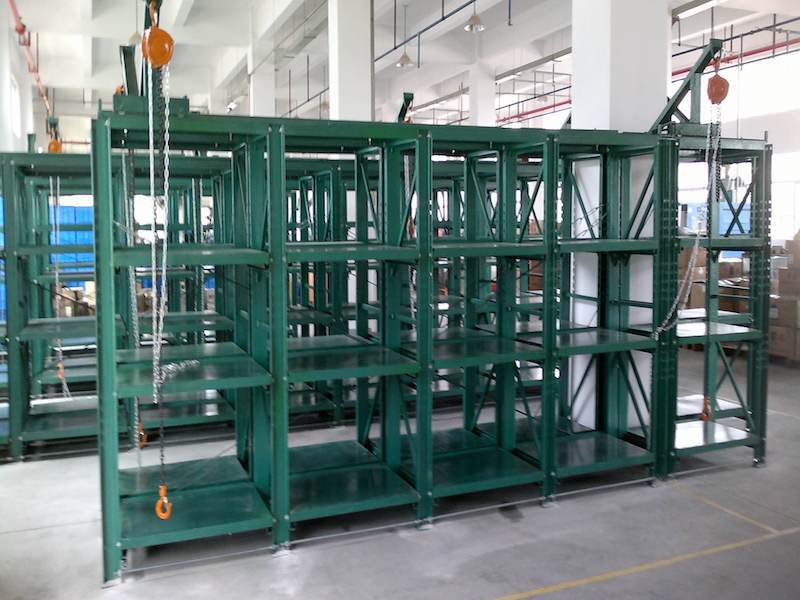
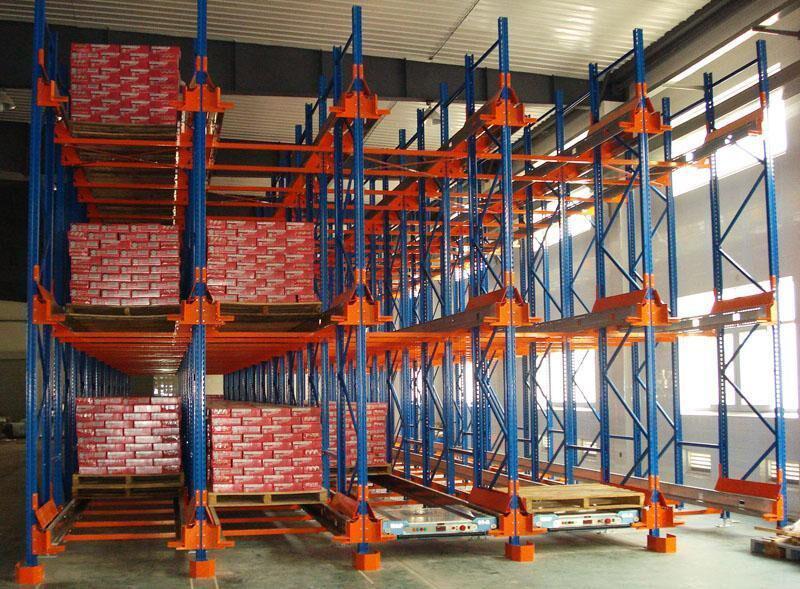
To understand the utility of these systems, one must examine their structural and mechanical components. A mobile gravity flow system combines structural rack framing with inclined roller tracks and a mobile chassis or heavy-duty caster assembly. This combination allows the entire rack unit to be relocated as operational needs dictate, while the gravity-fed tracks automate inventory movement within the rack lanes.
The core of the gravity flow mechanism lies in the tracks. These are typically composed of flow lanes fitted with rollers or skate wheels.
The structural uprights and beams are manufactured from high-tensile cold-rolled steel to support heavy loads without deflection. The beams are configured at an incline, typically angled between 2% and 4% (approximately 1.5 to 2.5 degrees). This precise slope uses gravitational force to glide loaded bins or cartons from the loading (charging) face to the picking (discharging) face without requiring electrical power.
Unlike stationary gravity flow systems, which are anchored permanently to the warehouse floor, mobile variations are mounted on robust wheel carriages or heavy-duty casters.
The fundamental logic driving gravity-fed storage is the First-In, First-Out (FIFO) inventory management methodology. This system ensures that the oldest stock received is always the first stock picked, which is vital for industries dealing with perishable goods, batch-controlled electronics, or items prone to rapid obsolescence.
When a warehouse operator places a carton onto the loading side of the rack, the incline causes the carton to roll forward toward the picking aisle. When the front carton is removed by a picker, the subsequent units in the lane automatically slide forward to fill the vacant space. This process provides several operational advantages:
The adaptability of mobile-base gravity flow systems makes them highly useful across several demanding industrial sectors. Below are the primary environments where these systems deliver significant operational improvements:
In lean manufacturing, components must be delivered to the assembly line in a precise sequence with minimal storage footprint. Mobile gravity flow units are frequently used as line-side kitting racks. Tuggers or AGVs can tow loaded racks from the main warehouse zone directly to the assembly line. Operators pull parts from the rack as vehicles move down the line, and once a rack is emptied, it is quickly rolled away and replaced with a fully loaded unit, maintaining continuous production flow.
With high SKU counts and rapidly changing seasonal demand, e-commerce fulfillment centers require storage layouts that can adapt weekly. Mobile flow racks allow fast-moving seasonal inventory to be positioned near packing stations during peak periods. Once the peak season passes, the racks can be repositioned to slower-moving zones, freeing up premium space near shipping docks for other fast-moving items.
In temperature-controlled storage environments like cold rooms or freezers, space is exceptionally expensive to maintain and operate. Utilizing dynamic storage options decreases the amount of cubic space that must be cooled. Because these systems consolidate aisles and operate on strict FIFO principles, they prevent product expiration while maximizing storage density within expensive cold storage facilities.
When evaluating storage solutions, warehouse directors must consider return on investment (ROI). Integrating a mobile gravity flow rack system reduces both space requirements and labor hours, as detailed in the comparative analysis below:
| Performance Metric | Standard Static Shelving | Mobile Gravity Flow Racks | Operational Impact |
|---|---|---|---|
| Storage Density | Low to Moderate (requires multiple access aisles) | High (consolidated lanes with single entry/exit aisles) | Saves up to 40% of floor space |
| Picker Travel Time | High (pickers must walk down multiple aisles to find SKUs) | Low (inventory flows to a single concentrated pick face) | Reduces travel time by 30% to 50% |
| Inventory Rotation | Manual LIFO/FIFO (prone to human error) | Automatic FIFO (enforced by gravity lane mechanics) | Eliminates expired or obsolete stock losses |
| Aisle Congestion | High (stockers and pickers share the same aisle space) | Zero (complete separation of loading and picking activities) | Improves overall picking safety and speed |
To ensure structural safety, manufacturers like Guangshun provide specialized load calculations and customized roller pitches. These customized engineering steps ensure that the rolling resistance matches the weight distribution of the stored materials, preventing sudden impacts or runaway loads at the picking face.
Designing an effective dynamic gravity system requires precise engineering calculations. If any variable is miscalculated, the system may suffer from hang-ups (where cartons stop rolling midway) or excessive speed (which can damage cartons or injure pickers).
Engineers must analyze the physical characteristics of the storage containers. Cardboard boxes can sag or bow under heavy humidity or weight, which increases friction and may prevent proper flow. Plastic totes with reinforced rims or flat bottoms are ideal for gravity lanes. The structural uprights must be engineered to withstand both static vertical loads and the dynamic forces generated when heavy products roll down the lane and come to a stop at the discharge face.
The optimal slope angle depends on the contact surface of the load and its overall weight. Light loads require a steeper incline to initiate rolling, while heavy, dense loads require a gentler slope. When designing a mobile gravity flow rack configuration, engineers conduct physical testing with the client's actual packaging materials to determine the correct incline angle, typically between 2.5 and 3.5 degrees.
For deep-lane gravity flow systems, speed controllers are integrated along the roller tracks. These centrifugal brake rollers slow down heavy cartons as they gain speed down the incline, ensuring safe arrival at the picking face. At the pick face, heavy-duty impact plates and end-stops are installed to absorb the remaining momentum of the load without damaging the product packaging or compromising the rack structure.
Floor flatness is another vital factor for mobile systems. Heavy dynamic loads moving on mobile bases require a level warehouse floor to prevent drift or accidental rolling. High-performance systems engineered by Guangshun ensure optimal rack stability through robust locking mechanisms and structural framing components designed to withstand daily industrial wear and tear.
Transitioning from static shelving to a dynamic, mobile-base flow configuration requires a structured implementation plan. To ensure a seamless transition, operations managers should follow these steps:
Partnering with Guangshun for your warehouse design ensures that all components—from wheels to roller tracks—meet rigorous safety and durability standards, protecting both inventory and personnel.
The mobile gravity flow rack represents a balanced approach to the dual challenges of space scarcity and high-speed fulfillment. By combining the high-density, FIFO-enforcing benefits of gravity lanes with the spatial flexibility of mobile bases, this technology provides modern warehouses with a highly adaptable tool to optimize their storage footprints. Implementing these systems helps facility managers reduce labor costs, eliminate picking errors, and optimize overall warehouse efficiency.
A1: Yes. These racks are highly compatible with warehouse management systems (WMS). They can be fitted with pick-to-light sensors, electronic shelf labels (ESL), or barcode scanning stations to streamline inventory tracking and picking accuracy.
A2: The load capacity varies depending on the specific model and configuration. Light-duty carton flow systems generally support 50 to 150 lbs per linear foot of track, while heavy-duty pallet systems can support up to several thousand pounds per lane when engineered with reinforced structural steel.
A3: Preventing hang-ups requires selecting the correct roller pitch (ensuring at least three rollers support the load at all times) and setting the appropriate slope angle. Regularly cleaning the rollers to remove dust and debris also helps maintain low rolling resistance.
A4: Yes. Mobile gravity systems are highly effective in cold storage because they maximize storage density, reducing the volume of space that must be refrigerated. For sub-zero temperatures, components are manufactured with low-temperature lubricants and specialized materials to prevent cracking and seizing.
A5: Routine maintenance involves a monthly visual inspection of the rollers and caster assemblies to check for debris, flat spots, or misalignment. Bearings should be kept clean, and locking mechanisms should be tested regularly to ensure they secure the rack firmly in place during active use.

 Wechat
Whatsapp
Wechat
Whatsapp