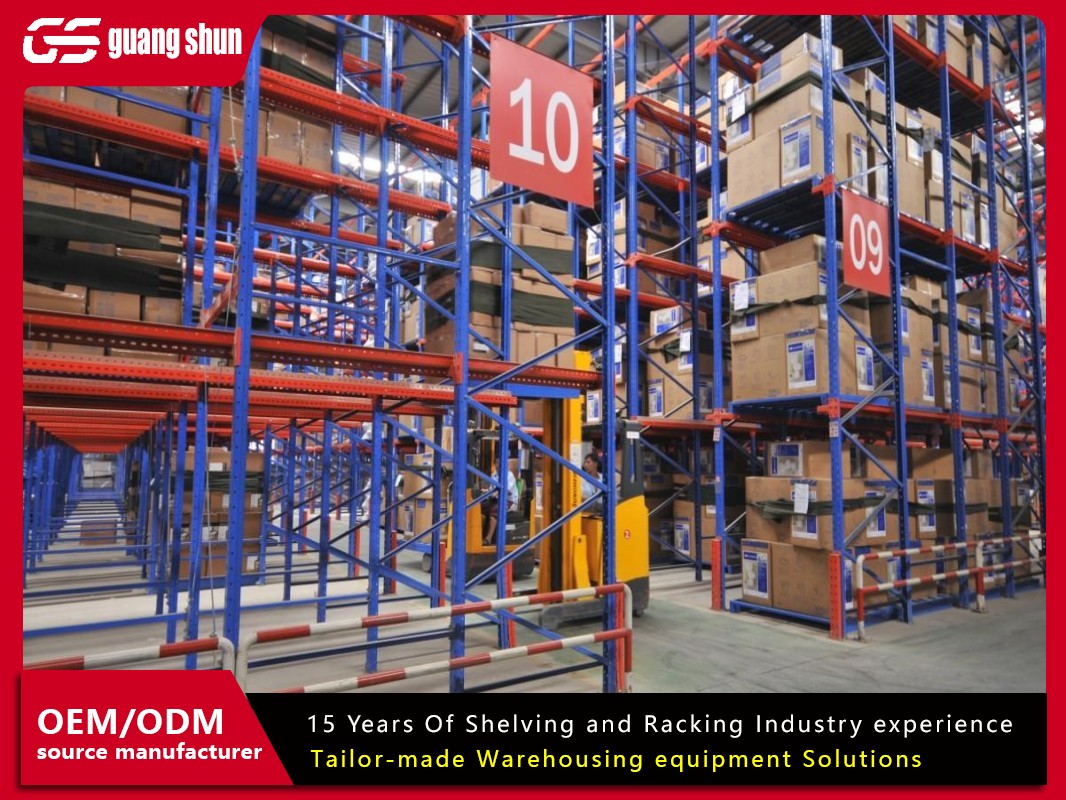
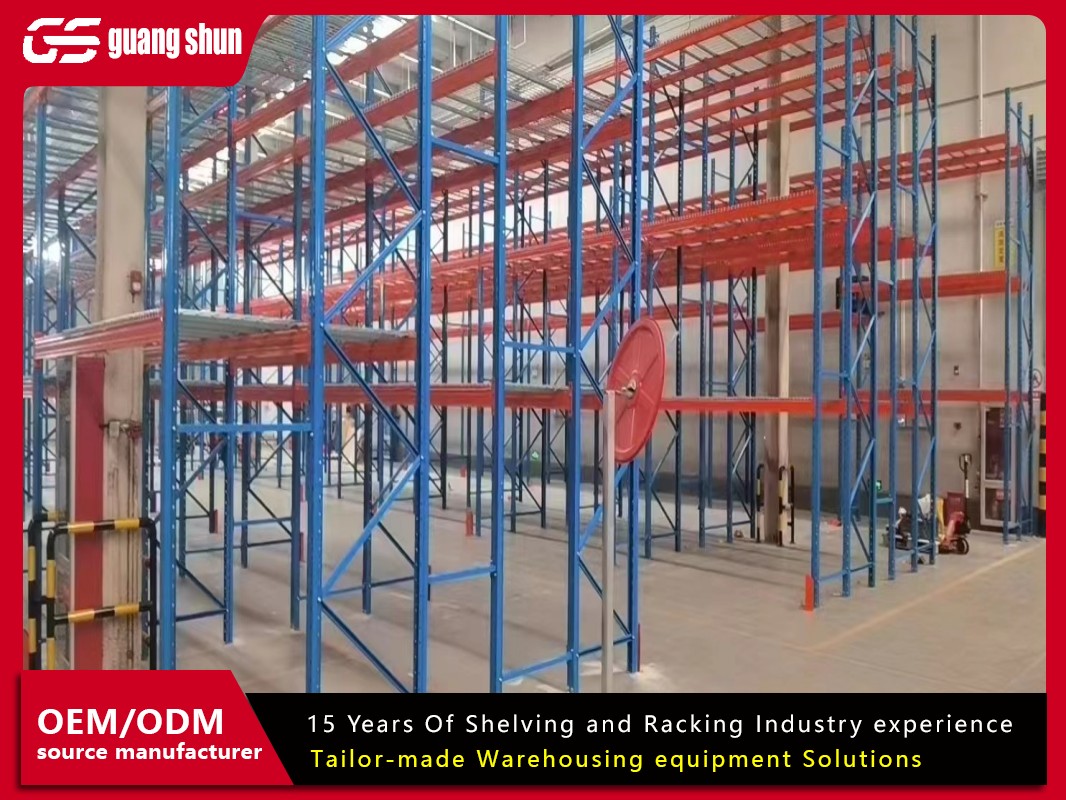
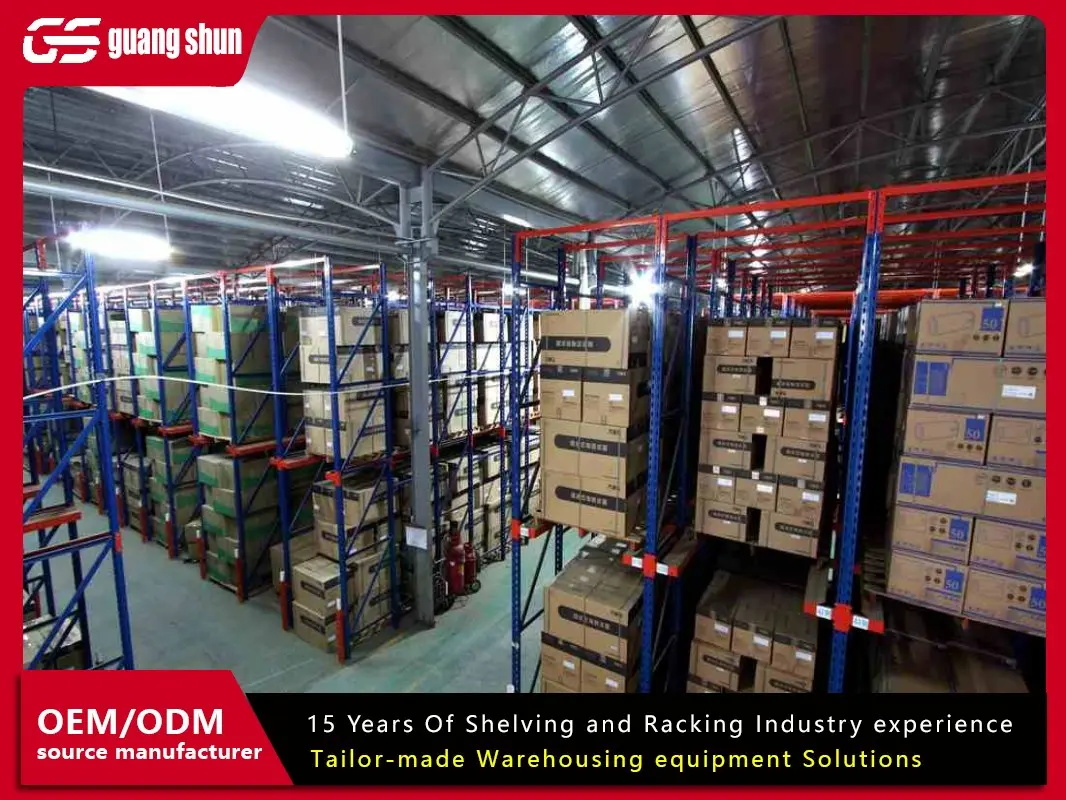
Industrial warehousing faces a persistent conflict: maximizing stored volume while maintaining rapid, error-free access to inventory. Static shelving, pallet racking, and fixed steel bins often force a compromise – either sacrifice aisle space or accept low density. mobile cage storage eliminates this trade-off. Engineered with mobility, modularity, and high-density nesting capacity, these systems transform how distribution centers, manufacturing cells, and third-party logistics providers manage material flow. Below, eight quantifiable performance metrics improved by adopting engineered mobile cage storage solutions, supported by technical data and real-world operational data.
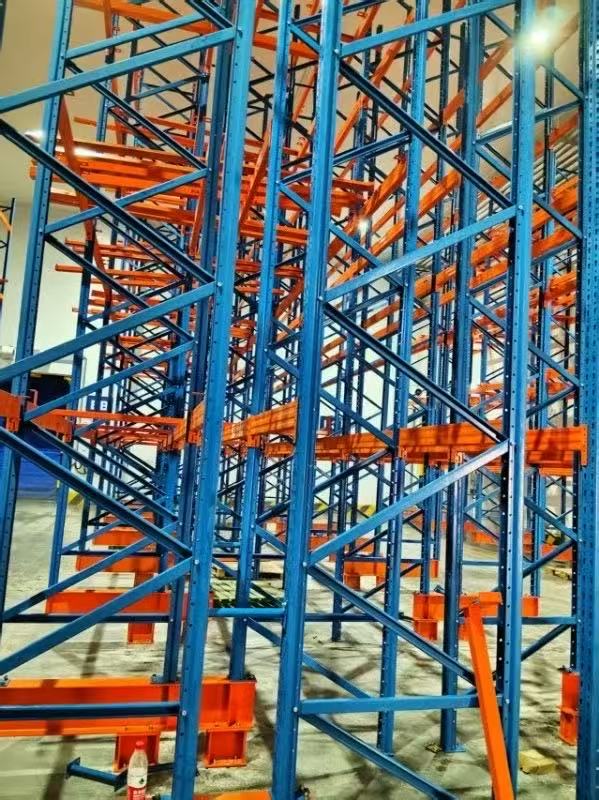
Traditional static storage dedicates 35–45% of floor space to non-productive handling aisles. mobile cage storage reduces this waste through two mechanisms: first, the cages can be repositioned to create temporary picking corridors; second, empty units nest (stack into each other) at a 4:1 ratio. A standard 1200x800mm wire mesh cage, when collapsed, occupies only 0.2m² versus 0.96m² in use. For a facility with 300 active cages, nesting during low-demand periods reclaims 228m² – enough for additional value-added workstations. Cross-dock operators report a 41% increase in storage density after switching from fixed shelving to wheeled cage systems (source: MHIA benchmark, 2023).
Mistakes during order fulfillment often stem from obstructed SKUs or excessive travel distances. Mobile cage storage employs fully welded mesh panels (50x50mm aperture) offering 360° visual access. Pickers confirm item presence without opening doors or removing bins. Moreover, color-coded cage frames or integrated label holders support zone-based slotting. In a pharmaceutical distribution audit, facilities using mobile cage storage reduced mis-picks by 27% compared to static racking because each cage functions as a portable, transparent picking zone. When integrated with barcode scanning, error rates drop below 0.3%.
Product damage during internal transport costs 2-5% of annual warehouse
operating budgets. Fixed storage does not address in-transit risks. Mobile cage
storage replaces plastic totes and cardboard boxes with robust steel
construction (2.0–2.5mm wire diameter, 50x100mm mesh). Features include:
Stacking cones with anti-slip polyamide pads – safe stacking up to 4 high (static load 2000kg per stack)
Optional hinged doors with latch lock – prevents accidental spillage during cart movement
Base frame reinforced with 3mm thick U-channel – eliminates sagging under heavy automotive parts or die-cast components
Third-party logistics providers for automotive OEMs observe a 63% reduction in component rejection rates after adopting mobile cage storage for inter-process material transport.
Professional mobile cage storage systems are not homogeneous. Guangshun engineers four load grades to match varied industrial demands:
Light-duty (≤300 kg): 25x25mm wire mesh, 4 swivel casters (polyurethane), ideal for e-commerce small parts.
Medium-duty (500–800 kg): 4.0mm wire diameter, 2 fixed + 2 swivel casters (nylon wheel, bearing capacity 350kg/caster), used in assembly line feeding.
Heavy-duty (1000–1500 kg): 6mm wire, reinforced corner brackets, pneumatic or steel wheels – suitable for die storage or engine blocks.
Collapsible high-density (500 kg): hinge mechanism allows 75% height reduction, return logistics fuel saving up to 40%.
All structural components comply with EN 15629:2008 and ISO 9001:2015. Load test certificates available per batch. Mobile cage storage from certified suppliers also includes electrostatic powder coating (80-120µm thickness) offering 500+ hours salt spray resistance – crucial for cold storage or chemical environments.
Static storage induces three recurring inefficiencies: (a) forklift waiting time due to blocked racks, (b) empty travel for replenishment, (c) seasonal SKU fluctuations. A 2022 lean logistics study across six European warehouses (ranging from 5,000 to 45,000 m²) quantified improvements after full conversion to mobile cage storage:
Average forklift travel distance per pick: reduced 34% (from 187m to 123m).
Empty back-and-forth moves: cut by 58% as cages are moved directly to packing stations.
Seasonal storage peaks: handled by temporarily doubling cage rows without civil works – achieved 112% space flexibility.
Moreover, because mobile cages can be re-allocated across departments, capital expenditure per stored pallet equivalent dropped 31% over three years compared to adding fixed racking bays.
Mobile cage storage is designed for seamless integration with manual pallet trucks, AGVs (automated guided vehicles), and reach trucks. Key integration features:
Under-clearance of 100–150mm allows standard pallet jack entry from four sides.
Option for tow coupling pins – line up 6–8 cages as a road train for batch picking.
Compatible with RFID slots and QR code plates for real-time location systems (RTLS).
Ergonomically, swivel casters with double ball bearings reduce initial push force to under 8kg per 300kg load. Adjustable handle height (850-1100mm) and anti-vibration grip are available for manual movement. A leading German auto parts manufacturer reported a 47% decrease in musculoskeletal injuries after replacing fixed shelves with mobile cage storage in kitting areas.
For two decades, Guangshun has specialized in high-cycle industrial storage equipment. Unlike generic wire containers, Guangshun mobile cage storage systems undergo finite element analysis (FEA) to verify weld points under dynamic braking forces. The factory in Guangdong operates automated mesh welding robots ensuring consistent 4mm wire gaps. Customizations available:
Half-drop gates for sequential parts access
Stainless steel version for food/pharma (hygienic design, no sharp edges)
ESD casters for electronics assembly
Thermoplastic rubber bumpers to protect door frames and conveyors
Every unit from Guangshun ships with a 3-year structural warranty and 1-year caster warranty. For large-scale projects, the engineering team provides 3D layout simulation to calculate optimal cage-to-aisle ratios. Visit the product portfolio at Guangshun Racking Products for technical datasheets.
Safety regulations for movable storage equipment are often overlooked, leading to tip-over accidents. Compliant mobile cage storage must meet:
EN 1757-3 (Safety of industrial trucks – mobile work platforms): requires a safety factor of 1.5 against overturning when loaded and moved.
OSHA 1910.176 (Handling materials – general): mandates that stacked cages have positive interlocking.
ISO 14001 (environmental): powder coating must be heavy-metal free.
Guangshun cages integrate safety stops: stacking pins prevent lateral displacement, and a floor lock (optional) fixes the cage during high-frequency loading. For applications with ramps, specify wheel brakes on both swivel casters. Documentation of load tests and weld inspections is provided per ISO 3834. Facility managers should also schedule quarterly caster cleaning and bolt torque checks – a 10-minute routine that extends service life beyond 12 years.
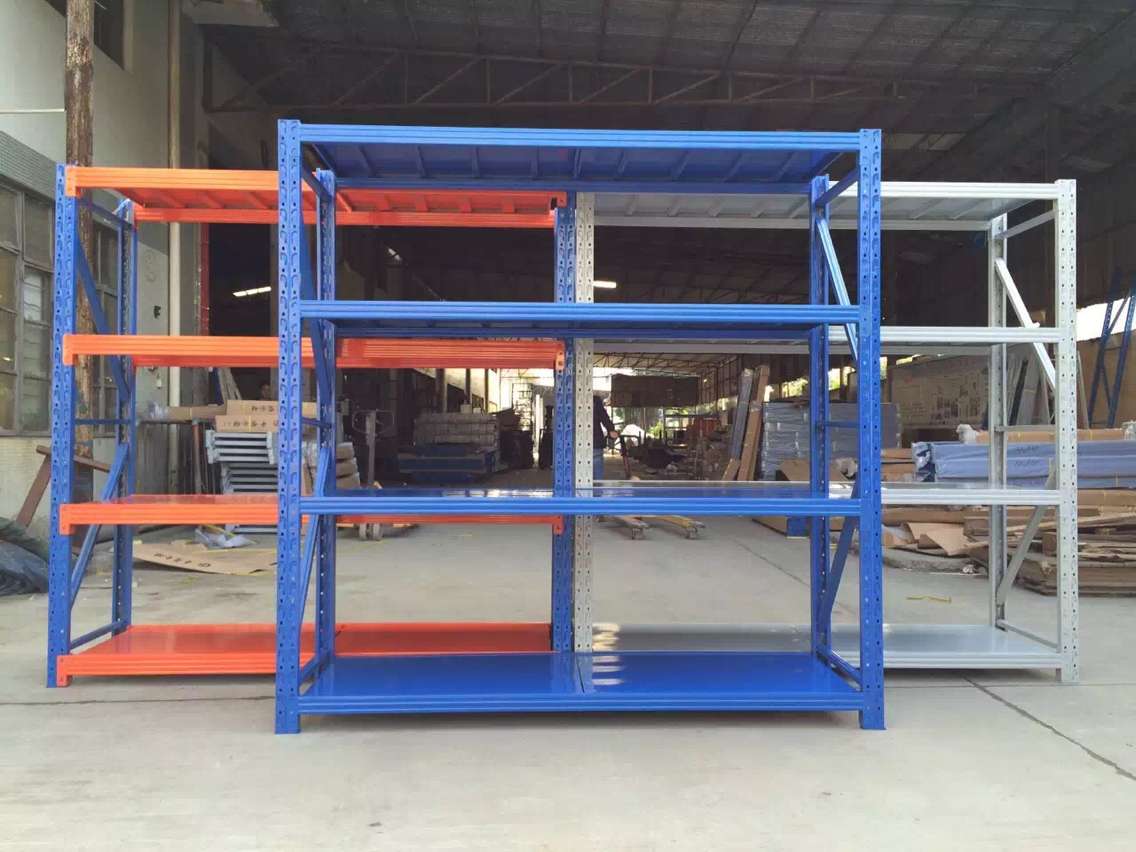
The shift from static to mobile cage storage is not a trend; it is a verifiable operational upgrade. The eight metrics discussed – space utilization, picking accuracy, load protection, technical load tiers, travel distance reduction, ergonomic flow, engineering quality, and safety compliance – all contribute to a typical payback period of 8–14 months. For warehouses handling mixed SKUs, seasonal inventory swings, or JIT manufacturing, the flexibility of mobile cages outperforms fixed systems in both cost-per-slot and labor efficiency. Leveraging engineered solutions from established manufacturers like Guangshun ensures that your investment meets international standards and adapts to future automation integration.
Q1: What is the maximum static and dynamic load for a typical mobile
cage storage unit?
A1: Static load capacity ranges from 500 kg to
1500 kg depending on wire diameter and base frame design. Dynamic load (while
moving) should not exceed 70% of static rating – e.g., a 1000 kg static cage is
rated for 700 kg when towed. Always check the supplier's load test certificate.
Guangshun's heavy-duty series supports 1500 kg static / 1000 kg dynamic.
Q2: Can mobile cage storage be used with automated guided vehicles
(AGVs) and conveyor systems?
A2: Yes. Most industrial AGVs with
underride or tow-pin coupling can move cages. Ensure the cage has a standardized
towing coupling (DIN 15140 or similar) and a flat bottom clearance of at least
90mm for AGV fork entry. Guangshun offers AGV-ready cages with magnetic guidance
strips and inductive sensors recessed into the base.
Q3: How do I prevent corrosion when using mobile cage storage in cold
storage or seafood processing?
A3: Standard zinc plating or powder
coating is insufficient for high-humidity or salty environments. Specify hot-dip
galvanized (HDG) finish per ISO 1461 (minimum 85µm thickness) or stainless steel
grade 304. Also use nylon casters instead of steel to avoid rust. Guangshun
provides HDG and stainless steel versions with 600-hour salt spray resistance,
documented by third-party testing.
Q4: What maintenance schedule is recommended for wheels and casters
on mobile cages?
A4: For daily operations (two shifts), inspect
casters every 500 operating hours: remove thread debris, lubricate swivel
bearings with lithium grease, and check for flat spots on polyurethane wheels.
Replace any caster with side-play exceeding 2mm. Guangshun’s casters come with
sealed ball bearings to reduce maintenance frequency to quarterly intervals.
Q5: Can I stack different sizes of mobile cages on top of each
other?
A5: Stacking is only safe when cages are of identical
footprint and have compatible stacking cones/pockets. Mixing sizes creates
uneven load distribution and tip risk. Always stack within the same product
series. Guangshun’s nesting cages are designed with universal stacking
interfaces across the 600x400mm, 800x600mm, and 1200x800mm sizes – but mixing is
not recommended for high stacks (exceeding 3 units).
Q6: Are there fire safety regulations regarding mobile cage
storage?
A6: Yes. NFPA 13 (sprinkler systems) requires that any
movable storage unit must not block sprinkler discharge patterns. Maintain at
least 450mm clearance from sprinkler heads. Also, mobile cages should be stored
in a configuration that does not impede emergency exit pathways. Mesh design
(over 70% open area) is preferred because it allows water penetration and heat
dissipation, which is superior to solid-sided bins.
Q7: How does the total cost of ownership compare between mobile cage
storage and static shelving over 10 years?
A7: A life-cycle analysis
(2021) shows that while initial investment per stored position is 15-20% higher
for mobile cages, cumulative operating costs (labor for moving goods, floor
space rent, maintenance) are 34% lower because of adaptability to SKU changes.
TCO per pallet equivalent after 10 years: static racking: $1,870; mobile cage
storage: $1,240 (assuming 5% annual rent increase).
Q8: Can I retrofit my existing wire containers into mobile cage
storage?
A8: Retrofitting requires welding caster brackets and
reinforcing the bottom frame – this is not recommended unless done by the
manufacturer. Inadequate welding can cause structural failure during movement.
Guangshun provides a trade-in program where old wire containers are recycled
into raw material for new mobile cages, offering a 12% discount on the first
purchase order.

 Wechat
Whatsapp
Wechat
Whatsapp