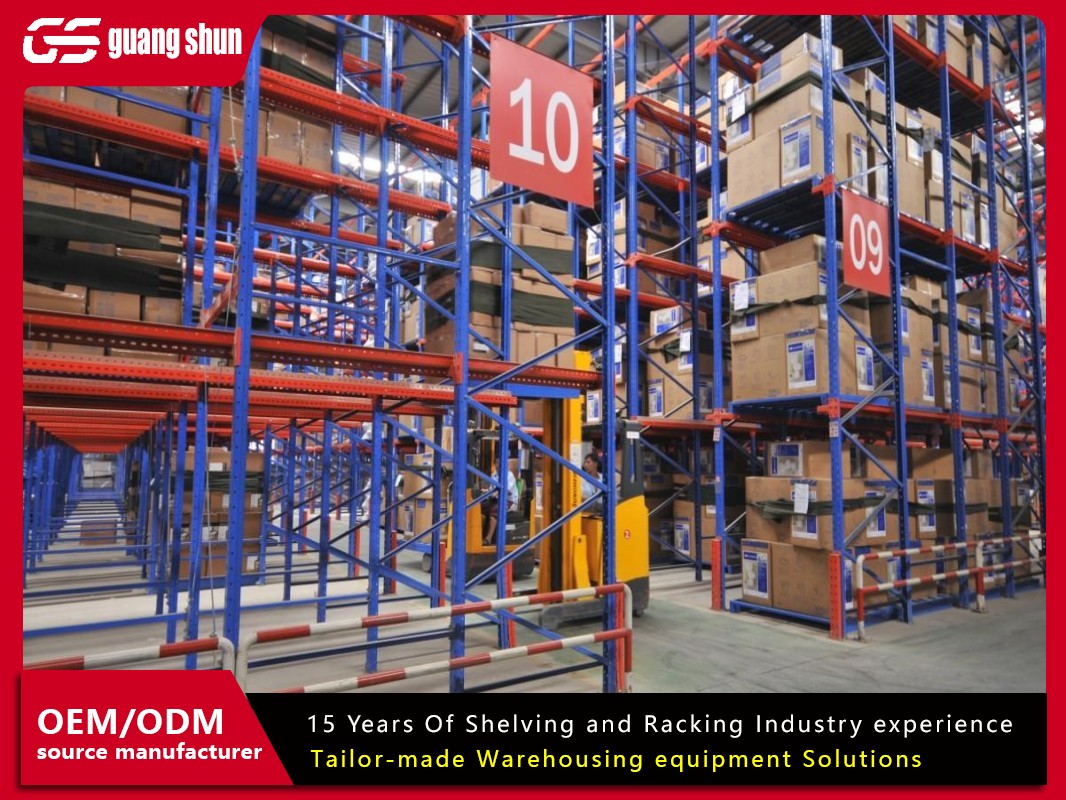
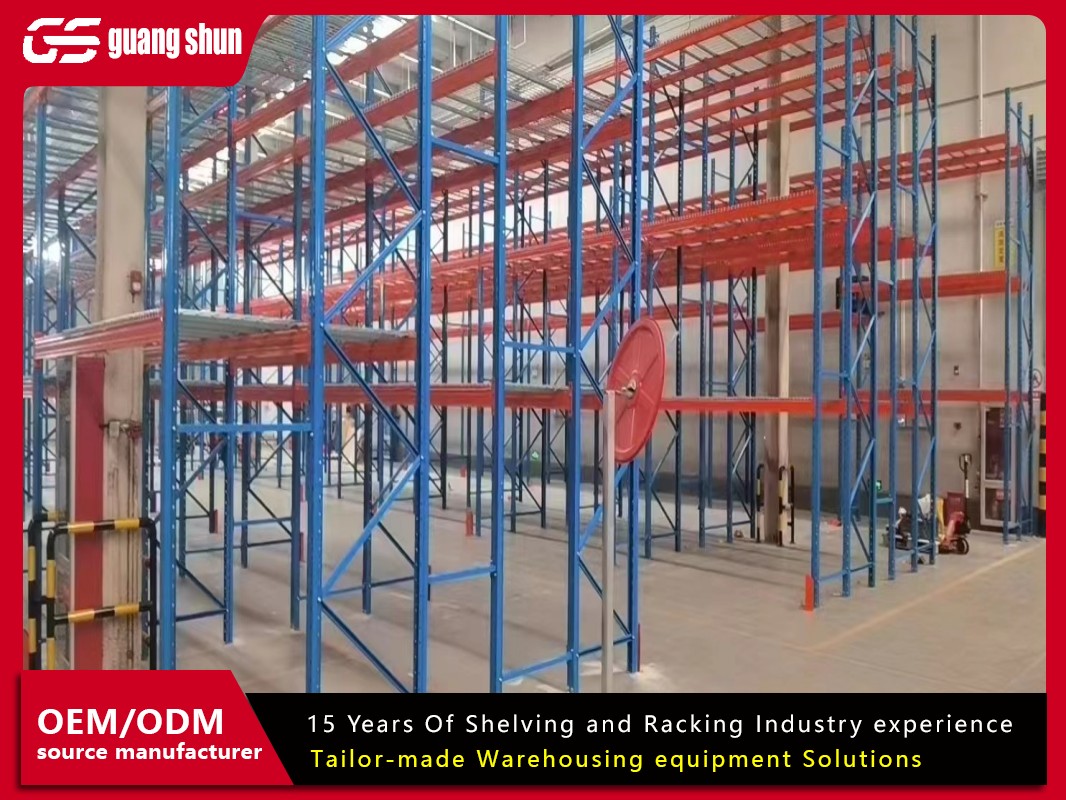
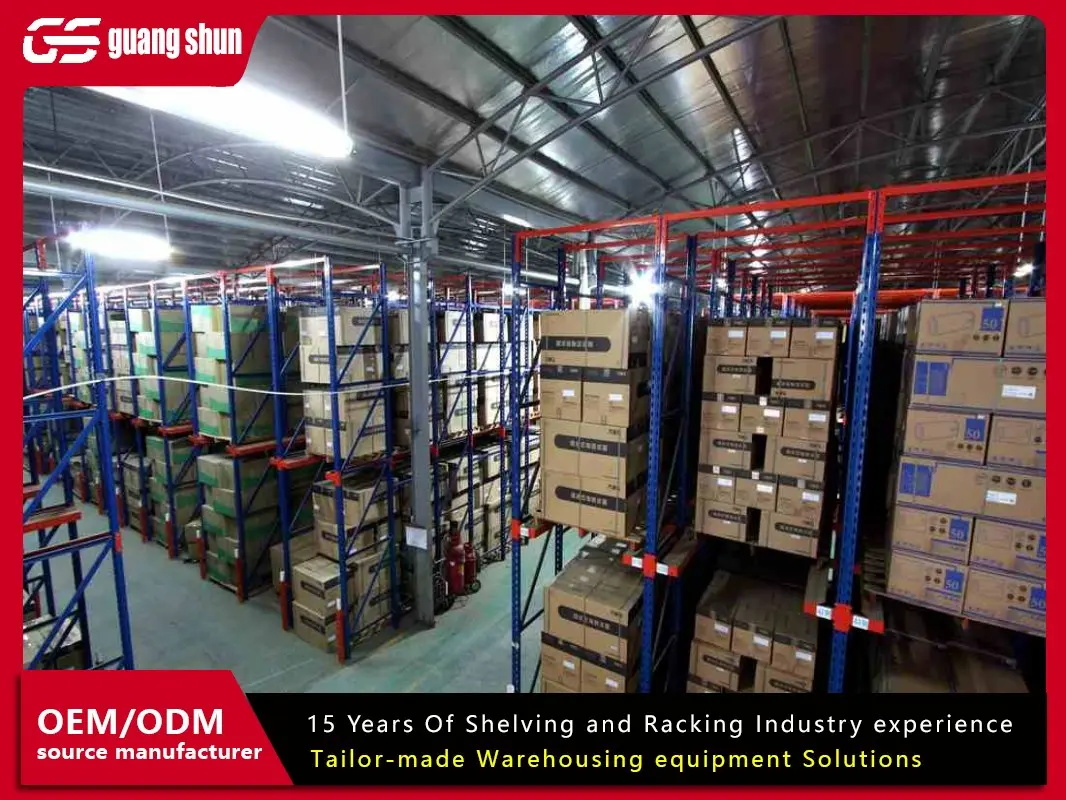
Warehouse theft and inventory shrinkage remain persistent challenges. Industry studies indicate that internal theft accounts for approximately 30% of inventory loss in distribution centers, with high-value electronics, pharmaceuticals, and automotive components being primary targets. A mobile security cage addresses this vulnerability by combining physical access control with operational mobility—a dual-function asset that static security cabinets cannot replicate.
This analysis examines the engineering specifications, material standards, and application scenarios that determine whether a rolling security container performs effectively in demanding logistics environments. The focus is on measurable criteria: wire gauge, load capacity per caster, locking mechanism ratings, and compliance with international material handling standards.
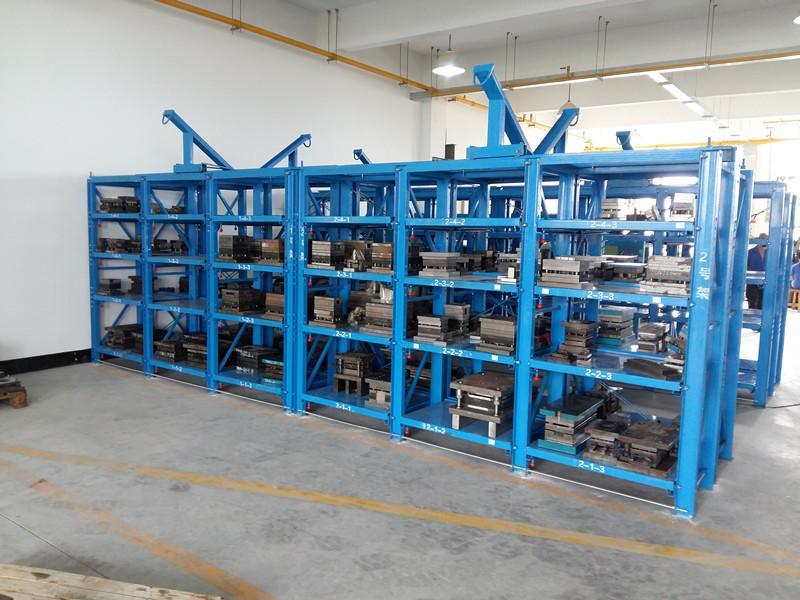
A mobile security cage is a wheeled, enclosed storage unit constructed from welded wire mesh or expanded metal, designed to secure high-value inventory while allowing visual inspection and air circulation. Unlike fixed security rooms or solid steel cabinets, these units are engineered for movement between zones—receiving docks, quality inspection areas, assembly lines, and dispatch bays.
The fundamental engineering challenge involves balancing three competing requirements: structural rigidity under load, maneuverability across uneven surfaces, and tamper resistance at access points. Guangshun, a racking manufacturer with over 15 years of production experience and exports to 30 countries, addresses this through modular frame construction and standardized caster mounting plates.
Wire mesh panels: Typically 50mm × 50mm or 50mm × 100mm grid openings, with wire diameters ranging from 4mm to 6mm depending on security level
Frame tubing: 25mm × 25mm or 30mm × 30mm square steel tube, wall thickness 1.5mm to 2.5mm
Caster mounting plates: 100mm × 100mm or 120mm × 120mm steel plates welded to base frame corners
Locking bars: 8mm to 12mm diameter steel rods with hardened hasps or integrated cylinder locks
Base reinforcement: Cross-bracing or perimeter channels to distribute point loads from casters
The load rating of a mobile security cage is not a single number—it is a system calculation involving the cage structure, caster capacity, floor conditions, and load distribution. A common specification error involves selecting casters based on total cage weight without accounting for dynamic loads during movement.
For a four-caster configuration, the standard industry formula applies a safety factor of 1.5 to 2.0 times the static load:
Static load per caster: Total weight ÷ 4
Dynamic load per caster: Static load × 1.5 (for manual movement) or × 2.0 (for powered towing)
Shock loading: Additional 25% for surfaces with expansion joints or dock levelers
A 1,200 kg capacity mobile security cage with four casters requires each caster to support 300 kg static, 450 kg dynamic, and approximately 560 kg under shock conditions. This demands casters with a minimum 600 kg rating—typically 200mm diameter wheels with polyurethane treads on cast iron cores.
Polyurethane on cast iron: Best for concrete and epoxy floors; high load capacity, moderate rolling resistance
Nylon: Low rolling resistance on smooth floors; unsuitable for impact-prone areas due to brittleness
Rubber on steel: Noise reduction on tile or uneven surfaces; higher rolling resistance, lower load capacity
Phenolic: High-temperature resistance for cold storage transitions; limited to moderate loads
The security function of a mobile security cage depends entirely on its locking system. A 4mm wire mesh panel offers minimal resistance to bolt cutters, but the access point—typically a hinged door or removable panel—represents the primary vulnerability.
Padlock hasp: External hasp welded to door frame and cage body; accepts user-supplied padlocks (recommend 12mm hardened steel shackle)
Integrated cylinder lock: Flush-mounted cam lock with hardened steel bolt; eliminates exposed hasp but requires key management system
Electronic lock: Keypad or RFID-controlled solenoid bolt; provides audit trail but requires power source or battery replacement schedule
Security seal provisions: Hasp design that accommodates numbered tamper-evident seals for high-value shipments
For pharmaceutical and electronics applications, a dual-locking configuration—padlock hasp plus integrated cylinder lock—provides redundant access control. This meets the chain-of-custody requirements outlined in GDP (Good Distribution Practice) guidelines for temperature-sensitive products.
The operating environment determines the required surface treatment. A mobile security cage used in a dry electronics assembly area has different corrosion requirements than one cycling between a freezer at -25°C and a humid loading dock.
Powder coating (RAL colors): 60-80 microns thickness; suitable for indoor warehouse environments; impact resistance superior to wet paint
Hot-dip galvanizing: 45-85 microns zinc coating; recommended for outdoor storage or wash-down areas; sacrificial protection at weld points
Zinc plating + powder coat: Dual-layer protection for cold storage where condensation accelerates rust formation
Stainless steel (304 or 316): For food processing, pharmaceutical clean rooms, or chemical exposure; significant cost premium
Understanding where mobile security cages create measurable ROI requires examining specific warehouse workflows. The following scenarios represent common deployment patterns across Guangshun's client base of third-party logistics providers, e-commerce fulfillment centers, and manufacturing operations.
Incoming shipments of semiconductors, CPUs, and finished consumer electronics require immediate secure storage during quality inspection. A mobile security cage positioned at the receiving dock allows:
Direct loading from truck to cage without intermediate staging
Movement to inspection station while maintaining locked access
Transfer to bonded storage or dispatch without repacking
Temperature-sensitive biologics and vaccines require continuous monitoring. A mobile security cage with caster wheels rated for -30°C environments allows movement between refrigerated storage, dispensing pharmacy, and packing areas without breaking the temperature chain. The wire mesh construction permits airflow, preventing cold spots that occur in solid-walled cabinets.
Maintenance, repair, and operations (MRO) supplies represent a significant shrinkage risk in manufacturing facilities. A mobile security cage assigned to each production zone creates accountability—the cage becomes the tool crib, and the locking system enforces checkout procedures. The mobility allows repositioning as production lines change.
Industrial mobile security cages fall under several regulatory frameworks depending on application and jurisdiction:
EN 15512: Steel static storage systems—not directly applicable but provides structural calculation methodology
ISO 9001: Quality management certification for the manufacturing process
CE marking: Required for equipment sold in the European Union; involves conformity assessment for machinery safety
OSHA 1910.176: Materials handling and storage—general requirements for secure storage
GMP Annex 1: For pharmaceutical applications, specifies cleanability and material traceability
Guangshun manufactures mobile security cages under an ISO 9001 quality system, with material certificates available for pharmaceutical and food-grade applications. The company's 10,000㎡ production facility in Shenzhen includes dedicated welding fixtures and powder coating lines for consistent output.
A1: The terms are often used interchangeably, but "rolling security cage" typically refers to units with smaller casters designed for manual movement within a single zone, while "mobile security cage" implies heavier-duty caster systems suitable for towing or long-distance movement across facilities. The distinction lies in caster specifications and frame reinforcement.
A2: Stacking loaded mobile security cages is not recommended unless the units are specifically designed with stacking posts and the casters are removed or retracted. Standard casters are not designed to support the point loads of a stacked cage above them. If vertical storage is required, consider a fixed racking system with removable security panels.
A3: Small parts (under 50mm) require 25mm × 25mm mesh. General merchandise and cartons use 50mm × 50mm. For applications requiring visibility and airflow but not containment of small items, 50mm × 100mm mesh reduces weight and cost. Security level should be matched to the value and size of the smallest item being stored.
A4: Caster maintenance includes: quarterly inspection of swivel bearings for smooth rotation, lubrication of wheel axles every 6 months (or 500 km of movement), and immediate replacement of wheels showing flat spots or tread separation. In cold storage, use low-temperature lubricants and inspect for condensation-induced corrosion.
A5: Standard manual mobile security cages are not AGV-compatible. AGV integration requires: reinforced base frame with defined towing or lifting points, caster locks that engage in a fixed orientation during transport, and a control interface for the AGV to communicate cage status. Guangshun can engineer AGV-ready configurations for volume orders.
A6: The highest practical security for a mobile security cage combines a hardened steel padlock (12mm minimum shackle diameter) with an integrated cylinder lock and a tamper-evident seal. Electronic locks offer audit trails but introduce power dependency. No locking system prevents angle grinder attacks—physical security should be layered with facility access control and CCTV.
Selecting a mobile security cage based solely on price per unit ignores the total cost of ownership. A unit with undersized casters fails within 18 months under daily movement. A cage with inadequate locking provisions creates a false sense of security that can increase insurance liability. A finish specification unsuited to the environment requires premature replacement.
The engineering data presented here—load calculations, caster selection criteria, locking mechanism ratings, and finish specifications—provides a framework for specifying mobile security cages that perform reliably across the 10-15 year expected service life of industrial storage equipment. For operations requiring integration with existing racking systems or custom dimensions, Guangshun provides engineering support and production capacity for both standard and modified designs. The company's experience across 30 export markets includes cold storage, pharmaceutical, and electronics applications where security and mobility requirements are most demanding.
Warehouse managers evaluating mobile security cage options should request: caster load test certificates, weld inspection reports, powder coating thickness measurements, and a sample locking mechanism for physical evaluation before committing to a full deployment.

 Wechat
Whatsapp
Wechat
Whatsapp