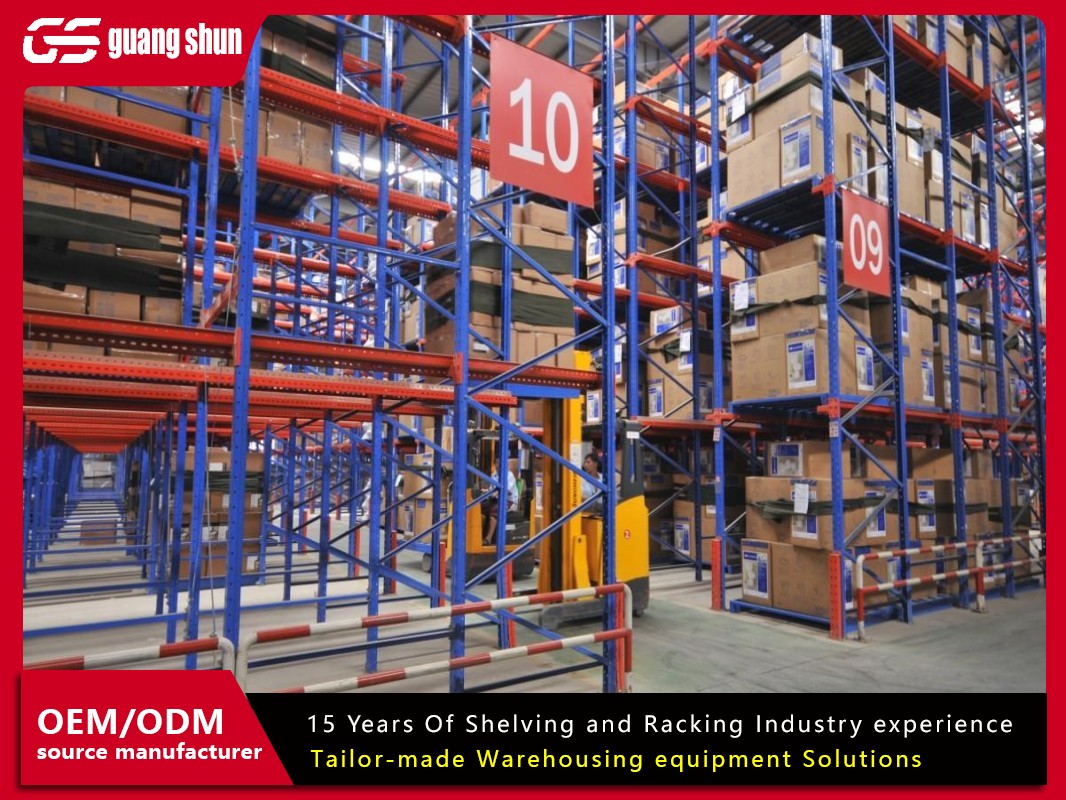
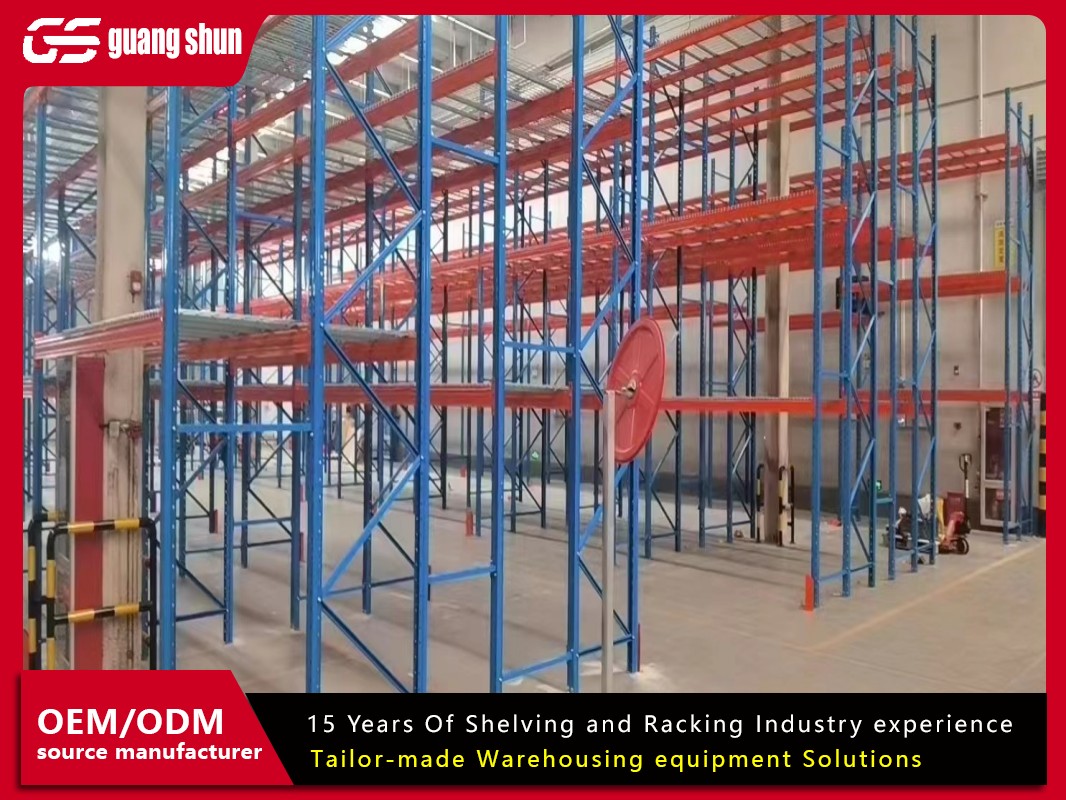
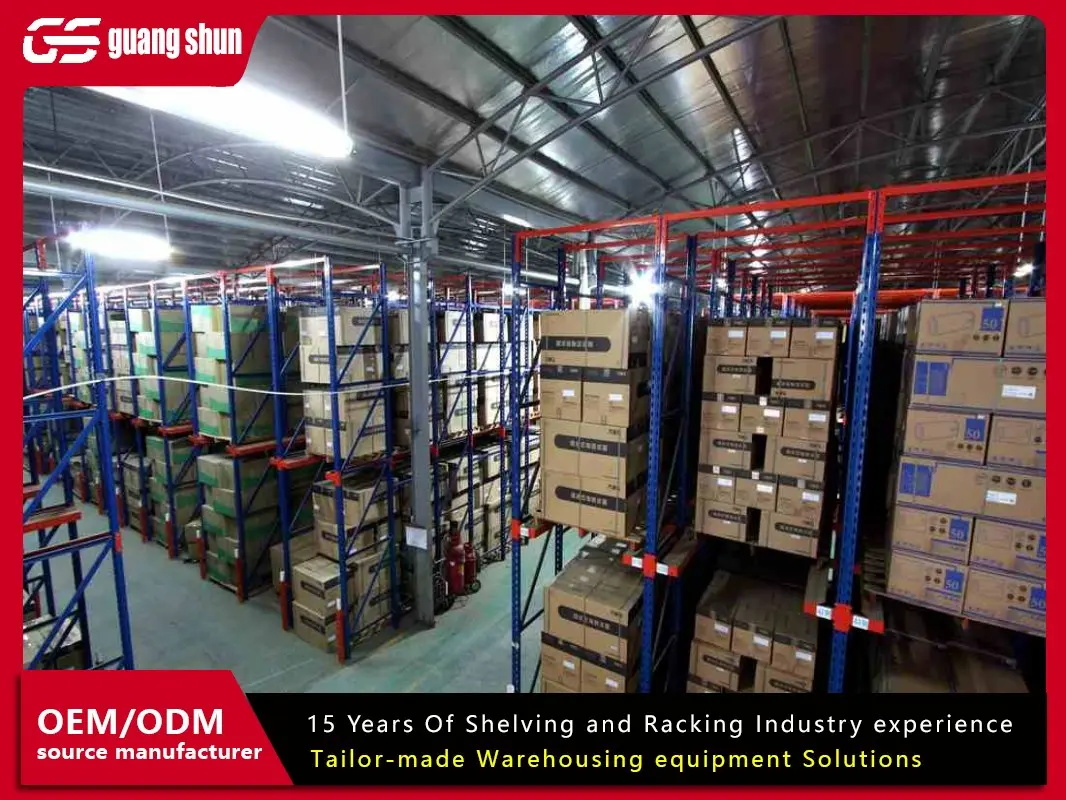
For operations managers and logistics directors, the choice of storage infrastructure directly impacts throughput, labour costs, and safety metrics. This article examines the stackable storage system from an engineering and operational perspective, providing quantitative insights into load capacities, configuration flexibility, and long-term ROI across multiple industry verticals.
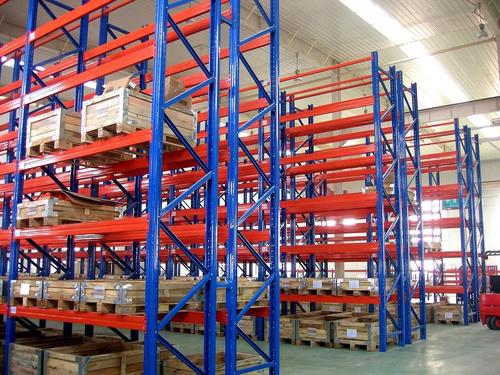
At its core, a stackable storage system is a modular framework designed to support vertical load distribution while maintaining horizontal stability. Unlike fixed shelving or cantilever racks, stackable units rely on interlocking corner posts, beam-to-column connections, and base plates that transfer weight evenly to the floor. The engineering principle is straightforward: each tier adds compressive load to the columns below, with the total capacity governed by column gauge, bracing pattern, and material grade.
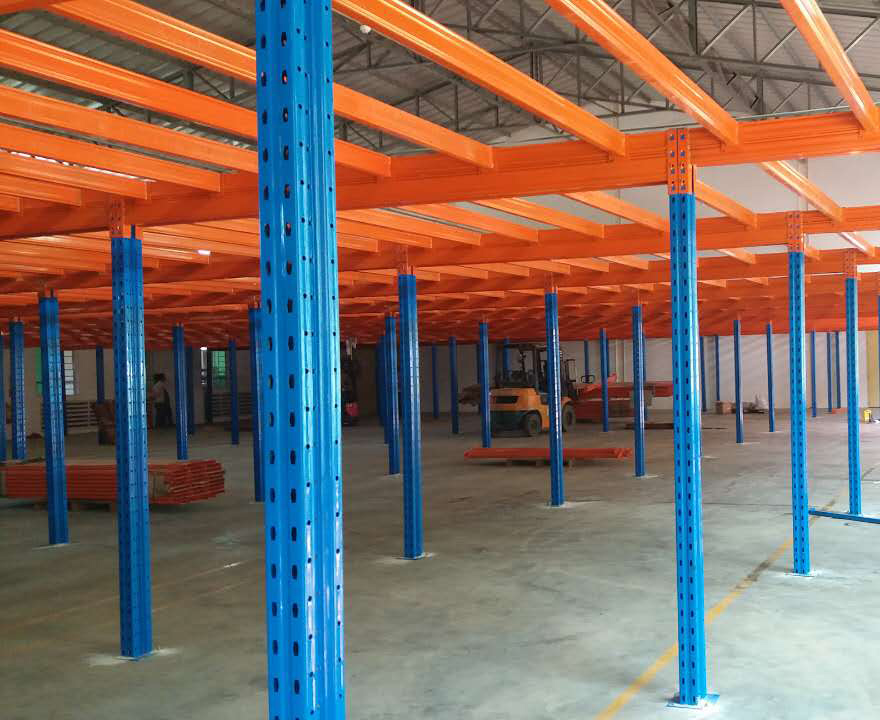
Modern designs incorporate punched holes along the column faces at 50 mm or 75 mm pitch, allowing beam height adjustments without welding or cutting. This feature is particularly valuable in multi‑SKU environments where pallet dimensions vary. The beam-to-column connection uses either a bolted or a rivet‑lock mechanism, with the latter offering faster assembly during peak installation periods. For seismic zones, additional diagonal bracing and base anchors are specified to resist lateral forces, transforming the stackable storage system into a rigid frame that meets international building codes.
High‑tensile steel—typically S275JR or S355MC—forms the backbone of professional storage solutions. The choice of steel grade determines the section modulus of the beams and the buckling resistance of the uprights. For cold‑storage environments (down to –30 °C), impact‑tested steel with guaranteed toughness is mandatory. Surface protection involves either hot‑dip galvanizing (zinc coating > 85 µm) or electrostatic powder coating (polyester or epoxy‑polyester hybrid) with a curing cycle that ensures adhesion and corrosion resistance. Salt‑spray testing per ASTM B117 is a common quality benchmark, and reputable manufacturers like Guangshun routinely publish these test results for each batch.
While any vertical storage solution saves floor space, the stackable storage system excels in scenarios that demand frequent reconfiguration, mixed pallet sizes, and medium‑to‑heavy load per bay (1.5 to 4.5 tonnes per beam level). Three verticals show particularly strong adoption:
Automotive parts distribution: Engine blocks, transmission housings, and stamped body panels have irregular footprints. Stackable beams with adjustable positions accommodate these shapes, while the open structure allows forklift operators to place and retrieve loads with minimal obstructions.
Third‑party logistics (3PL) hubs: 3PL warehouses handle dozens of clients with varying pallet dimensions and turnover frequencies. A stackable design lets the facility manager alter bay heights week‑by‑week, responding to inbound shipment profiles without investing in new racking.
Food and beverage cold stores: In frozen or chilled environments, the system's galvanised finish resists moisture and mild acidic residues. The open beam configuration promotes air circulation, reducing temperature stratification and helping maintain uniform product temperatures across all tiers.
An e‑commerce fulfilment centre processing 25,000 orders per day reduced its picking travel distance by 22 % after migrating from static pallet racks to a stackable storage system with a wave‑picking layout. The reconfiguration involved lowering beams on the first two levels for fast‑moving items and raising beams on upper levels for slow‑moving reserve stock. The entire re‑profiling took a single weekend, demonstrating the operational agility that fixed systems cannot match.
Warehouse managers frequently cite capacity, safety, maintenance, flexibility, and cost as primary concerns. A properly engineered stackable storage system addresses each with measurable outcomes.
Static racking often wastes cubic volume because beam levels are set to the largest pallet in the fleet. Stackable solutions with 75 mm pitch increments let operators fine‑tune each bay, recovering 8–12 % of usable space on average. This translates to either delaying a new warehouse construction or accommodating additional SKUs within the same footprint.
Impact damage from forklifts is a leading cause of rack collapse. Stackable systems integrate end‑of‑row protectors, column guards, and under‑beam clearance markers. More importantly, the modular construction allows damaged components—a bent upright or a deformed beam—to be replaced individually, restoring the bay's load rating without scrapping the entire row. This component‑level repairability is a direct safety and cost benefit.
Regular structural inspections are mandated by health and safety regulations (e.g., OSHA 1910.176, FEM 10.2.02). Stackable designs simplify visual access: the open frame permits inspectors to examine weld joints, column straightness, and beam clip engagement from multiple angles. Additionally, the bolt‑less connection options reduce the number of fasteners that can loosen over time, cutting the annual inspection man‑hours by approximately 15 % compared to bolted racking.
Seasonal inventory spikes—think holiday retail or harvest‑period agricultural storage—demand rapid layout changes. Stackable systems support temporary beam additions or removals, enabling the warehouse to transition from dense storage to bulk flow within hours. This adaptability is particularly valuable for businesses that operate with fluctuating SKU portfolios.
Initial capital expenditure for a stackable storage system is comparable to traditional selective racking. However, the lifecycle cost analysis favours stackable solutions due to lower reconfiguration expenses, reduced spare‑part inventory, and extended service life (typically 20–25 years with proper maintenance). When amortised over a decade, the annual cost per pallet position is often 6–9 % lower than non‑modular alternatives.
Selecting a system requires evaluating five critical parameters:
Column gauge thickness: 2.0 mm to 3.0 mm for standard duty; 3.5 mm for heavy‑duty applications.
Beam section profile: Box‑section or C‑section, with the former offering higher torsional rigidity.
Pitch increment: 50 mm versus 75 mm; tighter pitch allows finer adjustments but increases manufacturing complexity.
Base plate anchoring: Chemical anchors for concrete floors with compressive strength ≥ 25 MPa; mechanical expansion anchors for lower grades.
Seismic design category: Per ASCE 7‑22 or Eurocode 8, depending on regional requirements.
Load testing should follow the RMI (Rack Manufacturers Institute) or FEM (European Federation of Material Handling) standards. A reputable supplier will provide a certified load chart for each configuration, including uniform distributed load (UDL) and point‑load limits. Guangshun, for instance, publishes dynamic load‑deflection curves for its beam range, allowing engineers to verify deflection under the worst‑case loading scenario—a practice that aligns with the E‑E‑A‑T principle of transparency.
To quantify the financial impact, consider a mid‑sized distribution centre with 12,000 pallet positions. Migrating from fixed selective racking to a stackable storage system typically involves a capital outlay of USD 180–220 per pallet position, including installation. The following direct savings are observed over 36 months:
Space recovery: 10 % floor space saved → defers a USD 1.2 million warehouse expansion.
Labour efficiency: 18 % reduction in travel time → equivalent to 2.5 full‑time operators, saving USD 120,000 annually.
Damage replacement cost: Component‑level repair reduces annual rack repair expenditure by 40 %, from USD 34,000 to USD 20,400.
Reconfiguration labour: In‑house teams can adjust beam positions without external contractors, saving USD 18,000 per major layout change.
Within the first 24 months, the cumulative savings surpass the initial investment, and the system continues to deliver operational dividends through its remaining service life.
Modern warehouses increasingly deploy autonomous mobile robots (AMRs), shuttle systems, and vertical lift modules. A stackable storage system integrates with these technologies through precise floor flatness tolerances (≤ 5 mm over 3 m) and dedicated guide‑rail attachments. For AS/RS (automated storage and retrieval) applications, the column spacing must align with the machine's aisle width and mast clearance. Stackable designs accommodate these dimensions by offering custom bay widths (2,500 mm, 2,700 mm, and 3,000 mm are common) and aisle clearances that match the automation supplier's specifications.
Furthermore, the open beam construction allows easy routing of power cables, data lines, and pneumatic tubes for pick‑to‑light systems. This convergence of mechanical structure and automation intelligence is where the stackable platform truly demonstrates its future‑proof value.
Proper installation is as critical as the design itself. The following protocol is recommended for any stackable storage project:
Floor survey: Measure flatness and slope using a laser level; shim plates are applied where deviations exceed 2 mm per metre.
Column plumbness: After base plates are anchored, each column is aligned vertically with a theodolite, ensuring deviation ≤ 1:500.
Beam seating: Beams must be fully seated into the column clips; a gap of more than 2 mm indicates improper engagement and must be corrected.
Load test: A proof‑load test at 125 % of the rated capacity is performed on 10 % of the bays, with deflection measured at mid‑span.
Documentation: As‑built drawings, load charts, and inspection checklists are compiled and handed over to the facility manager.
Engaging an experienced integrator like Guangshun for this phase reduces the risk of misalignment and ensures that the system's performance matches the engineered calculations.
A1: The capacity depends on column gauge, beam profile, and bay width. For standard industrial applications, each beam level supports between 1.5 and 4.5 tonnes (UDL). Heavy‑duty variants with 3.5 mm columns and 120 mm beam sections can reach 6.0 tonnes per level. Always refer to the manufacturer's load chart for the specific configuration, and apply a safety factor of 1.5 for dynamic loads.
A2: Yes, but floor flatness must be assessed first. Deviations up to 5 mm over a 3 m length can be compensated using adjustable base plates and shims. If the floor has significant slopes or local depressions, a structural screed or floor‑grinding may be required to achieve the 2 mm/m tolerance recommended by racking standards.
A3: With a trained two‑person crew and a scissor lift, a typical bay (3 beams × 2 uprights) can be reconfigured in 15–20 minutes. For a warehouse with 200 bays, a full layout change can be completed within two working days. The speed is significantly faster than fixed systems, which often require cutting and welding.
A4: Absolutely. The open structure and consistent column spacing make them ideal for AGV and AMR operations. You only need to ensure that the floor guide paths are coordinated with the rack layout, and that the beam heights provide sufficient clearance for the vehicle's lifting mechanism. Many AGV manufacturers provide interface guidelines for stackable rack integration.
A5: Hot‑dip galvanizing is the preferred choice for cold stores and areas with condensation, as it provides sacrificial corrosion protection. Electrostatic powder coating is suitable for ambient warehouses with controlled humidity. For food‑grade applications, the coating must be FDA‑compliant and free from volatile organic compounds (VOCs).
A6: Engage a certified structural engineer to conduct a visual inspection of all welds, beam clips, and column bases. Measure column plumbness and beam deflection under a representative load. Compare these measurements against the original load chart. Additionally, review maintenance logs for any previous impact events. Regular inspections—at least annually—are recommended to ensure ongoing safety and compliance.
A7: Mixing components is generally not recommended, as beam clip geometries, column hole pitches, and material grades vary between suppliers. Incompatible parts can compromise structural integrity and void warranties. For expansions or replacements, it is safer to source components from the original manufacturer or an approved vendor that guarantees cross‑compatibility.
© 2026 — Technical content intended for logistics professionals and engineering consultants. For detailed product specifications and project‑specific load calculations, refer to the official documentation provided by qualified racking manufacturers.

 Wechat
Whatsapp
Wechat
Whatsapp