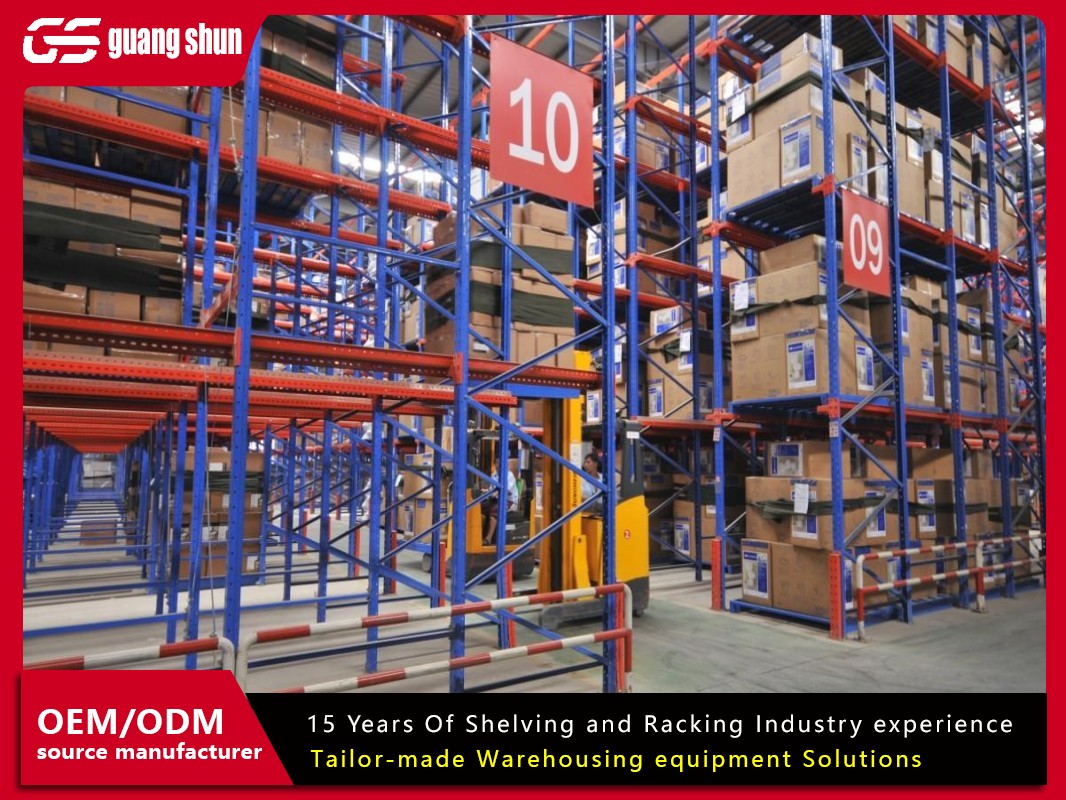
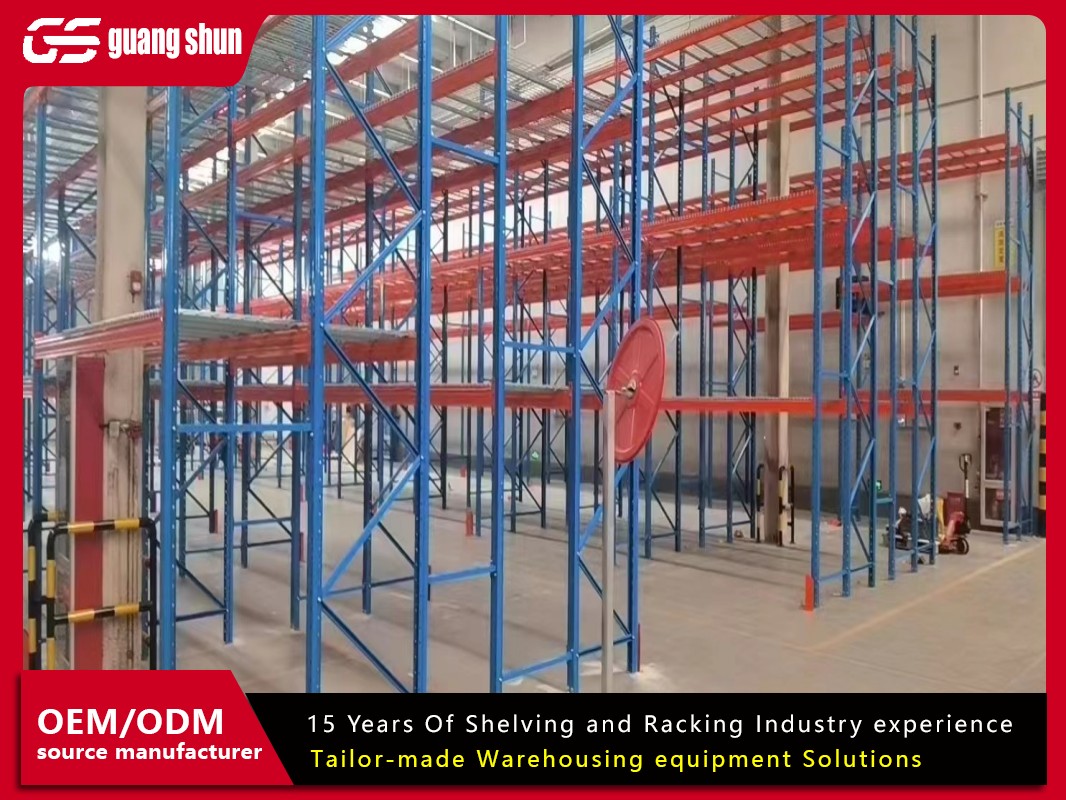
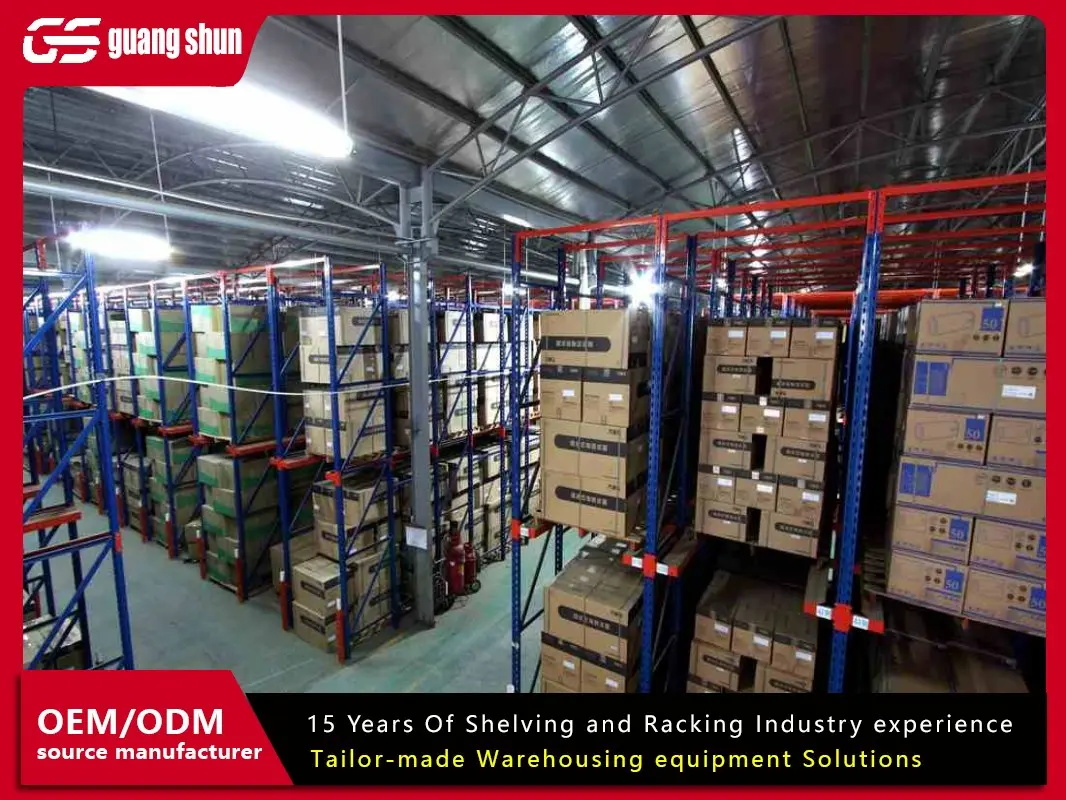
In the rapidly evolving landscape of industrial storage, warehouse operators face persistent pressure to maximize cubic utilization while maintaining accessibility and safety. The stackable racking system has emerged as a proven solution that addresses these competing demands through modular engineering and intelligent load distribution. Unlike fixed shelving or selective pallet racks, stackable configurations offer a dynamic storage architecture that adapts to inventory fluctuations, facility constraints, and operational throughput requirements. This article provides a comprehensive examination of stackable racking technology—covering structural design parameters, material science considerations, vertical-specific applications, implementation methodologies, and financial justification frameworks—drawing on field data and engineering standards to support decision-making for warehouse managers, facility planners, and supply chain executives.
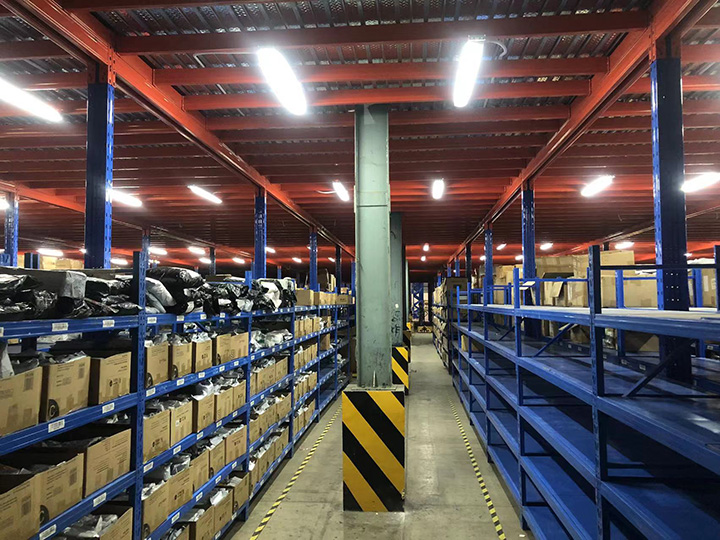
The fundamental value proposition of a stackable racking system rests on its ability to combine high-density storage with modular flexibility. To understand why these systems outperform conventional alternatives, it is necessary to examine their core engineering components and the design principles that govern their performance.
Every stackable racking configuration is defined by its load-bearing specification, which is determined by the gauge thickness of upright frames, the cross-section of beam profiles, and the spacing of horizontal supports. Industry standards such as RMI (Rack Manufacturers Institute) and FEM (Fédération Européenne de la Manutention) provide rigorous testing protocols for static and dynamic load conditions. A properly engineered stackable racking system typically supports per-beam capacities ranging from 2,000 to 6,000 pounds, with frame heights extending up to 40 feet in high-bay applications. The load capacity is not uniform across the structure; it diminishes at higher beam levels due to cumulative column loading and seismic considerations. Engineers calculate the maximum allowable uniform load and point-load limits using finite element analysis (FEA), ensuring that the system maintains a safety factor of at least 1.5 against yield strength. For warehouses operating in earthquake-prone regions, additional bracing and base-plate anchorage are mandatory to satisfy IBC (International Building Code) seismic requirements.
Structural steel remains the predominant material for stackable racking systems, with grades such as ASTM A36 and A572 used for their superior strength-to-weight ratio. However, the operating environment dictates critical material choices. In cold storage facilities where temperatures drop to -20°F, steel retains its impact resistance but requires special low-temperature toughness certification. Conversely, in chemical or food-processing warehouses, corrosion-resistant coatings are non-negotiable. The most common protection method is powder coating with a minimum 60-micron thickness, applied over a zinc phosphate pretreatment. For aggressive environments—such as coastal regions with salt-laden air or facilities handling corrosive goods—hot-dip galvanizing provides cathodic protection that extends service life beyond 25 years. Guangshun has documented that galvanized stackable racking systems in marine-adjacent warehouses show less than 5% reduction in cross-sectional area after 15 years of continuous exposure, a performance metric that underscores the importance of material specification in total cost of ownership calculations.
A defining characteristic of the stackable racking system is its modular architecture. Upright frames are manufactured with standardized hole patterns at 2-inch or 3-inch increments, allowing beams to be repositioned without specialized tools. This adjustability enables warehouse operators to modify storage heights in response to changing pallet dimensions or product mix. The modularity extends to connector types, including bolted, clip-in, and drop-in connections, each offering distinct trade-offs between installation speed and structural rigidity. Clip-in connections are favored for their rapid assembly, whereas bolted connections provide greater rigidity for seismic zones. The standardization of components also facilitates scalability: additional bays can be integrated into an existing layout without re-engineering the entire system. This modular characteristic is particularly valuable for third-party logistics (3PL) providers who must accommodate multiple clients with diverse inventory profiles, as the stackable racking system can be reconfigured between contracts with minimal downtime.
The versatility of the stackable racking system makes it applicable across a broad spectrum of industries. Each vertical imposes unique demands on storage density, pick frequency, and product handling—and stackable configurations have been adapted to meet these specific challenges with measurable operational improvements.
Automotive aftermarket warehouses typically manage tens of thousands of SKUs with widely varying dimensions, from small fasteners to bulky body panels. A stackable racking system with adjustable beam levels allows for multi-tier storage that separates fast-moving items on lower levels while allocating upper tiers for slow-moving or oversized parts. Automotive suppliers have reported reductions in travel time of up to 35% after transitioning from fixed shelving to stackable racking, as the flexible configuration enables zone-based slotting that aligns with order profiles. Moreover, the structural robustness of stackable racks supports the storage of heavy components such as engine blocks and transmissions, where per-pallet weights frequently exceed 1,500 pounds. The system's ability to accommodate both palletized and non-palletized items—using decking, wire mesh, or solid shelves—further enhances its utility in mixed-load environments.
In e-commerce fulfillment centers, order volumes are characterized by high variability and intense seasonality. A stackable racking system enables operators to rapidly reconfigure storage density by adding or removing beam levels as inventory surges during peak periods. Data from a major online retailer indicated that warehouses using stackable racking achieved a 22% higher storage density compared to static pallet racking, translating to an additional 1,800 pallet positions per 100,000 square feet. The modular nature also supports the integration of pick-to-light and voice-directed picking systems, as beam-mounted components can be repositioned alongside layout changes. For multi-channel retailers managing both wholesale pallets and single-item eaches, stackable racking systems can be combined with flow-track or carton-flow attachments to facilitate both case-picking and piece-picking operations within the same footprint.
Cold storage facilities present unique material handling challenges, including reduced worker efficiency at low temperatures, condensation management, and the need for rapid inventory turnover. Stackable racking systems constructed from galvanized steel with sealed connections resist moisture ingress and corrosion, maintaining structural integrity even in high-humidity environments. The open architecture of stackable racks promotes air circulation, which is critical for maintaining uniform temperature distribution and preventing cold spots that can spoil perishable goods. For frozen food warehouses operating at -10°F, the thermal contraction of steel components is accounted for in the design by specifying expansion gaps and using low-temperature lubricants on movable connections. Several cold chain operators have adopted stackable racking systems with integrated wire decking to support both palletized and loose-case storage, achieving a 28% improvement in cube utilization relative to drive-in racking systems.
Warehouse operations regularly encounter inefficiencies that erode profitability and constrain throughput. A well-designed stackable racking system directly addresses three persistent pain points: suboptimal space utilization, picking inefficiency, and load stability concerns. The following analysis examines how stackable racking resolves these issues through engineering and operational strategies.
The most immediate benefit of stackable racking is vertical space utilization. In warehouses with clear heights exceeding 30 feet, fixed selective racking often leaves substantial overhead void, whereas stackable systems allow for incremental addition of beam levels up to the maximum safe load height. However, vertical density must be balanced with accessibility. Aisle width, lift truck reach, and inventory turnover all influence the optimal stacking height. Data from material handling studies show that increasing storage height from 20 to 35 feet—using a stackable racking system with appropriately rated uprights—can increase storage capacity by more than 60% without expanding floor area. For warehouses constrained by real estate costs, this density improvement directly reduces cost per pallet position. Additionally, stackable racking enables the use of narrow-aisle equipment such as turret trucks or VNA (very narrow aisle) forklifts, further increasing floor-space productivity by reducing aisle widths from 12 feet to as little as 6 feet.
One of the criticisms leveled against high-density storage systems (such as drive-in or push-back racking) is that they sacrifice accessibility for density. Stackable racking systems mitigate this trade-off by offering selective access to every pallet position, provided the layout is configured with appropriate aisle spacing. By implementing a slotting strategy that locates fast-moving SKUs at lower, more accessible beam levels and slow-moving items at higher levels, warehouses can reduce average pick travel distance by 18–25%. Furthermore, the adjustability of beam heights permits the creation of pick-facing levels that align with ergonomic reaching zones, reducing worker fatigue and improving pick accuracy. In a case study involving a consumer packaged goods distributor, the transition to stackable racking with optimized slotting reduced mis-picks by 14% and improved order fulfillment rate by 9% during peak periods.
Load stability is a paramount concern in any palletized storage environment. Stackable racking systems incorporate beam locking mechanisms, anti-sway bracing, and column protectors to minimize the risk of rack collapse or pallet displacement. Compliance with ANSI MH16.1-2019 standards ensures that the system can withstand both static gravity loads and dynamic loads from forklift impact. In seismic zones, additional cross-bracing and base-plate anchorage are required to prevent progressive collapse. Furthermore, the use of load beams with positive locking clips prevents accidental dislodgment during pallet insertion or retrieval. Guangshun emphasizes that regular inspection protocols—including checks for beam deflection, column damage, and connector wear—are essential to maintaining the safety integrity of stackable racking systems over their service life. Operators who implement quarterly structural audits report a 40% reduction in rack-related incidents compared to those with annual inspections.
Deploying a stackable racking system requires a structured approach that spans initial assessment, design engineering, procurement, installation, and post-deployment optimization. A haphazard implementation can negate the potential benefits, whereas a disciplined framework ensures that the system delivers its promised ROI.
Phase 1: Operational Assessment and Data Collection – This phase involves gathering granular data on inventory characteristics: SKU count, pallet dimensions, weight distribution, turnover rates, and seasonal demand patterns. Warehouse management system (WMS) data should be extracted to analyze order profiles, picking frequencies, and storage duration. This quantitative foundation informs the design parameters for the stackable racking system, including beam spacing, bay width, and overall height.
Phase 2: Layout and Structural Design – With operational data in hand, engineers develop a 2D or 3D layout that optimizes storage density while maintaining safe aisle widths and egress routes. The design phase must account for seismic loads, wind loads (if applicable), and floor flatness tolerances. Advanced simulation tools model traffic flow and picking sequences to validate that the proposed layout achieves throughput targets. It is at this stage that beam levels, upright spacing, and connection types are finalized.
Phase 3: Procurement and Supply Chain Coordination – Given the custom nature of most stackable racking installations, procurement involves specifying materials, finishes, and accessories (such as wire decks, row spacers, and column guards). Lead times for manufactured components typically range from 6 to 12 weeks, requiring careful coordination with facility construction or renovation schedules. Guangshun offers engineered-to-order solutions with documented compliance to international standards, enabling seamless integration with existing warehouse infrastructure.
Phase 4: Installation and Commissioning – Professional installation is critical to achieving the structural integrity specified in the design. Certified installation crews use laser alignment tools to ensure that upright frames are plumb and beam levels are precisely horizontal. After installation, a load test is performed using calibrated weights to verify that deflection remains within allowable limits. Commissioning also includes training for forklift operators on the specific clearances and load-handling procedures for the new stackable racking system.
Phase 5: Continuous Improvement and Reconfiguration – Unlike fixed racking, stackable systems permit ongoing reconfiguration as inventory profiles evolve. Operators should schedule periodic reviews of slotting strategies and beam positions to align with changing demand patterns. Advanced analytics platforms can recommend reconfiguration intervals based on turnover data, ensuring that the system remains optimized over its operational life.
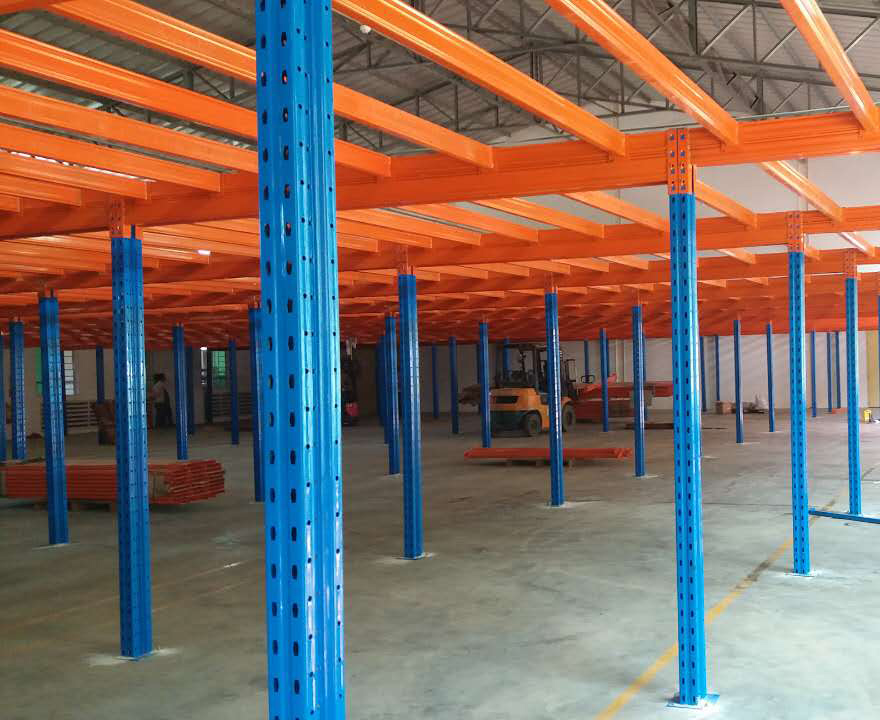
Capital investment in material handling equipment requires rigorous financial analysis to secure budget approval. The business case for a stackable racking system is built on quantifiable cost savings and revenue enhancements that extend well beyond the initial purchase price.
Direct Cost Savings: The most immediate financial benefit is the reduction in warehouse space requirements. In markets where industrial real estate rents average $8–$12 per square foot, a 30% improvement in storage density translates to annual savings of $240,000–$360,000 per 100,000 square feet of warehouse space. Additionally, stackable racking systems reduce the need for off-site storage or third-party warehousing, eliminating associated transportation and handling costs.
Labor Productivity Gains: Reduced travel time and improved pick accessibility directly lower labor costs. For a 50-person picking operation with an average hourly wage of $22, a 15% reduction in travel time yields annual savings exceeding $250,000. These productivity gains also enhance throughput capacity, allowing the warehouse to handle higher order volumes without adding headcount.
Maintenance and Durability: High-quality stackable racking systems, when properly maintained, have a service life exceeding 20 years. The modularity of components means that damaged beams or uprights can be replaced individually rather than requiring full-system replacement, reducing long-term maintenance expenditures. Corrosion-resistant finishes further extend life in harsh environments, lowering the amortized cost per pallet position.
Operational Flexibility and Scalability: The ability to reconfigure stackable racking systems as business needs change provides a strategic advantage that is difficult to quantify but highly valuable. Warehouses that can adapt to new product lines, seasonal peaks, or changes in order fulfillment models gain a competitive edge in responsiveness. This agility reduces the risk of stranded assets and ensures that the storage system remains aligned with evolving supply chain strategies.
A comprehensive ROI model for a stackable racking system typically shows payback periods of 18 to 30 months, depending on labor rates, real estate costs, and utilization improvements. For high-volume distribution centers, the internal rate of return (IRR) often exceeds 25%, making stackable racking one of the most capital-efficient investments in the material handling portfolio.
The stackable racking system represents a mature yet continuously evolving solution for modern warehouses facing pressures for greater efficiency, flexibility, and safety. Its engineering foundation—rooted in rigorous load calculations, material science, and modular design—provides a robust platform for addressing diverse operational challenges across automotive, e-commerce, cold chain, and general merchandise sectors. By systematically addressing space utilization, picking productivity, and structural integrity, stackable racking systems deliver measurable improvements in both operational metrics and financial performance. The implementation framework outlined in this article offers a roadmap for successful deployment, while the ROI analysis demonstrates that the investment is justified by tangible savings and strategic adaptability. For warehouse operators seeking to optimize their storage infrastructure, the stackable racking system merits serious consideration as a cornerstone of their material handling strategy. Companies like Guangshun continue to advance the technology with engineered solutions that meet international standards, ensuring that stackable racking remains a reliable and cost-effective choice for the global warehousing industry.
Q1: What is the maximum height achievable with a stackable racking
system?
A1: The maximum height is determined by the upright frame
capacity, base plate anchorage, and local seismic regulations. In standard
industrial warehouses with clear heights up to 40 feet, stackable racking
systems can be designed to reach 35–38 feet with appropriate bracing. For
facilities with higher ceilings, engineered solutions with additional
cross-bracing and reinforced columns can achieve heights exceeding 50 feet,
though forklift reach limitations and safety clearances must be considered.
Q2: How does a stackable racking system compare to drive-in racking
in terms of storage density?
A2: Drive-in racking typically offers
higher density by eliminating aisles between bays—achieving up to 85%
floor-space utilization compared to approximately 65% for selective stackable
racking. However, drive-in systems limit accessibility to last-in-first-out
(LIFO) inventory flow and require specialized forklifts. Stackable racking
provides selective access to every pallet position, making it more suitable for
high-turnover inventory and multi-SKU operations. The choice depends on
inventory turnover rates and SKU diversity.
Q3: Can stackable racking systems be used with automated storage and
retrieval systems (AS/RS)?
A3: Yes, stackable racking systems are
compatible with both mini-load and unit-load AS/RS. However, the rack structure
must be designed with tighter tolerances for beam alignment and upright
straightness to accommodate automated shuttles or crane-guided vehicles.
Additional rail systems or shuttle tracks can be integrated into the beam
levels, enabling semi-automated or fully automated storage operations without
sacrificing the modular adjustability of the stackable design.
Q4: What are the most common failure modes in stackable racking
systems, and how can they be prevented?
A4: The most frequent
failure modes include beam deflection due to overloading, column damage from
forklift impact, and connector fatigue from repeated load cycling. Prevention
strategies involve adhering to specified load ratings, installing column
protectors and end-of-aisle guards, and conducting regular structural
inspections. Torque checks on bolted connections and visual examinations for
bent flanges or cracked welds should be performed quarterly to identify issues
before they lead to failure.
Q5: How do seismic design requirements affect the configuration of
stackable racking systems?
A5: In seismic zones (as defined by ASCE
7), stackable racking systems must incorporate additional bracing, larger base
plates, and stronger anchor bolts to resist lateral forces during an earthquake.
The design also includes expansion gaps to accommodate inter-story drift without
causing rack-to-rack collisions. Seismic calculations consider the site-specific
spectral acceleration, the weight of stored goods, and the ductility of the rack
structure. Compliance with seismic codes is mandatory and significantly
influences the cost and layout of the system.
Q6: Is it possible to relocate a stackable racking system to a
different facility?
A6: Yes, one of the advantages of stackable
racking systems is their relocatability. Unlike welded or concrete-anchored
structures, bolted stackable racks can be disassembled, transported, and
reassembled at a new location. However, the cost of relocation—including labor,
transportation, and potential replacement of damaged components—should be
weighed against the value of the system in its current installation. Typically,
relocation is economically viable if the racking is less than 10 years old and
the new facility has compatible floor and height specifications.
Q7: What maintenance schedule is recommended for stackable racking
systems?
A7: An annual comprehensive inspection by a qualified rack
safety engineer is recommended, supplemented by monthly visual inspections
conducted by warehouse staff. The annual inspection should include load tests,
beam deflection measurements, and checks of all connectors and anchors. Staff
visual checks should focus on visible damage such as bent uprights, missing
safety pins, or signs of corrosion. A documented maintenance log helps track the
system's condition over time and supports compliance with occupational health
and safety regulations.

 Wechat
Whatsapp
Wechat
Whatsapp