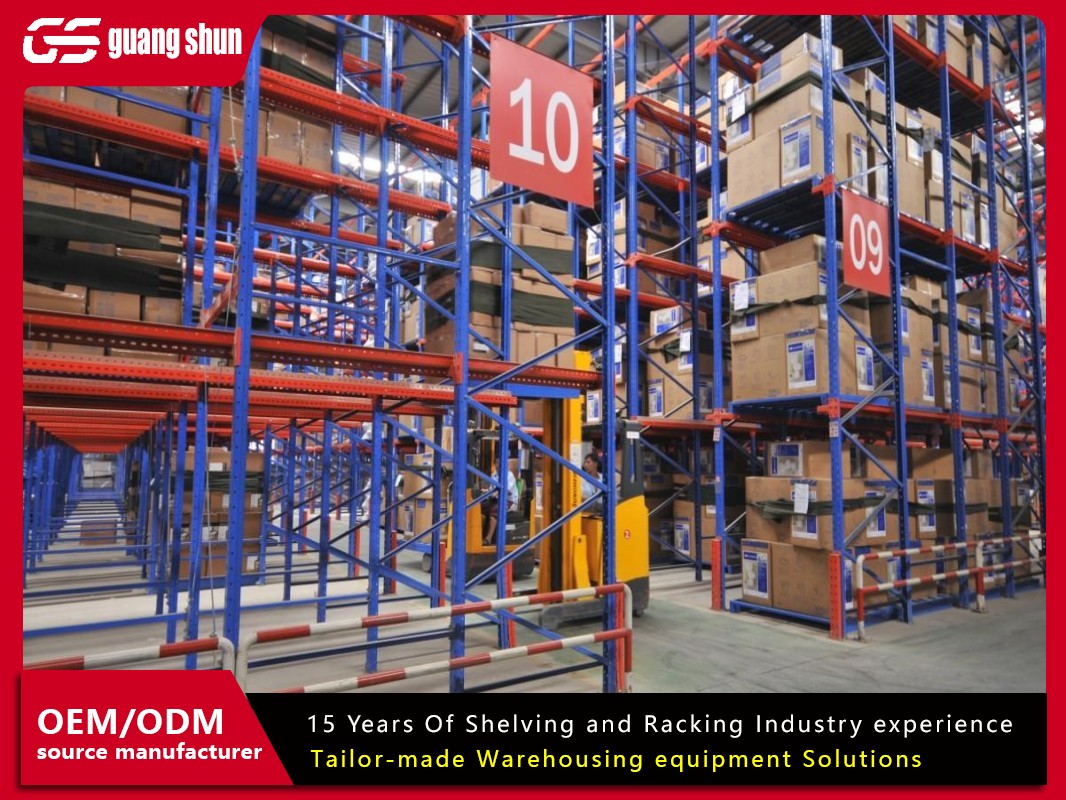
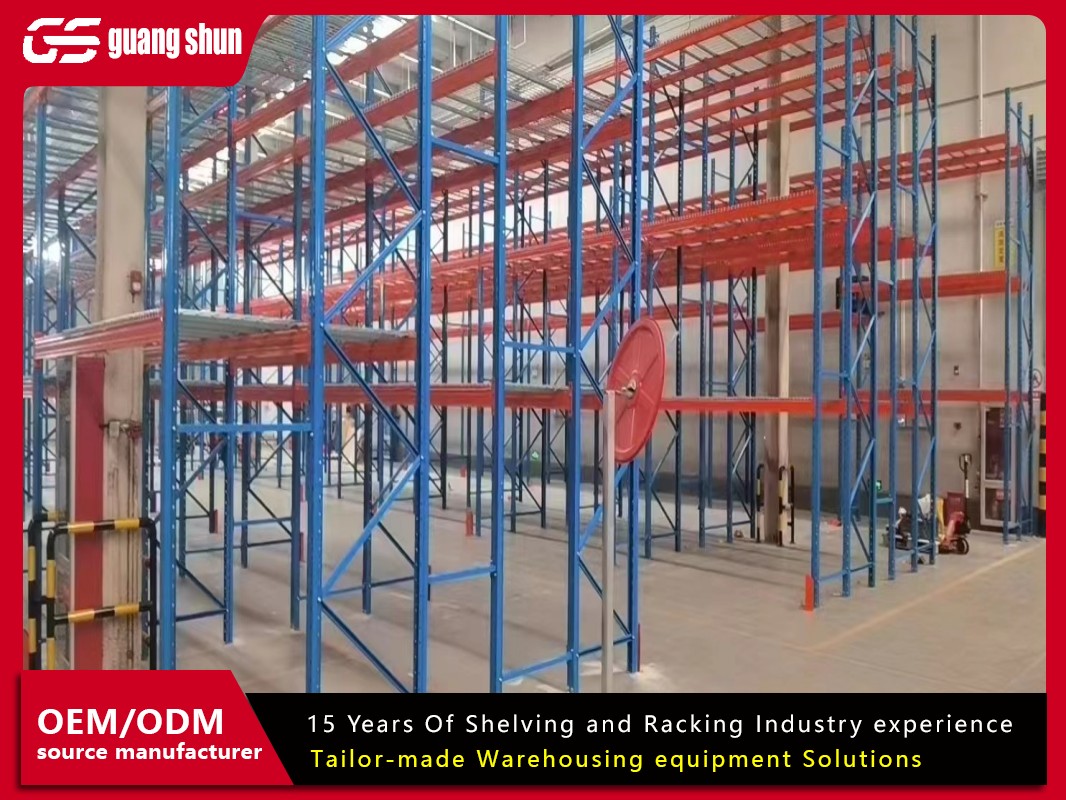
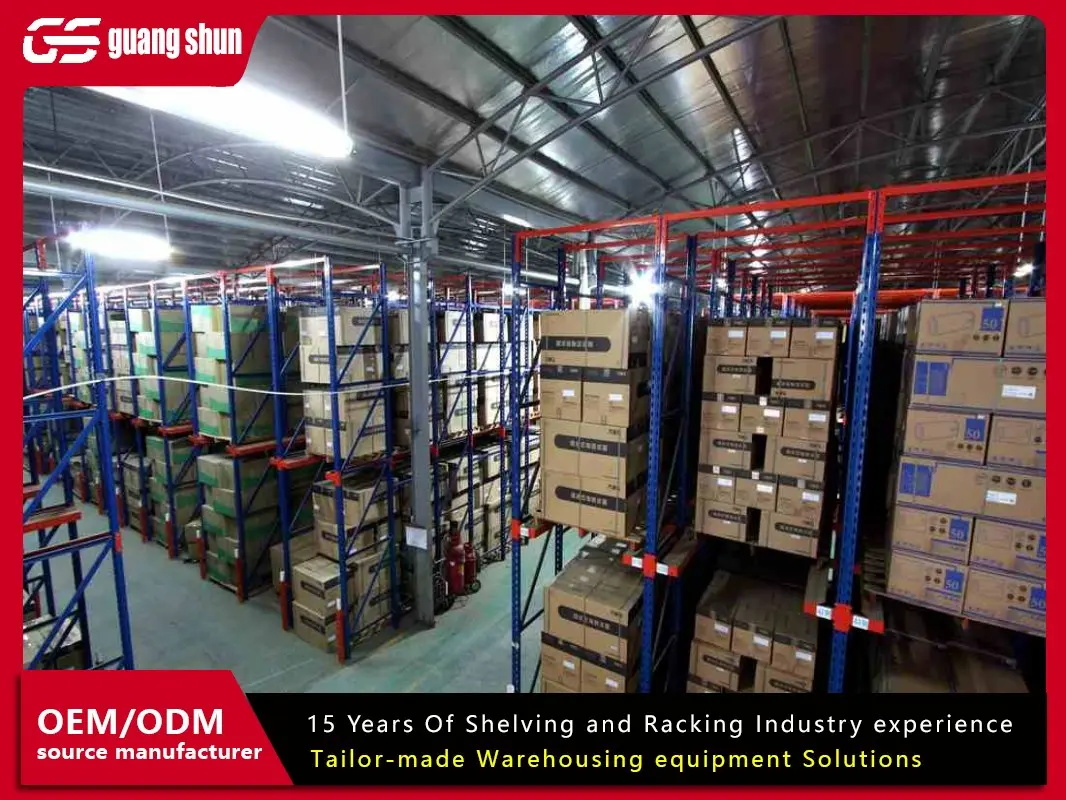
Industrial storage infrastructure directly influences operational throughput, inventory accuracy, and workplace safety. Among the various storage solutions available, stackable steel shelves have emerged as a foundational component for facilities requiring high-density storage with flexible reconfiguration capabilities. Unlike fixed racking systems, stackable steel shelves offer modularity that accommodates fluctuating inventory profiles without requiring permanent structural modifications.
Warehouse managers face persistent challenges: optimizing cubic space utilization, maintaining load integrity under variable weight distributions, and minimizing assembly downtime during layout changes. Stackable steel shelves address these pain points through engineered interlocking mechanisms, standardized footprint dimensions, and compatibility with pallet-based material handling equipment. This article provides a data-driven examination of stackable steel shelving systems—from metallurgical properties to lifecycle cost modeling—tailored for operations engineers, facility planners, and procurement specialists.
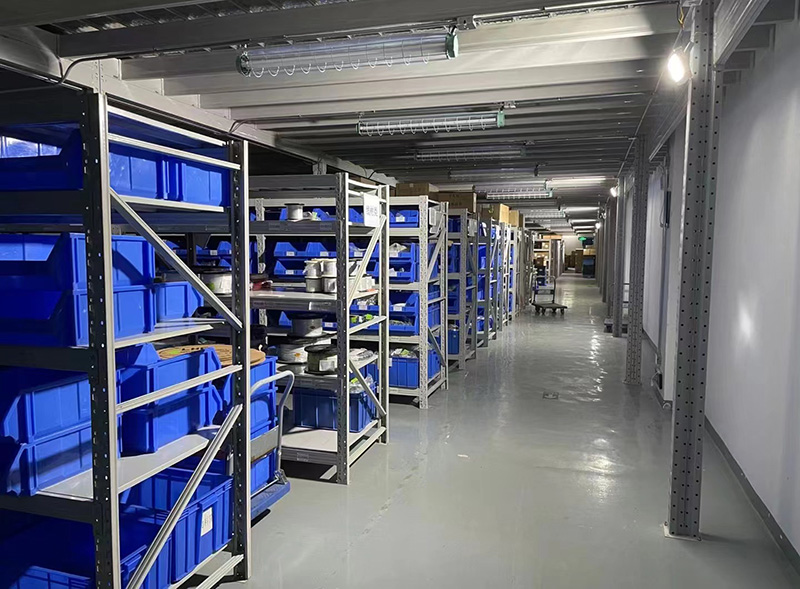
The structural performance of stackable steel shelves begins with base material selection. Commercial-grade shelving typically utilizes cold-rolled steel conforming to ASTM A36 or equivalent standards (Q235 in GB/T 700), with yield strength ranging from 235 MPa to 250 MPa. For heavy-duty configurations, high-strength low-alloy (HSLA) steels such as ASTM A572 Grade 50 offer yield strengths up to 345 MPa, enabling thinner gauge sections without compromising load capacity.
Gauge thickness is a critical parameter that directly impacts beam deflection and column buckling resistance. Industry standard thicknesses for upright posts range from 1.5 mm to 2.5 mm, while shelf beams typically use 1.2 mm to 2.0 mm material. A 2.0 mm cold-rolled steel beam exhibits approximately 37% higher moment of inertia compared to a 1.5 mm beam of the same profile geometry, translating to measurable reductions in mid-span deflection under uniform loading. Guangshun manufactures stackable steel shelves with precision-rolled sections that maintain consistent wall thickness within ±0.05 mm tolerance, ensuring predictable structural behavior across production batches.
Welded joints represent potential failure points in stackable steel shelves under cyclic loading conditions. Robotic MIG welding with ER70S-6 filler wire and 100% CO₂ shielding gas achieves penetration depths of 3-4 mm in 2.0 mm base material, producing fillet welds with a throat thickness exceeding the base metal thickness. This weld geometry ensures that the joint strength exceeds the parent metal strength, shifting failure modes from weld fracture to base metal yielding.
Post-weld heat treatment (PWHT) is seldom applied to shelving components due to cost constraints, but stress-relief techniques such as vibratory stress equalization can reduce residual stresses by up to 40%. For stackable steel shelves intended for high-vibration environments (e.g., adjacent to stamping presses or conveyor systems), manufacturers employ anti-fatigue design principles including generous fillet radii at corners and avoidance of abrupt cross-sectional changes.
Load capacity specifications for stackable steel shelves are typically provided as static load ratings—the maximum sustained weight the shelf can support under stationary conditions. However, real-world operations introduce dynamic loads from forklift placement, manual loading, and seismic events. Engineering practice dictates that dynamic load ratings should be derated to 75-80% of static capacity to account for impact forces and acceleration/deceleration loads.
For a typical stackable steel shelf with dimensions 1200 mm × 800 mm × 2000 mm (L × W × H), constructed from 2.0 mm steel with five adjustable shelf levels, the static load rating per shelf level ranges from 500 kg to 800 kg depending on beam profile and support spacing. When stacking multiple units vertically—up to three or four tiers—the cumulative load on the bottom tier's upright posts must be calculated considering both the shelf's self-weight (approximately 35-45 kg per unit) and the stored payload. Engineering calculations should incorporate a minimum safety factor of 1.5 for static loads and 2.0 for dynamic loads, per ASME MH27.1-2021 standards.
Proper safety margin calculation requires determining the maximum anticipated load per shelf level, multiplying by the number of loaded levels, and adding the structural self-weight. The resulting total vertical load is then divided by the cross-sectional area of the upright posts to compute compressive stress. For stackable steel shelves using 40 mm × 40 mm × 2.0 mm square tubes, the cross-sectional area is approximately 304 mm². With a yield strength of 235 MPa, the theoretical maximum compressive load per post is 71.4 kN. Applying a 1.5 safety factor reduces the working load to 47.6 kN per post—substantially exceeding typical warehouse loading requirements.
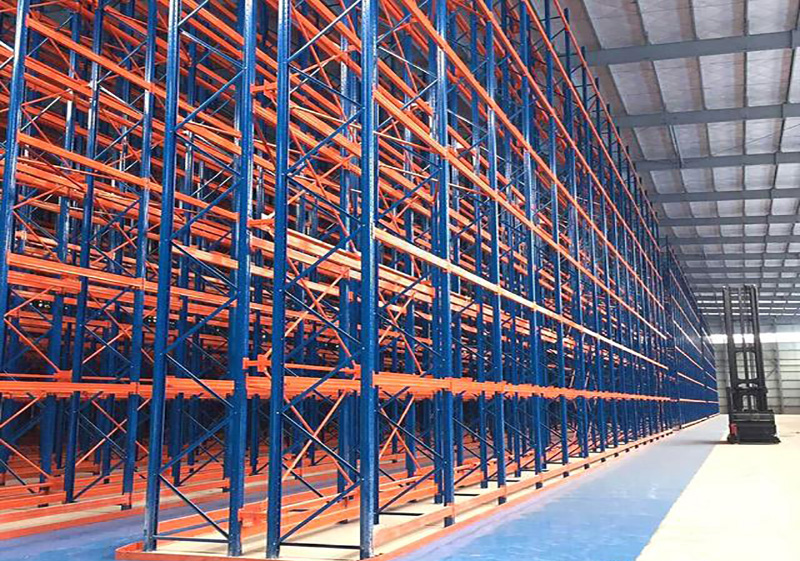
Nevertheless, lateral stability remains a primary concern in stackable steel shelves, particularly in high-bay configurations. Torsional rigidity is enhanced through diagonal cross-bracing or horizontal tie bars between adjacent upright frames. Facilities operating in seismic zones (Seismic Design Category D or higher) should specify stackable steel shelves with base plates anchored to the floor, reducing the risk of toppling during seismic events.
One of the defining characteristics of modern stackable steel shelves is the boltless assembly mechanism. Spring-loaded wedge locks, cam pins, or keyhole slot interfaces enable rapid assembly and disassembly without specialized tools. A typical boltless connection consists of a tapered male projection that engages with a corresponding female slot on the upright post, with a locking spring or clip that secures the joint under tension. This design reduces assembly time from approximately 15 minutes per unit (bolted systems) to under 5 minutes, with zero hardware loss risks.
Boltless connections also facilitate incremental reconfiguration—shelves can be added, removed, or repositioned without dismantling the entire rack structure. For facilities with seasonal inventory fluctuations or product line changes, this flexibility translates to reduced downtime and lower labor costs for layout alterations. Guangshun offers boltless stackable steel shelves with color-coded components and simplified assembly diagrams, enabling warehouse staff to reconfigure layouts without engineering supervision.
Vertical adjustability is a key value proposition of stackable steel shelves. Upright posts are punched with holes at 50 mm or 100 mm increments, allowing shelf beams to be repositioned to accommodate varying product heights. A standard 2000 mm tall frame offers up to 17 adjustment positions at 100 mm pitch, supporting bin heights ranging from 100 mm to 1800 mm. This adjustability optimizes cubic space utilization by minimizing vertical void space—critical in facilities with ceiling height constraints or where storage density directly impacts throughput.
Most stackable steel shelves are designed with standard footprint dimensions compatible with common pallet sizes and handling equipment. The 1200 mm × 800 mm Euro-pallet footprint is the most widely adopted standard globally, followed by the 48" × 40" US pallet footprint. Shelving modules with these dimensions integrate seamlessly with pallet jacks, reach trucks, and automated guided vehicles (AGVs), supporting seamless material flow from receiving to dispatch.
Automotive aftermarket warehouses handle an extensive SKU range—from small fasteners to heavy engine blocks—requiring diverse storage configurations within a single facility. Stackable steel shelves with adjustable beam positions accommodate mixed bin sizes and weight classes. Heavy-duty variants with 2.5 mm steel thickness and reinforced beams support loads up to 1200 kg per shelf level, suitable for transmission assemblies and cast-iron components. The modular nature allows dedicated zones for light-duty (electrical connectors, sensors) and heavy-duty (brake rotors, suspension parts) inventory within the same rack row.
E-commerce distribution centers prioritize pick density and order accuracy. Stackable steel shelves configured with bin dividers, label holders, and pick-to-light interfaces support zone-picking and batch-picking methodologies. The open design facilitates visual inventory inspection, reducing scan errors common in enclosed bin systems. For high-turnover items, shelf heights can be set at 300-400 mm intervals to minimize picker reach distance, reducing ergonomic strain and improving pick rates by 12-18% according to industry productivity studies.
Low-temperature warehouses ( -20°C to -5°C) present unique challenges for storage equipment. Stackable steel shelves used in cold storage must account for material embrittlement at reduced temperatures—steel impact toughness decreases below -10°C, requiring Charpy V-notch testing per ASTM E23. Additionally, condensation and frost accumulation can accelerate corrosion, necessitating galvanized or powder-coated finishes with salt spray resistance exceeding 500 hours per ASTM B117. Guangshun manufactures cold-store stackable steel shelves with specialized coatings and low-temperature impact-tested steel, ensuring structural integrity in sub-zero environments.
Proper installation of stackable steel shelves begins with floor flatness assessment—a maximum variation of ±3 mm over 3 m is recommended to ensure uniform load distribution and vertical alignment. Use shims under base plates to compensate for floor irregularities, and verify plumbness with a spirit level in both axes. For multi-tier installations, interlock adjacent units using horizontal tie bars or cross-bracing at intervals not exceeding 3 m horizontally and 2 m vertically.
Regular inspection protocols should include checking for:
Visible deformation of beams and columns under load
Weld cracks or separation at joint intersections
Loose or damaged locking mechanisms
Corrosion or coating failure, particularly in humid environments
Floor anchor integrity for seismically-restrained installations
Annual load testing with 110% of rated capacity can verify structural performance and identify hidden fatigue issues. Records of inspections, repairs, and modifications should be maintained as part of the facility's safety management documentation.
Evaluating stackable steel shelves requires a total cost of ownership (TCO) perspective beyond initial procurement costs. Consider the following cost components over a 10-year horizon:
Capital expenditure: Unit cost of stackable steel shelves ($150-$450 per unit depending on size and load rating)
Installation labor: 2-4 hours per unit for bolted systems versus 0.5-1 hour for boltless designs
Reconfiguration costs: Each layout change incurs labor and downtime—boltless designs reduce this by 60-70%
Maintenance and repair: Galvanized or powder-coated finishes extend service life, reducing replacement frequency
Space utilization: Adjustable height settings improve storage density, potentially deferring warehouse expansion costs
A typical ROI calculation for a mid-size warehouse (10,000 m²) implementing stackable steel shelves shows payback periods of 18-24 months, driven primarily by improved space utilization and reduced reconfiguration labor. For facilities with frequent SKU changes, the payback period shortens to 12-16 months due to the higher value of layout flexibility.
Stackable steel shelves represent a versatile, durable, and cost-effective storage solution for industrial warehouses, distribution centers, and manufacturing facilities. Their engineering—from steel grade selection to boltless connection design—enables safe, high-density storage with the flexibility to adapt to evolving operational requirements. Proper load capacity calculations, adherence to safety factors, and routine maintenance ensure long-term performance and compliance with industry standards.
Facilities considering stackable steel shelves should evaluate their specific load profiles, environmental conditions, and reconfiguration frequency to select the optimal design parameters. Partnering with established manufacturers like Guangshun ensures access to engineered products with documented testing and certification. When specified and installed correctly, stackable steel shelves deliver measurable operational improvements and a compelling return on investment for warehouse operators worldwide.
A1: Load capacities vary by design and materials. Light-duty stackable steel shelves support 300-500 kg per shelf level, medium-duty units support 500-800 kg, and heavy-duty configurations with reinforced beams and thicker steel (2.5 mm+) can handle up to 1200-1500 kg per level. Always verify the manufacturer's certified load chart for your specific model, and apply a safety factor of 1.5 to 2.0 for dynamic loading conditions.
A2: Standard A36 or Q235 steel is adequate for most warehouse applications up to 800 kg per shelf level. For heavier loads or high-bay configurations, specify HSLA steels such as A572 Grade 50 for improved strength-to-weight ratio. In cold storage environments (below -10°C), select steels with verified low-temperature impact toughness per ASTM E23. Consult your manufacturer's engineering team to match steel grade to your operational parameters.
A3: Yes, with appropriate material selection and surface protection. Cold storage stackable steel shelves should use steel grades with proven low-temperature ductility and corrosion-resistant coatings (hot-dip galvanized or epoxy powder-coated) to prevent embrittlement and rust formation. Regular inspection for coating integrity is essential in cold environments where condensation and frost can accelerate corrosion.
A4: Boltless systems use spring-loaded or wedge-lock connections that snap into place without tools, enabling faster assembly (under 5 minutes per unit) and easier reconfiguration. Bolted systems require wrenches and fasteners, taking 15-20 minutes per unit, but offer slightly higher rigidity for very heavy loads (over 1000 kg per shelf level). Boltless stackable steel shelves are preferred for dynamic warehouses requiring frequent layout changes.
A5: TCO includes initial purchase price, installation labor, reconfiguration costs over the system's lifespan (typically 10-15 years), maintenance expenses, and space utilization benefits. Use the formula: TCO = Purchase Cost + (Installation Labor × Hourly Rate) + (Reconfiguration Frequency × Reconfiguration Cost) + (Annual Maintenance × Years) + (Space Savings × Annual Lease Cost per m²). For boltless designs, factor in 60-70% lower reconfiguration costs compared to bolted systems.
A6: Primary standards include ASME MH27.1-2021 (Industrial Storage Shelving), ANSI MH16.1-2019 (Industrial Racking), and local building codes (e.g., IBC for seismic zones). Manufacturer testing should follow ISO 9001 quality management practices, with load capacity verification per ASTM standard testing methods. Always request test certificates from your supplier and ensure your installation meets applicable occupational safety regulations (OSHA in the US, or equivalent local standards).

 Wechat
Whatsapp
Wechat
Whatsapp