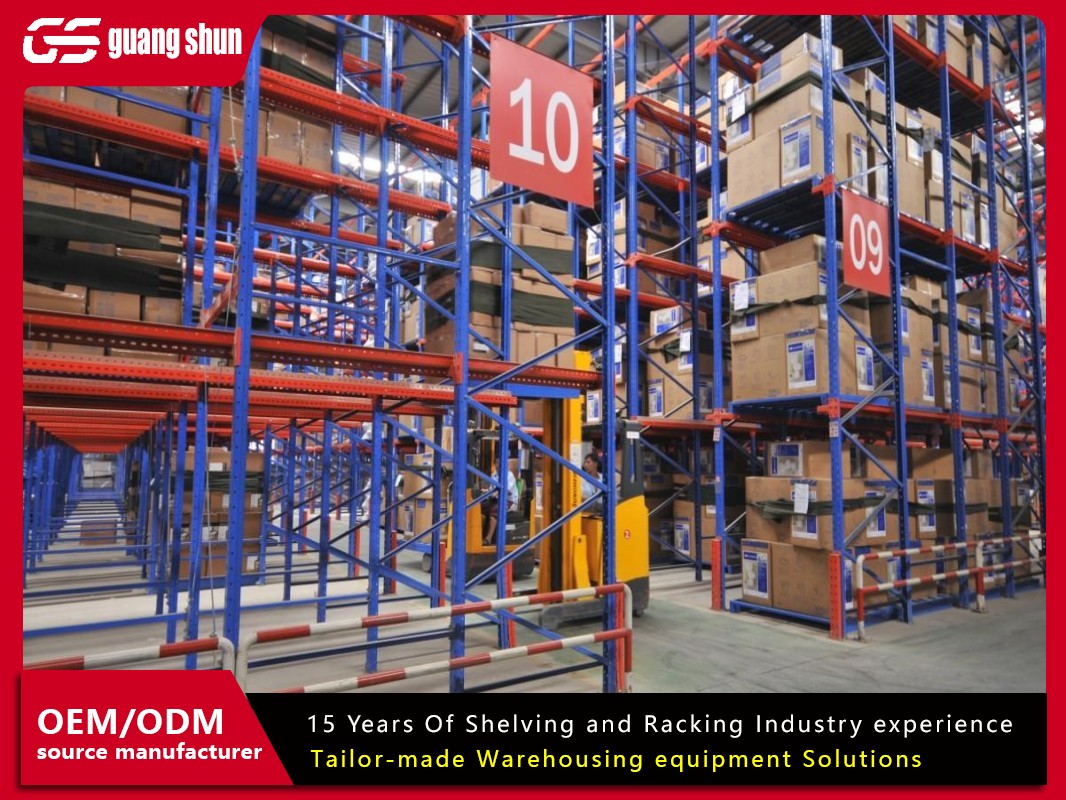
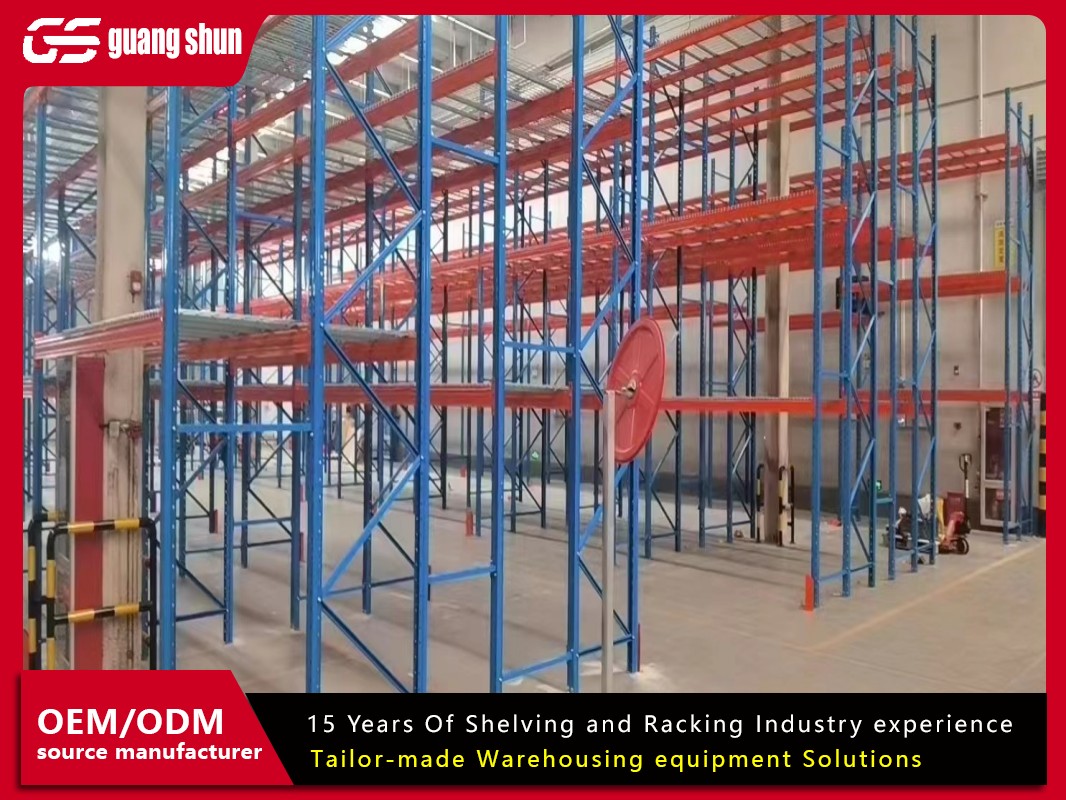
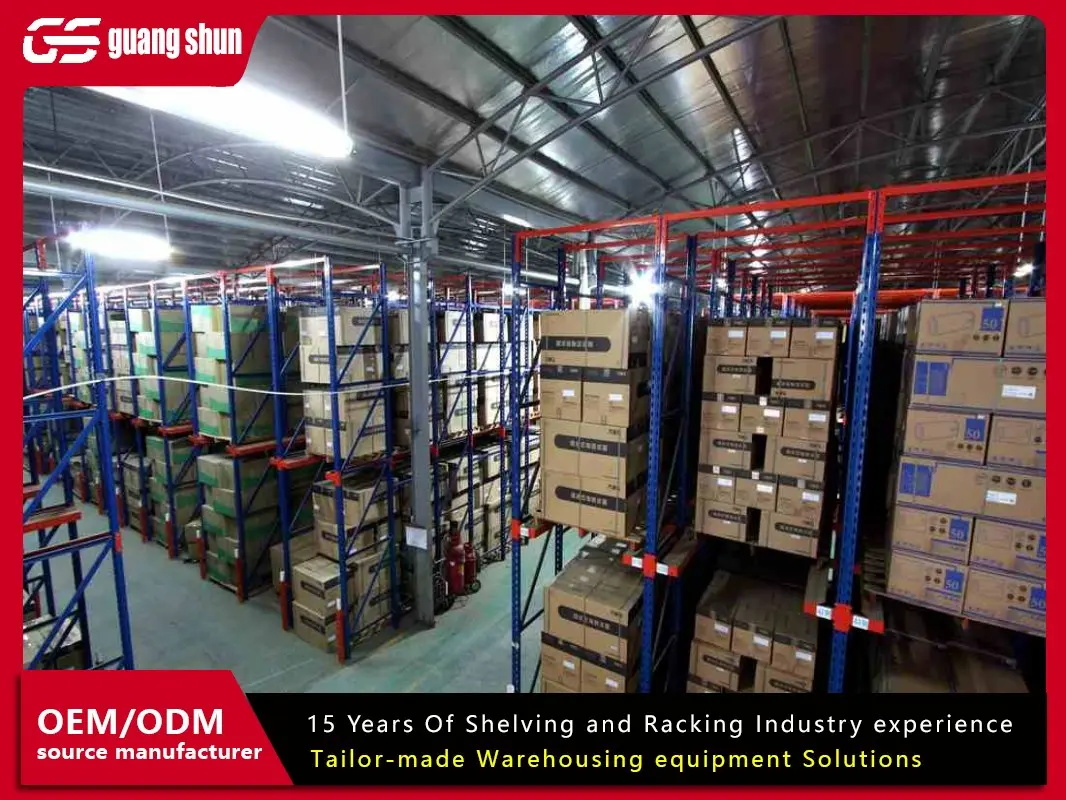
In the competitive landscape of logistics and supply chain management, storage density and inventory turnover are two metrics that directly impact operational profitability. flow shelving—also referred to as gravity flow racking—has emerged as a proven solution for warehouses handling high-volume, fast-moving SKUs. Unlike static pallet racks that require powered equipment for every load movement, flow shelving leverages gravity and precision-engineered roller tracks to automate the movement of goods from the loading (rear) side to the picking (front) side.
This article provides an engineering-grade examination of flow shelving systems, covering their mechanical design, application-specific configurations, and the quantifiable return on investment they deliver. Drawing on field data and industry benchmarks, we address the operational pain points that drive warehouse managers toward this storage methodology. Whether you operate a distribution center for consumer goods or manage raw material inventory in manufacturing, understanding the nuances of flow shelving is essential for designing a lean, responsive supply chain.
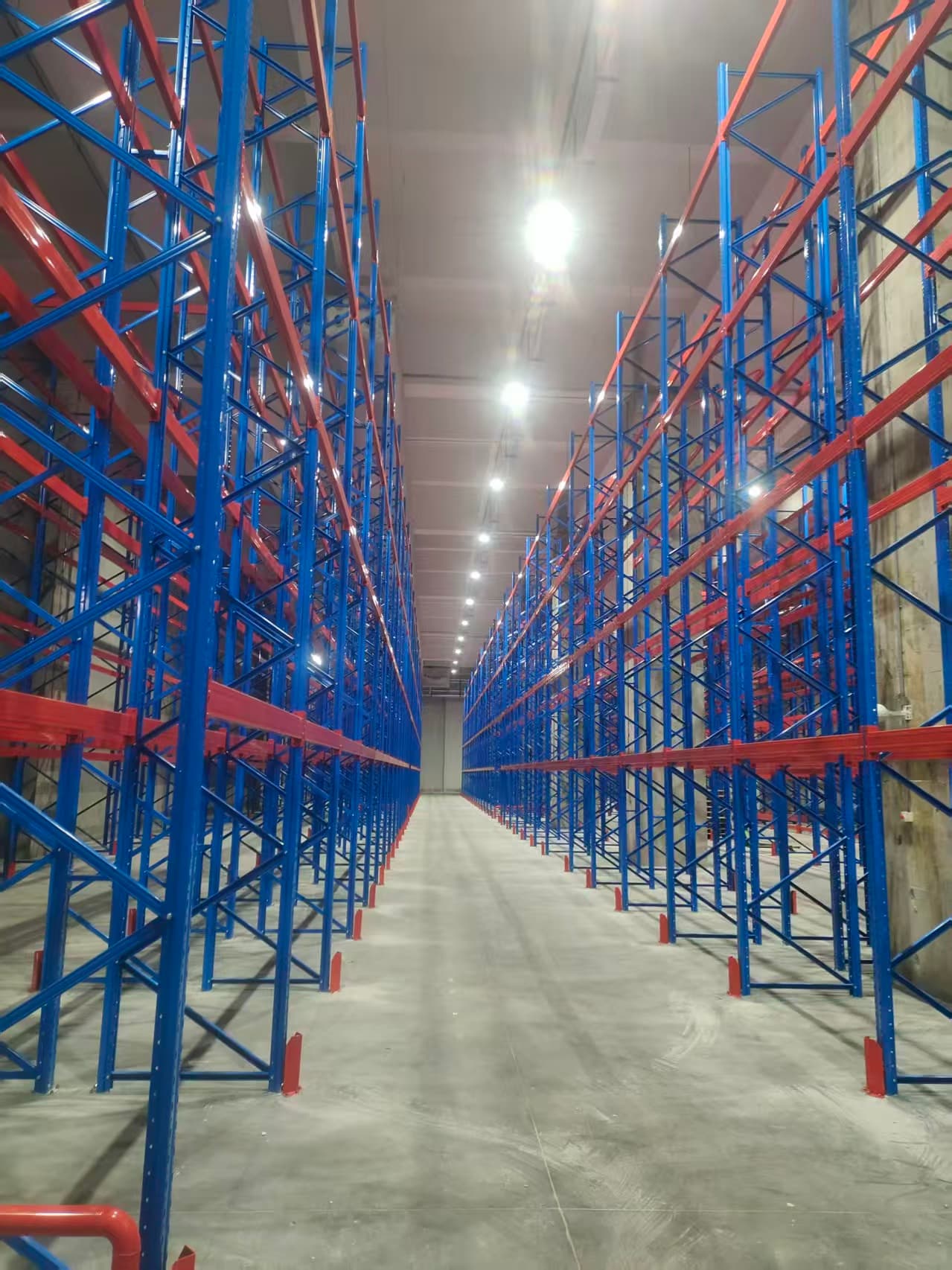
At its foundation, a flow shelving system comprises four primary subsystems, each engineered to ensure reliable, controlled product movement:
Roller Tracks (Wheels or Rollers): These are the load-bearing surfaces that reduce friction between the pallet or carton and the rack structure. Depending on the load type, tracks use either steel rollers (for pallet loads) or skatewheel/conveyor rollers (for carton flow). The roller pitch and diameter are calculated based on the weight and dimensions of the unit load.
Inclined Frame Structure: The rack beams are installed with a calculated downward slope—typically between 3° and 5° for pallet flow, and 5° to 7° for carton flow. This angle must be precise: too steep and loads accelerate uncontrollably; too shallow and the load stalls due to static friction.
Speed Control Mechanisms (Brake Rollers or Retarders): To prevent impact damage and ensure safe operation, flow lanes incorporate speed retarders. These are specialized rollers with internal resistance that gradually decelerate the load as it travels down the incline. Advanced systems use hydraulic or magnetic retarders that adjust resistance based on load weight.
End Stops and Pick Faces: At the front (picking) end, heavy-duty stops prevent loads from exiting the lane unintentionally. The pick face is designed with ergonomic access, often incorporating flow-through rails that allow operators to remove the first load without reaching into the lane.
The integration of these components determines the system's overall reliability. For high-velocity environments, manufacturers like Guangshun offer modular designs that allow lane depth and roller density to be customized per SKU profile, accommodating everything from lightweight e-commerce parcels to heavy automotive components.
One of the most significant advantages of flow shelving is its inherent support for First-In-First-Out (FIFO) inventory rotation. In a gravity-fed lane, the first unit loaded is the first unit available at the pick face—this is not a procedural rule but a physical inevitability. For industries with strict expiration requirements, such as food and beverage or pharmaceuticals, this mechanical FIFO compliance reduces waste and simplifies traceability.
From a materials handling perspective, flow shelving transforms the warehouse from a "push" model (where operators drive to locations) to a "pull" model (where inventory presents itself at the pick face). This reduction in travel time is the primary driver of productivity gains, with some distribution centers reporting a 35–50% decrease in order-picking cycle times after converting from selective pallet rack to flow lanes.
While the underlying principle is consistent, flow shelving is deployed in two distinct configurations, each optimized for a particular load profile and throughput requirement.
Designed for unit loads weighing between 500 kg and 2,000 kg, pallet flow systems use steel roller tracks with a steeper incline (typically 4°–6°) and robust speed controllers. Lane depths range from 4 to 12 pallet positions, with each lane dedicated to a single SKU. This configuration is ideal for high-volume, low-variability environments such as beverage distribution or automotive parts warehousing. Key engineering considerations include:
Roller material and bearing type: Heavy-duty steel rollers with sealed bearings are essential to maintain rolling resistance over years of continuous use.
Lane separation: Sturdy rail separators prevent pallets from shifting sideways and causing misalignment that could lead to jams.
Load impact at entry: Entry guides are often added to facilitate safe loading with forklifts, reducing the risk of structural damage.
For smaller unit loads—typically cartons or totes weighing up to 50 kg—carton flow uses skatewheel or plastic roller tracks with a shallower incline (3°–5°). These systems are common in e-commerce fulfillment centers, where SKU proliferation is high and pick rates need to exceed 150 lines per hour. Carton flow lanes are often shallower (2–6 cartons deep) and are paired with pick-to-light or voice-directed picking systems to maximize throughput.
Warehouse managers face a triad of persistent challenges: space constraints, labor costs, and inventory accuracy. flow shelving directly addresses each of these, but the implementation must be strategically planned to avoid common pitfalls.
Selective pallet rack typically achieves a storage density of only 30–40% of the available cubic volume because each pallet position requires its own aisle access. Flow shelving compresses this by storing multiple pallets in a single lane with only one aisle at the pick face. Depending on lane depth, density improvements of 50–80% are attainable. However, the trade-off is SKU selectivity: each lane is typically dedicated to one SKU, so the system is most effective for high-turnover items (A-class SKUs in ABC analysis).
In a conventional warehouse, order pickers spend 50–70% of their time traveling between locations rather than actually picking. Flow shelving reduces travel distances by consolidating high-velocity SKUs into a dense picking zone where the product comes to the picker. With proper lane sequencing (e.g., arranging lanes by order frequency), travel time can be cut by as much as 60%. This translates directly to labor savings—a critical factor given that labor constitutes 50–65% of total warehouse operating costs.
FIFO compliance through flow shelving reduces the risk of expired or obsolete inventory. Moreover, because each lane is physically segregated by SKU, the chance of mis-picks (picking the wrong product) is lower than in mixed-location systems. For warehouses that integrate flow shelving with warehouse management system (WMS) slotting algorithms, inventory accuracy rates above 99.8% are routinely achieved.
A common concern is that flow shelving has higher upfront capital costs compared to static rack—typically 30–50% more per pallet position. However, the total cost of ownership (TCO) analysis often favors flow shelving when labor savings and reduced real estate requirements are factored in. Maintenance costs are driven primarily by roller wear and brake roller recalibration. High-quality systems use wear-resistant materials (e.g., hardened steel, UHMW polyethylene) that can exceed 10 years of service life with proper lubrication and cleaning protocols.
When evaluating flow shelving, decision-makers require hard numbers. Below are aggregated benchmarks from multiple warehousing studies and operational audits conducted over the past five years:
Storage Density Increase: 45–75% improvement compared to selective rack, depending on lane depth (4 to 12 pallets deep).
Picking Productivity: 25–40% reduction in labor hours per thousand picks, with peak improvements observed in high-volume, low-SKU environments.
Inventory Turnover Acceleration: FIFO flow reduces average dwell time by 20–30%, improving inventory turns—critical for industries with perishable or seasonal goods.
Order Accuracy: Flow lanes dedicated to single SKUs, combined with visual picking validation, contribute to accuracy rates of 99.5–99.9%.
Payback Period: For warehouses with throughput exceeding 5,000 pallets per day, the payback period on flow shelving investment is typically 18–30 months, with ROI exceeding 25% over a 5-year horizon.
These figures are not theoretical—they are derived from real-world implementations across food distribution, consumer electronics, and automotive aftermarket sectors. Companies that combine flow shelving with automated sortation and conveyor systems often see further compounding benefits, though the scope of this article focuses on the racking component itself.
Successful deployment of a flow shelving system requires a methodical approach that spans from SKU profiling to ongoing maintenance routines.
Not every SKU belongs in flow shelving. The ideal candidates are high-velocity items (top 20% by movement frequency) with consistent cubic dimensions and stable demand. Using ABC classification, "A" and "B" items with predictable turnover are prime candidates. "C" items (slow movers) are better suited to static rack or mezzanine storage. A detailed velocity study over a 12-month period is recommended to avoid misallocation.
Flow shelving places additional dynamic loads on the rack structure—the force of moving pallets, combined with the incline, creates horizontal thrust components that must be accounted for in the base plate design and floor anchoring. Seismic considerations, particularly in earthquake-prone regions, may require specialized sway bracing. Certified engineering approval is mandatory for any flow installation exceeding 8 meters in height.
To maximize the benefits of flow shelving, the WMS must be configured with slotting logic that assigns SKUs to specific lanes based on velocity and physical dimensions. Real-time inventory tracking by lane position ensures that the system knows exactly which pallet is at which depth—critical for cycle counting and replenishment planning.
Flow shelving requires a disciplined maintenance regimen. Key actions include:
Quarterly roller inspection: Check for flat spots, bearing wear, and debris buildup.
Annual speed control calibration: Brake rollers should be tested with sample loads to ensure deceleration rates remain within specification.
Routine cleaning: Dust and debris can increase rolling resistance; lane sweeping should be included in the housekeeping program.
Guangshun provides comprehensive maintenance documentation and training for their flow shelving installations, emphasizing the importance of preventive care in extending system life and maintaining performance guarantees.
Flow shelving is far more than a storage medium—it is a productivity lever that realigns warehouse operations around velocity and accessibility. By automating product movement through gravity, it reduces labor dependency, compresses storage footprints, and enforces FIFO discipline. The engineering precision required—from roller pitch calculations to brake roller selection—demands a competent supplier partner who understands both the mechanical and operational dimensions of the system.
For warehouse operators facing rising labor costs, SKU proliferation, and customer expectations for faster order fulfillment, the transition to flow shelving is a capital investment that delivers measurable, compounding returns. When integrated with a modern WMS and supported by a structured maintenance plan, flow shelving can elevate a distribution center from a cost center to a competitive differentiator.
A1: The primary difference lies in the load capacity and the type of roller mechanism used. Pallet flow shelving is designed for heavy unit loads (500–2,000 kg) and uses steel roller tracks with a steeper incline (4°–6°), while carton flow shelving handles lighter loads (up to 50 kg) with skatewheel or plastic roller tracks and a shallower incline (3°–5°). Pallet flow is typically used for full-pallet storage in distribution centers, whereas carton flow is common in e-commerce and piece-picking operations.
A2: The incline angle is a function of load weight, roller type, and the coefficient of friction between the load and the roller surface. In general, heavier loads require steeper angles to overcome static friction, while lighter loads can operate at shallower angles. Standard practice is to start with 4° for pallet flow and 5° for carton flow, then conduct field tests with representative loads. Adjustments are made until the load travels at a controlled speed (0.3–0.5 m/s for pallets) without stalling or overspeeding. Most manufacturers, including Guangshun, provide a slope calculator based on SKU profiles.
A3: With proper maintenance, a well-engineered flow shelving system can exceed 15 years of service life. The primary wear components are the rollers and brake retarders, which typically need replacement after 8–10 years depending on throughput volume. The structural steel (beams, frames, end stops) generally lasts the life of the facility, provided it is protected from impact damage and environmental corrosion. Regular inspection and lubrication of moving parts are the most effective ways to extend system longevity.
A4: Yes, but the feasibility depends on the existing floor, ceiling height, and the structural capacity of the current rack system. Retrofitting often involves replacing specific bays of selective rack with flow lanes while leaving the rest of the rack structure intact. However, the floor must be level enough to accommodate the incline without shimming excessive amounts, and the existing rack base plates must be capable of handling the dynamic loads. A structural engineer should assess the site before any retrofit. Many warehouses convert a dedicated zone for high-velocity SKUs while retaining selective rack for slow movers.
A5: The most frequent issues are: (a) Roller jams caused by debris or misalignment—prevented by routine cleaning and periodic roller alignment checks; (b) Speed control failure due to worn brake rollers—addressed by annual calibration and replacing retarders per the manufacturer's schedule; (c) Load tipping or overrun—prevented by ensuring end stops are correctly adjusted and that the incline is not excessive. Comprehensive operator training on loading procedures (e.g., not overloading lanes beyond rated capacity) also reduces failure rates. A documented preventive maintenance program is the single most effective defense against unexpected downtime.
This article was prepared for warehouse logistics professionals seeking technical clarity on flow shelving systems. For detailed engineering consultations or site-specific design proposals, refer to the technical resources provided by Guangshun or visit their product portfolio at https://www.gsrack.com/racking_product.html.

 Wechat
Whatsapp
Wechat
Whatsapp