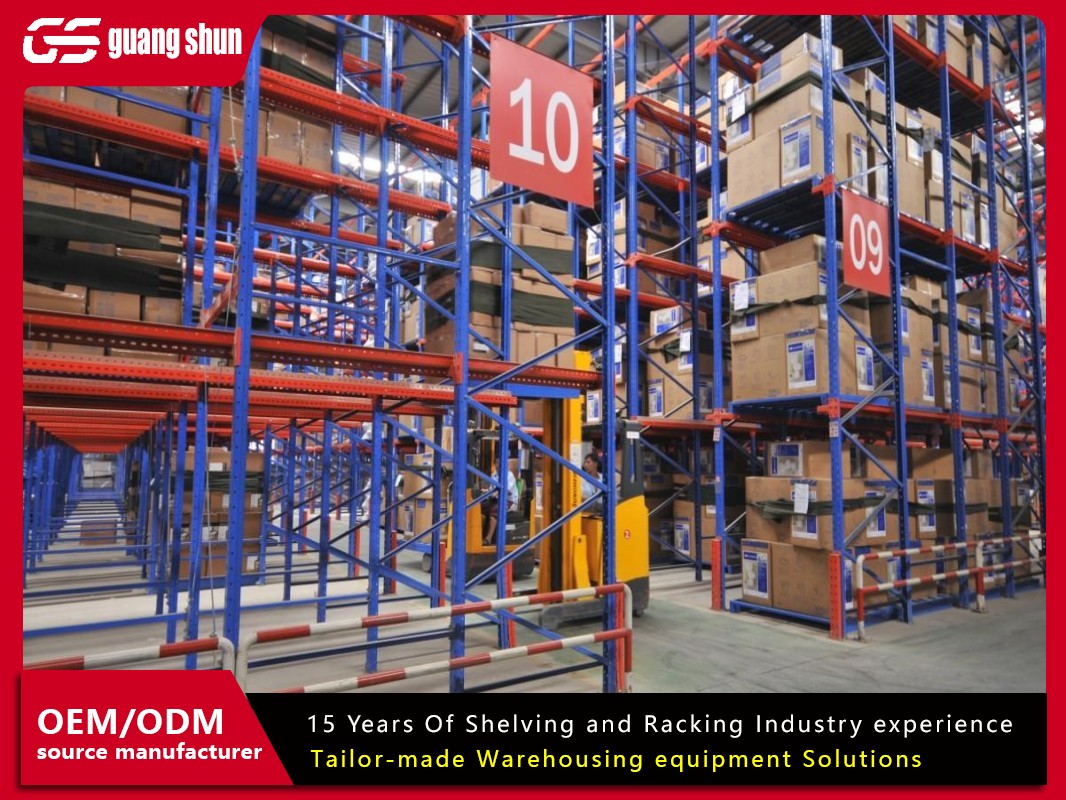
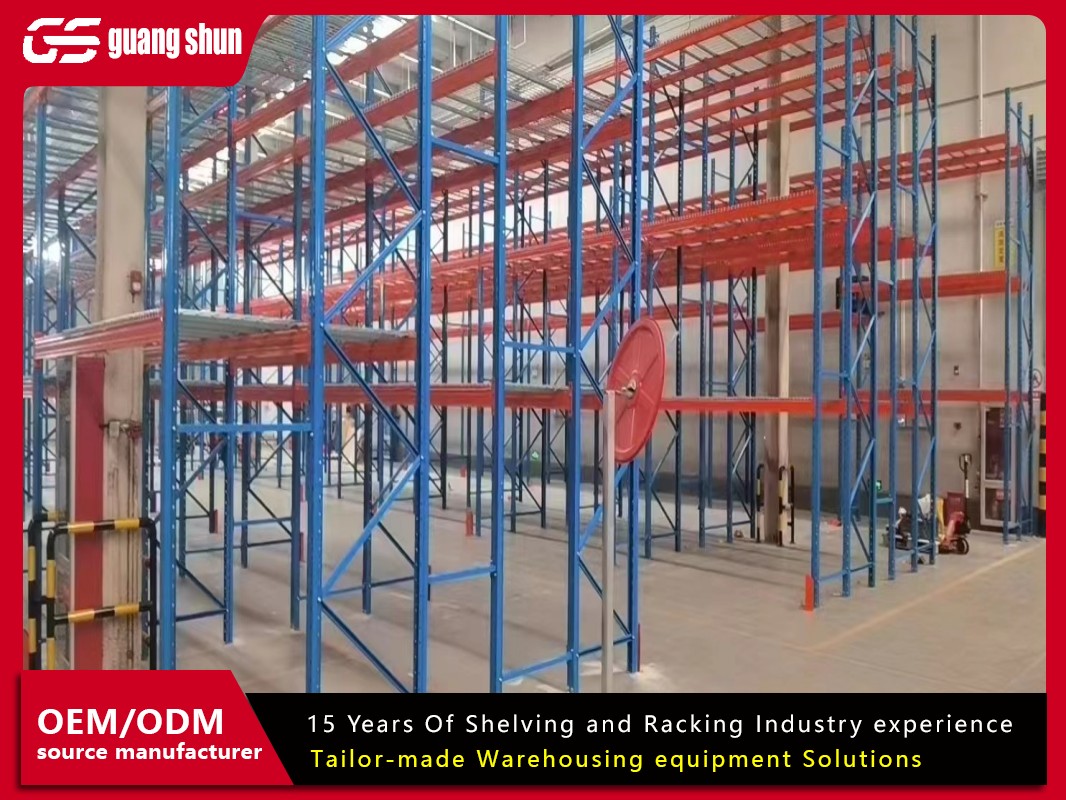
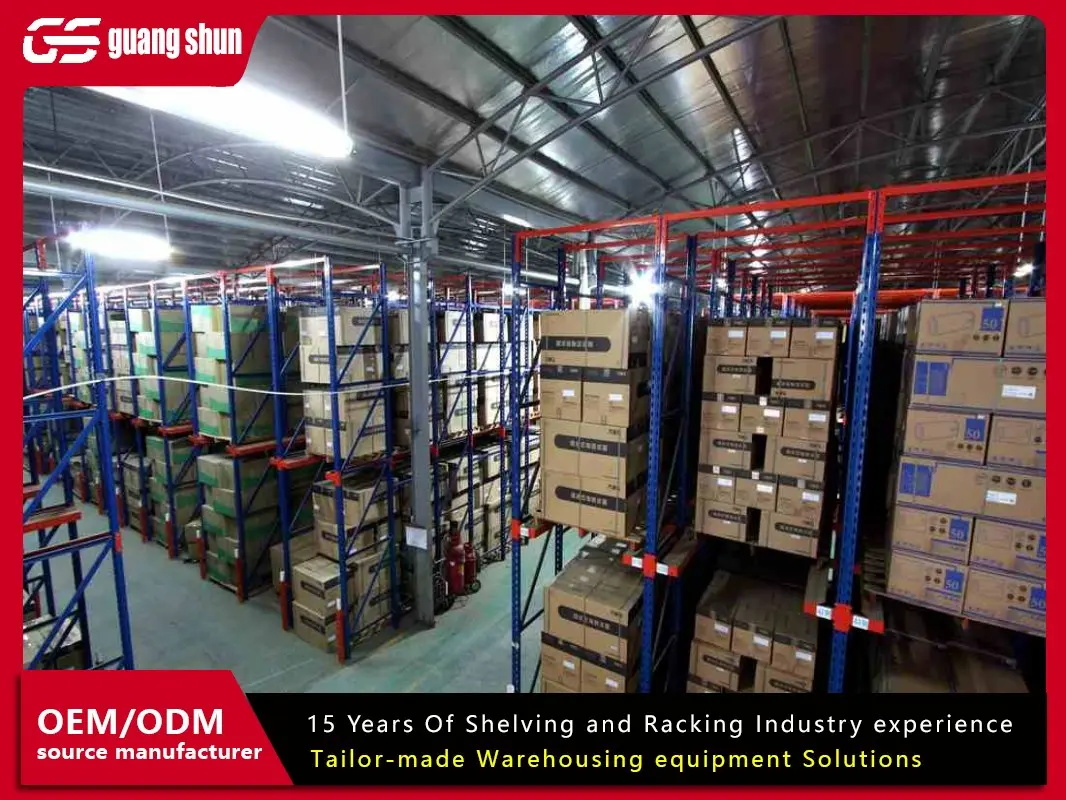
Every warehouse relies on the strength of its storage framework. The vertical support, commonly referred to as the pallet rack post, bears the brunt of daily loads. Without a durable post, even the best-designed racks become a liability. This component must withstand impacts, humidity, and constant weight. Understanding its characteristics helps managers make informed purchasing decisions. A single compromised post can lead to catastrophic failure. Therefore, focusing on the quality of your pallet rack post is the first step toward a safer facility.
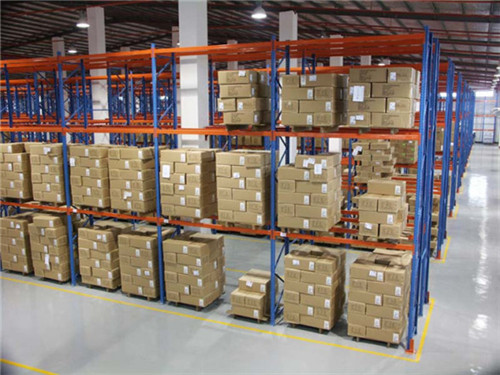
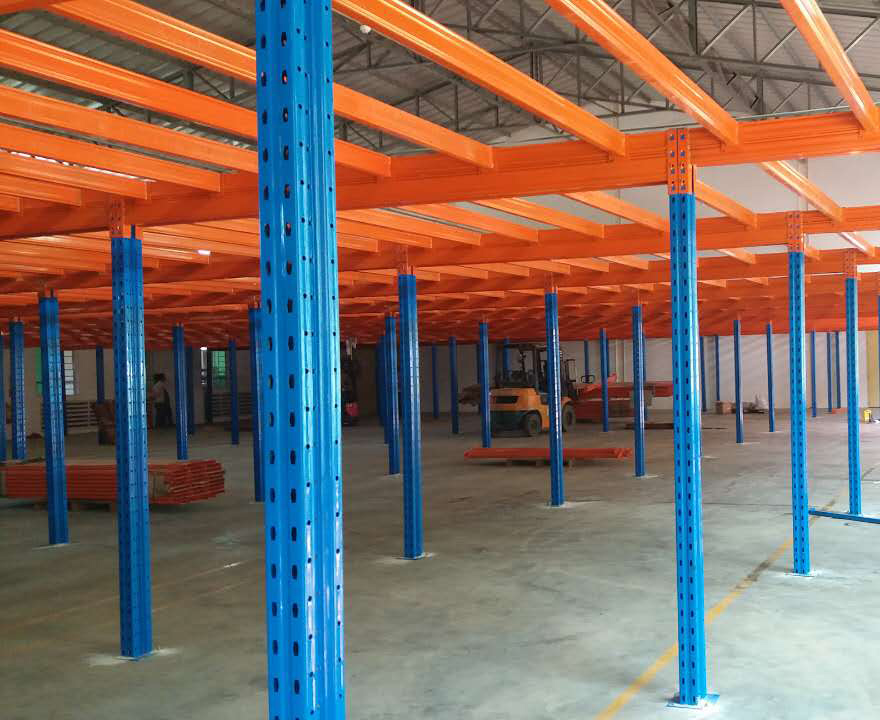
The pallet rack post acts as the backbone of selective pallet racks. It transfers vertical loads from beams to the floor. Frames consist of two posts connected by diagonal and horizontal braces. When forklifts place heavy pallets, the posts absorb the shock. Their design also resists bending from accidental bumps. Regular audits of each pallet rack post ensure that the entire structure remains plumb and secure. Even a slight lean indicates potential overload or impact damage.
Key functions include:
Supporting static and dynamic loads from stored goods.
Providing attachment points for beam connectors and safety pins.
Maintaining row alignment to prevent rack tipping.
Acting as a base for row spacers and wall ties.
Warehouse layouts often place high-traffic aisles next to these posts. Therefore, the pallet rack post must also tolerate occasional collisions without immediate failure. Some facilities add protective guards, but the post itself remains the last line of defense.
Manufacturers produce pallet rack post primarily from high-strength steel. Two common methods are hot-rolling and cold-forming. Cold-formed steel offers tighter tolerances and higher yield strength, which is why most modern racks use it. The steel gauge directly influences the load capacity. Thicker walls handle heavier loads but add weight and cost. Engineers calculate the required section modulus based on beam loads and frame height.
Most pallet rack post sections are open shapes (like roll-formed channels) or closed tubes. Open profiles are easier to inspect for rust and dents. Common grades include SSAB Domex or similar high-strength low-alloy steels. These materials resist deformation under cyclic loading. When selecting a replacement, always match the original steel grade to maintain system integrity.
Corrosion shortens the life of any pallet rack post. Most racks receive a baked-on polyester powder coat. For cold storage or outdoor applications, hot-dip galvanizing provides superior protection. The finish also affects friction: some coatings help beams seat more securely. Regular inspections should check for chipping, especially at the base where moisture collects.
Powder coating: available in many colors, good for indoor use.
Galvanized: ideal for refrigerated or humid environments.
Pre-painted steel: cost-effective but less durable than powder.
OSHA and ANSI standards require periodic rack inspections. The pallet rack post should be examined monthly in busy warehouses. Look for visible damage like dents, bends, or cracks. Use a level to check vertical alignment. Any post leaning more than one degree requires evaluation. Also, inspect anchor bolt conditions; loose anchors stress the post unevenly. Document every finding with photos and notes.
Common damage signs include:
"Snake" bends along the length from repeated impacts.
Flaking paint or rust near the floor, indicating moisture exposure.
Weld cracks at brace connections.
Torn anchor holes from pull-out forces.
If a pallet rack post shows any of these, isolate the bay immediately. Do not restock until a qualified engineer assesses the damage. Remember that even a small dent reduces load capacity significantly.
When a pallet rack post gets bent, the first question is whether to repair it. Industry experts generally advise against straightening a deformed post. Cold-formed steel loses strength when bent back. Replacement is almost always safer. However, minor cosmetic scratches do not require replacement. For major damage, order a new post from the original manufacturer to ensure compatibility. Mixing brands may cause fit and strength mismatches.
Consider these factors:
If the post is twisted or kinked, replace it.
If the protective coating is only scratched, touch up the paint.
If the baseplate is bent, the entire post often needs replacement.
Always use approved repair kits if splicing is absolutely necessary, but splicing is rare for posts.
Replacing a single pallet rack post is straightforward. Unload the bay, support the beams, remove the old post, and install the new one. Re-torque all bolts and re-anchor to the floor. Then perform a load test before returning to service.
Preventive maintenance keeps your pallet rack post in top condition. Train forklift operators to avoid striking posts. Install column protectors in high-risk aisles. Keep the floor clean so debris does not push against the base. Also, ensure that sprinkler systems do not leak onto the posts. Water accelerates rust, especially at the bottom. Inspect after any incident, even a minor bump, because hidden cracks may develop.
Simple habits make a big difference:
Use rack nets or panels to contain falling boxes that could hit posts.
Label each post with a maximum capacity placard.
Conduct annual professional inspections beyond internal checks.
Apply rust-inhibiting primer to any scratched areas immediately.
By prioritizing these steps, the pallet rack post will serve reliably for decades. Remember that a small investment in protection saves thousands in potential liability.
In North America, the Rack Manufacturers Institute (RMI) provides design and safety guidelines. ANSI MH16.1 specifies the allowable stresses for steel storage racks. European norms like EN 15512 cover similar requirements. These standards dictate the minimum thickness, bracing spacing, and testing procedures for every pallet rack post. Compliance ensures that the post can handle seismic events or unusual loads. When purchasing new racks, ask for a certificate of conformance to these standards. It protects your business during insurance audits.
Always check local building codes too. Some regions require additional seismic bracing that directly affects post anchorage. Ignoring these regulations can lead to fines and unsafe conditions. A well-documented maintenance log showing regular checks of each pallet rack post demonstrates due diligence.
Q1: What is a pallet rack post exactly?
A1: A pallet rack post is the vertical upright component in a pallet rack frame. It supports the beams and the entire load. Typically made of steel, it comes in various gauges and profiles to suit different weight capacities. The posts are punched with slots to attach beams at different heights.
Q2: How often should I inspect my pallet rack post?
A2: Perform visual inspections monthly. A more detailed engineering survey should occur annually or after any major impact. High-volume warehouses may need weekly checks. Look for bends, rust, or loose anchors on every pallet rack post. Document all findings.
Q3: Can a bent pallet rack post be repaired instead of replaced?
A3: In almost all cases, a bent pallet rack post must be replaced. Attempting to straighten it weakens the steel and voids the manufacturer's warranty. Replacement with an identical post is the only safe option. If the damage is very minor (a small dent less than 1/4 inch deep), consult an engineer.
Q4: What are standard dimensions for a pallet rack post?
A4: Depths typically range from 36 to 48 inches for selective racks, but custom sizes exist. The profile can be 3 inches wide by 1-5/8 inches deep or larger for heavy-duty racks. The thickness (gauge) varies from 12 to 7 gauge (0.1046 to 0.1793 inches). Always refer to the manufacturer's specs for your specific pallet rack post.
Q5: How do I choose the right pallet rack post for a new installation?
A5: Consider the load weight, beam span, and seismic zone. Calculate the total load per bay and divide by the number of posts. Choose a post gauge that meets or exceeds that load with a safety factor. Also, factor in future changes in inventory. Purchase from reputable suppliers who provide load tables for their pallet rack post systems.
Q6: What causes a pallet rack post to fail?
A6: The most common causes are forklift impacts, overloading, and corrosion. Impact damage may not be immediately visible but can weaken the post over time. Overloading beyond the design capacity buckles the post. Corrosion eats away steel, reducing thickness. Regular inspections catch these issues before failure occurs.
In summary, the pallet rack post is a fundamental element that demands attention from design through daily operation. By understanding its role, materials, and maintenance needs, warehouse managers can ensure a safe and productive environment. Investing time in post inspection and operator training pays off in prevented accidents and uninterrupted workflow. Always source replacement posts from trusted manufacturers and adhere to applicable safety standards. Your facility's reliability starts with a robust pallet rack post.

 Wechat
Whatsapp
Wechat
Whatsapp