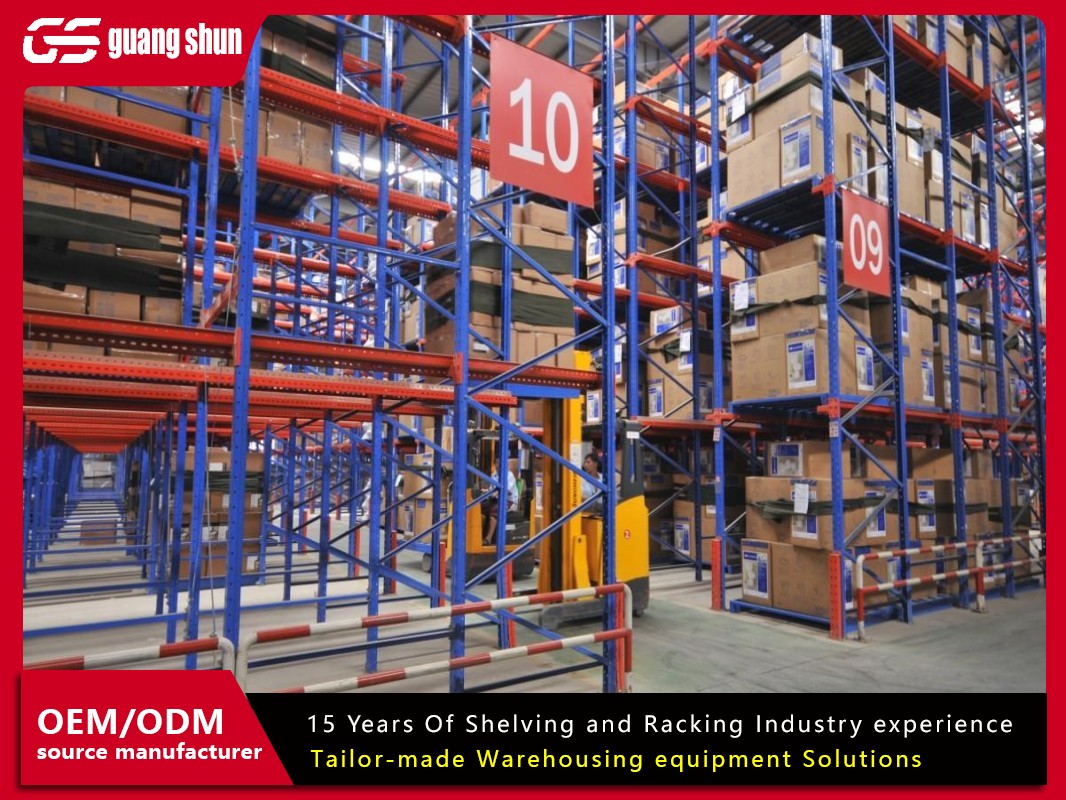
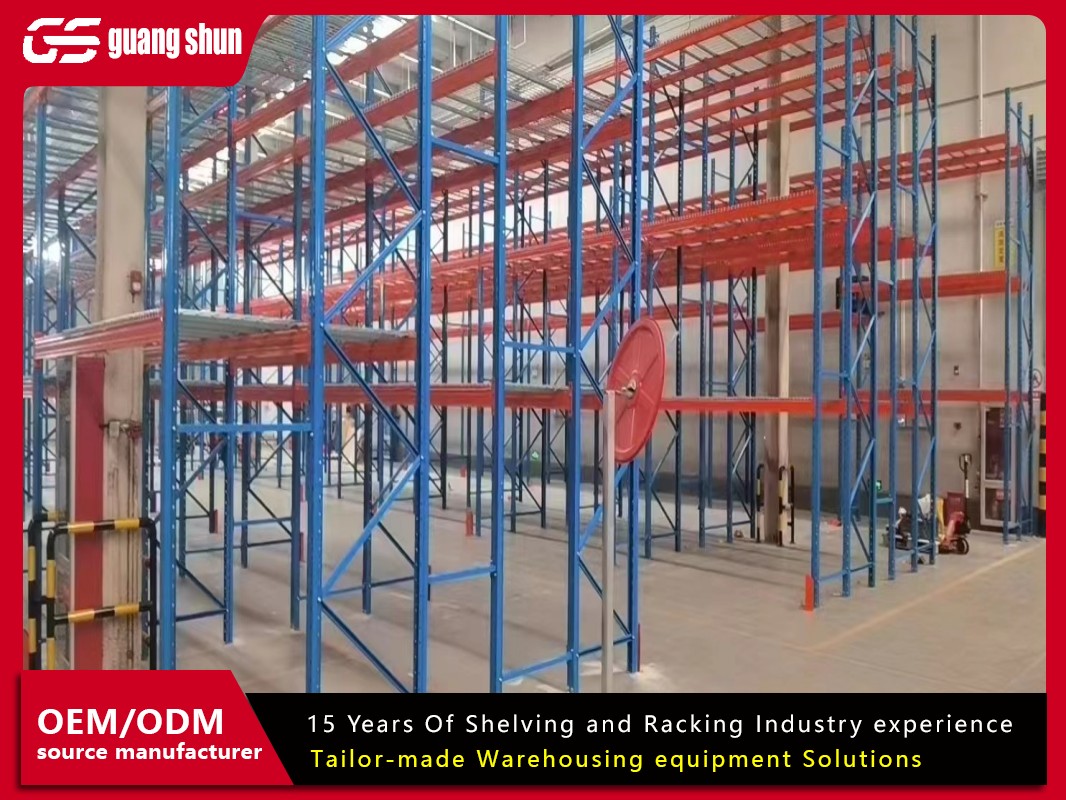
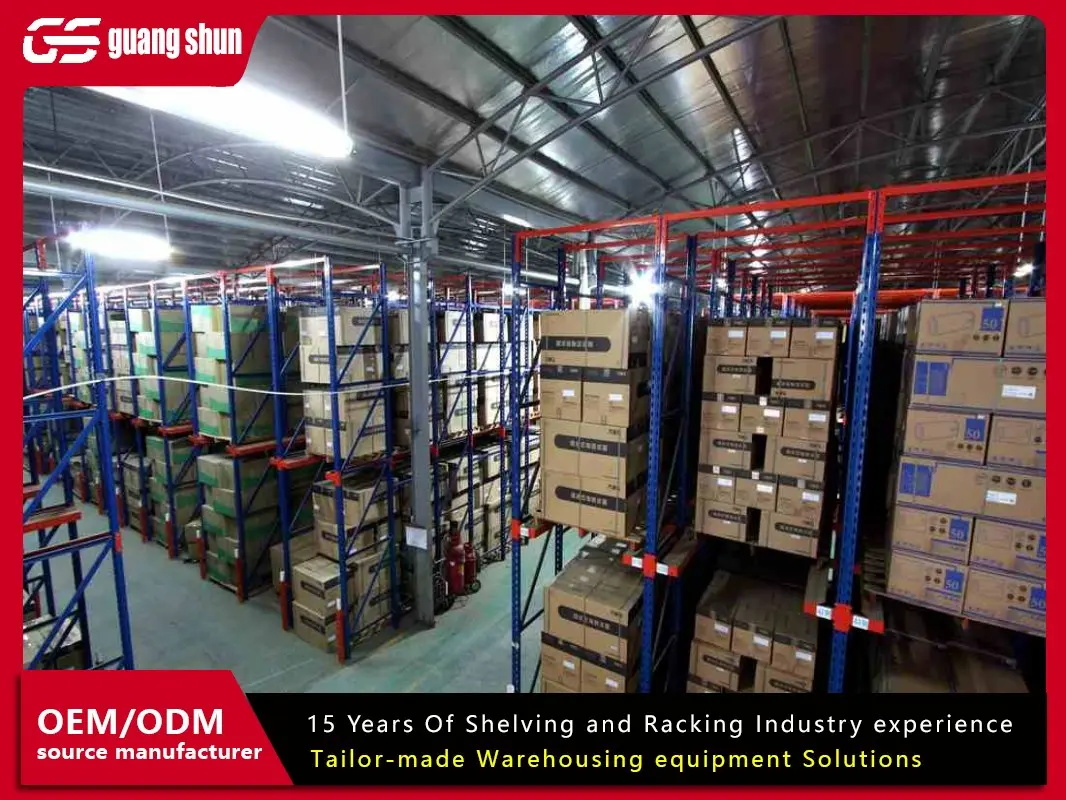
Warehouse managers and facility operators constantly look for ways to store more without expanding the building. industrial slide out shelves offer a proven method to turn deep shelving into accessible, high‑density storage. Unlike fixed racks, these units pull forward smoothly, allowing staff to reach items at the back without climbing or stretching. This simple mechanism reduces handling time and makes better use of every square foot.
Many industries—from automotive to e‑commerce fulfillment—now rely on heavy‑duty sliding shelves. The design combines sturdy roller bearings and reinforced trays that can hold thousands of pounds. By upgrading to industrial slide out shelves (without link here, only bold), companies often reclaim up to 50% of wasted aisle space. Below we explore the specific benefits, materials, and selection criteria you need to know.
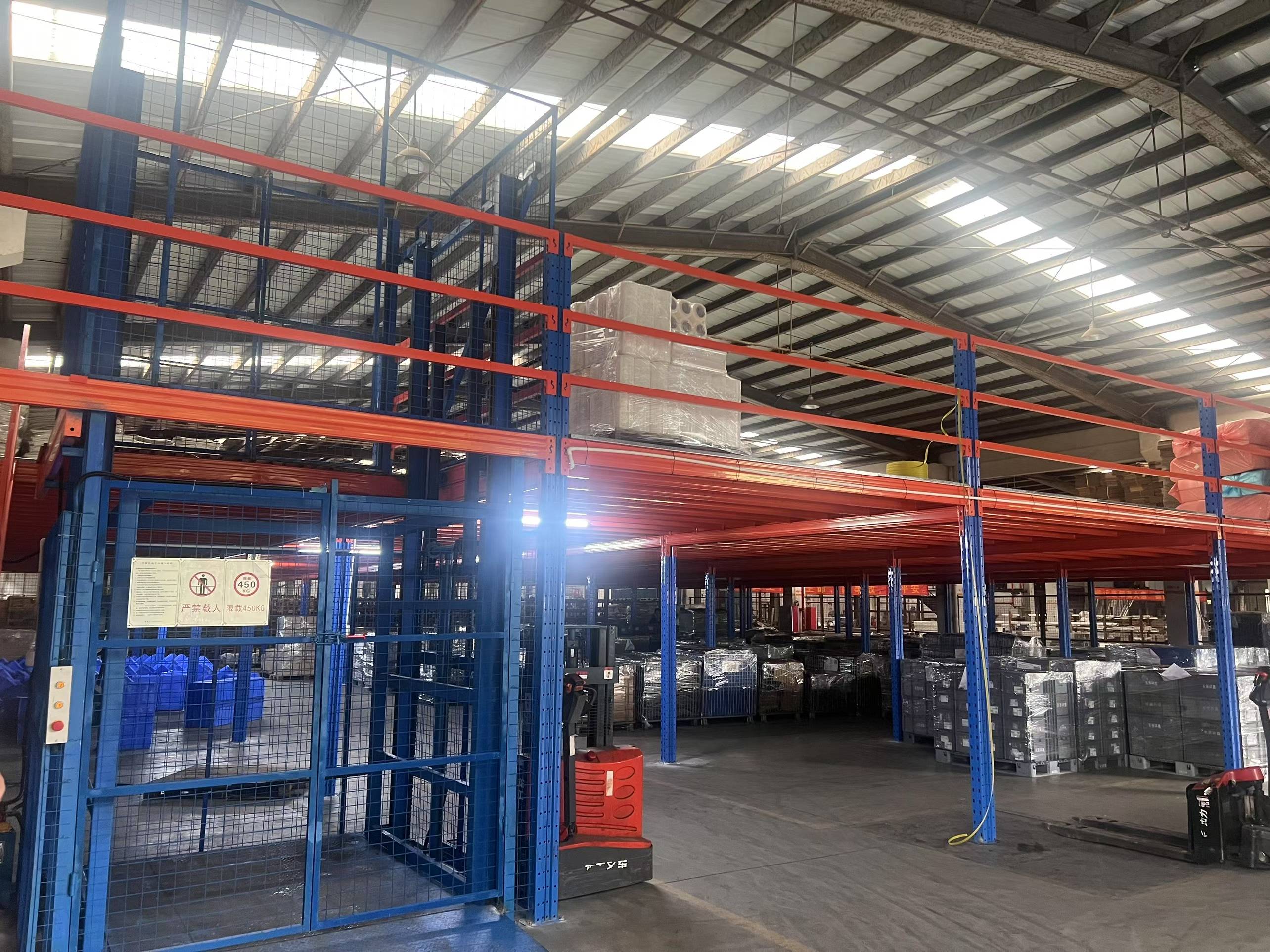
Installing sliding shelf systems changes how workers interact with inventory. Short bullet points below summarise the main gains:
Space efficiency: Reduce the number of aisles by consolidating storage depth.
Ergonomic access: Pull the shelf out to bring heavy parts within easy reach.
Faster picking: No more digging through stacked boxes; everything slides out.
Inventory control: Clear visibility of all items minimises overstock and loss.
These benefits directly affect the bottom line. A well‑designed layout with industrial slide out shelves can cut labor costs and improve order accuracy.
Fixed deep shelving often forces workers to assume awkward postures. With a slide‑out system, the tray comes to the worker. Back injuries and strains decrease noticeably. Many safety officers now specify industrial slide out shelves in new facility designs.
Conventional racks need wide aisles for forklift turning. Slide‑out shelves allow narrower aisles because the rack extends rather than requiring vehicle entry. This can free up room for additional production lines or storage rows.
Not all sliding shelves are built the same. The choice of material and rail system determines longevity and load capacity. Here are the typical elements:
Rail assembly: Heavy‑duty telescopic rails with ball bearings (stainless steel or galvanised).
Shelf tray: Usually diamond‑plate steel, wire mesh, or particle board with steel reinforcement.
Mounting brackets: Bolted to upright frames; must match existing rack columns.
For extreme loads above 2000 lbs, manufacturers use reinforced carriages and dual‑rail systems. Always verify the dynamic load rating—industrial slide out shelves should be specified for both static and extended positions.
Light‑duty units (200–500 lbs) suit small parts and tool rooms. Medium‑duty (500–1500 lbs) work for dies, motors, and bulk boxes. Heavy‑duty versions handle up to 5000 lbs per shelf. Choosing the right capacity avoids premature wear.
From aviation maintenance to retail backrooms, industrial slide out shelves adapt to many environments. Below are three common uses:
Brake drums, alternators, and heavy components are stored on pull‑out trays. Mechanics can quickly slide out the required part without moving other items. This has made industrial slide out shelves almost standard in high‑volume parts distribution.
Molds, dies, and fixtures often weigh hundreds of pounds. A slide‑out shelf brings the tool to the operator, reducing crane dependency. Many tool cribs now retrofit existing rack with sliding attachments.
In freezer environments, industrial slide out shelves made of stainless steel resist corrosion and ice buildup. Workers can pull out entire pallets of frozen goods with minimal exposure to cold.
Purchasing sliding racks involves more than just measuring width. Consider these factors before ordering:
Aisle space: measure the fully extended depth – you need clearance for the shelf plus the operator.
Floor condition: uneven floors may require shims or casters.
Frequency of use: high‑cycle operations need rails with sealed bearings and grease fittings.
Also think about compatibility. Many industrial slide out shelves are designed to fit standard pallet rack frames (e.g., 96" tall, 42" deep). Custom sizes are available but may increase lead time.
Roller slides are economical and good for moderate use. Ball‑bearing slides provide smoother extension and handle heavier loads. For frequent pulling, choose full‑extension ball‑bearing rails.
Powder‑coated paint resists scratches and rust in dry warehouses. Galvanised or stainless finishes are mandatory in wash‑down or chemical areas. The right coating extends the service life of your industrial slide out shelves significantly.

Proper mounting ensures safety and smooth operation. Follow these guidelines when installing industrial slide out shelves:
Always anchor the rack frame to the floor if required by seismic code.
Use a level to align rails; twisted rails will bind or wear unevenly.
Tighten all bolts to manufacturer torque specs – recheck after one week.
After installation, test each shelf with partial load to verify extension. Train staff not to overload or stand on shelves. Regular cleaning of rails with a dry cloth prevents debris buildup.
Inspect rails monthly for loose screws or worn bearings.
Lubricate moving parts with lithium grease (if recommended).
Check shelf welds and decking for cracks.
With care, quality industrial slide out shelves can last 15 years or more.
Conclusion: Integrating industrial slide out shelves into your storage plan delivers measurable improvements in organisation, safety, and throughput. Whether you run a small fabrication shop or a 500,000 sq ft distribution center, sliding shelves turn dead space into productive inventory locations. Take time to evaluate load requirements and rail quality—your workers will appreciate the difference every day.
Yes, most manufacturers offer retrofit sliding shelf kits that bolt onto standard upright frames. Check the column size and load capacity first. Some industrial slide out shelves come with universal brackets that fit common teardrop or keyhole styles.
Heavy‑duty models range from 2000 lbs to 5000 lbs per shelf. Specialised versions with quadruple rails can handle up to 10,000 lbs. Always verify the dynamic rating (when extended) and static rating (when closed).
You need the depth of the shelf when fully extended, plus at least 30 inches for the operator to stand and handle items. For a 36‑inch deep shelf, plan on roughly 66 inches of total aisle width. Some facilities reduce aisle space by using narrow‑aisle forklifts alongside sliding shelves.
No, but the floor must be level within 1/8 inch over 10 feet to prevent rack tilt. Uneven floors cause the rails to bind. If your floor is sloped for drainage, you can use shims under the uprights. Most industrial slide out shelves perform well on concrete floors with proper leveling.
Standard painted shelves are not recommended outdoors due to moisture. However, you can order industrial slide out shelves with stainless steel or hot‑dipped galvanised finish. Covers or shelters are also advised to prolong rail life.
For normal warehouse use (5–10 cycles per day), lubricate every six months. Use a dry‑film lubricant or white lithium grease. Avoid oil‑based sprays that attract dust. If the shelves feel gritty, clean the rails with a soft brush before re‑lubing.
Remember, investing in robust industrial slide out shelves is a long‑term move toward leaner operations. Whether you need one shelf or an entire mezzanine level, always source from reputable suppliers that provide load test certificates. For more product details and custom configurations, visit the main product page linked above.
2026 – technical guide. All specifications mentioned are for general reference. Verify with your provider for exact measurements.

 Wechat
Whatsapp
Wechat
Whatsapp