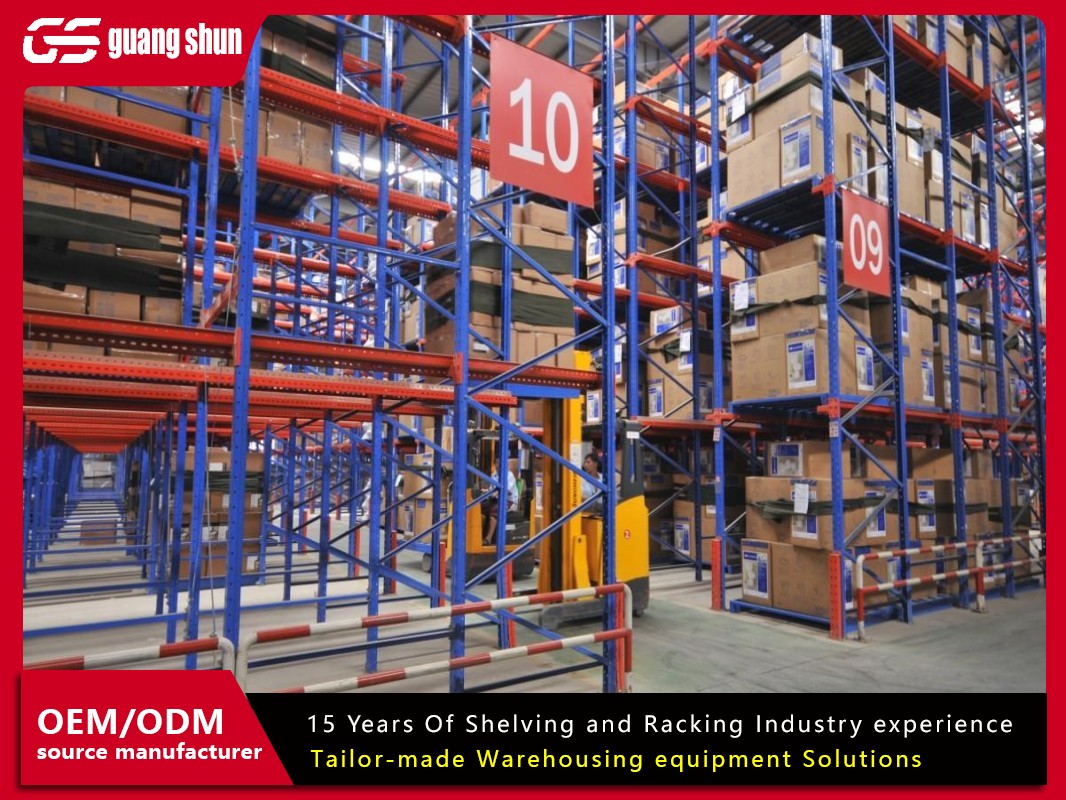
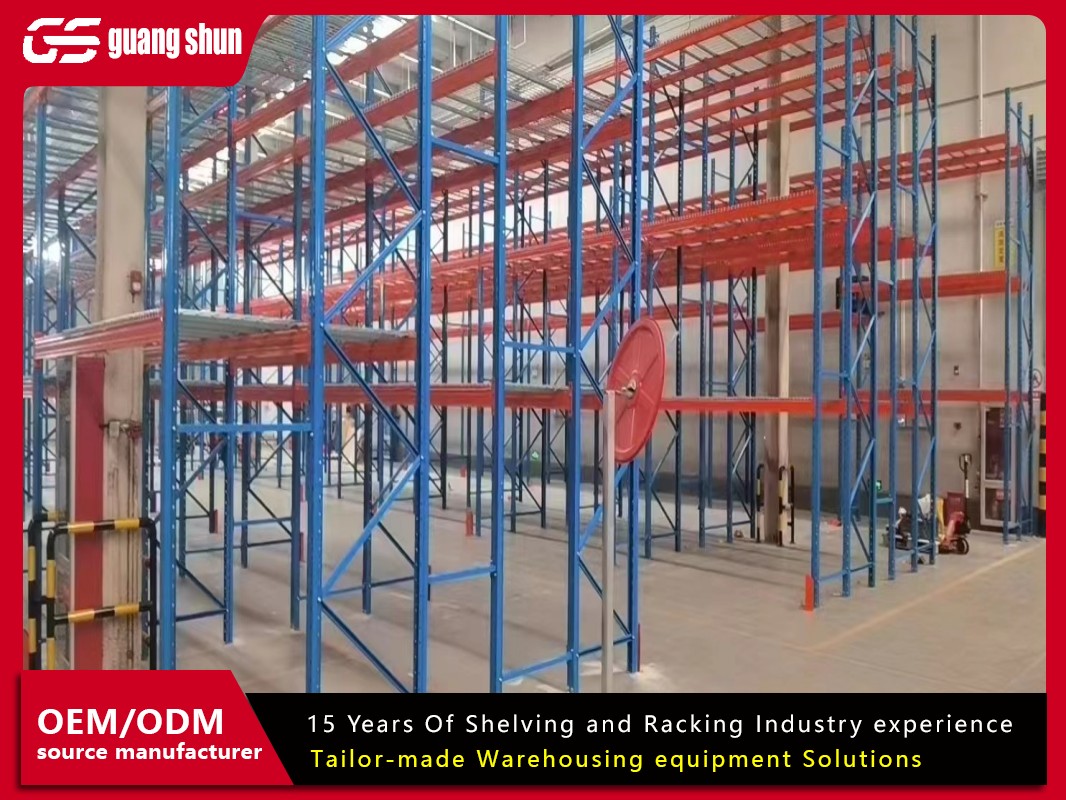
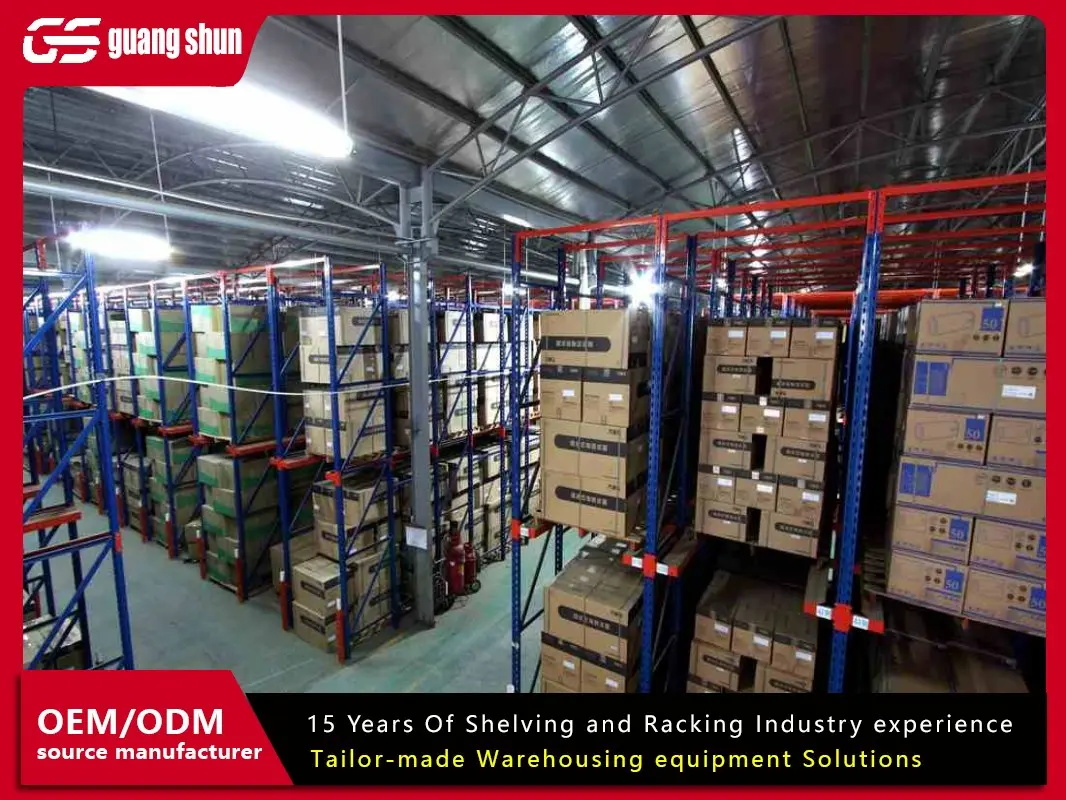
Modern distribution centers face converging pressures: labor cost inflation, land scarcity, and real-time inventory demands. automated pallet racking has moved beyond a competitive differentiator—it is now a structural requirement for any facility handling more than 5,000 pallet positions. Unlike semi-automated alternatives, fully integrated systems combine steel infrastructure with autonomous shuttles, stacker cranes, and warehouse execution software. This article examines the mechanical architecture, control logic, and financial justification of these systems, drawing from field data across cold storage, automotive, and third-party logistics (3PL) environments.
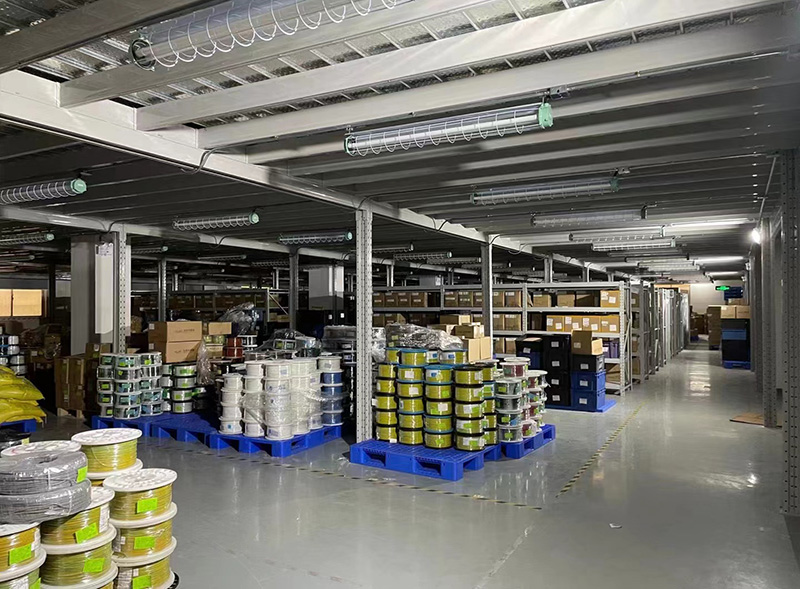
An automated pallet racking installation is not a single product but an engineered ecosystem. Every component must tolerate dynamic loads, acceleration forces, and continuous operation cycles. Below are the critical subsystems that define system reliability.
Upright frames, horizontal braces, and floor anchors form the backbone. For automated operation, rail alignment tolerances become stricter: deviations exceeding ±2 mm over 20 meters cause shuttle binding or crane misalignment. High-grade steel (S350GD+Z or equivalent) with galvanized coating (minimum 275 g/m²) is standard for corrosion resistance, especially in cold rooms where condensation accelerates oxidation. automated pallet racking designs typically adopt a cantilever or double-deep configuration, but multi-deep shuttles demand reinforced beam profiles to handle point loads from robotic insertion.
Two main AS/RS archetypes exist for pallet handling: mini-load (for cartons) and unit-load (for full pallets). Unit-load cranes with mast heights exceeding 30 meters are common in high-bay warehouses. Key performance metrics include horizontal travel speed (up to 240 m/min), vertical lift speed (up to 60 m/min), and load handling cycles (typically 40–60 dual cycles per hour). For shuttle-based systems, each shuttle carries a DC motor and inductive charging plates, allowing 24/7 operation with less than 5% downtime for recharging.
While any warehouse can theoretically install automation, certain environments deliver the fastest payback. The table below outlines three high-ROI use cases.
Deep-Cold Storage (-25°C to -18°C): Human operators require frequent breaks and protective gear, reducing productivity by 40-60%. Automated systems maintain full throughput with no thermal comfort constraints. A 2023 industry benchmark showed that cold storage facilities using automated pallet racking reduced labor-related costs by 72% over three years.
High-Throughput Cross-Docking: Facilities moving >1,000 pallets per shift need sequenced retrieval. Automated racking with integrated conveyor systems enables just-in-time delivery to dock doors, eliminating staging areas and cutting trailer turnaround times by 35%.
Multi-SKU Retail Distribution: E-commerce and grocery chains manage thousands of SKUs with variable turnover. Automated pallet racking combined with a warehouse management system (WMS) can dynamically assign storage depths—fast-movers in front positions, slow-movers in deep lanes—optimizing cube utilization by up to 85%.
Traditional selective racking with forklifts introduces persistent inefficiencies. Understanding these pain points clarifies the value proposition of automation.
Forklift-dependent layouts require wide aisles (typically 3.2–3.8 meters for counterbalance trucks). This leaves 45-55% of warehouse floor space dedicated to movement paths, not storage. automated pallet racking with very narrow aisle (VNA) technology reduces aisles to 1.6–1.8 meters. Shuttle-based systems eliminate aisles entirely within storage blocks, achieving densities of 90-95% of theoretical maximum. For a 10,000 m² facility, this translates to an additional 3,500–4,000 pallet positions without expanding footprint.
Warehouse labor turnover in industrial regions averages 30-45% annually. Training new forklift operators to reach peak productivity (20-25 pallet moves per hour) takes three months. Automated systems maintain consistent cycle times regardless of shift changes or absenteeism. Data from 14 distribution centers that adopted automation showed a 28% increase in effective throughput after six months, with error rates dropping from 2.3% to 0.3%.
Manual put-away and retrieval result in misplaced pallets, leading to "ghost inventory" and emergency replenishment costs. Laser-guided and encoder-based positioning in automated racking ensures each pallet's location is recorded with sub-centimeter accuracy. Additionally, damage from fork tine impacts drops to near zero—a major factor for high-value goods like electronics or pharmaceuticals. One beverage distributor reported a 92% reduction in damaged pallet racks after migrating to automation.
Automated pallet racking operates through a three-tier control hierarchy: field devices (sensors, motors), PLCs (programmable logic controllers), and the warehouse control system (WCS). The WCS communicates with the WMS via REST APIs or message queues (MQTT). For real-time task interleaving, algorithms optimize sequencing: for example, combining a retrieval from rack row B12 with a storage to row B14 during the same crane trip. This interleaving can increase throughput by 18-25% compared to single-cycle operations.
Modern systems also incorporate predictive maintenance. Vibration sensors on crane masts and shuttle wheel assemblies feed data into a cloud-based analytics engine. When acceleration patterns deviate beyond baseline thresholds (e.g., 0.3g RMS vs. normal 0.15g RMS), the system generates a service alert before mechanical failure occurs. automated pallet racking equipped with this IIoT capability experiences 40% less unplanned downtime according to a 2024 reliability study.
Financial justification requires analyzing capital expenditure (steel, AS/RS hardware, software licenses) against operational savings. For a mid-sized installation (12,000 pallet positions, 6 cranes, 18 shuttles), typical upfront investment ranges from $3.5M to $6M. However, operational savings accumulate across five categories:
Labor reduction: Eliminate 12-18 forklift operators per shift → $600k – $900k annual savings (based on US median wage).
Space cost avoidance: Equivalent non-automated layout would require 40% more land → $200k – $500k annual lease or depreciation savings.
Energy efficiency: Regenerative drives in cranes recapture 25-35% of braking energy → $15k – $30k per year.
Damage and error reduction: Lower product damage, mis-shipments, and rack repairs → $80k – $150k annually.
Tax incentives: Many jurisdictions offer accelerated depreciation for automation assets (e.g., Section 179 in the US).
Combined, these savings produce a payback period of 3.2 to 4.5 years for well-designed systems. Over a 15-year asset life, net present value (NPV) typically exceeds $4M at a 12% discount rate.
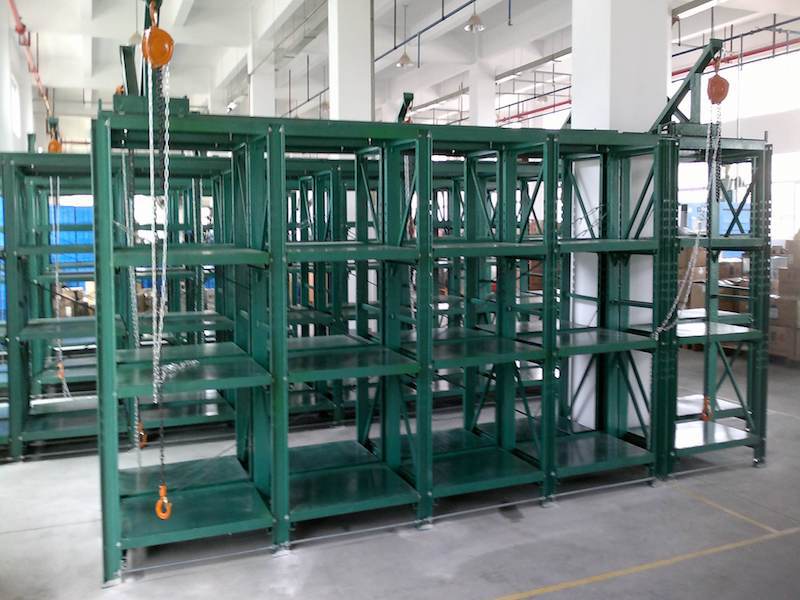
Successful deployment of automated pallet racking follows a structured lifecycle. Below is a phase-gate approach used by industrial engineering firms.
Analyze 12–24 months of historical SKU data: pallet dimensions, weight distribution, throughput velocity, and seasonal peaks. Use discrete event simulation (DES) to test rack configurations before steel is cut. Mistakes at this stage—such as underestimating peak hour transactions—lead to chronic bottlenecks.
Floor flatness is critical. For high-bay AS/RS, floor tolerance must meet DIN 15185 standard: maximum deviation of 2 mm over any 2-meter length and 10 mm over 10 meters. Many projects fail because concrete slabs are poured without embedded rail channels or proper laser screeding.
Install racking in zones, then integrate automation module by module. Start with a single aisle for six weeks of pilot operation—this reveals software integration bugs (e.g., handshake delays between WMS and shuttle controllers) without halting overall warehouse flow. Only after achieving 98% system reliability in the pilot should full-scale rollout proceed.
Guangshun has executed over 120 automated pallet racking projects across Southeast Asia and Europe, with particular expertise in seismic zone installations and cold storage engineering. Their approach combines FEM (European) and RMI (American) standards to ensure structural integrity under dynamic loads. Guangshun also provides as-built laser scanning for tolerance verification—a service that prevents the alignment failures mentioned above. For engineers evaluating suppliers, request a finite element analysis (FEA) report for the proposed rack configuration; Guangshun provides this as part of their standard engineering package.
The next frontier for automated pallet racking involves machine learning for dynamic slotting. Instead of fixed storage zones, algorithms predict weekly demand fluctuations and reassign pallet positions overnight. Early adopters report a further 15% reduction in crane travel distance. Additionally, modular rack designs with quick-release beam connectors allow warehouse managers to reconfigure lane depths quarterly, adapting to SKU mix changes. While still emerging, these technologies will become standard by 2028.
A1: Under normal operating conditions (indoor, non-corrosive, proper load management), the steel structure lasts 25–35 years. However, moving components like shuttles and crane motors require replacement every 8–12 years. Regular inspections for bolt torque and column verticality extend structural life. Many owners perform a major refurbishment at year 15, replacing wear parts and upgrading control software.
A2: Seismic design follows local codes (e.g., ASCE 7 in the US, Eurocode 8). Key modifications include base isolation pads, cross-aisle horizontal bracing, and slotted connections that allow controlled sway. Guangshun has delivered systems for seismic zone 4 (Japan and Chile) using pendulum dampers that limit rack drift to 1/100 of height during design basis earthquakes. Always request a time-history analysis from the rack supplier.
A3: Yes, but with design adjustments. For mixed heights, use beam levels set to the tallest pallet, then add adjustable dividers or telescopic supports for smaller ones. For mixed footprints, most shuttles and cranes require uniform pallet base dimensions (e.g., 1200x1000 mm). However, some advanced systems employ laser profile scanners to handle variable sizes by adjusting fork position dynamically—though throughput decreases by 10–15% when mixed sizes exceed 20% of the total population.
A4: General industry rule of thumb: 80–100 pallet moves per hour (inbound+outbound) during peak periods. Below that, a VNA truck with wire guidance may be more cost-effective. However, facilities with severe space constraints (e.g., urban warehouses where land costs exceed $200/m²) can justify automation at 50 moves/hour because the space savings alone pay for the system. Run a total cost of ownership model with your specific real estate and labor rates.
A5: For a greenfield warehouse with 8,000–12,000 pallet positions, the timeline is 12–18 months. Breakdown: 3 months for detailed engineering and simulation; 4 months for steel fabrication; 3 months for site concrete and anchor installation; 4 months for rack erection and automation integration; and 2 months for commissioning and training. Retrofits into existing buildings add 3–6 months due to foundation reinforcement and limited working windows.
For detailed project specifications and engineering consultation, visit Guangshun’s official portal or review their automated pallet racking product portfolio for technical datasheets and case studies.

 Wechat
Whatsapp
Wechat
Whatsapp