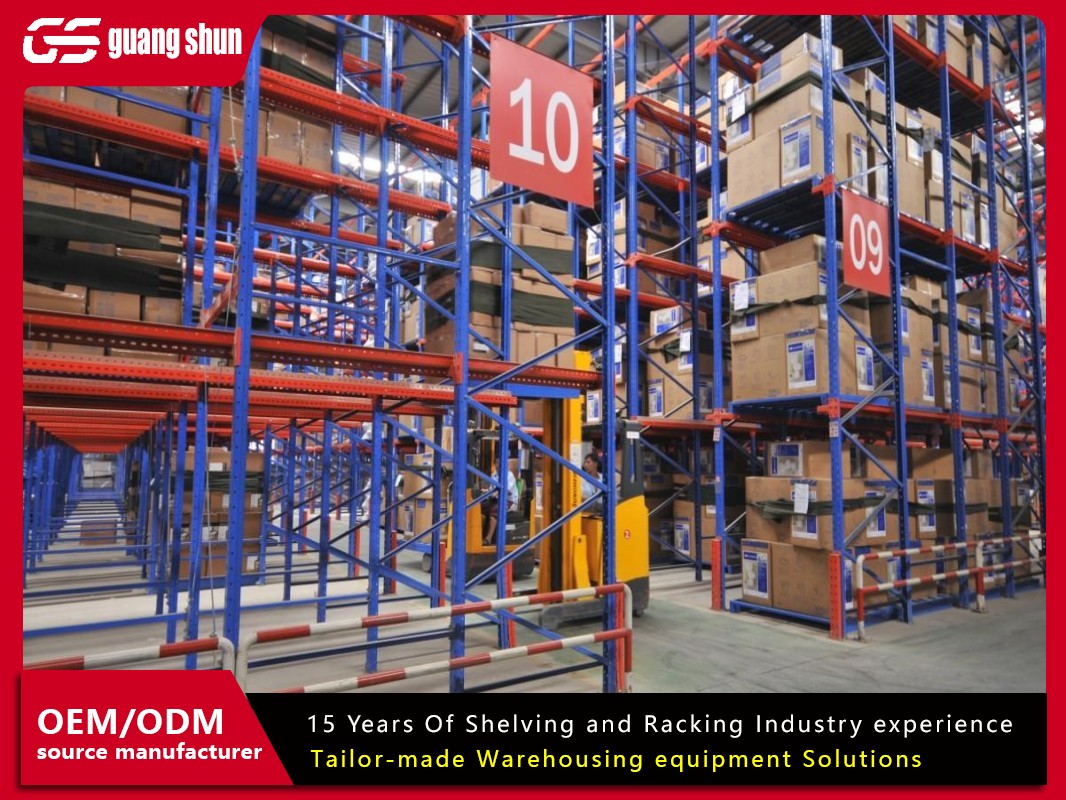
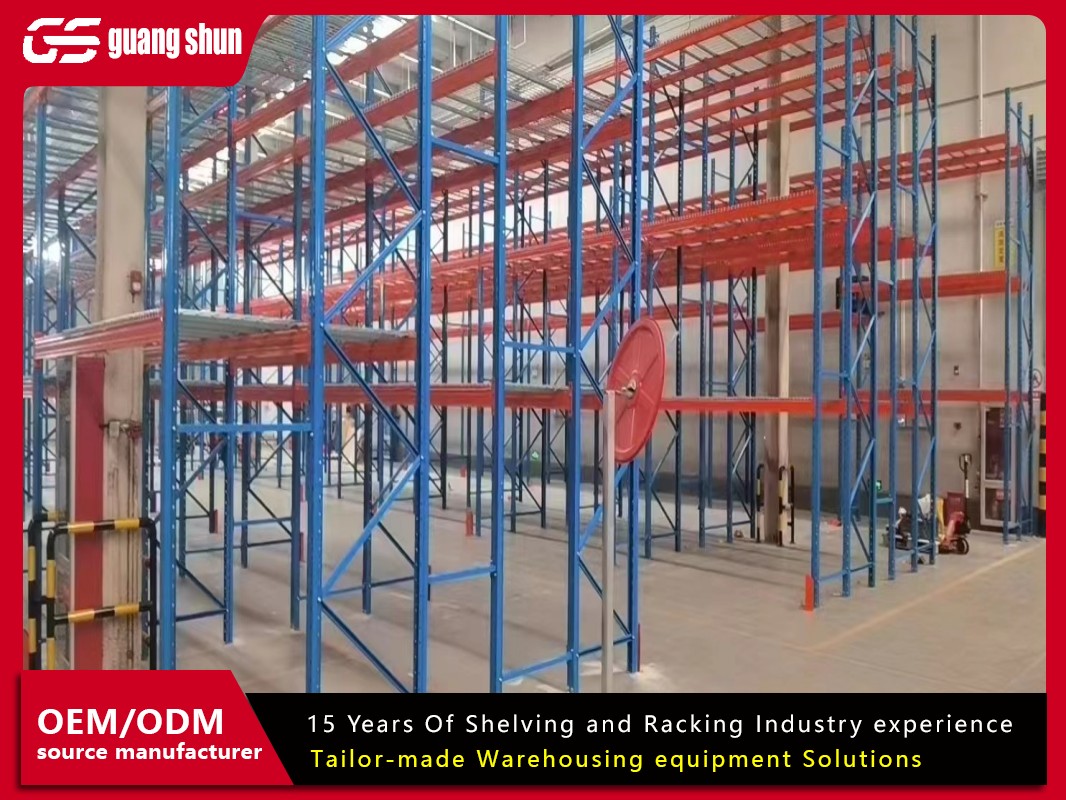
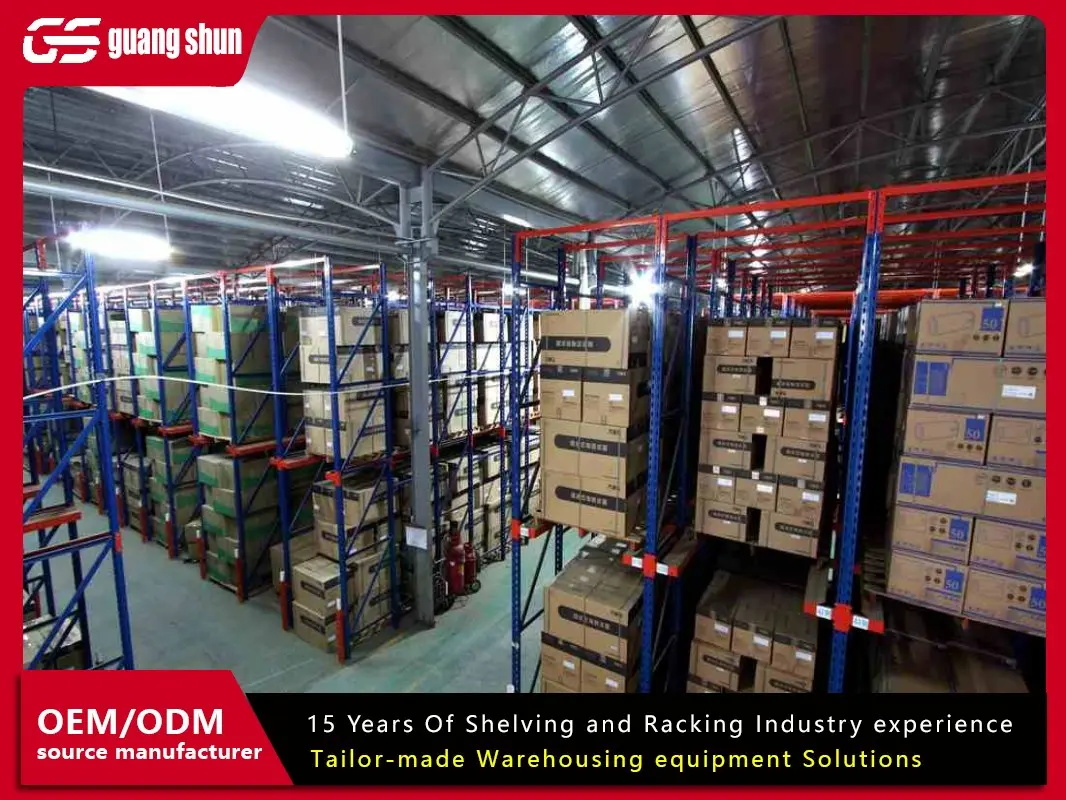
Facility managers and supply chain directors face a persistent paradox: inventory volumes grow while warehouse footprints remain fixed or become more expensive. Conventional static racking wastes up to 60% of floor space on non-productive aisles. A well-engineered sliding storage system (also known as mobile racking or movable shelving) eliminates multiple aisles by mounting racks on motorized carriages that glide on floor-embedded rails. This article provides a technical examination of these systems, from mechanical design to application-specific configurations, and presents data-driven justification for investment. Drawing on industry benchmarks and the expertise of manufacturers like Guangshun, we aim to equip you with the knowledge to evaluate high-density storage solutions.
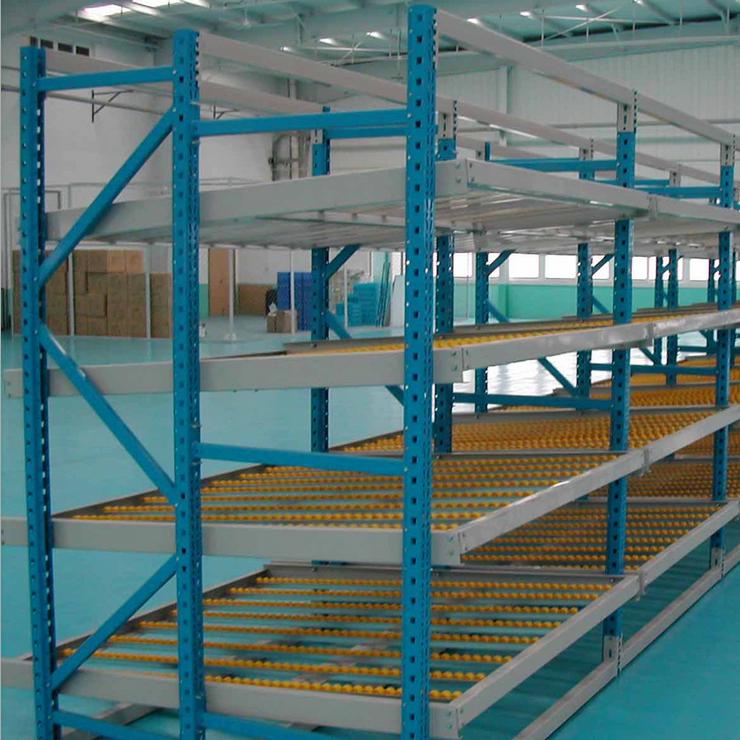
Understanding the core components is essential for proper specification. A sliding storage system is not a single product but an integrated electro-mechanical structure.
The foundation consists of precision-leveled rails recessed into the floor (typically ±2 mm tolerance over 10 meters). Carriages equipped with polyurethane or steel wheels support the rack modules. Load distribution is critical: systems designed for uniform loads up to 12 tonnes per carriage section use double-flanged wheels and hardened steel tracks to minimize rolling resistance.
Manual-assist drives: Mechanical assists (hand cranks with gear reduction) for low-frequency access in small archives; maintenance-free but limited to lighter loads.
Electro-hydraulic drives: For heavy pallet loads (>2 tonnes per section), hydraulic motors provide smooth acceleration and prevent load shift. Control panels often include PLC-based logic with soft-start/stop.
Safety integration: Every sliding storage system must comply with EN 15095 or AS 4084 standards. This includes:
Infrared photo-eyes that stop movement if an object is detected in the aisle.
Emergency stop pull-cords running the length of the system.
Anti-tilt mechanisms and acoustic warnings before movement.
High-density mobile racking alters dynamic loads on floors. Unlike static racks, moving carriages impose rolling point loads. Guangshun’s engineering team typically conducts finite element analysis for projects in seismic zones, incorporating base isolators and tie-downs that allow lateral movement without collapse. The choice of materials—from high-tensile steel to zinc-coated components—affects longevity in cold storage or humid environments.
Data from logistics institutes indicates that converting a 10,000 m² static pallet warehouse to a sliding storage system can increase capacity by 50–100% without expanding the building envelope. Below are key metrics based on installations by Guangshun in the automotive and FMCG sectors.
Static selective racking requires approximately 3.2 m aisle width for reach trucks. A mobile system compresses this to one moving aisle for up to 8–12 rows. For a facility storing 5,000 pallets, the initial investment in mobile bases is often offset by:
Elimination of new construction costs (approx. $1,500–$2,500/m²).
Reduction in land lease or property tax per stored unit.
The payback period typically ranges from 18 to 36 months, depending on energy and labor savings (shorter travel paths reduce forklift cycle times).
In freezer warehouses (-25°C), air exchange through aisles is a major thermal load. By minimizing aisle volume, a sliding storage system reduces refrigeration energy consumption by 15–25%. Case data from a Norwegian seafood distributor showed an annual saving of 210,000 kWh after installing mobile racking from Guangshun.
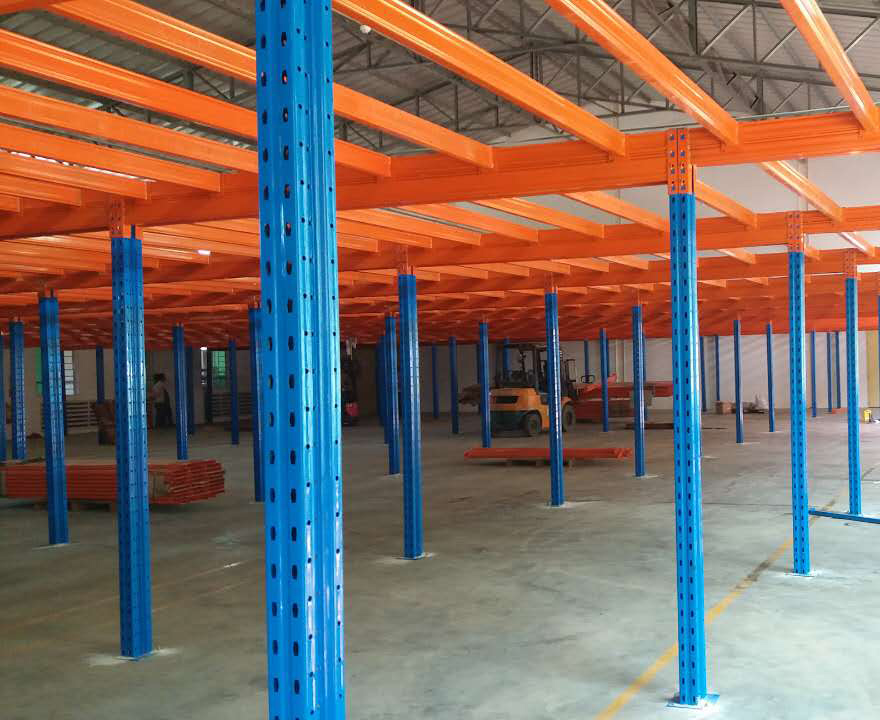
Tier-1 suppliers often handle thousands of SKUs with varying turnover rates. A combination of wide-span shelving on mobile carriages allows dense storage of dies, molds, and finished components. Guangshun implemented a system for a German OEM that integrated barcode-guided positioning, enabling operators to call specific bays via handheld terminals—reducing retrieval time by 40%.
For government records or legal firms, a sliding storage system with manual-assist drive and full-height shelving provides security and theft prevention. Humidity-control inserts and fire-rated materials are often specified here.
Temperature-controlled environments require special lubricants for bearings and low-temperature rated electronics. Guangshun offers stainless steel rail options to resist condensation corrosion and ensures motor controllers operate reliably at -30°C.
Implementing a sliding storage system demands rigorous site assessment.
Mobile systems require floors with exceptional flatness (FF/FL numbers > 50). Uneven floors cause carriage misalignment and undue stress on drive motors. A concrete core analysis is mandatory; often a 150 mm reinforced slab with shrinkage-compensating concrete is recommended for dynamic loads.
While sliding systems excel at high-density storage, they are typically LIFO (last-in, first-out) per lane. For FIFO requirements, integration with conveyor systems or using "drive-through" mobile carriages is possible but increases complexity. Simulation software can model retrieval frequencies to determine the optimal number of movable aisles.
Preventive maintenance is non-negotiable. Quarterly inspections should verify rail alignment, torque settings on drive chains, and sensor cleanliness. Guangshun provides IoT-ready control panels that alert facility managers to anomalies in motor current draw—an early indicator of mechanical friction.
A1: Modern sliding storage systems can reach heights of 16 meters (using very narrow aisle trucks) and support mobile carriages with up to 120 tonnes per section. Load per pallet position typically ranges from 800 kg to 2,500 kg, depending on rack configuration. Always consult structural engineers for seismic zones.
A2: Redundant safety systems are mandatory:
Active infrared sensors that scan the aisle during closure; any obstruction triggers immediate halt.
Safety edges (mechanical pressure switches) on carriage ends.
Key-lock controls and warning beacons/lights before movement.
Manual override in case of power failure.
Certified systems comply with OSHA and CE directives.
A3: In many cases, yes. Guangshun often retrofits existing shelving or pallet racks onto new mobile bases, provided the rack frames are structurally sound. This approach reduces upfront investment. However, the floor must be assessed for the new point loads and rail embedding.
A4: Key tasks include:
Monthly cleaning of rail channels to prevent debris build-up.
Quarterly inspection of wheel bearings and drive belts/chains.
Annual verification of safety sensor alignment and battery backup systems (if applicable).
Torque checks on rail fixing bolts. Most manufacturers offer remote diagnostics via PLC connectivity.
A5: Shuttle systems offer higher throughput for dynamic storage but come with greater capital cost and complexity. A sliding storage system is more cost-effective for deep buffer storage where access frequency is moderate (e.g., raw materials, archived goods). It also allows manual forklift access without requiring battery charging stations for robots. The choice depends on SKU velocity and labor strategy.
A6: Yes. Modern controllers support interfaces via TCP/IP or Profibus. The WMS can send commands to open specific aisles, and the system reports back its status (open/closed/error). This integration ensures that inventory is always located correctly and movement requests are queued efficiently. Guangshun’s control software includes an API for major WMS platforms.
The sliding storage system is a proven technology for facility densification, but its success hinges on proper engineering—from rail tolerance to safety logic. By partnering with experienced manufacturers like Guangshun, logistics professionals can achieve measurable ROI while maintaining operational flexibility. As e-commerce and just-in-time manufacturing continue to pressure supply chains, the ability to store more within the same footprint becomes a competitive necessity. Evaluate your inventory profile, consult with structural experts, and consider a pilot project to validate performance in your specific environment.
For detailed load tables and site assessment checklists, refer to engineering resources from Guangshun or your regional material handling association.

 Wechat
Whatsapp
Wechat
Whatsapp