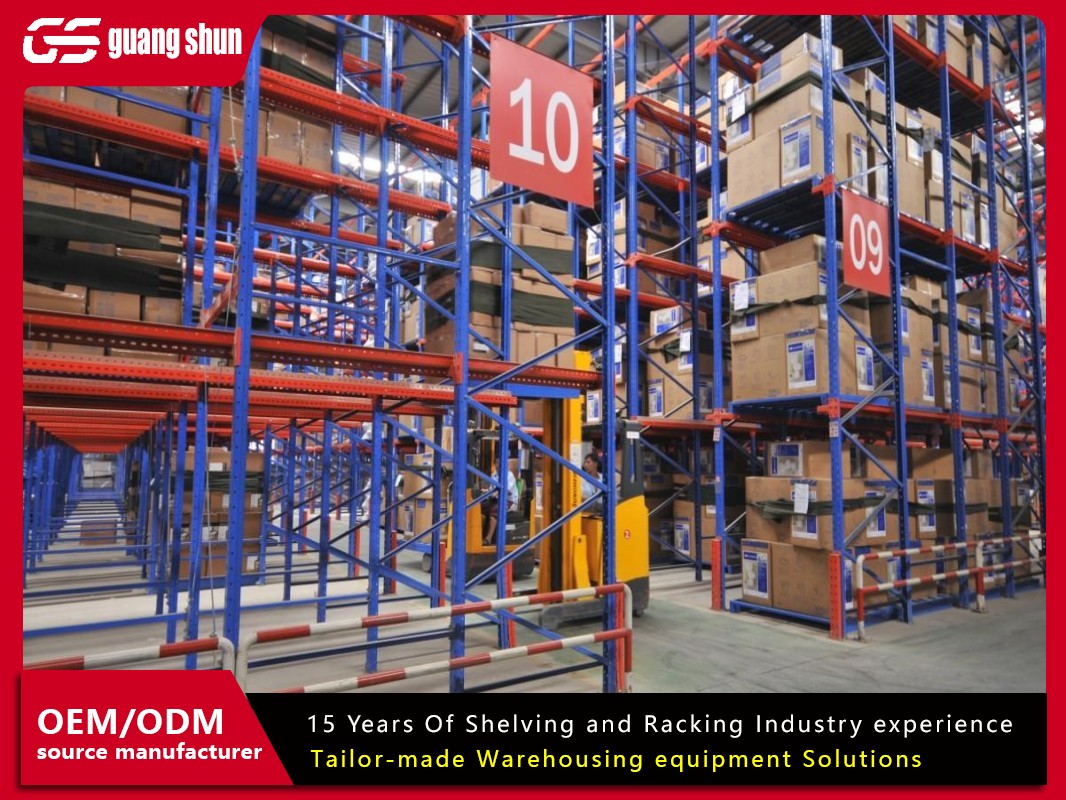
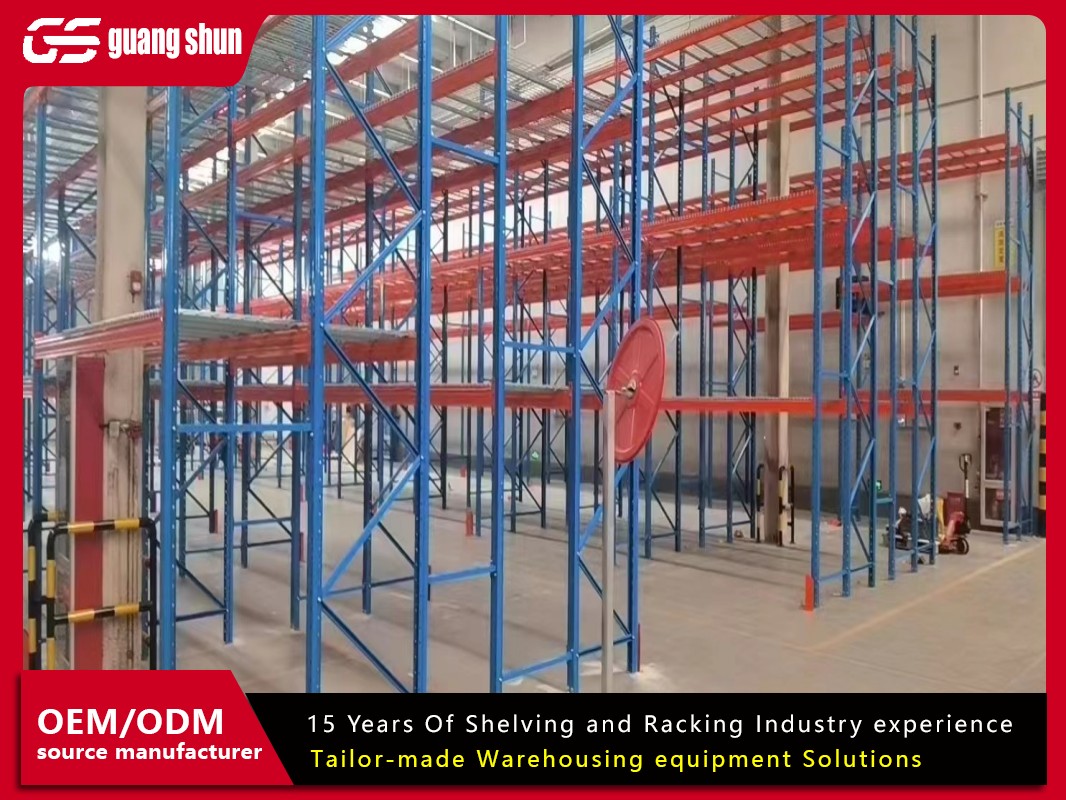
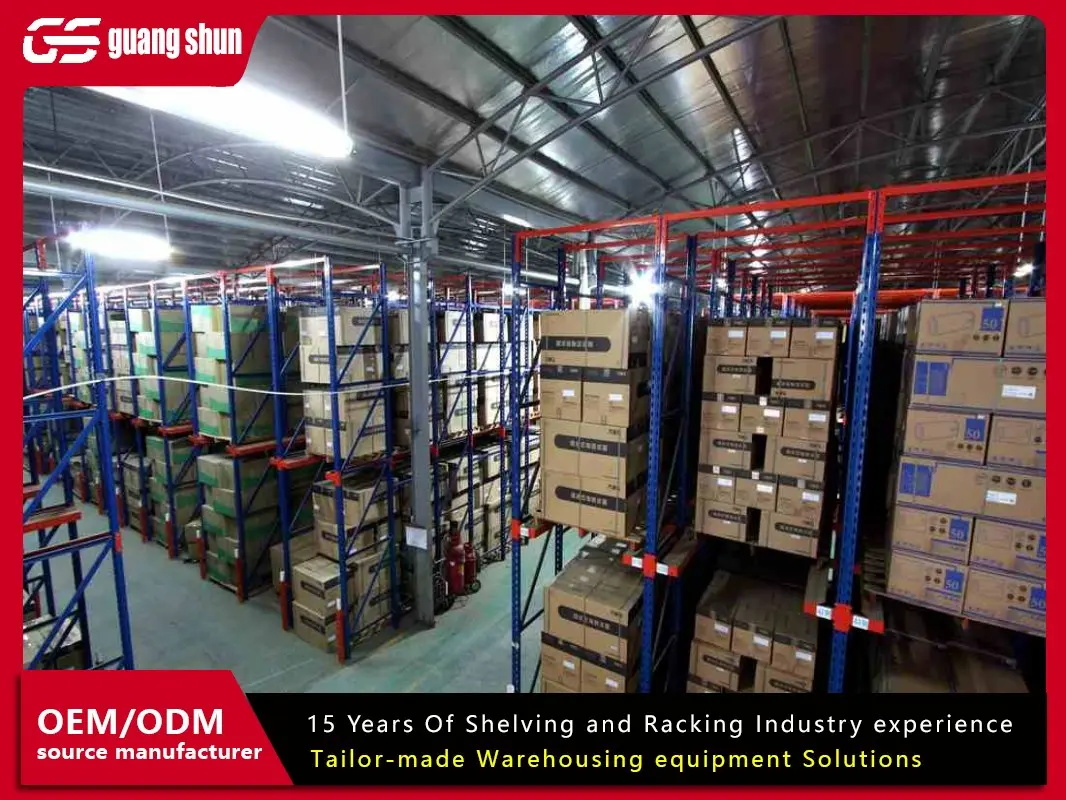
In modern logistics and distribution centers, operational efficiency directly impacts the bottom line. Among the various material handling solutions, the gravity flow rack in warehouse stands out as a sophisticated system that leverages natural forces to optimize storage density, order picking accuracy, and inventory turnover. This article provides a comprehensive, data-driven examination of gravity flow racking systems, addressing engineering principles, application scenarios, financial implications, and implementation best practices. Drawing on extensive industry experience and technical analysis, we explore why this storage method remains a cornerstone of high-throughput operations.
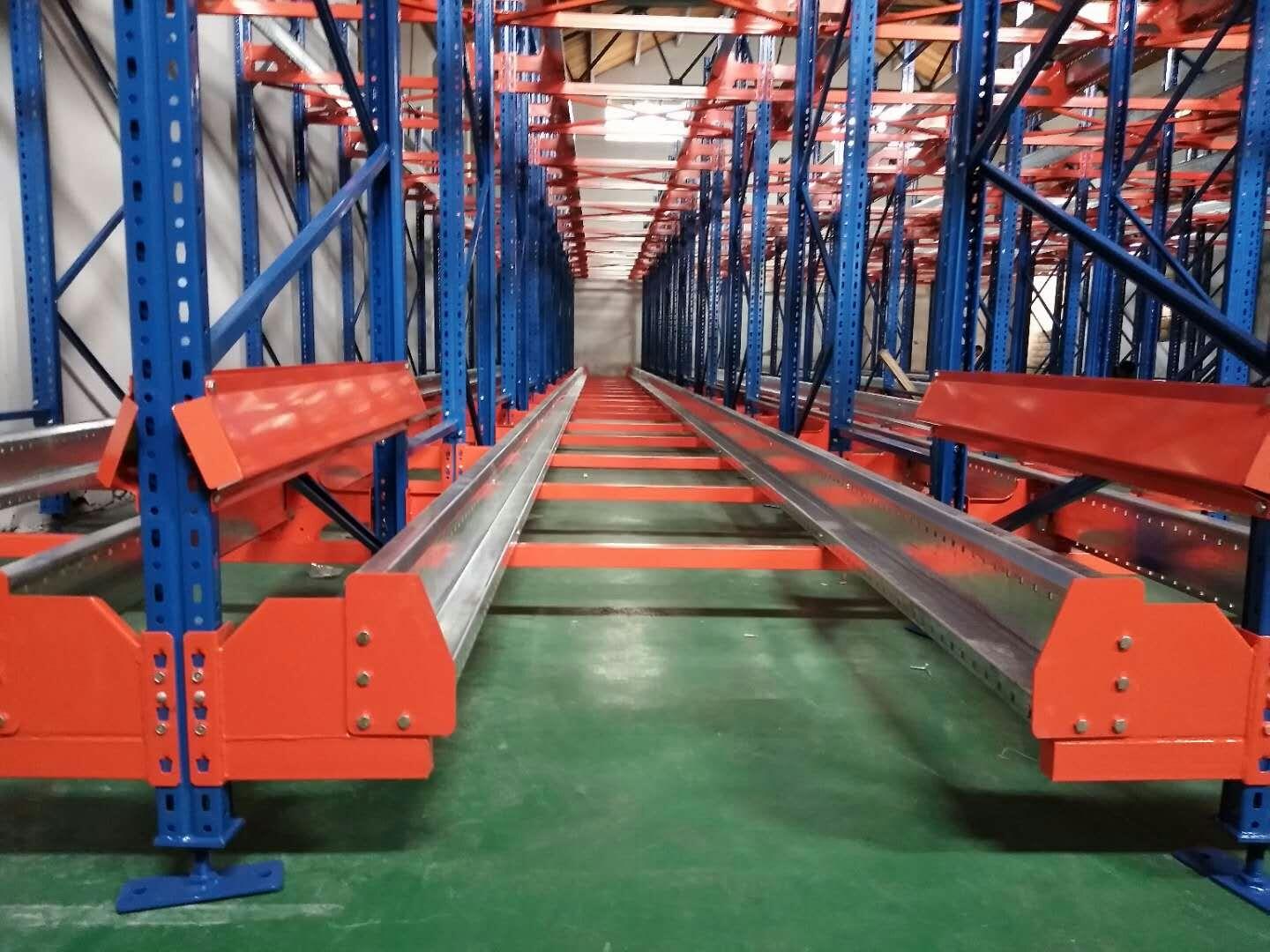
At its core, a gravity flow rack in warehouse operates on a simple yet powerful concept: utilizing gravitational force to move unit loads along a slightly inclined track from the loading (rear) end to the picking (front) face. However, the simplicity of the concept belies the engineering complexity required to ensure reliable, safe, and efficient operation across diverse load types and throughput demands.
The performance of any gravity flow system hinges on the track design. Most modern installations use either skatewheel conveyors or roller tracks, each suited to different load characteristics. Skatewheel systems, with their multi-wheel axles, excel with cartons, totes, and uneven-bottomed loads, providing smoother transitions between lanes. Roller tracks, typically featuring heavy-duty steel or polyurethane-coated rollers, are preferred for palletized loads and heavier items, offering higher load capacity and durability. The incline angle is a critical variable; typical slopes range from 5% to 15% depending on load weight and friction coefficient. For instance, a carton flow lane handling 15kg boxes might require an 8% gradient, while a pallet flow system with 800kg loads may operate effectively at a 6% slope.
One of the most overlooked challenges in gravity flow systems is controlling descent speed. Without proper speed regulation, loads can collide with the stop at the picking face, causing product damage, packaging failure, or even rack collapse. Advanced systems employ a range of speed controllers: mechanical brake rollers, hydraulic dampers, or centrifugal brakes that automatically adjust resistance based on load weight and velocity. These controllers are engineered to maintain a consistent speed (typically 0.3 to 0.5 m/s for cartons, slower for pallets) regardless of load variation, ensuring gentle deceleration and precise positioning at the pick face.
The versatility of the gravity flow rack in warehouse makes it applicable across a broad spectrum of industries. However, its maximum ROI is realized in specific operational contexts characterized by high SKU count, high throughput, and first-in-first-out (FIFO) inventory requirements.
For perishable goods, FIFO is not just a best practice—it's a regulatory requirement. Gravity flow racks ensure automatic stock rotation, minimizing waste and expiration write-offs. A recent study of a regional grocery distribution center showed that implementing carton gravity flow for their fast-moving beverage and dry goods reduced product age at dispatch by 22% and cut labor costs related to stock rotation by 34%. The ability to store deep lanes (up to 20 positions in some installations) also maximizes cold storage utilization, a critical factor given the energy costs associated with temperature-controlled environments.
In the fast-paced world of e-commerce, order picking accuracy and speed are paramount. Gravity flow systems facilitate zone-picking and batch-picking strategies by presenting a continuous supply of products at an ergonomic height, eliminating the need for pickers to reach deep into shelving or climb ladders. Many modern fulfillment centers integrate flow rack modules with pick-to-light systems or voice-directed picking to achieve rates exceeding 400 lines per hour per picker, a performance metric nearly impossible to attain with static pallet racking or standard shelving.
Despite its advantages, many warehouse operators hesitate to adopt flow racking due to perceived challenges. Let's address these systematically with proven solutions.
It's undeniable that a gravity flow rack system has a higher upfront cost than selective pallet racking or standard shelving. The additional components—rollers, speed controllers, lane dividers, and structural steel—typically increase the initial investment by 40% to 60%. However, a comprehensive total cost of ownership (TCO) analysis often reveals compelling payback periods. Consider the following factors:
Labor savings: Reduced travel time, less bending and stretching, faster picking cycles.
Space efficiency: 60% to 80% increase in storage density per square foot compared to drive-in racking, and up to 40% compared to standard pallet racking (when considering aisle space).
Inventory accuracy: FIFO compliance reduces obsolete stock.
Safety improvements: Fewer forklift movements reduce accident risks.
Based on a 2025 benchmarking analysis of mid-sized 3PL warehouses, the average payback period for a gravity flow rack installation is between 18 and 24 months when throughput exceeds 2,000 picks per day.
One of the most frequent operational issues is lane blockage. This typically arises from using incorrect track types for the load, debris accumulation, or variations in packaging dimensions. The solution is twofold: rigorous engineering specifications during the design phase and a proactive maintenance schedule. Guangshun, a prominent supplier in the material handling sector, advocates for the use of adjustable lane widths and modular roller cartridges that can be swiftly replaced without taking the entire lane offline. Their engineering teams routinely perform load dynamic testing to determine the optimal track configurations for specific product profiles, drastically reducing jam incidents.
Quantifying the financial impact of a gravity flow rack in warehouse requires a multi-dimensional approach, going beyond simple storage capacity comparisons.
A 2024 industry report from the Material Handling Institute (MHI) indicated that operations using gravity flow systems experience a 28% improvement in order picking productivity on average. This is largely due to the reduction in walking distance and the elimination of "search time." In a typical static shelving environment, pickers spend nearly 45% of their time traveling and 15% searching or reaching. With flow racking, the product is always at the front, and the "travel to pick" ratio can drop to as low as 20% of total shift time.
For warehouses facing high real estate costs or expansion constraints, density is king. A gravity flow system can store up to 100% more pallets per square foot than selective racking because it reduces aisle count and allows for deeper storage. For instance, a facility with 100,000 sq. ft. of storage space could potentially increase its pallet positions from 4,000 (selective) to over 7,200 (flow rack), assuming an average lane depth of 12 positions. This density improvement can defer or eliminate the need for costly warehouse expansions.
The contemporary warehouse is increasingly a symphony of automated systems. The gravity flow rack is not an isolated island; it interfaces seamlessly with various automated material handling equipment.
When integrated with automated guided vehicles (AGVs) or shuttle systems, the replenishment side of the flow rack can be fully automated. Sensors at the rear of each lane monitor stock levels and trigger replenishment orders to the warehouse execution system (WES). This ensures that the picking face is continuously supplied, creating a "lights-out" operation for high-volume SKUs.
Picked items from the front face can be placed directly onto takeaway conveyors that lead to packing or sortation areas. This interconnected workflow minimizes manual handling, reduces cycle times, and provides real-time visibility into order status. Guangshun provides custom-engineered interfaces that allow gravity flow lanes to connect with various conveyor types, ensuring a seamless flow of goods from storage to shipment.
To fully realize the benefits of a gravity flow system, meticulous planning and execution are non-negotiable.
Load Profiling: Accurate data on product weights, dimensions, and packaging types is foundational. Systems designed for one profile may fail with another.
Lane Depth Analysis: Balancing lane depth with inventory turnover is crucial. A lane too deep for slow-moving items ties up capital; a lane too shallow for fast-movers requires excessive replenishment, negating labor savings. An algorithm based on demand velocity should determine optimal depth.
Seismic and Structural Integrity: The weight distribution and dynamic forces of moving loads require robust engineering. Compliance with standards like RMI (Rack Manufacturers Institute) specifications is mandatory.
Professional installation is critical. A poorly aligned lane will cause skewing, binding, and premature wear. Leveling and anchoring procedures must be followed with precision. Guangshun offers turnkey installation services that include on-site supervision and leveling certifications, ensuring that the system meets all operational tolerances from day one.
Preventive maintenance is the key to long-term reliability. This includes:
Weekly: Visual inspection of rollers and tracks for debris or damage.
Monthly: Cleaning of tracks and application of appropriate lubrication (if specified).
Quarterly: Torque verification on all structural connections and inspection of speed controllers for wear.
Annually: Comprehensive structural audit to ensure compliance with safety standards.
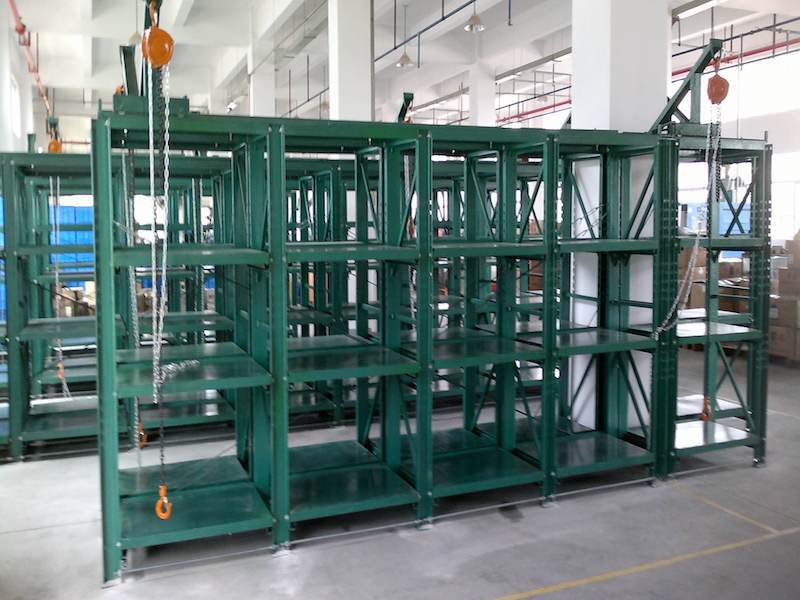
The modern warehouse is under constant pressure to deliver more with less—less time, less space, and less labor. The gravity flow rack in warehouse addresses these pressures head-on by providing a passive, reliable, and highly efficient storage and retrieval method. While other technologies like shuttle systems and autonomous robots attract headlines, the gravity flow rack remains a workhorse that, when properly designed and integrated, offers an exceptional ROI. Its ability to enforce FIFO, reduce labor, and maximize storage density ensures it will remain a relevant and critical component of warehouse infrastructure for the foreseeable future. As demonstrated, a comprehensive approach—covering engineering, application, cost justification, and maintenance—is essential for success. For operations seeking to optimize their storage strategies, exploring this proven technology with a trusted partner is a logical and strategic first step.
Q1: What types of loads are best suited for a gravity flow rack in a warehouse?
A1: Gravity flow racks are highly versatile. Carton flow racks are ideal for boxes, totes, and cases weighing up to about 75 kg (165 lbs). Pallet flow racks are designed for heavier loads, typically up to 1,500 kg (3,300 lbs) or more, handling standard GMA pallets, slip sheets, or specialized fixtures. The choice depends on the product profile, packaging integrity, and required throughput. It's essential to match the track type and roller spacing to the specific load's bottom surface to ensure smooth and stable flow.
Q2: How do gravity flow racks compare to drive-in or drive-through racking in terms of storage density and FIFO?
A2: While drive-in racking offers high density (up to 80% space utilization), it often operates on a LIFO (Last-In-First-Out) basis due to its single access aisle, leading to potential stock obsolescence. Gravity flow racking provides comparable or better density (especially with deep lanes) but enforces FIFO automatically, which is critical for perishable goods and quality control. The additional cost of gravity systems is often justified by this FIFO capability and the reduction in product damage.
Q3: What is the typical incline angle required, and does it vary by load type?
A3: Yes, the incline angle is a critical parameter. For carton flow on skatewheel conveyors, a gradient of 5° to 8° is common. For pallet flow on roller tracks, the slope is usually steeper, ranging from 8° to 15° to overcome higher rolling friction. Lighter loads require steeper angles to maintain motion, while heavier loads may need gentler slopes to prevent excessive speed. Suppliers typically perform calculations based on the coefficient of rolling resistance and desired speed to determine the optimal angle for each application.
Q4: Can a gravity flow rack be retrofitted into an existing building with uneven floors?
A4: Absolutely, but it requires careful planning. Floor unevenness can be compensated for using adjustable shims and base plates during installation. More importantly, the structural design must account for the dynamic forces and live loads, which may require additional anchoring or floor reinforcement. A professional site survey and engineering analysis are recommended to ensure stability and safety.
Q5: What are the most common mistakes to avoid when implementing a gravity flow system?
A5: The most prevalent errors include: 1) Underestimating the importance of load profiling—designing for a generic "box" without accounting for actual weight and packaging variability. 2) Choosing the wrong track/roller type. 3) Overlooking speed control mechanisms, leading to collisions and damage. 4) Insufficient lane depth analysis, causing over- or under-stocking. 5) Neglecting a preventive maintenance plan. Engaging with an experienced supplier like Guangshun during the planning phase can help avoid these pitfalls through proper consultation and design validation.

 Wechat
Whatsapp
Wechat
Whatsapp