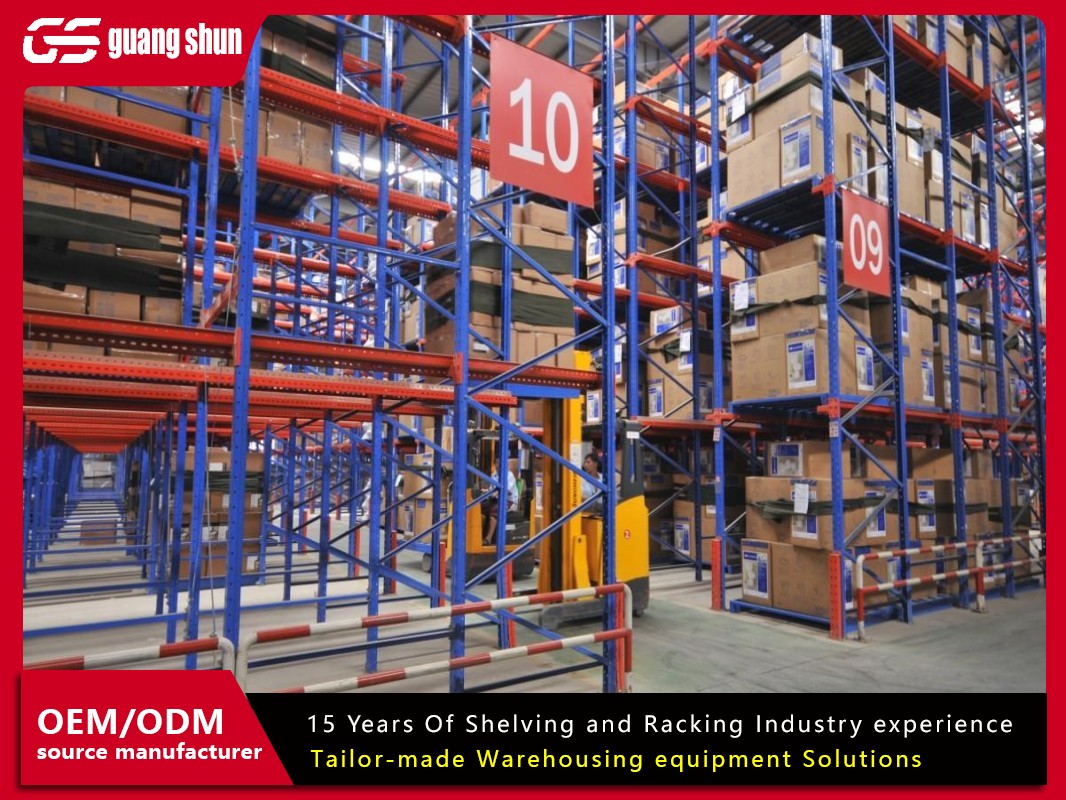
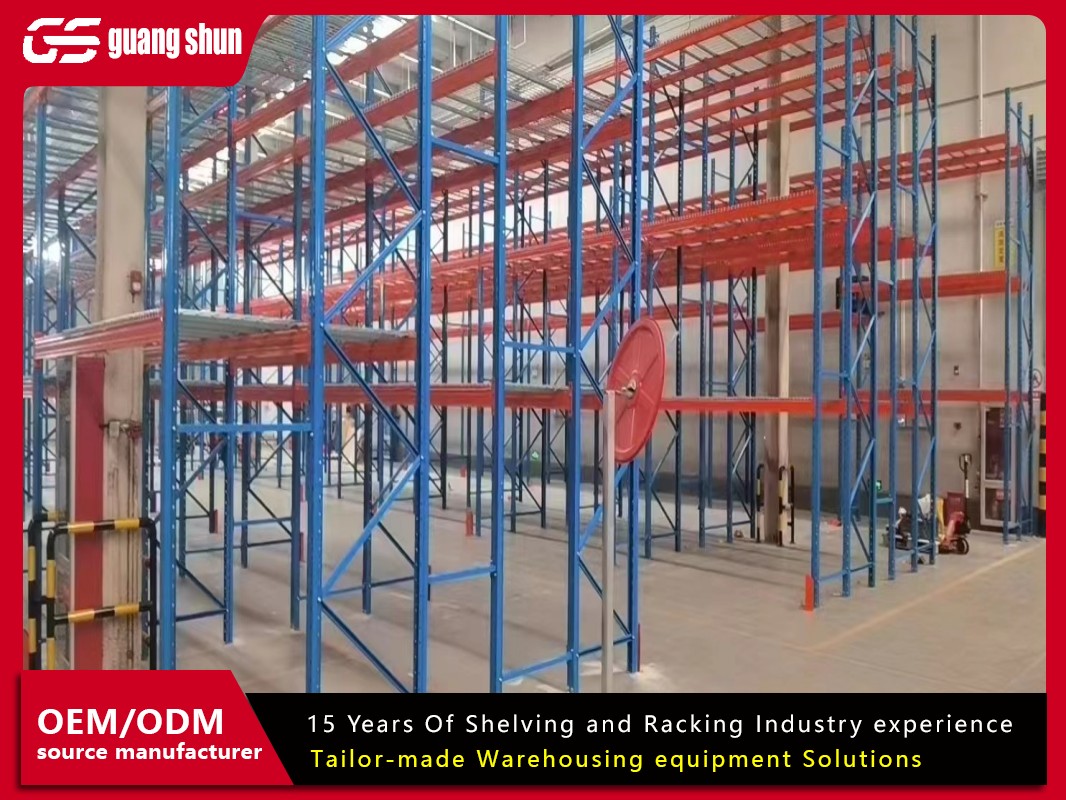
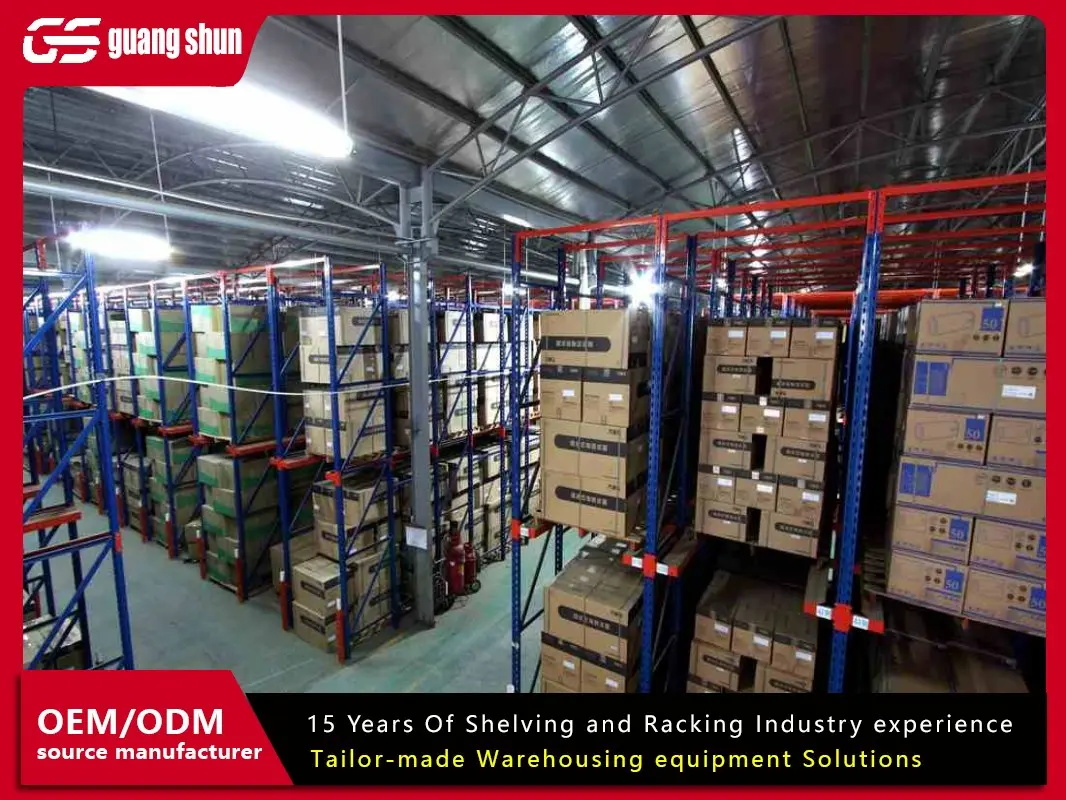
Warehouse managers, logistics engineers, and procurement specialists face a persistent challenge: selecting a storage system that balances mechanical strength, environmental resilience, and lifecycle cost. Heavy duty chrome shelving has emerged as a preferred solution across cold storage, automotive aftermarket, and pharmaceutical distribution. Unlike standard painted wire shelving, electroplated chrome-finished units provide exceptional corrosion resistance, high load-to-weight ratios, and modular adaptability. This guide analyzes ten quantifiable performance metrics—from chrome layer thickness to dynamic load deflection—to support specification decisions. Guangshun leverages two decades of industrial rack engineering to manufacture these systems under ISO 9001:2025 standards. Below, we dissect each parameter with real-world test data and application scenarios.
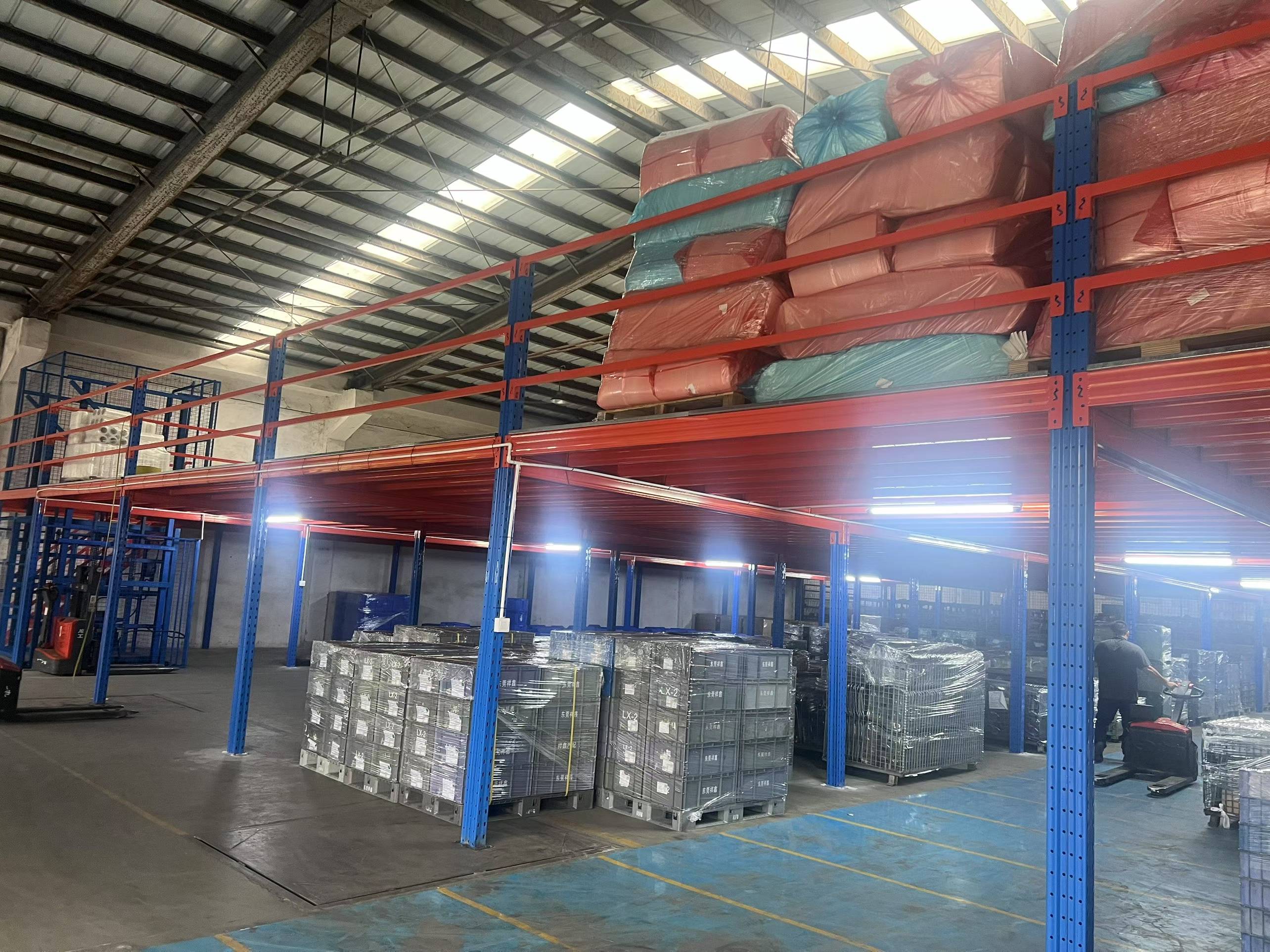
The substrate of any industrial wire shelving unit determines its baseline strength. Most heavy duty chrome shelving uses cold-rolled steel (Q235 or SPCC grade) with a diameter ranging from 5mm to 8mm for vertical posts and 4mm to 6mm for horizontal wire decks. However, the defining factor is the multi-layer electroplating process: first a copper strike (3–5µm), followed by semi-bright nickel (8–12µm), and finally micro-porous chrome (0.25–0.5µm). This tri-layer system achieves salt spray resistance exceeding 120 hours (ASTM B117). For high-moisture environments such as seafood cold stores, Guangshun applies an additional epoxy-eurethane topcoat, extending corrosion protection to 500 hours. Without adequate chrome thickness (minimum 0.3µm), shelving exhibits red rust within 18 months. Always request a coating thickness report from your supplier.
Load rating is the most misrepresented metric in storage equipment. Many vendors advertise static capacity (load placed without movement or seismic activity). However, real-world forklift handling and cart stocking introduce dynamic forces up to 1.4 times the static weight. Certified heavy duty chrome shelving from manufacturers like Guangshun specifies both: static loads of 800–1,200 kg per shelf (for 1200x600mm decks) and dynamic loads of 550–850 kg. A critical parameter often overlooked is deflection under full load – acceptable bending should remain below L/200 (e.g., 6mm for a 1200mm span). Exceeding this leads to permanent deformation and shelf collapse. For high-density storage of automotive transmissions or hydraulic cylinders, select shelving with additional center support bars and 4-wire reinforcement patterns.
Closed solid shelving creates stagnant air zones, promoting mold growth in food storage and obstructing fire sprinkler water penetration. Wire decks with 25x25mm or 50x50mm mesh spacing allow 95% open area for forced-air circulation. This is particularly vital in cold chain logistics where frost accumulation reduces thermal exchange. According to ASHRAE data, chrome wire shelving cuts defrost cycles by 32% compared to solid metal shelving. Additionally, fine mesh spacing (12.5mm) supports small parts like medical vials or bearings, preventing fallout. The combination of chrome’s smooth surface and open mesh design also simplifies cleaning – a key requirement for GMP-certified pharmaceutical warehouses.
Traditional powder-coated shelves degrade when exposed to brine solutions, acidic detergents, or chlorine-based sanitizers. Chrome’s electrochemical inertness provides superior protection. In controlled tests, chromed surfaces showed less than 0.1% surface pitting after 600 hours of exposure to 5% NaCl solution, whereas galvanized steel failed at 300 hours. For industrial applications involving fertilizer storage or battery handling (acid fumes), chrome shelving maintains structural integrity. However, note that heavy-duty chrome shelving is not recommended for direct contact with strong alkalis (pH>12) or hydrofluoric acid. In such scenarios, heavy duty chrome shelving should be paired with epoxy powder coating or stainless steel. Guangshun offers a chemical resistance chart for each shelving series upon request.
Warehouse SKU profiles change seasonally, demanding reconfigurable storage. Heavy duty chrome systems feature boltless locking clips on vertical posts with holes spaced at 25mm or 50mm increments. This design allows shelf height adjustment in minutes without tools. Moreover, starter bays (single-sided access) and add-on bays (shared posts) maximize space utilization. Typical bay widths range from 900mm to 1800mm, depths from 450mm to 900mm. For narrow-aisle layouts, select 450mm depth units with double-sided access. A mistake to avoid: mixing posts from different brands, as hole spacing patterns (e.g., diamond vs. round perforations) often conflict. Always standardize on one supplier – Guangshun’s proprietary clip design ensures zero-wobble even after 50 reconfigurations.
Facilities in seismic zones (e.g., California, Japan, Chile) require compliance with ASCE 7-22 or equivalent codes. Chrome shelving assemblies must include diagonal braces or back cross-ties to resist lateral forces. Calculate base shear using the formula V = SDS * W * Ie / R, where SDS depends on site class. Tested Guangshun units with 42mm x 42mm posts and 3mm wall thickness survive 1.0g acceleration without permanent displacement. Additionally, install anchor bolts (M10 or 3/8″) every 1200mm along the base channel. For high-bay applications over 3 meters, bolting the top row to building structure prevents cascading failure. Never rely on foot pads alone for seismic restraint.
Beyond static racking, heavy duty chrome systems support mobile picking carts and flow racks. For just-in-time manufacturing, 5‑shelf carts with swivel casters (two locking) improve kitting efficiency by 40% (according to lean logistics studies). Key specifications: caster load capacity must exceed total cart weight by 25% safety margin. For gravity flow applications, tilt the shelves 6–8 degrees and install roller tracks. Chrome’s low coefficient of friction (μ = 0.35 against plastic bins) ensures smooth container movement. Guangshun provides custom angle brackets and lane dividers for multi-SKU order fulfillment. Another emerging use: ESD-safe workstations – chrome offers moderate surface resistivity (10⁵–10⁶ Ω/sq) when paired with grounding wires, suitable for electronics assembly areas.
Labor costs for rack assembly can exceed material costs by 35% if systems require nuts, bolts, or welding. Heavy duty chrome shelving with snap-in sleeve connectors reduces installation time to under 12 minutes per bay (two-person team). In a 2024 time-motion study, tool-free chrome shelving achieved 71% faster reconfiguration compared to bolted rivet systems. Additionally, shipping the shelving in knocked-down (KD) form reduces freight volume by 80%, lowering carbon footprint. However, verify that the locking clips have sufficient shear strength – cheap plastic clips fail after 500 kg loads. Guangshun uses carbon-steel clips with zinc plating, rated for 1000 kg shear force.
Warehouse fires account for $1.2B in annual losses (NFPA data). Wire shelving’s open design allows sprinkler water to reach floor level, whereas solid shelves block water penetration, violating NFPA 13 clearance rules. Specifically, heavy duty chrome shelving with 50% or more open area is classified as “non-storage” for obstruction purposes. Ensure that horizontal sprinkler deflectors remain no more than 18 inches above the top shelf. Also, store combustible materials (paper, plastics) at least 3 feet below sprinkler heads. Chrome’s non-porous surface does not contribute fuel load; but note that stored goods themselves do. Always obtain a fire marshall inspection before high-density storage deployment.
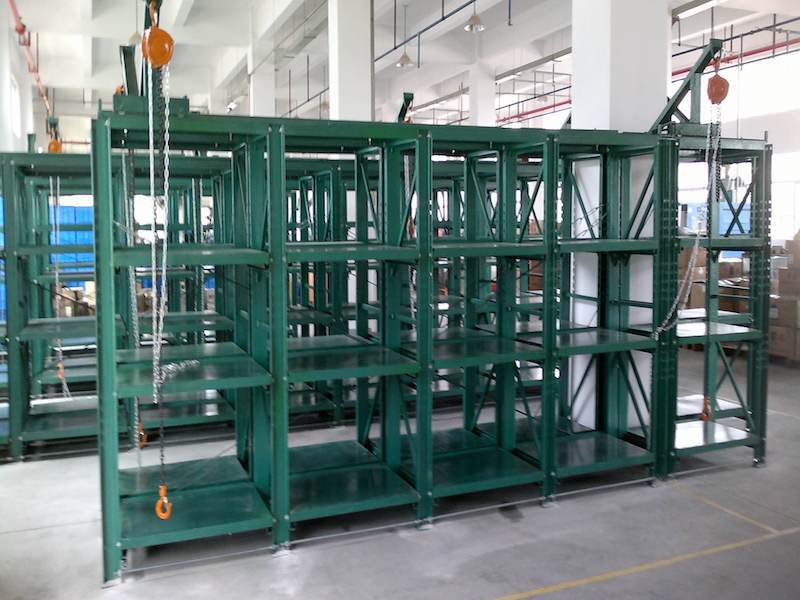
Calculate total cost of ownership (TCO) over 10 years using: purchase price + (replacement cycles × disposal cost) + maintenance labor. Heavy duty chrome shelving typically has a 30–50% higher initial price than epoxy-painted steel but lasts 3‑4 times longer in corrosive environments. For a 5,000 sq.ft. cold storage warehouse, Guangshun chrome units show a net present value savings of $47,000 over a decade compared to painted alternatives (assuming 8% discount rate). Maintenance involves only wiping with non-abrasive cleaner – no repainting or rust grinding. Including resale value (chrome retains 40% residual after 10 years vs. 10% for painted), the economic argument becomes clear. For specialized needs, Guangshun offers a buy-back program for retired shelving.
Industry best practice: When specifying heavy duty chrome shelving, request test certificates for salt spray (ASTM B117), load deflection (ISO 7173), and seismic performance (AC156). Partnering with an experienced manufacturer like Guangshun ensures that all components – from chrome thickness to locking clips – meet published specs. Their engineering team provides 3D layout drawings and FEA load simulations for multi-bay configurations.
Q1: What is the maximum weight
capacity per shelf for heavy duty chrome
shelving?
A1: Standard units from manufacturers
like Guangshun support static loads from 800 kg to 1,200 kg per shelf (1,760 to
2,645 lbs) for 1200x600mm deck sizes. Dynamic loads (with movement) are
approximately 70% of static ratings. Always check the supplier’s load test
certificate – some cheaper imports rate only 250 kg per shelf. For heavier
applications (e.g., engine blocks), specify reinforced posts (5mm wall
thickness) and additional cross braces. Q2: Can heavy duty chrome
shelving be used in outdoor, uncovered
environments?
A2: Chrome provides excellent rust
resistance but prolonged UV exposure and acid rain will eventually degrade the
surface. For full outdoor use, select chrome shelving with an additional
polyester powder coating (minimum 80µm) or transition to stainless steel 304.
Guangshun offers a hybrid chrome/powder-coat line rated for 1,000 hours salt
spray, suitable for covered outdoor loading docks and agricultural sheds.
Q3: How do I clean heavy duty chrome shelving in a food-processing
facility?
A3: Use a soft-bristle brush and mild
alkaline detergent (pH 8–10) followed by a potable water rinse. Avoid steel wool
or acid-based cleaners (e.g., vinegar, citric acid) as they etch the chrome. For
sanitizing, 70% isopropyl alcohol or quaternary ammonium compounds are safe.
Wire mesh design allows thorough cleaning of all surfaces – critical for HACCP
plans. Guangshun chrome shelving meets FDA CFR 21 standards for direct food
contact. Q4: Is heavy duty chrome shelving compatible with automated
guided vehicles (AGVs) and pallet shuttles?
A4: Yes, but modifications are required. AGV forks need clearance beneath the bottom
shelf – a minimum 280mm height. For shuttle systems, chrome shelving must have
continuous rails and alignment pins. Guangshun provides custom base plates and
laser-cut guide slots compatible with major AGV brands (Dematic, Swisslog).
However, standard wire shelving is not designed for high-speed pallet shuttle
operations; consider structural racking for heavy-duty automation. Q5:
What is the typical lead time for custom-sized heavy duty chrome
shelving?
A5: Standard sizes (1200x600x1800mm) ship
within 5–7 business days from Guangshun’s regional warehouses. Custom dimensions
(e.g., non-standard depths, extra height) require 15–20 days including plating
and assembly jig setup. Minimum order quantity for custom is 50 units. Always
request a pre-production sample to verify hole alignment and chrome finish
uniformity before full batch production.
For detailed technical datasheets, 3D CAD models, or to request a load capacity calculation for your specific SKU mix, contact Guangshun engineering support at the official website. Heavy duty chrome shelving remains a future-proof investment when specified with the performance metrics outlined above.

 Wechat
Whatsapp
Wechat
Whatsapp