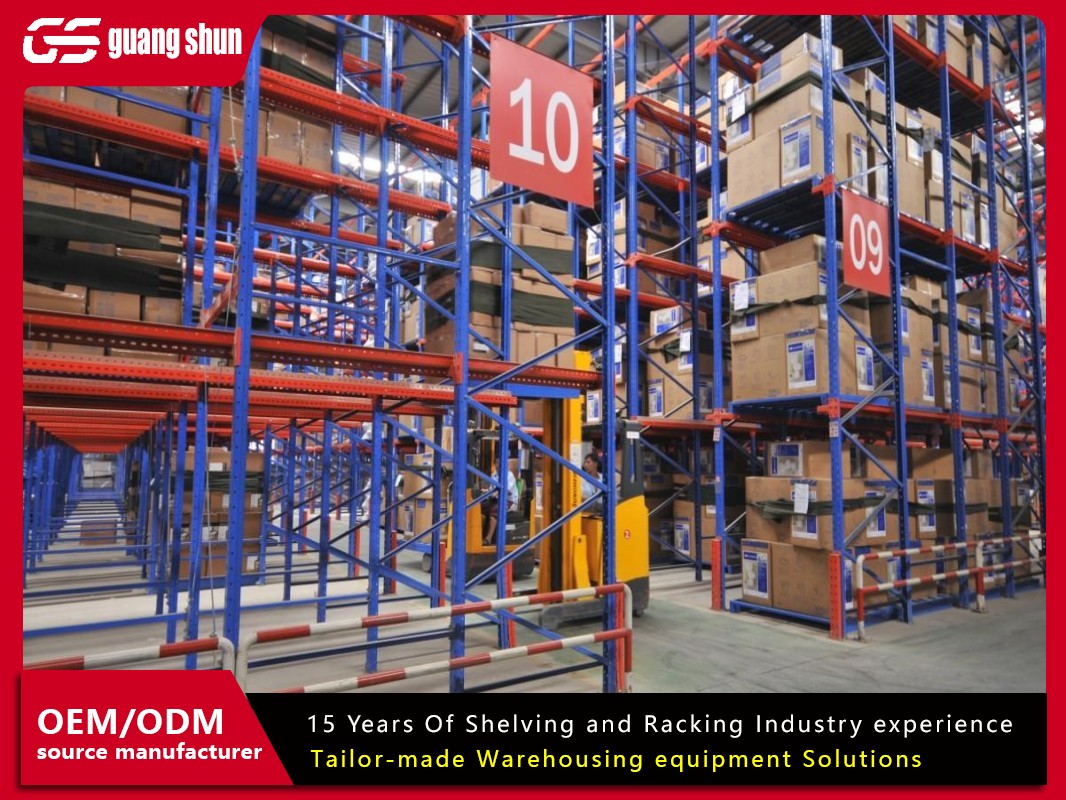
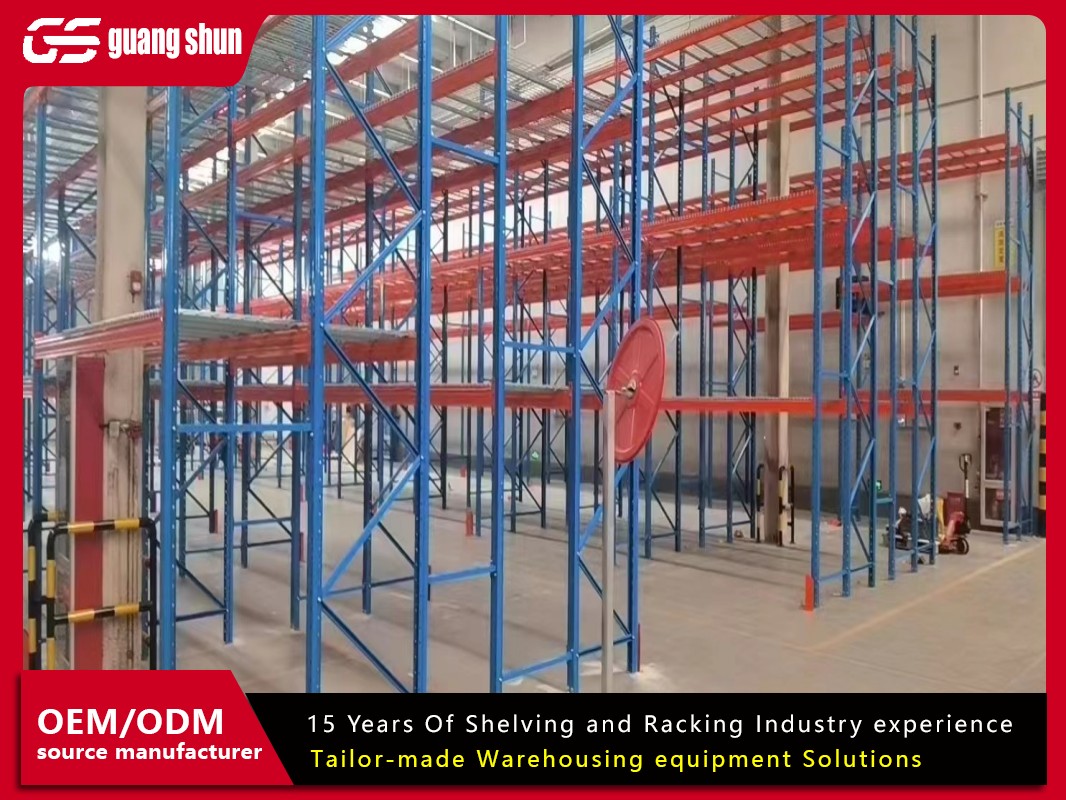
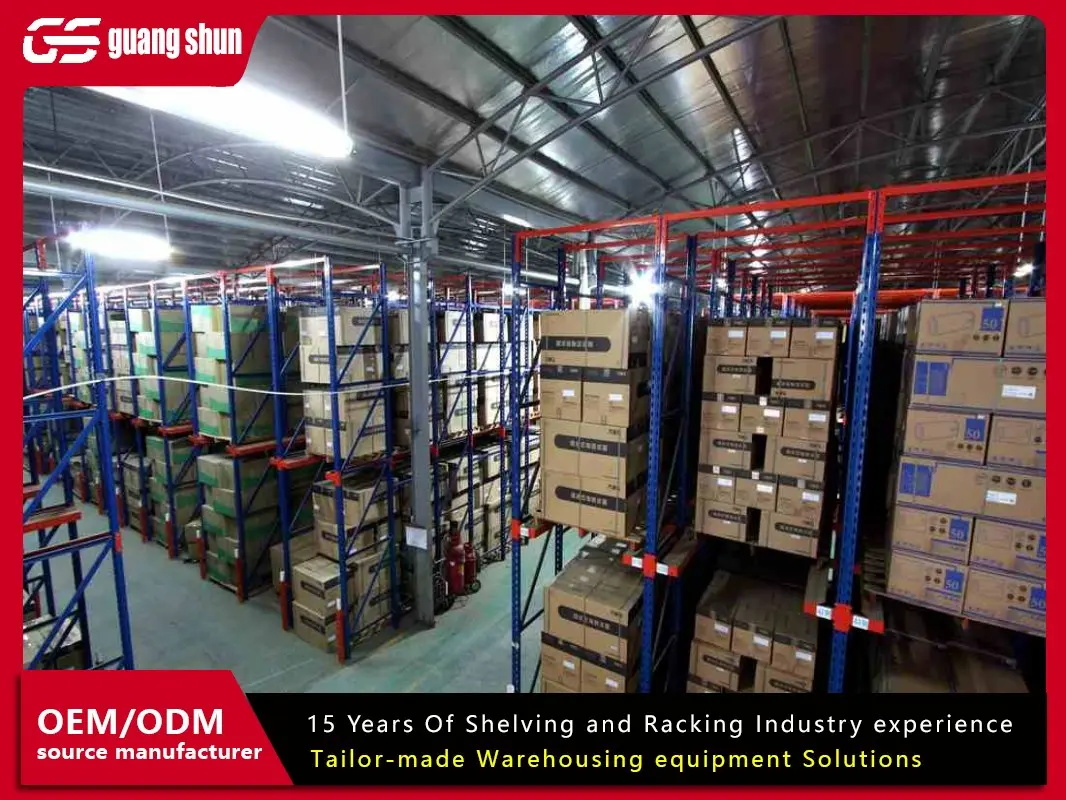
In the relentless pursuit of operational excellence, distribution centers and warehouses are constantly evaluating storage solutions that bridge the gap between density and accessibility. Mobile flow racks have emerged as a cornerstone technology for facilities aiming to optimize pick-face replenishment and reduce non-value-added travel time. Unlike static shelving or basic pallet racking, these dynamic systems combine the principles of gravity-fed flow with the space-saving benefits of mobility. This article provides a technical deep dive into the engineering, application, and financial justification of mobile flow racks, drawing on industry best practices and the expertise of Guangshun, a leader in material handling innovation.
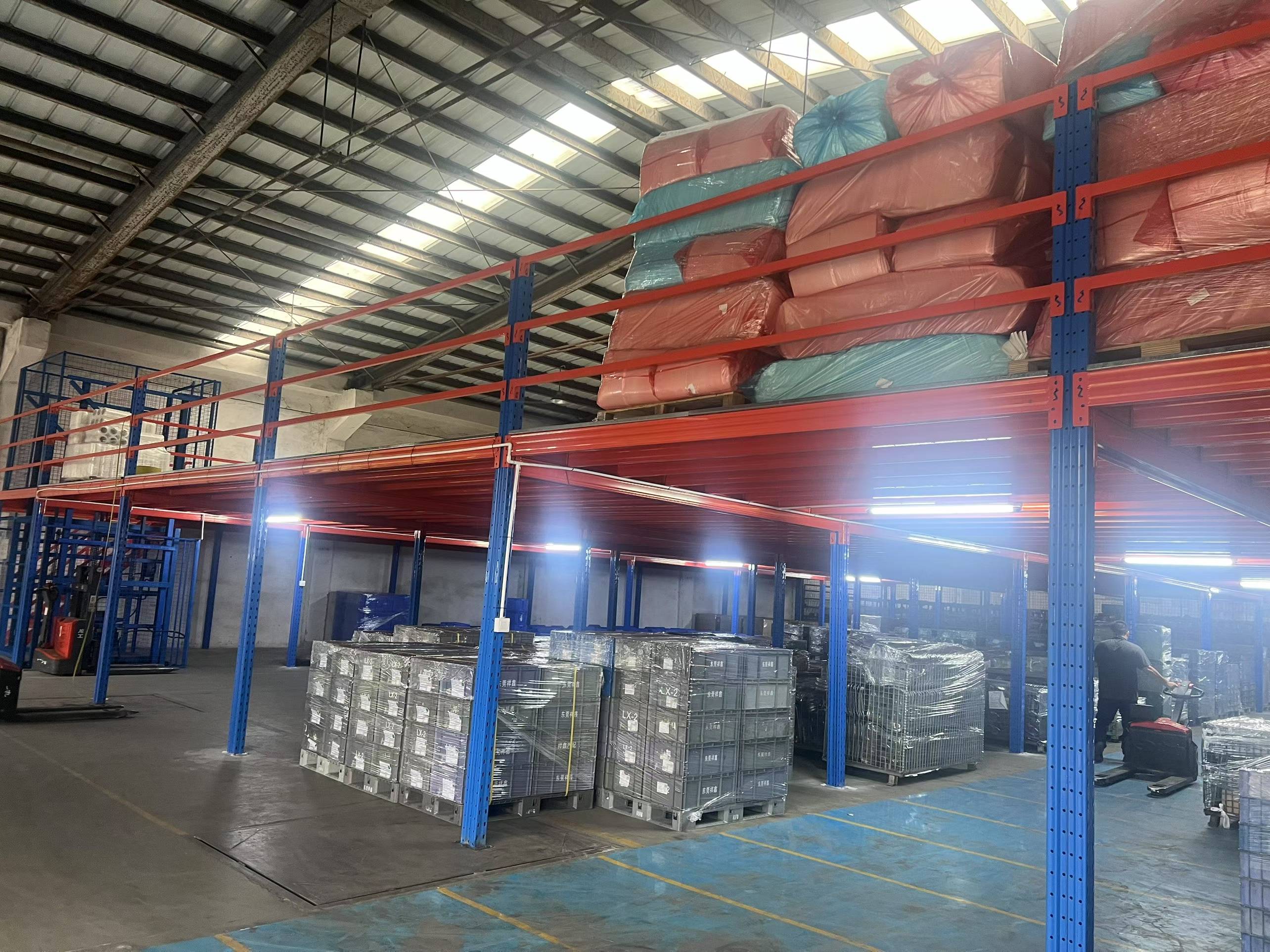
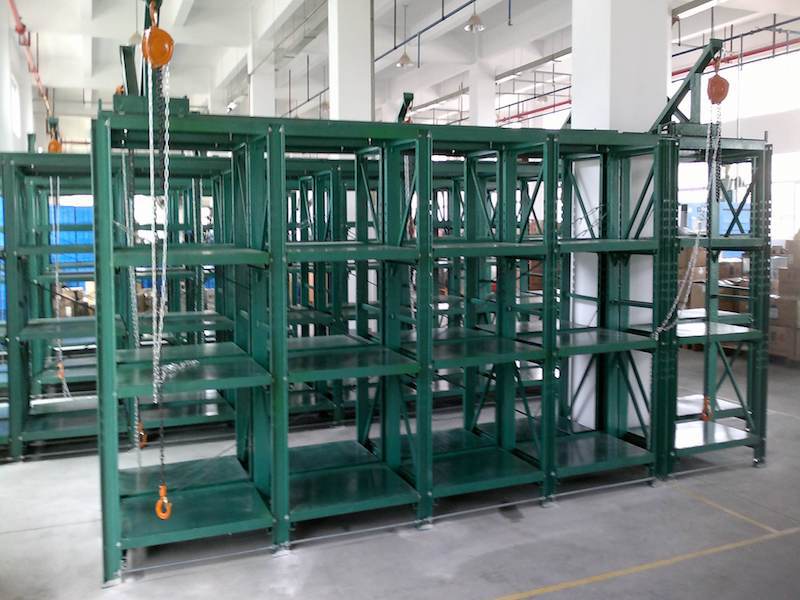
At its core, a mobile flow rack is a hybrid system. It integrates a wheeled base (carriage) with inclined skate-wheel or roller tracks. This design allows entire sections of flow rack to be compacted together when not in use, and then shifted laterally to create an aisle exactly where it is needed. The engineering challenge lies in maintaining precise alignment and load stability during movement.
Traditional carton flow or pallet flow racks are static—they are fixed in place, and aisles must be permanently allocated between every row. Mobile flow racks eliminate this fixed-aisle penalty. By mounting flow lanes on movable carriages, the system converts wasted aisle space into productive storage. The wheeled carriages are typically moved manually via a crank handle or, in high-throughput scenarios, by motorized drives with push-button controls. The integration of safety features—such as pressure-sensitive floor edges and photo-eye sensors—is critical to prevent accidents during carriage movement.
The "flow" aspect relies on precise incline angles (usually between 3° and 5°) and roller friction. For carton flow applications, mobile flow racks often incorporate brake rollers or speed controllers to regulate the descent of goods, ensuring that cartons do not damage each other upon arrival at the pick face. This is particularly vital when handling mixed SKU sizes or fragile items. Guangshun’s engineering team, for instance, calibrates these rollers based on the coefficient of friction of the packaging material, ensuring a consistent FIFO (First-In, First-Out) flow without jams.
Mobile flow racks are not a one-size-fits-all solution; they excel in specific operational contexts where SKU velocity is moderate to high, and floor space is at a premium.
E‑commerce Fulfillment Centers: With thousands of small to medium-sized SKUs, these facilities use mobile flow racks to create dense pick modules. Workers can pick multiple orders from a compact footprint, drastically reducing walking distances.
Automotive Parts Distribution: Heavy components like brake calipers or alternators benefit from the FIFO rotation offered by pallet-flow versions of mobile racks, ensuring older stock is used first—a critical requirement in quality-sensitive industries.
Cold Storage Warehouses: Space is particularly expensive in refrigerated environments. By mounting flow racks on mobile carriages, operators can increase storage density without expanding the building envelope, lowering energy costs per pallet stored.
Lean Manufacturing (Kanban): In assembly line feeding, mobile flow racks act as rolling supermarkets, bringing parts directly to the point of use while maintaining FIFO discipline.
Facility managers often grapple with the conflict between storage density and picking efficiency. Here is how mobile flow racks provide concrete solutions:
Standard wide aisles allow for reach truck maneuvering but consume 40–50% of the warehouse footprint. Mobile flow racks convert that dead space into live storage. For a typical 10,000 m² warehouse, implementing a mobile flow rack system can increase storage capacity by 60–100% compared to selective rack, while maintaining—or even improving—picking productivity.
In a conventional pick module, pickers spend 70% of their time traveling. By compressing the pick face into a smaller area, mobile flow racks cut travel time significantly. A study by the Material Handling Institute (MHI) indicates that switching to a dense mobile flow configuration can reduce walking distances by up to 60%, directly boosting picks per labor hour.
For perishable goods or items with expiry dates, FIFO is non-negotiable. The gravity-fed nature of these racks ensures that the oldest stock is always at the front, eliminating the risk of expiry due to "buried" inventory. Guangshun’s design incorporates adjustable lane guides to accommodate varying package sizes, ensuring smooth flow even with mixed pallets.
When evaluating storage technology, it is essential to benchmark mobile flow racks against alternatives. The table below summarizes key differentiators:
Static Shelving / Selective Rack: Low cost per pallet position, high accessibility to every SKU, but extremely poor space utilization. Typically requires 3.5 meters of aisle for every 1 meter of rack depth. Best for low-density, high-variability storage.
Automated Storage & Retrieval Systems (ASRS): Highest throughput and density, but capital expenditure (CapEx) can exceed $500,000 per aisle, with lengthy installation timelines. Ideal for facilities with very high labor costs or 24/7 operations.
Mobile Flow Racks (The Middle Ground): Offer up to 90% of the density of an ASRS at a fraction of the cost. They require less steel than deep-lane push-back systems and provide better selectivity than drive-in racking. They are a "semi-automated" solution that leverages human flexibility with mechanical density.
Designing an efficient mobile flow rack system requires granular analysis of the inventory profile. Key engineering parameters include:
Load Per Lane: Total weight of all pallets or cartons in a single flow lane must not exceed the wheel capacity. For mobile flow racks, the moving carriages must be rated for the sum of all lane loads plus the structure weight.
Incline and Roller Pitch: The pitch must be calculated based on the coefficient of friction of the unit load. For plastic pallets, a steeper pitch may be required; for wooden pallets, a shallower pitch suffices.
Seismic Considerations: In earthquake-prone regions, the mobile carriages must be equipped with auto-locking mechanisms that engage during seismic activity to prevent rack toppling. Guangshun integrates seismic locks that comply with IBC (International Building Code) standards.
Floor Flatness: Mobile systems require floors with high flatness tolerance (typically FF/FL 50 or higher) to ensure smooth carriage travel without rocking.
While mobile flow racks are mechanical systems, their intelligence comes from software integration. Modern installations connect the carriage controls to the WMS via IoT sensors. When a picker is assigned a batch of orders, the WMS can signal the mobile carriage to open the aisle containing the required SKUs. This "goods-to-person" light guidance reduces search time. Additionally, flow lanes can be equipped with light-directed put-to-light systems that indicate exactly where to replenish. Guangshun offers a suite of integration tools that allow their mobile flow racks to communicate with leading WMS platforms like Manhattan Associates and SAP EWM.
The decision to invest in mobile flow racks must be justified through a rigorous return on investment (ROI) model. Here are the primary levers:
Space Savings: Avoided cost of new construction or leasing. If a mobile flow rack doubles capacity within the same footprint, the capital saved can be $200–$400 per m², depending on the region.
Labor Productivity: A 40% reduction in travel time translates directly into lower labor costs. For a distribution center with 50 pickers earning $45,000 annually, a 20% productivity gain yields $450,000 in yearly savings.
Inventory Carrying Cost Reduction: By enforcing FIFO, companies reduce write-offs due to obsolescence. In the food industry, this can represent 1–2% of inventory value.
Maintenance Costs: Mobile flow racks have lower ongoing maintenance than fully automated systems—no robotic arms or conveyors to service. Annual maintenance is typically 1–2% of the initial investment.
As supply chains evolve, so does the technology behind mobile flow racks. We are seeing a shift toward:
Lithium-Ion Powered Carriages: Replacing manual cranks with battery-powered movement, enabling faster aisle changes and reducing physical strain on workers.
Modular Designs: Racks that can be easily reconfigured as SKU profiles change. Guangshun’s latest systems feature boltless connections and adjustable lane widths, allowing operators to modify lane depths overnight.
Sustainability: By maximizing storage density, mobile flow racks reduce the carbon footprint per pallet stored. Less land use and lower energy consumption for lighting and climate control contribute to greener warehousing.
In conclusion, the strategic deployment of mobile flow racks offers a compelling blend of density, efficiency, and flexibility. When engineered with precision—as demonstrated by Guangshun's product lines—these systems provide a robust foundation for modern order fulfillment. They are not merely racks; they are dynamic assets that directly contribute to throughput and profitability.
Q1: What is the typical load capacity per lane in a mobile flow rack system?
A1: Load capacities vary based on design, but standard configurations support up to 1,000 kg per pallet position in pallet-flow models, and 50–100 kg per carton in carton-flow models. Heavier capacities require reinforced roller tracks and structural steel; Guangshun offers customized solutions up to 1,500 kg per lane.
Q2: How do mobile flow racks ensure safety during carriage movement?
A2: Safety is achieved through multiple layers: pressure-sensitive floor edges that stop movement if a person steps into the aisle, photo-eye beams that detect obstructions, and audible/visual alarms during carriage travel. Additionally, all systems incorporate manual override cranks for emergency access.
Q3: Can mobile flow racks be integrated with existing static racking?
A3: Yes, hybrid layouts are common. Many facilities place mobile flow racks in high-density zones (e.g., for fast-moving SKUs) while retaining static racking for slow movers. Integration requires careful aisle alignment and floor load analysis, but it is fully feasible.
Q4: What is the typical lifespan of a mobile flow rack system?
A4: With proper maintenance, the structural components of a mobile flow rack can last 20–25 years. The moving parts—wheels, bearings, and motors—may require replacement after 10–15 years depending on usage cycles. Guangshun provides extended warranties and spare parts support to maximize longevity.
Q5: Are mobile flow racks suitable for cold storage environments?
A5: Absolutely. In fact, they are highly advantageous in freezers and coolers because the reduced footprint lowers energy costs. However, special lubricants and corrosion-resistant coatings are required for components operating below freezing. Guangshun offers a cold-storage specification package that includes low-temperature greases and galvanized finishes.
Q6: How does the installation timeline compare to other racking systems?
A6: Installation of mobile flow racks takes longer than static racking because of the precision required for the floor rails and carriage alignment. A typical project of 2,000 pallet positions might require 4–6 weeks from delivery to commissioning, compared to 2–3 weeks for selective rack. However, the density gained often justifies the slightly longer timeline.
Q7: What kind of floor preparation is needed before installation?
A7: The floor must be level (within ±3 mm over 3 meters) and free of cracks or debris. Often, a steel rail is chemically anchored to the existing slab to guide the carriages. In cases of poor floor quality, a self-leveling topping compound or new floor section may be required—an assessment that Guangshun’s site engineers perform prior to quoting.
---
For more detailed specifications and a free layout consultation, visit Guangshun’s main site or explore their dedicated mobile flow racks product page.

 Wechat
Whatsapp
Wechat
Whatsapp