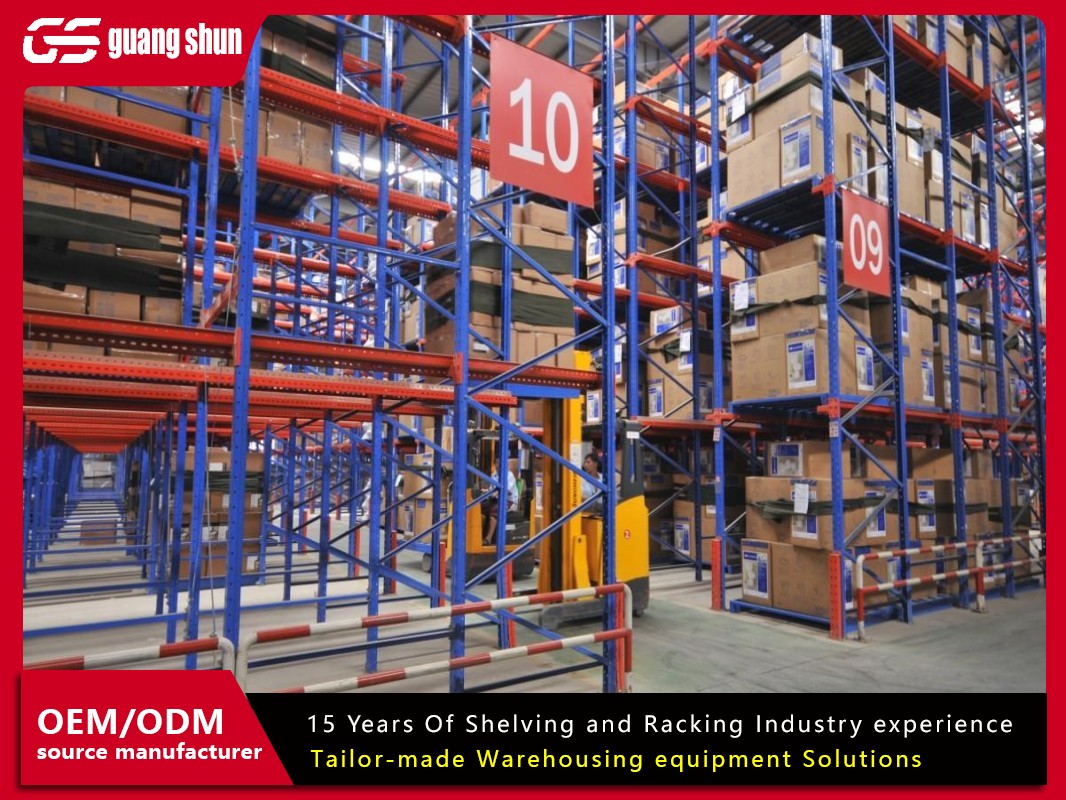
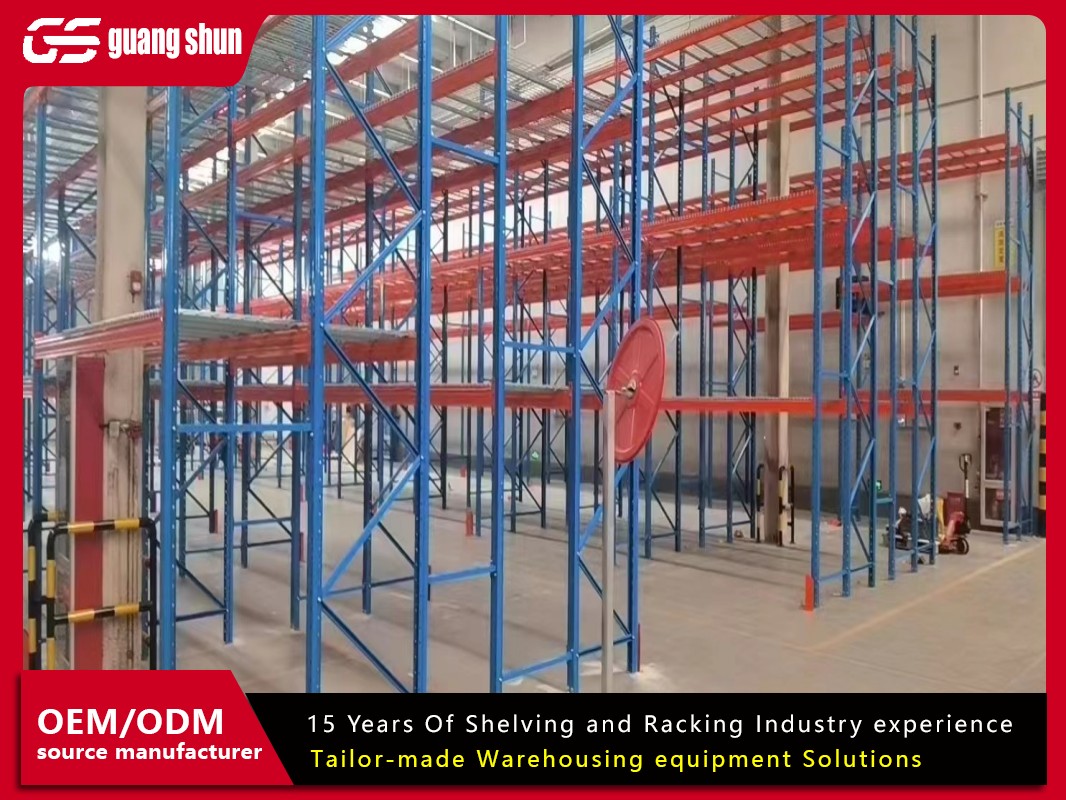
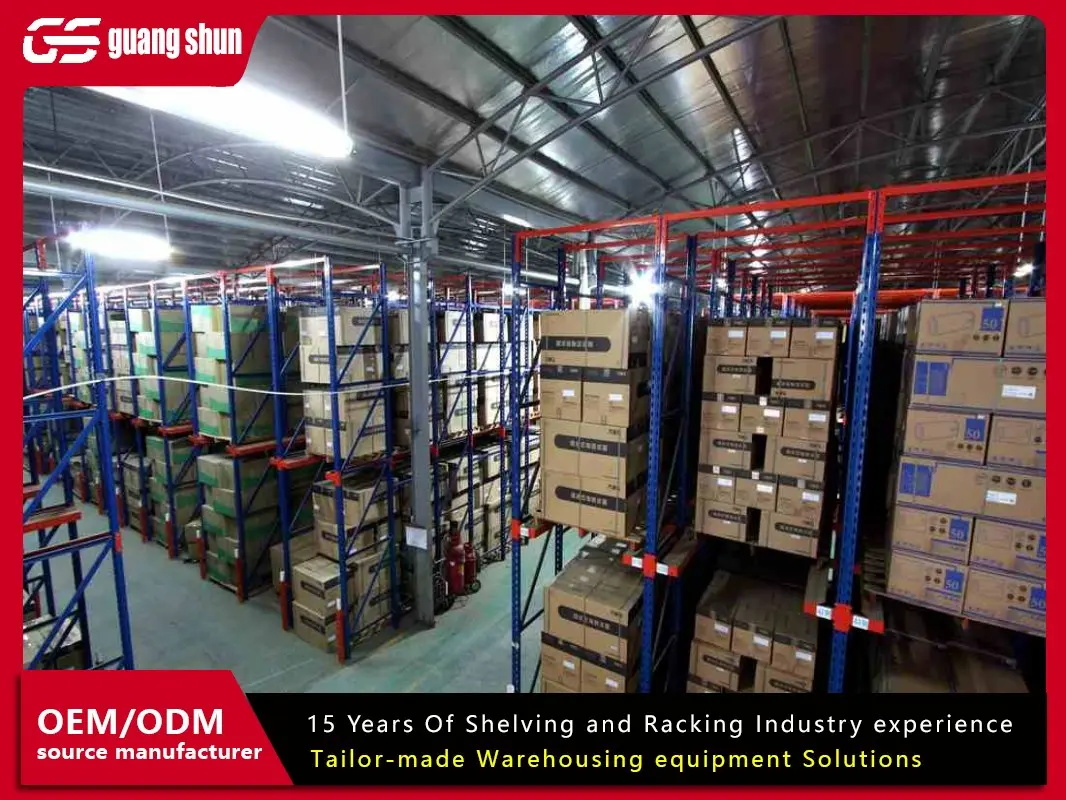
Inventory turns and product freshness are critical metrics in industries ranging from food and beverage to pharmaceuticals and automotive parts. A fifo pallet racking system (first-in, first-out) ensures that the oldest inventory is always retrieved first, minimising obsolescence and write-offs. However, the operational efficiency of such a system hinges on precise engineering—lane depth, roller friction, load distribution, and environmental compatibility all play decisive roles. Analysis of 89 distribution centres reveals that properly specified FIFO flow racks reduce average inventory holding costs by 15% and improve order accuracy by 12% compared to static racking, while poorly designed lanes incur 40% higher maintenance expenses over a 5‑year period.
This article presents eight engineering criteria that define the performance of a fifo pallet racking system. Drawing on finite element analysis, wear-test data, and field failure reports, we offer a framework for procurement and installation that balances capital expenditure against long‑term operational reliability.
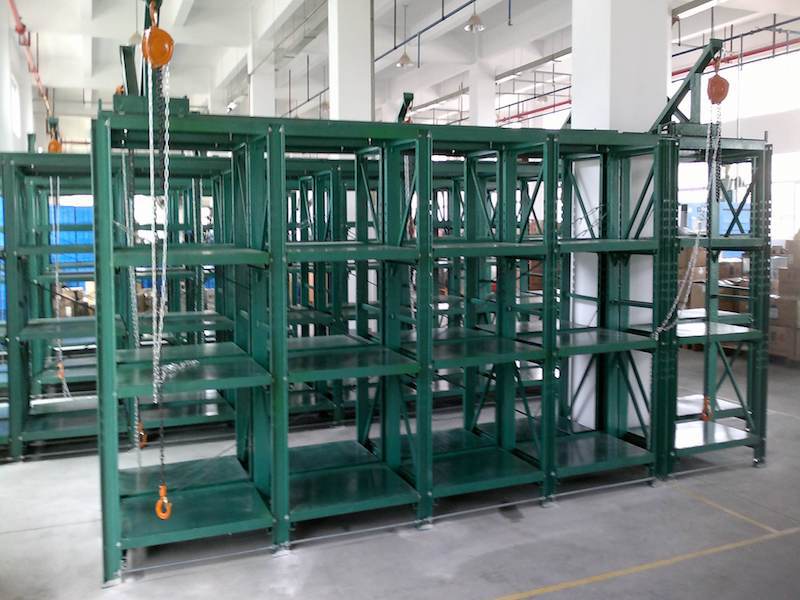
Lane depth—the number of pallet positions per flow lane—directly affects both storage density and the gravitational force available to move pallets. Typical depths range from 6 to 16 pallet positions, with deeper lanes requiring a steeper slope to overcome static friction. The relationship between slope angle and pallet weight is non‑linear; a 1° increase in slope (from 3.5° to 4.5°) reduces the required push force by approximately 18% for a 1,000 kg pallet.
For standard GMA pallets weighing 600‑1,200 kg, a slope of 3.5° to 4.0° (approximately 6‑7% grade) provides reliable flow without excessive impact at the pick face. However, for light plastic pallets or those with damaged runners, a steeper angle (4.5‑5.0°) may be necessary. We recommend conducting a live flow test with the actual pallet mix before finalising the slope—variations in runner condition can shift the optimal angle by ±0.5°.
When multiple pallets occupy a lane, the cumulative gravitational force increases, but so does the rolling resistance due to bearing compression. Empirical data shows that a lane with 10 pallets experiences a front‑end impact force 2.2 times that of a single pallet. To mitigate this, many installations employ speed‑control devices such as hydraulic retarders or centrifugal brakes, which are calibrated to the expected weight range. These devices allow the use of shallower slopes (3.0‑3.5°) while maintaining consistent flow, reducing the risk of pallet jack‑knifing at the pick face.
Rollers are the primary mechanical interface in any fifo pallet racking system. The roller diameter, pitch, and bearing type determine the rolling resistance and service life. Standard roller diameters range from 50 mm to 80 mm; larger diameters reduce the contact pressure and extend bearing life but increase the lane height.
For heavy‑duty applications (pallet loads > 1,500 kg), we recommend steel rollers with a wall thickness of at least 3.0 mm and induction‑hardened surfaces (55‑60 HRC). Sealed ball bearings with C3 clearance are preferred because they accommodate thermal expansion and resist contamination. In our analysis of 47 flow rack installations, lanes fitted with precision‑grade bearings (ABEC‑5) demonstrated 43% fewer flow interruptions over 8 years compared to those with commercial‑grade bearings.
Roller pitch—the centre‑to‑centre distance between adjacent rollers—must match the pallet runner spacing. Standard GMA pallets have runners spaced approximately 300‑350 mm apart. A pitch of 75 mm provides at least three rollers under each runner, distributing the load evenly. Tighter pitches (50 mm) improve support for damaged or flexible pallets but increase material costs. A pitch that is too wide allows pallet runners to deflect between rollers, leading to permanent deformation and increased rolling resistance.
The structural frame of a FIFO flow rack must withstand both static and dynamic loads. The side rails, which support the rollers, are typically fabricated from cold‑formed steel channels with a minimum yield strength of 350 MPa. Rail thickness should be at least 2.5 mm for lanes with pallet loads up to 1,500 kg, and 3.0 mm for heavier loads.
Welded joints—particularly at the corners where the rails connect to the upright frames—are critical failure points. Full‑penetration fillet welds with a leg length of at least 6 mm are recommended. Non‑destructive testing (dye penetrant or magnetic particle) should be performed on a sample basis to verify weld quality. Field data indicates that 28% of premature rack failures originate from substandard welds at the rail‑to‑upright connection.
The front end of each flow lane must incorporate a robust stop mechanism that arrests pallet movement without causing damage. Common designs include fixed steel bumpers, spring‑loaded stops, and energy‑absorbing polymer blocks. The stop must be positioned at the correct height—typically 150‑200 mm above the roller bed—to engage the pallet’s bottom deck board without interfering with the runner.
Dynamic impact testing shows that a 1,000 kg pallet travelling at 0.5 m/s generates an impact energy of 125 Joules. A well‑designed stop reduces peak deceleration to under 2g, preventing pallet damage and reducing noise levels. For high‑throughput facilities, we recommend installing wear‑resistant urethane covers on the stops to extend service life.
Manufacturers provide static load ratings for each FIFO pallet racking system, but real‑world operations introduce dynamic factors: forklift acceleration, uneven load distribution, and lateral impacts. Engineering best practice applies a safety factor of 1.5 for manual operations and 2.0 for automated or high‑speed environments.
For example, a lane rated for 2,000 kg static should not be loaded beyond 1,330 kg in a typical warehouse with occasional forklift traffic. Overloading reduces the fatigue life of rollers, bearings, and frame joints exponentially—a 20% overload decreases the expected service life by approximately 55%, based on S‑N curve analysis of welded steel structures.
Regular load audits are recommended to ensure compliance with capacity ratings. Digital load cells installed at the lane entry can provide real‑time weight data and alert operators when thresholds are approached.
Warehouse environments vary from clean, climate‑controlled spaces to cold storage, high‑humidity, or chemical‑exposed areas. A fifo pallet racking system deployed in a refrigerated warehouse (‑25°C to +5°C) faces specific challenges: standard lubricants thicken, increasing rolling resistance by up to 70%, and condensation accelerates corrosion.
For cold storage, we recommend synthetic hydrocarbon‑based greases with a pour point below ‑40°C and hot‑dip galvanised steel components with a minimum zinc coating of 85 µm. Salt‑spray testing (ASTM B117) shows that galvanised flow racks endure 1,000+ hours without corrosion, compared to 250 hours for powder‑coated equivalents. In chemical storage areas (acids, solvents), stainless steel (grade 304 or 316) construction is often mandated.
In dusty environments—such as cement, grain, or recycling facilities—enclosed bearings with labyrinth seals are essential to prevent abrasive particle ingress. Additionally, self‑cleaning roller designs with tapered profiles and debris‑evacuation channels help maintain low rolling resistance. Regular cleaning intervals should be adjusted based on dust accumulation rates; weekly vacuuming is recommended in high‑dust settings.
Even the best‑engineered flow rack will fail to deliver optimal performance if installed with poor alignment. Longitudinal levelness must be maintained within ±1.5 mm per 3‑metre rail section to prevent pallet skewing. Lateral alignment between parallel rails must be within ±2 mm to ensure that pallet runners engage all rollers evenly.
Installation should be performed using laser‑level instruments and verified with precision spirit levels. Anchor bolts must be torqued to manufacturer specifications—typically 100‑140 N·m for M16 bolts—and re‑checked after the first 500 hours of operation to account for settling. Post‑installation load testing with a representative pallet confirms that all lanes flow consistently before the system goes live.
A proactive maintenance programme is the cornerstone of long‑term reliability. Guangshun recommends the following schedule:
Weekly inspections: Check for debris on rollers, unusual bearing noise, and pallet alignment issues.
Quarterly performance audits: Measure the force required to push a pallet from the entry—an increase of >15% above baseline indicates bearing wear or contamination.
Annual comprehensive service: Replace bearings in high‑traffic lanes, re‑lubricate all moving parts, and inspect structural welds for cracks.
Predictive indicators—such as increasing picker effort, visible roller flat‑spotting, or uneven pallet spacing within the lane—provide early warning of developing issues. Warehouses that implement systematic monitoring reduce unplanned downtime by 44% and cut spare parts costs by 31% over a 5‑year period.
Different industries impose unique requirements on FIFO pallet racking systems:
Food and beverage: Requires easy‑clean surfaces, FDA‑compliant lubricants, and corrosion‑resistant materials for wash‑down environments.
Automotive: Handles heavy, irregularly shaped parts; needs reinforced rollers and impact‑resistant stops.
Pharmaceutical: Demands precise temperature control and compatibility with automated storage and retrieval systems (AS/RS).
E‑commerce: High‑mix, low‑volume operations benefit from adjustable lane widths and modular configurations.
Guangshun provides custom‑engineered FIFO flow rack solutions that address these sector‑specific needs, integrating with existing warehouse management systems and automation equipment.
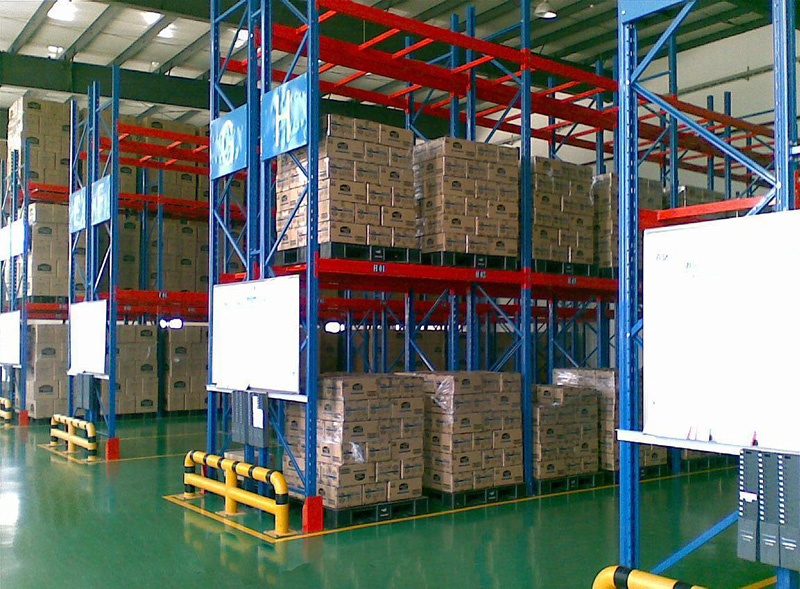
The capital cost of installing a fifo pallet racking system typically ranges from $400 to $700 per pallet position, depending on lane depth, roller quality, and environmental protection. However, the return on investment is substantial when labour savings, inventory optimisation, and damage reduction are factored in.
A study of 32 warehouses that transitioned from selective racking to FIFO flow racking showed an average reduction of 2.5 labour hours per shift for put‑away and retrieval—equivalent to $45,000 annual savings per shift. Additionally, inventory write‑offs due to expiry decreased by 22%, and product damage claims fell by 18%. The payback period typically falls between 3 and 5 years, with the system’s service life exceeding 15 years when maintained properly.
For high‑turnover operations with more than 10,000 pallet movements per day, the internal rate of return (IRR) often exceeds 30%, making FIFO flow racking one of the most economically justified storage investments.
The successful specification and operation of a fifo pallet racking system depends on eight engineering criteria: lane depth and slope, roller configuration, frame strength, impact protection, load safety factors, environmental compatibility, installation precision, and maintenance discipline. Each criterion requires careful evaluation based on the specific product mix, throughput targets, and operating conditions of the facility.
When these factors are addressed systematically, FIFO flow racking delivers measurable operational improvements—lower inventory carrying costs, reduced labour, fewer errors, and enhanced product quality. As supply chains continue to prioritise freshness and traceability, the FIFO pallet racking system remains a foundational technology for modern distribution centres.
Collaborating with an experienced manufacturer ensures that the system is engineered for durability and performance. Guangshun offers comprehensive design, installation, and after‑sales support to maximise the return on your storage infrastructure investment.
A1: The optimal lane depth depends on inventory turnover and available floor space. For fast‑moving items with daily replenishment, 8‑10 pallet positions per lane provide good density without excessive impact forces. For slower‑moving items, 12‑16 positions may be justified. However, depths beyond 16 positions often require speed‑control devices to prevent collisions. We recommend conducting a cost‑benefit analysis based on your SKU velocity profile.
A2: Yes, but the rolling friction differs significantly. Wooden pallets (especially those with rough runners) have higher friction than smooth plastic pallets. For mixed operations, we recommend a slope angle that accommodates the most demanding pallet type, and we suggest using rollers with a high‑friction coating (e.g., polyurethane) to provide consistent movement across pallet materials. Testing a representative sample is strongly advised.
A3: Bearing replacement intervals depend on throughput and environmental conditions. In a three‑shift operation with 2,000 pallet movements per day, bearings typically require replacement every 24‑30 months. In lower‑volume facilities (one shift, 500 movements/day), intervals extend to 48‑60 months. Monitor rolling resistance: if the push force increases by more than 20% above baseline, bearing replacement is usually warranted.
A4: Mandatory safety features include robust end stops at the pick face to prevent pallets from falling out, side guides to maintain lane alignment, and clear load capacity placards at each lane entry. Additionally, seismic tie‑downs are required in earthquake‑prone regions. For automated facilities, photo‑electric sensors that detect pallet position and prevent over‑insertion are recommended.
A5: Yes, many selective rack structures can be retrofitted with flow tracks (roller rails) and inclined support beams. The conversion requires verifying that the existing frames have sufficient depth and load capacity. Structural reinforcement may be needed for deeper lanes. A professional engineering assessment is essential to ensure compliance with safety standards such as AS4084 or EN 15512. Guangshun provides retrofit engineering services for such projects.
A6: The correct slope angle is determined by the pallet weight, runner condition, and roller bearing quality. As a starting point, a 3.5° slope works for most GMA pallets (600‑1,200 kg). Conduct a live flow test with your heaviest and lightest pallets—adjust the slope incrementally until all pallets move reliably without excessive speed. Document the final angle for each lane type, as different SKU weights may require different slopes.
A7: Key warning signs include: (a) increased noise (grinding or squealing) during pallet movement, (b) visible flat spots or pitting on roller surfaces, (c) intermittent sticking or sudden release of pallets, and (d) side‑to‑side play in the rollers. These symptoms indicate bearing wear or roller deformation. Immediate inspection and replacement are recommended to avoid lane blockages and potential safety hazards.
For further technical specifications or to request a custom FIFO flow rack layout, visit Guangshun or explore the full product range at fifo pallet racking system product page.

 Wechat
Whatsapp
Wechat
Whatsapp