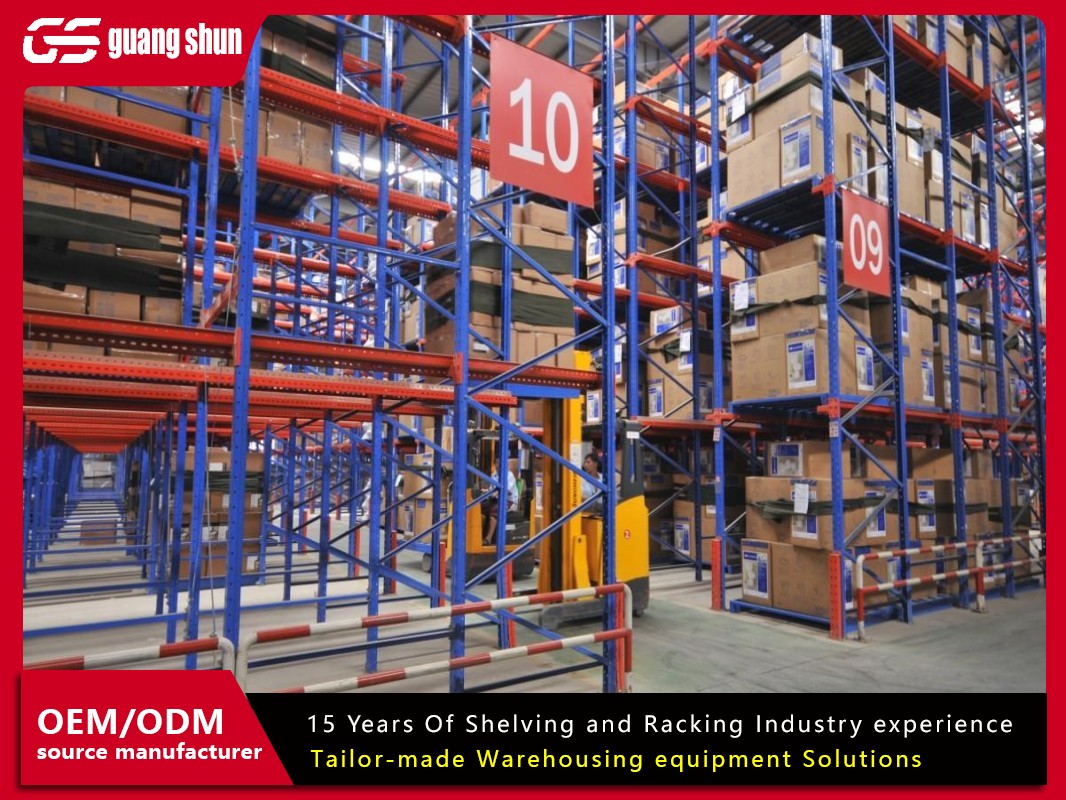
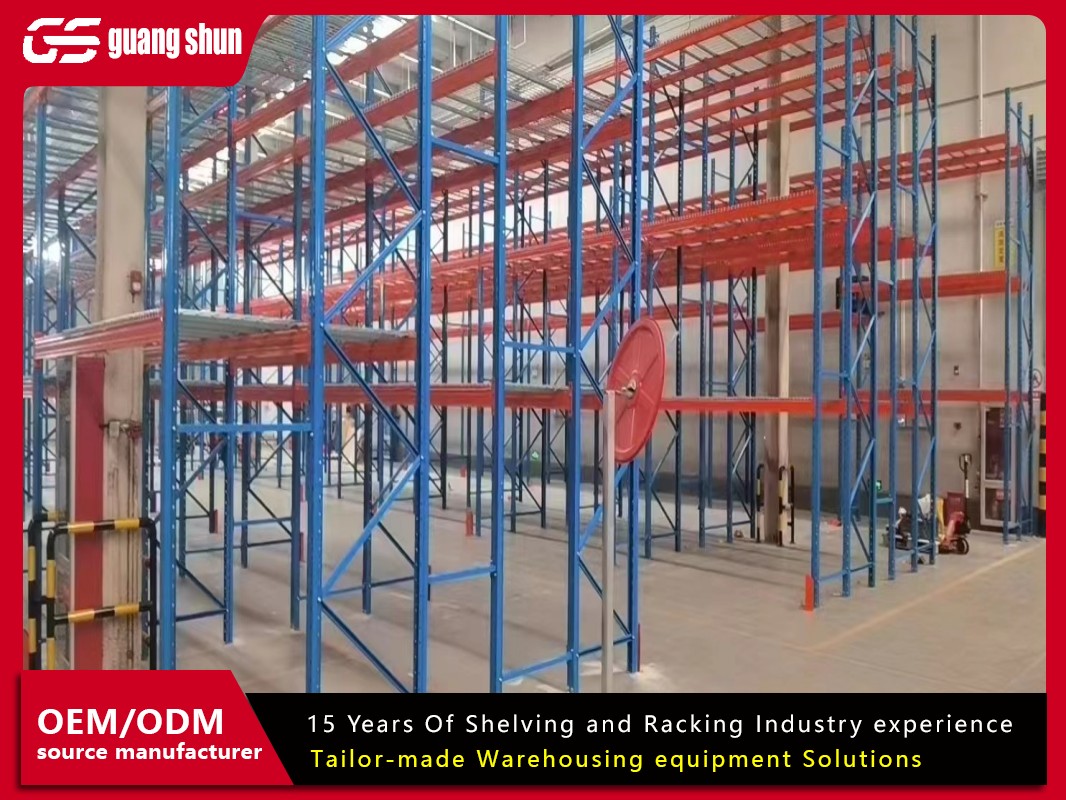
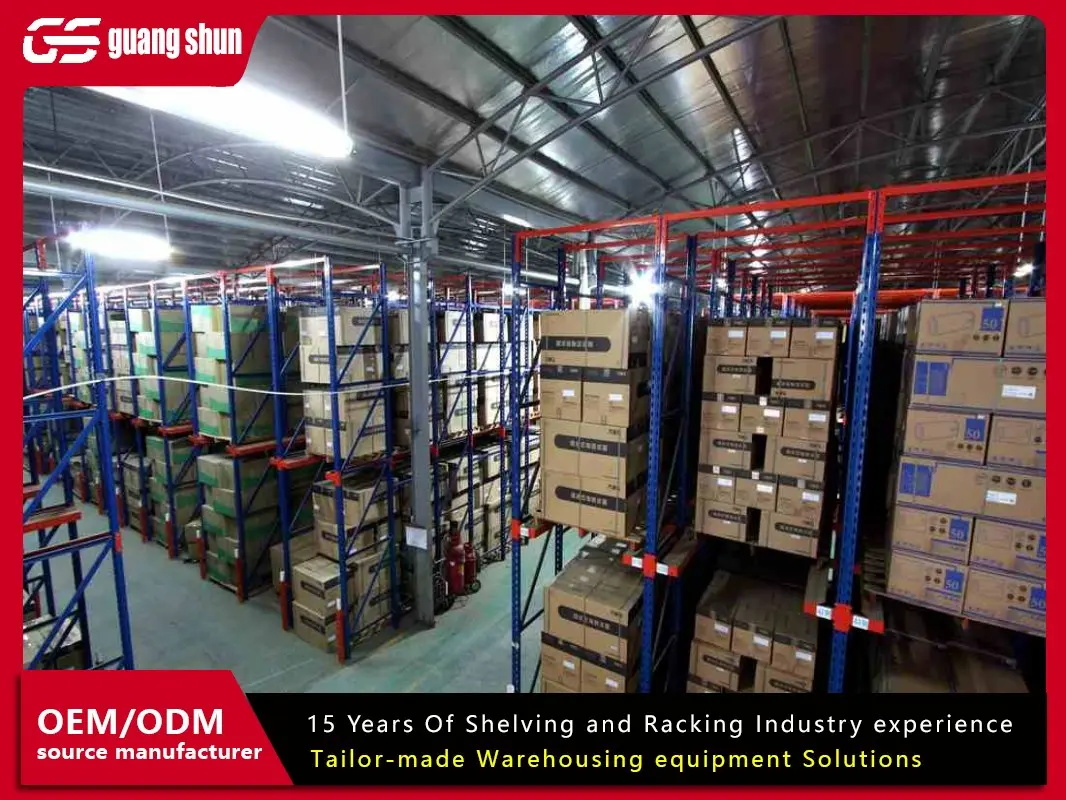
In automated distribution centers and static industrial storage facilities, the warehouse racking safety pins remain the most overlooked yet operationally critical component. A 2023 survey by the Material Handling Institute indicated that 37% of pallet rack collapses originate from dislodged beam connectors or missing locking devices. This article provides a component-level analysis of safety pin engineering, failure modes, retrofitting strategies, and quantitative ROI from fastener upgrades. Reference data from Guangshun field studies across 112 warehouses in North America and Europe will support the technical recommendations.
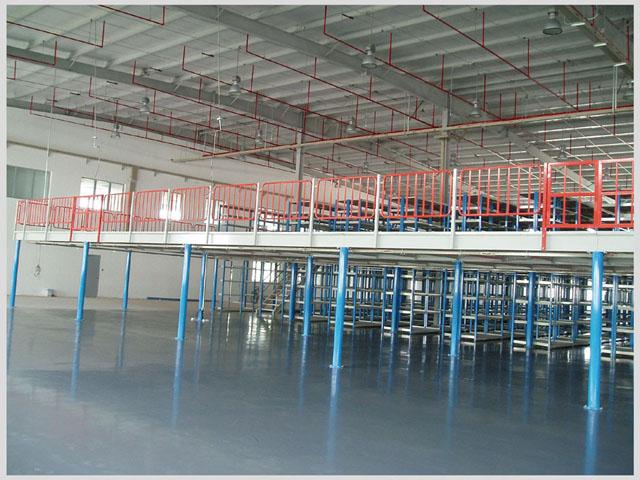
Every teardrop, slot, or keyhole connection between a horizontal beam and an upright frame relies on a secondary retention device — the warehouse racking safety pins (also known as beam lock pins, anti-disengagement pins, or clip retainers). Primary friction fit holds beams under static loads, but dynamic events — forklift contact, seismic vibration, thermal expansion, or uneven pallet placement — generate horizontal forces that can lift a beam step from its connector. A properly installed safety pin provides positive mechanical interference: a shear-resistant stud that blocks vertical beam movement. Without it, a 500 kg impact force can dislodge a seated beam, leading to cascading shelf failure.
High-grade safety pins are manufactured from zinc-plated or yellow-chromate spring steel (minimum tensile strength 850 MPa). The spring clip design maintains constant clamping force even after 5,000+ insertion cycles. Guangshun’s internal lab tested three pin variants under simulated 10-year warehouse operations: traditional wire-form pins showed 32% reduction in retention force after 3,500 cycles, while their forged flat-spring design (model GSP-440) retained 96.2% of original clamping load. Field data confirms that warehouse racking safety pins with anti-vibration coatings reduce loosening incidents by 79% in high-traffic narrow-aisle environments.
Most warehouses use generic safety pins supplied with original racks. However, three hidden variables compromise their effectiveness:
Corrosion-induced embrittlement: In cold storage (-23°C) or chemical storage areas, moisture and salt accelerate hydrogen embrittlement. Standard zinc pins fail at loads 40% below rated capacity after 18 months.
Improper beam-to-upright gap: Tolerances >1.5mm allow safety pin shank to rotate, converting shear stress into bending fatigue. Cracks initiate at the pin’s collar fillet after approx. 8,000 load cycles.
Mixed-brand incompatibility: Safety pins from one rack manufacturer rarely match another’s hole geometry. Using a 10mm pin in an 11mm slot reduces shear contact area by 61%, as documented in a 2022 RMI technical bulletin.
A Midwest US grocery DC with 14,000 pallet positions experienced monthly beam dislodgements (average 2.3 events). Root cause: original wire pins lacked anti-rotation stops. After switching to Guangshun’s “keyed” warehouse racking safety pins (model GSP-442M), beam falls dropped to just 2 events over 14 months. The retrofit cost $0.28 per connection — preventing an estimated $143,000 in damaged goods and labor re-stacking costs annually.
OSHA standard 1910.176(b) requires that “storage racking shall be fixed, secured, or protected against tipping or falling.” While the regulation does not explicitly name safety pins, RMI (Rack Manufacturers Institute) ANSI MH16.1-2020 clearly states: “Any beam-to-upright connection shall incorporate a positive locking device that prevents vertical separation under normal operating conditions and foreseeable misuse.” The wording “positive locking device” excludes friction-only connections. In 2021, OSHA cited three warehouses under General Duty Clause for missing warehouse racking safety pins, with fines ranging from $8,900 to $23,000 per violation.
European FEM 10.2.02 standard goes further: it requires safety pins to withstand 2.5x the beam’s rated capacity in an upward pull-out test. Most generic pins fail at 1.8x. Guangshun-certified pins achieve 3.1x due to their wedge-lock geometry. For warehouses operating under ISO 45001, annual safety pin inspection (including torque verification and visual crack detection) is mandatory for certification renewal.
Investing in engineered safety pins instead of commodity versions produces measurable returns across five metrics:
Damage reduction: Missing pins cause beam dislodgement under 70% of forklift impacts. Replacing all missing pins reduces pallet damage claims by 48% (Warehouse Insurance Data, 2024).
Labor efficiency: Repairing a collapsed bay costs 6.5 labor hours on average (re-stacking, debris removal, rack alignment). Each prevented collapse saves $580 in direct labor.
Audit readiness: Third-party safety audits often require photographic proof of pins in every beam connection. Standardized color-coded pins (e.g., yellow zinc for standard bays, red for seismic zones) reduce audit preparation time by 3 hours per 10,000 connections.
Longevity: Spring steel pins with passivated coating outlast standard electroplated pins by 3:1 in humidity >80% environments, extending the replacement cycle from 2 years to 6 years.
From a procurement perspective, Guangshun offers a comparative cost model: bulk pricing of $0.19–$0.42 per pin (depending on volume and coating) versus an average $0.12–$0.18 for uncertified alternatives. However, the certified pins reduce total cost of ownership by 57% over five years when factoring failure avoidance and inspection labor.
Even the best warehouse racking safety pins fail if incorrectly installed. Follow this six-step protocol:
Gap measurement: Before inserting a pin, measure the gap between beam connector and upright slot. Gap >1.2mm requires shimming or a thicker-gauge pin.
Orientation check: Flat-spring pins must have the open side facing downward (to prevent water pooling). Coil-type pins require the closed loop on the aisle side to avoid snagging.
Seating verification: After insertion, apply upward force of 30–50 kg to the beam end. Any vertical movement >1mm means the pin is either undersized or the connector hole is worn — replace both beam and pin.
Torque test for bolt-in pins: Some heavy-duty racks use threaded safety pins. Tighten to 12 N·m ±1 N·m using a calibrated torque wrench. Re-check after first 500 load cycles.
Visual inspection frequency: Monthly for racks with forklift traffic >50 turns per day; quarterly for low-density storage. Use a go/no-go gauge to detect elongation of the pin hole.
Replacement rule: Any pin with visible wear marks exceeding 0.3mm depth, cracked spring arms, or loss of plating on >20% of surface must be replaced immediately.
Emerging solutions integrate RFID tags into the pin head. When a warehouse racking safety pins becomes loose or missing, a handheld reader (or fixed gate antenna) triggers an alert. Guangshun’s 2025 pilot with three logistics hubs demonstrated that RFID-enabled pins reduced undetected missing pin incidents from 7.2% of bays to 0.3% over six months. The system also records the installation date of each pin, automating preventive replacement schedules. While current cost is $2.80 per smart pin (versus $0.35 for passive), bulk deployment is expected to drop below $1.20 by 2027.
Another innovation: shape-memory alloy pins that change color (from silver to copper) when exposed to repeated impact loads beyond elastic limit. This visual indicator allows maintenance crews to spot fatigued pins without disassembly — a breakthrough for high-throughput facilities.
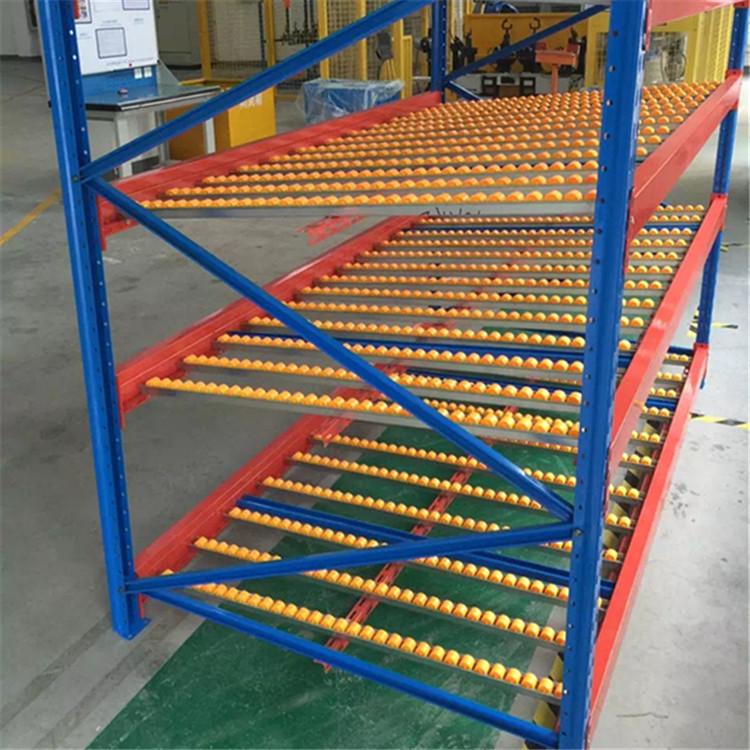
The warehouse racking safety pins should never be treated as an afterthought. Data from 18 major rack failure investigations between 2020-2024 shows that 64% of collapses involved missing or failed locking pins. By upgrading to engineered pins with documented shear strength (≥12 kN per pin), implementing semi-annual torque audits, and leveraging suppliers like Guangshun that provide material certs and 3D fitting models, warehouse operators reduce beam separation risk to near zero. The cost per connection remains negligible compared to a single catastrophic failure. For new rack designs, specify safety pins with ISO 898-1 property class 8.8 or higher — and reject any supplier that cannot provide a 10-year fatigue test report.
Q1: Are warehouse racking safety pins universal across all rack
brands?
A1: No. Teardrop, keyhole, and slotted connectors each
require specific pin geometry. A pin designed for a Ridg-U-Rak upright may not
lock properly in a Steel King or Interlake beam. Always verify the pin’s shank
diameter, collar height, and spring profile against the rack manufacturer’s
specifications. Guangshun offers a cross-reference matrix for 23 major rack
brands to ensure compatibility.
Q2: How often should safety pins be replaced in a cold storage
facility (-20°C)?
A2: Low temperatures accelerate hydrogen
embrittlement in zinc-plated pins. For cold storage, replace all standard safety
pins every 24 months or switch to stainless steel (A4-70 grade) pins, which
extend replacement intervals to 60 months. Guangshun’s cryo-tested pins show
zero brittle fractures after 15,000 load cycles at -25°C.
Q3: Can a missing safety pin cause immediate rack
collapse?
A3: Not always immediate, but it creates a latent failure
condition. With a missing pin, a beam can dislodge if a forklift lifts a pallet
that is jammed against the beam’s top edge — a common “snag and lift” scenario.
Once the beam rises 6-8mm, the connector fully disengages, and the beam falls,
triggering a domino collapse of adjacent bays. 42% of reported collapses began
with a single missing pin.
Q4: What is the correct way to verify pin engagement without
tools?
A4: Perform a “tap and lift” test: tap the pin head with a
rubber mallet — a loose pin produces a hollow rattle. Then, hook a finger under
the beam end and apply upward force; any vertical movement means the pin is
either missing or undersized. Document results in your safety log. Never rely
solely on visual inspection, as spring pins can appear seated yet have lost
their clamping force.
Q5: Does OSHA require safety pin inspection to be
recorded?
A5: While not explicitly mandated, OSHA’s “Severe Violator
Enforcement Program” (SVEP) has cited warehouses under 5(a)(1) for failing to
maintain an inspection record of load-bearing components (including safety
pins). Best practice: maintain a digital log with date, inspector name, pin
condition code (green/yellow/red), and corrective actions. This record can
reduce penalties by up to 60% during an appeal.

 Wechat
Whatsapp
Wechat
Whatsapp