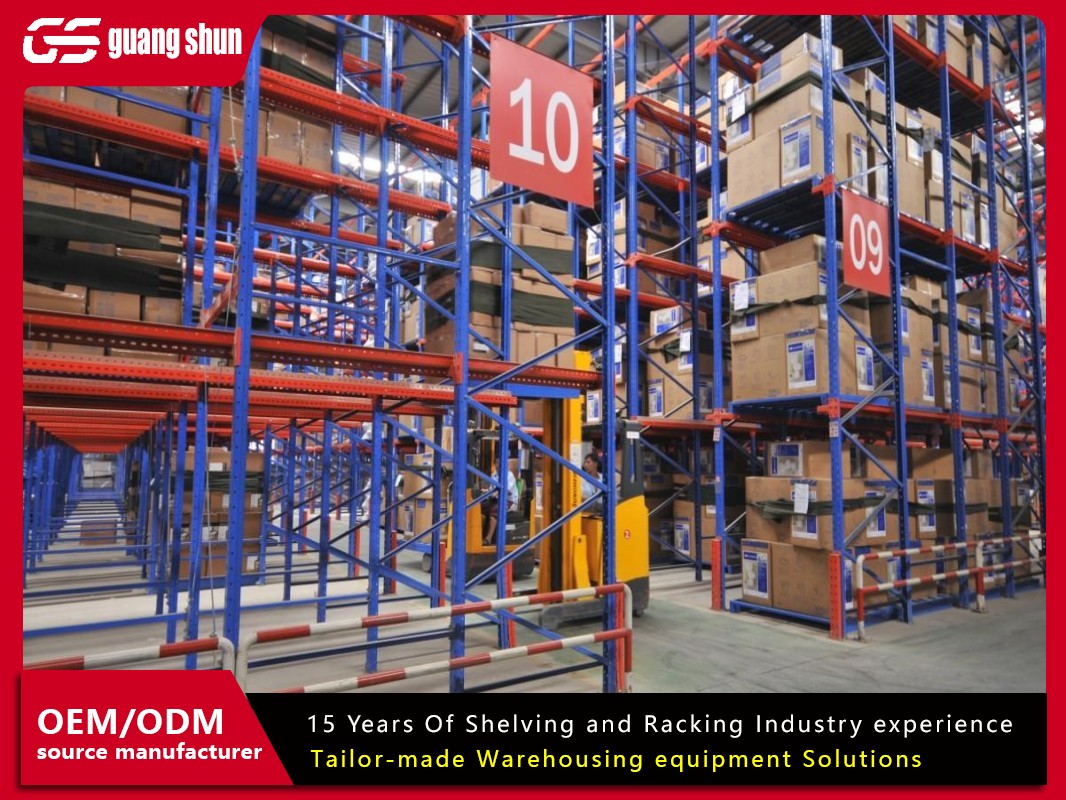
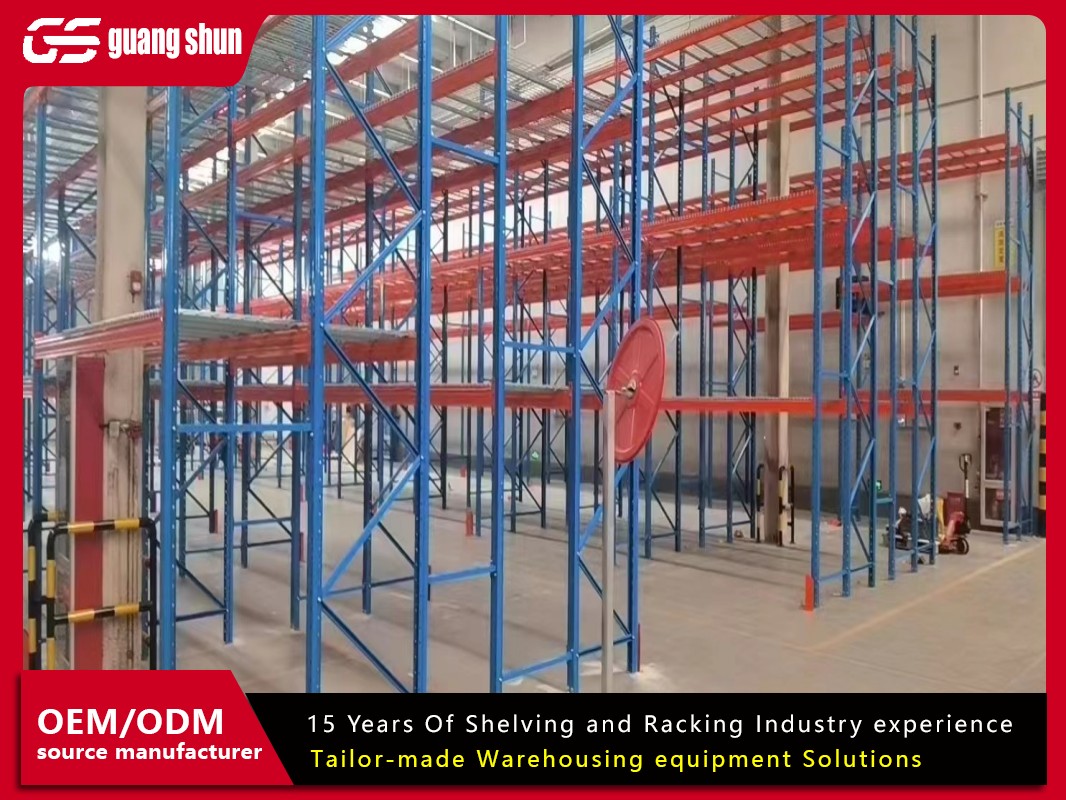
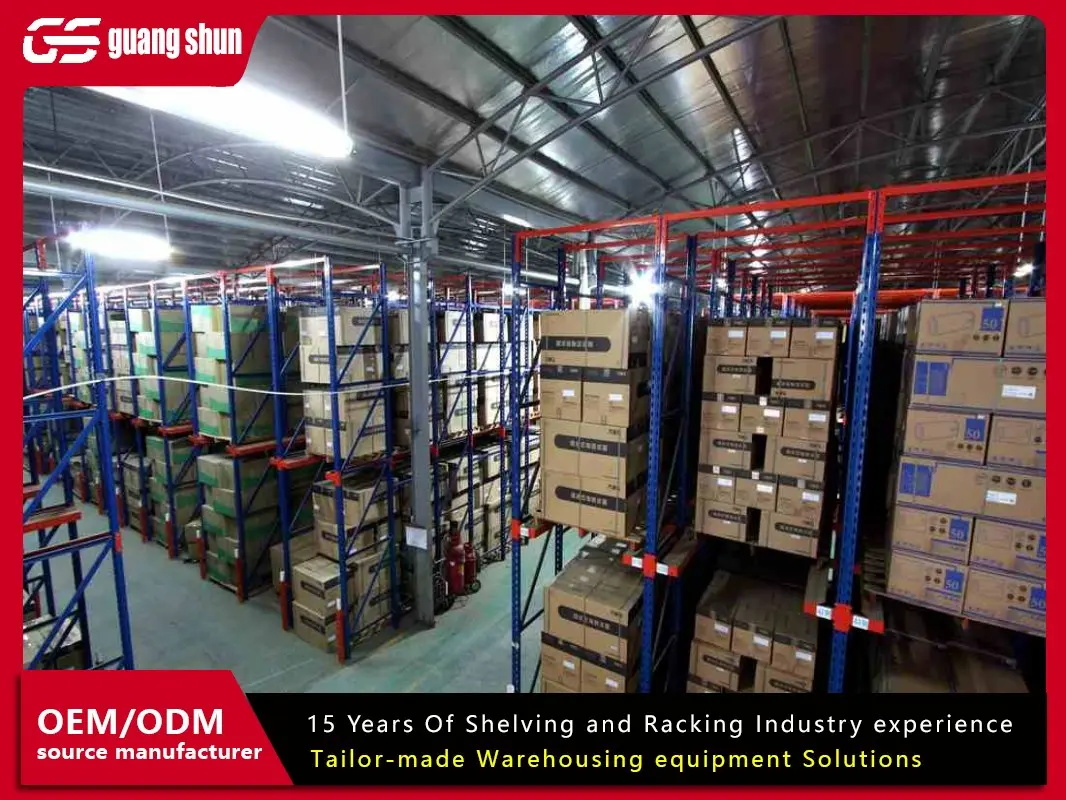
Industrial logistics facilities, distribution centers, and manufacturing plants face continuous challenges regarding floor space utilization, operational safety, and inventory flexibility. Standard static pallet racking systems offer structural stability but lack adaptability when inventory volumes fluctuate or when handling non-standard cargo sizes. To accommodate seasonal shifts, a portable stack of racks configuration offers a dynamic alternative to heavy, anchor-bolted storage systems. This modular approach allows operations to scale storage capacity vertically without installing permanent fixtures. By evaluating the engineering principles and material characteristics of portable rack configurations, facility managers can optimize storage footprints while maintaining high safety standards.
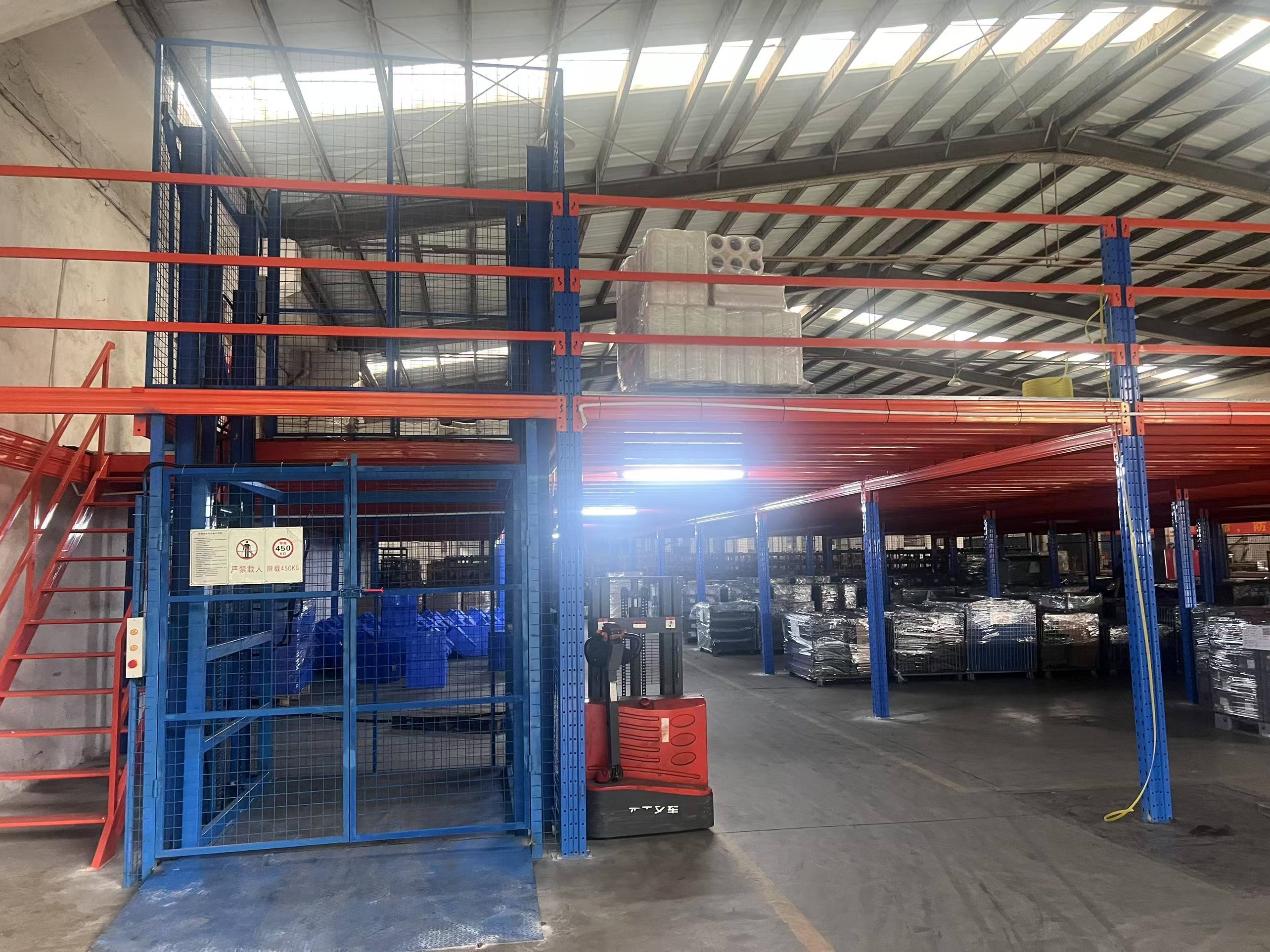
To evaluate the viability of portable storage systems, analyzing the structural composition and mechanical limits of the equipment is necessary. Portable stacking frames, often referred to as post pallets or nesting racks, rely on heavy-gauge structural steel to bear high-capacity loads. The load distribution behavior differs substantially from static bolt-down racks, requiring precise design considerations during manufacturing.
Material Selection: Reputable industrial equipment manufacturers like Guangshun select hot-rolled or cold-formed steel profiles, typically Q235B or Q345B grade, to ensure a favorable strength-to-weight ratio and reliable structural stability.
Load Capacity Limits: When engineering a heavy-duty stack of racks, material selection dictates the safety margin under maximum load. Industrial-grade units are typically designed to support dynamic capacities between 1,000 kg and 1,500 kg per individual rack unit, with static loads extending to 4,000 kg or more in a multi-level vertical stack.
Deflection Tolerances: Structural integrity standards dictate that maximum allowable deflection of the base frame or load-bearing beams must not exceed 1/200 of the span when fully loaded. This prevents long-term metal fatigue and deformation.
Surface Treatments: Outdoor storage, humid shipping docks, or low-temperature environments demand proper surface protection. Industrial units use electrostatically applied thermoset powder coatings or hot-dip galvanizing to resist oxidation and structural degradation.
The structural alignment of a stacked column relies on the precision welding of the base post and the corresponding receptacle cup. Thus, the integrity of each stack of racks depends on minimizing geometric variance during assembly. When empty, these frames nest inside one another, reducing the storage footprint of inactive racks by up to 80% and simplifying return shipping logistics.
Logistics operations routinely encounter bottlenecks that impact throughput, inventory management, and labor efficiency. The implementation of modular racking systems directly addresses several structural and operational pain points.
Honeycombing refers to the empty, inaccessible storage spaces that occur in bulk-stacking configurations when different SKUs are mixed in the same lane. If a warehouse stacks pallets directly on top of each other, accessing the bottom pallet requires removing the top layers, resulting in excessive labor and double handling. Utilizing a portable rack setup isolates each load on its own steel frame, enabling forklifts to access individual units without disturbing neighboring products.
Bulk-stacking non-rigid items (such as bulk bags, rubber tires, or corrugated cartons) often results in product deformation or outer packaging failure, leading to product loss and unsafe working conditions. Portable frames transfer the total weight of the upper stacks directly through the steel corner posts and onto the floor, safeguarding fragile or compression-sensitive goods from physical damage.
Fixed selective racking remains a permanent footprint even during low-demand periods, consuming valuable floor space that could otherwise be utilized for assembly, cross-docking, or staging. By substituting fixed structures with a modular stack of racks, managers can construct or dismantle lanes based on current SKU profiles. During off-peak seasons, the empty racks are nested or collapsed, clearing valuable floor space for dynamic warehouse operations.
Because portable storage systems do not require permanent floor anchoring, they are widely adopted across diverse, specialized industries that manage high-volume, variable, or non-palletized inventory.
In cold storage and freezer facilities, floor space is highly expensive due to refrigeration energy consumption. Utilizing an adjustable stack of racks allows logistics managers to stack materials safely while maintaining open channels for convective airflow. Adequate air circulation is vital for temperature uniformity, ensuring that perishable goods stay within regulatory compliance.
For the automotive and industrial machinery sectors, heavy components with complex geometries, such as engines, transmissions, or stamped body panels, cannot be stored on standard flat wood pallets. Modular warehousing systems engineered by Guangshun incorporate high-tensile steel alloys and tailored side-containment frames, providing secure containment and preventing shifting during material handling.
Textile, coil, and roll-media operations also face challenges when storing cylindrical materials. Stacking rolls horizontally on standard shelving can lead to flat-spotting, which ruins the material. Customized post pallets with specialized cradle attachments allow secure roll storage without surface damage, maximizing vertical space in distribution facilities.
When selecting storage systems, procurement teams must analyze initial capital expenditure (CapEx) alongside ongoing operational expenditure (OpEx). The table below outlines key differences between portable stacking racks and standard fixed selective pallet racking:
| Evaluation Parameter | Modular Stacking Racks | Fixed Selective Racking |
|---|---|---|
| Initial Capital Outlay | Low to moderate; scales linearly with purchase volume. No specialized assembly crews required. | High; requires professional installation, concrete slab inspection, and anchoring hardware. |
| Facility Flexibility | High; racks can be relocated, nested, or shipped to external facilities instantly. | Low; static structures require dismantling and safety re-certification before relocation. |
| Seismic and Slab Requirements | Distributes loads across multiple points; lower localized stress on concrete slabs. | Requires calculated anchor design and specific slab thickness to meet local seismic codes. |
| Space Recovery Rate | Dynamic; up to 80% space recovery when empty due to nesting and folding designs. | 0%; occupies the same footprint regardless of inventory utilization rates. |
While fixed selective racking is highly effective for high-speed SKU rotation in standardized pallet operations, portable racking offers a more cost-effective and flexible solution for bulk staging, seasonal inventory spikes, and high-density block stacking.
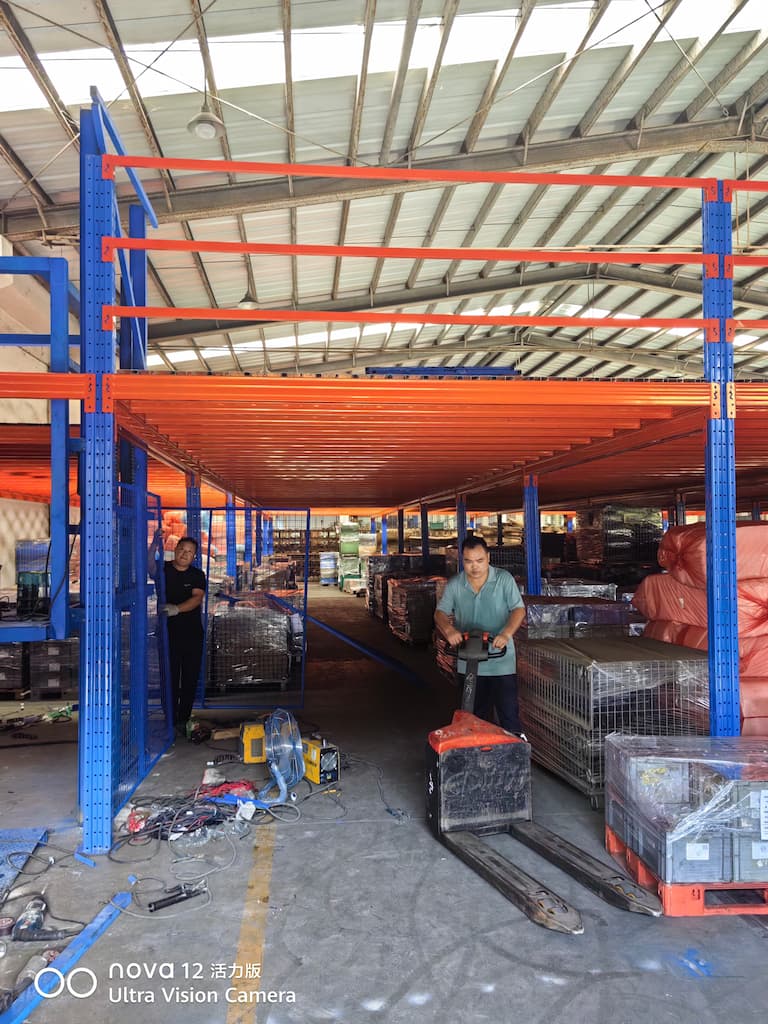
Operating vertical storage systems demands rigorous adherence to structural safety standards to prevent workplace incidents. Buyers should prioritize several technical safety criteria when evaluating manufacturers.
First, weld quality is fundamental to the load-bearing capability of the overall system. Structural welds must comply with international standards such as AWS D1.1 (American Welding Society) or EN ISO 3834. The welding practices employed by Guangshun utilize robotic metal active gas (MAG) welding to ensure penetration depth and clean weld beads, reducing the risk of structural failure under load.
Second, vertical alignment tolerances must be strictly controlled. Even a minor deviation in post perpendicularity can cause a leaning stack when units are stacked four or five levels high. Engineering standards require that the verticality deviation of the columns under full load be within 0.5% of the total height. Base cup receivers must be constructed from hot-forged or heavy stamped steel plate to ensure correct alignment and ease of forklift loading.
Finally, safety inspections should be performed on a regular basis. Personnel must visually inspect the units for deformed corner posts, broken weld joints, or damaged base plates. Damaged units should be tagged and immediately taken out of service to ensure warehouse safety.
Optimizing industrial storage efficiency requires a balanced combination of safety, density, and operational flexibility. In summary, integrating a certified stack of racks design into a facility’s floor plan mitigates safety risks associated with direct bulk stacking, protects delicate goods from compression forces, and allows logistics managers to adjust storage layouts dynamically in response to market demands. By partnering with experienced manufacturers who prioritize precise manufacturing and material traceabilities, companies can build durable, safe, and cost-efficient material handling operations.
Q1: What is the maximum safe stacking height for modular storage racks?
A1: The maximum safe stacking height is determined by the specific load capacity rating, base dimensio

 Wechat
Whatsapp
Wechat
Whatsapp